Čeští hráči mají dnes na výběr z desítek online kasin, a proto se vyplatí sledovat nejen výši bonusu, ale i podmínky pro jeho získání. Mezi nejvyhledávanější nabídky patří 10 eur zdarma za registraci, které potěší především začátečníky. Popularitu si drží také 100 free spiny bez vkladu, ideální pro rychlé vyzkoušení automatů bez rizika. Kdo preferuje platbu kartou, může využít 100 kč paysafecard zdarma a zahrát si okamžitě po vložení.
Mnohá kasina lákají nové hráče na 100 kč za registraci automaty, což je skvělý způsob, jak poznat nabídku bez větší investice. Alternativou pro příznivce eura je 20 eur za registraci bez vkladu, případně mezinárodně zaměřený 20 no deposit casino bonus. Nejnižší vstupní bonus nabízí 5 eur zdarma za registraci, vhodný pro testování herních mechanismů.
Před registrací se vždy vyplatí přečíst si hodnocení ostatních hráčů. Podrobný 69 casino recenze odhaluje silné i slabé stránky provozovatele. Zkušenosti s českou značkou shrnuje admiral casino recenze, zatímco milovníky moderních automatů potěší apollo games casino recenze. Díky těmto informacím zvolíte kasino, které odpovídá vašim preferencím i rozpočtu.
Český trh s online kasiny je dnes mimořádně rozmanitý a hráči si mohou vybírat mezi desítkami provozovatelů. Pokud hledáte co nejvýhodnější start, začněte u nabídky, která nevyžaduje žádný vklad – tedy casino bonus za registraci bez vkladu. Právě takové akce vám umožní vyzkoušet provozovatele nanečisto a teprve poté se rozhodnout, zda do hry vložíte vlastní peníze. Vedle toho se vyplatí sledovat i pravidelné casino bonusy, jako jsou free spiny, reload bonusy nebo věrnostní programy pro stálé hráče.
Nabídka herních titulů je opravdu široká – od klasických automatů přes stolní hry až po živé krupiéry. Portály, které se specializují na casino hry, obvykle nabízejí přehledné filtrování podle poskytovatele i volatility, takže si snadno najdete titul odpovídající vaší strategii. Stále více hráčů navíc zkouší bitcoin casino, kde vklady i výběry probíhají v řádu minut a zcela bez zásahu banky.
Před registrací se ale vždy vyplatí zjistit, jak si daný provozovatel stojí u ostatních hráčů. Detailní betor casino recenze vám prozradí, jak rychle se zpracovávají výběry a jak kvalitní je zákaznická podpora. Stejně užitečná je i bonver casino recenze, která shrnuje zkušenosti s bonusovými podmínkami a limity pro výběr výher.
U platebních metod je dobré si předem ověřit, co konkrétní kasino podporuje. Mnoho hráčů preferuje možnost casino minimální vklad 100 kč paysafecard, protože jde o rychlý a anonymní způsob platby bez zadávání údajů o kartě. Jiní zase oceňují casino vklad přes sms cz, který je ideální pro okamžité dobití účtu přímo z mobilu. Pokud hledáte širší výběr provozovatelů a štědřejší podmínky, může být řešením casino online zahraničí, tedy licencované zahraniční kasino, které přijímá i české hráče. A pokud nechcete riskovat ani korunu, pomůže vám automaty bonus za registraci bez vkladu, díky kterému si zahrajete zdarma a bez jakéhokoli vkladu.
Český trh s online hazardními hrami se za poslední roky výrazně proměnil a hráči dnes mají na výběr z desítek licencovaných i zahraničních platforem. Stále více lidí přitom hledá crypto casino, které nabízí rychlé vklady a výběry bez zapojení banky. Než ale vložíte první korunu, vyplatí se projít si forbes casino recenze a porovnat reputaci, licenci i rychlost výplat jednotlivých provozovatelů.
Velkou roli při výběru hraje samozřejmě bonusová nabídka. Pokud chcete mít přehled o aktuálních akcích, sledujte free spiny dnes, protože se obměňují doslova každý týden. Zvláštní kategorií jsou free spiny za registraci bez vkladu, díky nimž si můžete kasino vyzkoušet, aniž byste museli vložit vlastní peníze.
Mezi tradiční české značky, které stojí za pozornost, patří fortuna casino recenze, kde se dočtete o licenci, platebních metodách i zákaznické podpoře. Novější hráči často zvažují grandwin casino recenze a stále častěji se objevuje také kartáč casino recenze, která hodnotí mimo jiné rychlost registrace a bonusové podmínky.
Základem každého kasina jsou pochopitelně hrací automaty, ať už jde o klasické tříválcové přístroje, nebo moderní video automaty s bonusovými funkcemi. Pokud si je chcete nejprve osahat bez rizika, můžete vyzkoušet hrací automaty zdarma 81 nebo režim hrací automaty zdarma neomezeně, v němž si strategii vyzkoušíte tak dlouho, jak budete potřebovat.
Hledáte spolehlivé online casino cz? V našem přehledu najdete ty nejlepší herny pro české hráče. Začněte třeba u luckybet casino recenze, která vám ukáže výhody i nevýhody tohoto provozovatele. Podobně důkladně jsme sepsali i maxa casino recenze, abyste věděli, co očekávat.
Mezi nejlepší online casino patří i nové platformy, které přinášejí svěží vítr do světa hazardu. Pokud vyzkoušíte nové casino online, můžete získat atraktivní vítané nabídky. Pro milovníky mobilního hraní doporučujeme mobilní casino, které je optimalizované pro telefony a tablety.
Velkým lákadlem jsou bonusy bez vkladu. Například nové online casino bonus bez vkladu vám umožní hrát zdarma a vyzkoušet hry před vložením peněz. Specifickou nabídkou je online casino bonus bez vkladu 7, který nabízí sedm eur nebo sedm spinů zdarma. Nezapomeňte si přečíst také nv casino recenze, kde hodnotíme podmínky tohoto bonusu.
Pro ty, kdo chtějí točit online automaty za peníze, je důležité vybrat kasino s vysokou výplatností a rychlými výběry. Věříme, že s naším průvodcem najdete ideální místo pro zábavu i výhry.
V českém prostředí se hráči zajímají nejen o samotné hry, ale také o pohodlné platby a výhodné nabídky. Pokud preferujete platby přes internetovou peněženku, vyplatí se prozkoumat možnosti jako paypal casino, kde lze často vložit vklad rychle a bez složitého ověřování. Alternativu pro ty, kdo chtějí platit předplacenou kartou, představuje paysafecard casino, které ocení zejména hráči dbající na soukromí.
Mezi oblíbené moderní hry patří Plinko a k němu se vážou i atraktivní nabídky. Pokud hledáte možnost vyzkoušet hru bez rizika, určitě vás zaujme plinko bonus bez vkladu. Před registrací se také vyplatí zjistit aktuální promo kód casino, který může navýšit vklad nebo přinést další výhody.
Čeští hráči často srovnávají známé značky. Podrobný sazka casino recenze pomůže posoudit nabídku her, platební metody i zákaznickou podporu. Pro rychlé transakce je vhodné zvážit také skrill casino, které bývá dostupné v řadě online casin.
Před výběrem je dobré číst zkušenosti ostatních. star casino recenze i tokyo casino recenze vám mohou napovědět, jaké bonusy a podmínky jednotlivé platformy nabízejí. Velkou pozornost si zaslouží i nabídky pro nové hráče ze zahraničí, například zahraniční casino bonus bez vkladu nebo zahraniční free spiny bez vkladu, které lze často využít bez prvního vkladu.
V České republice si dnes můžete zahrát prakticky odkudkoli – stačí si vybrat spolehlivý portál a ověřit si licenci. Mezi českými hráči jsou dlouhodobě nejoblíbenější české casino, která nabízejí platby v korunách, českou zákaznickou podporu a bonusy bez zbytečných podmínek. Pokud dáváte přednost atmosféře skutečného stolu, vyplatí se před registrací prostudovat živé casino recenze, kde se dozvíte, jak kvalitní je stream, jak rychlé jsou výplaty a jaké limity sázek můžete očekávat. Ať už hrajete automaty, nebo preferujete live krupiéry, vždy sázejte zodpovědně a jen v mezích svých možností.
Containers, Boxes & Bins: The Precision Interface Between Goods and Automation
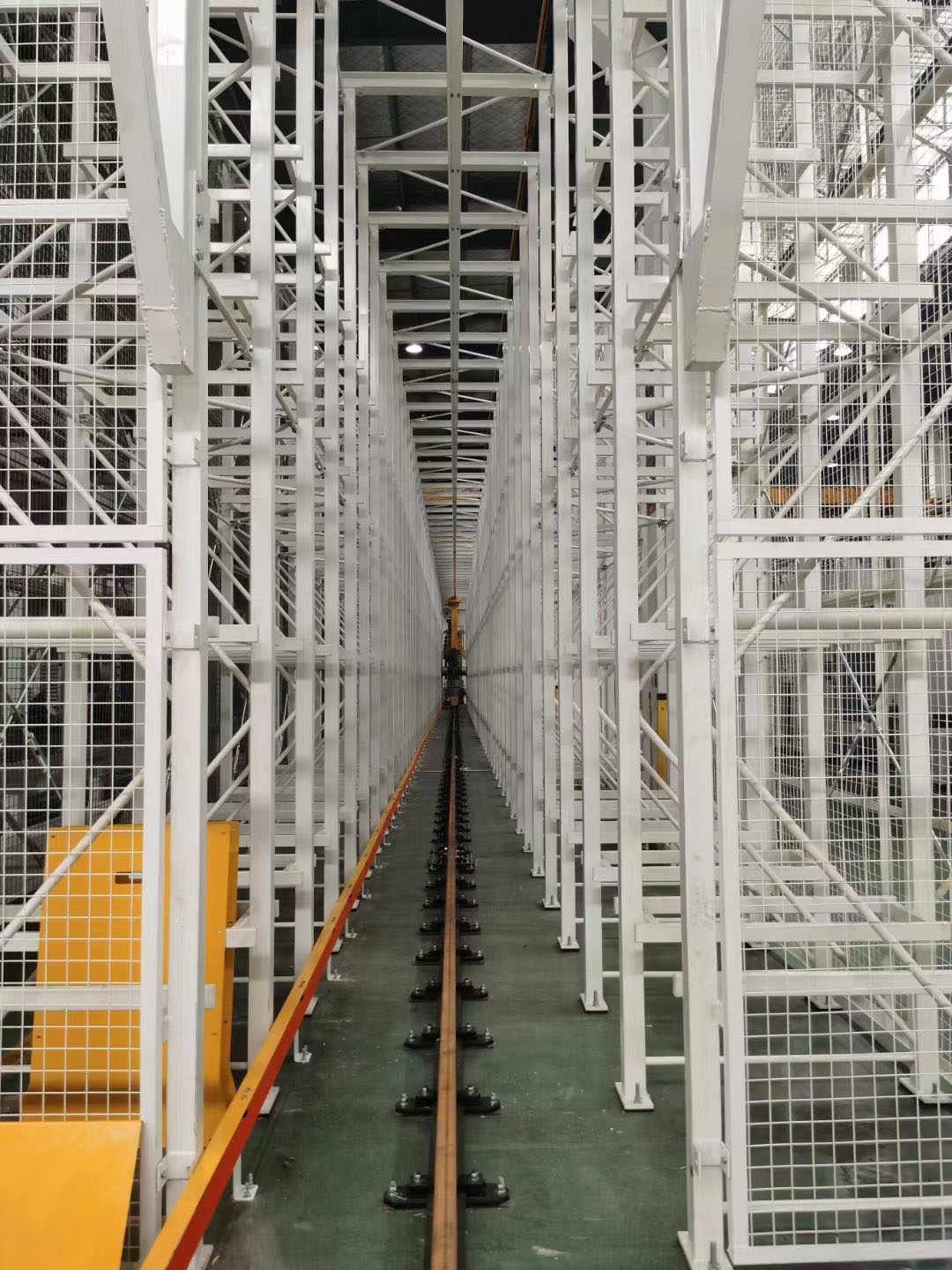
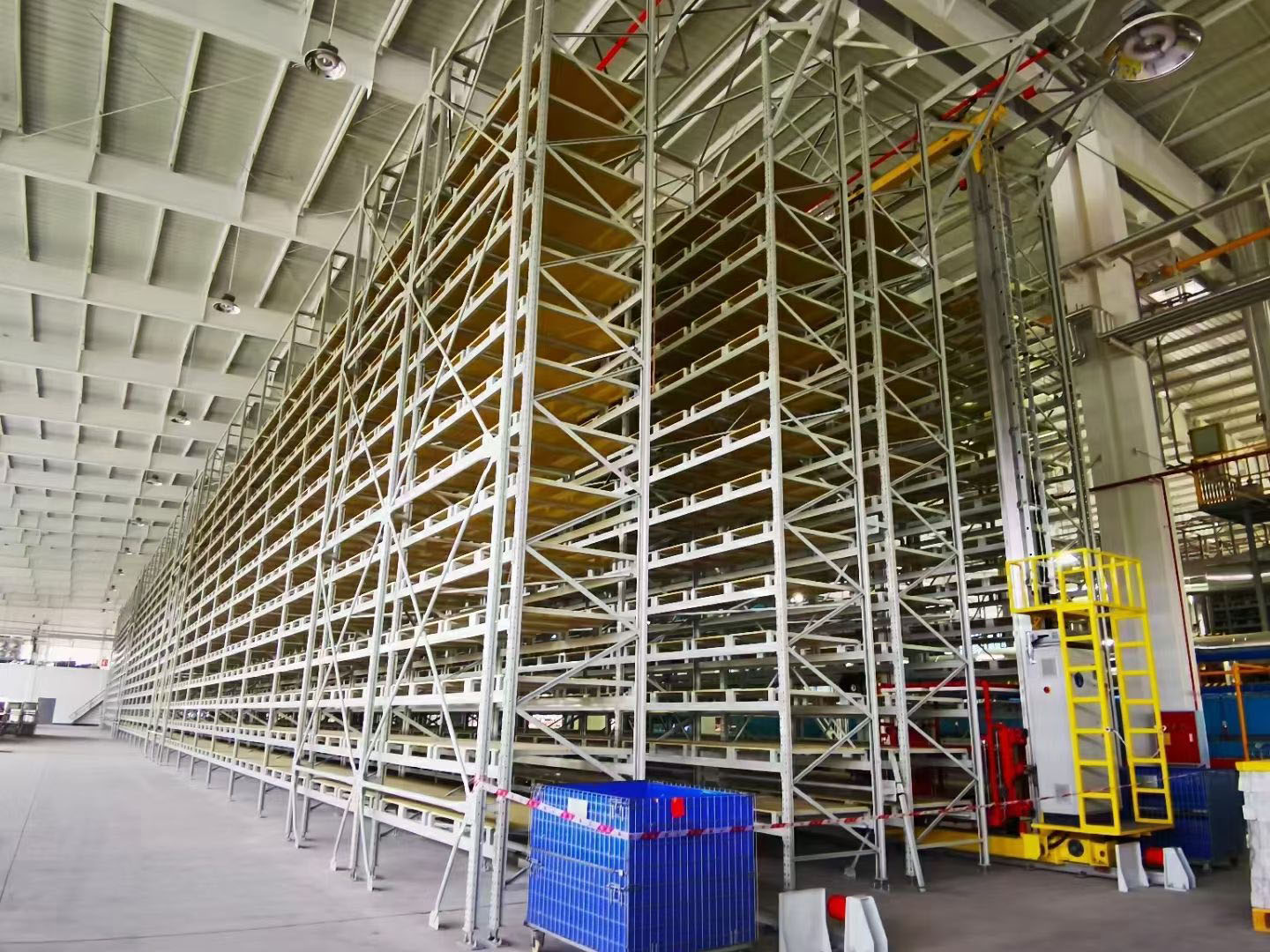
In the choreography of an automated warehouse, the most visible performers are the stacker cranes, the shuttles, the conveyors. They move with speed and precision; they attract attention and investment. Yet there is another performer—quiet, uncelebrated, but absolutely essential—without which the entire system would be inert. It is the container.
Too often dismissed as passive packaging, the container is in fact an active, engineered component of the automated material handling system. It is the physical interface between your product and every piece of automation that touches it. A container that binds on a conveyor creates a jam that stops a thousand picks. A pallet that flexes beyond tolerance disrupts shuttle engagement and damages inventory. A tote whose dimensions vary by millimeters causes misreads, mispicks, and costly manual interventions.
KINGSHELVING designs and supplies containers, boxes, bins, and pallets with a singular philosophy: the container is not an accessory—it is a precision tool. Our storage media are engineered to exacting tolerances, manufactured from materials selected for durability and performance, and configured to optimize every interaction between your goods and our automated systems. We do not offer commodities; we deliver engineered interfaces.
Core Positioning: The precision interface between goods and automation—an active system component, not passive packaging.
Strategic Value: Determines system reliability, throughput consistency, and inventory protection.
KINGSHELVING Philosophy: Containers are precision tools, engineered to exacting tolerances for seamless integration.
I. The Strategic Role of Standardized Storage Media
The path to high-performance automation is paved with standardization. Automated systems—stacker cranes, shuttles, conveyors, lifts, and robotic workstations—achieve their speed and reliability through deterministic, repeatable interactions. They cannot adapt to infinite variability in load carrier dimensions, materials, or structural integrity. They require consistency.
KINGSHELVING’s container engineering practice is built on this fundamental principle. Our standard and custom storage media are designed to deliver the dimensional stability, structural predictability, and surface consistency that high-cycle automated operations demand.
Dimensional Precision
A variance of a few millimeters in container width can cause jams on roller conveyors; an inconsistent footprint can misalign with shuttle grippers; an unstable stacking interface can topple loads under dynamic motion. KINGSHELVING containers are molded and fabricated to tight dimensional tolerances, verified through statistical process control and periodic certification testing. When our container interfaces with our equipment, the fit is predictable—every time, across thousands of cycles.
Load-Carrying Integrity
Containers in automated systems are not static; they are subjected to acceleration forces, impact loads, and continuous vibration. A container that deforms under load compromises retrieval accuracy; one that cracks prematurely creates debris that threatens sensors and moving mechanisms. KINGSHELVING containers are engineered with reinforced base structures, optimized wall thickness distributions, and impact-modified material formulations. Our plastic totes and bins are tested to withstand repeated handling cycles without permanent deformation or structural failure.
Stacking and Nesting Efficiency
Space utilization in automated storage is a function of both rack geometry and container stackability. KINGSHELVING containers are designed with precision stacking interfaces that ensure vertical alignment and load transfer, enabling stable stacks that maximize storage density. For return logistics, many of our containers feature nesting capabilities—collapsing into a fraction of their operating height for efficient empty transport and storage.
Environmental Compatibility
Containers operate across the full spectrum of warehouse environments: ambient, chilled, frozen, cleanroom, and chemically aggressive. KINGSHELVING selects material formulations and structural configurations appropriate to each application. Our cold-chain containers retain impact resistance at -30°C; our cleanroom-compatible totes meet ISO Class 5 particulate standards; our ESD-safe bins provide controlled surface resistivity for sensitive electronics.
Standardization Imperative: Automation requires deterministic, repeatable interactions—dimensional variability is the enemy of reliability.
Dimensional Precision: Tight tolerances verified through SPC; predictable fit, cycle after cycle.
Structural Integrity: Reinforced bases, optimized wall thickness, impact-modified materials; engineered for thousands of cycles.
Stacking/Nesting: Precision interfaces for stable stacks; nesting options for efficient return logistics.
Environmental Matching: Formulations for cold chain, cleanroom, ESD-safe, and corrosive environments.
II. Beyond Standardization: The Power of Customization
No two warehouses are identical; no two product portfolios follow the same dimensional distribution. While standardization enables automation, inflexibility constrains optimization. KINGSHELVING’s container solutions bridge this paradox: we deliver the repeatability of standardized interfaces with the adaptability of custom-engineered geometries.
Custom Dimensional Configurations
When off-the-shelf container dimensions fail to optimize your available storage envelope or accommodate irregular product geometries, KINGSHELVING’s engineering team develops custom size profiles. We balance storage density against handling compatibility, ensuring that custom containers integrate seamlessly with your existing automation equipment—or with the systems we supply as part of an integrated solution.
Compartmentalization and Dividers
Mixed-SKU storage and kit preparation require the ability to segregate multiple items within a single container. KINGSHELVING offers comprehensive compartmentalization solutions: fixed dividers molded into container bases, adjustable divider systems with precision slotting, and removable insert trays configurable for specific product sets. Each solution is engineered to maintain positional stability under automated handling while providing intuitive access for manual or robotic picking.
Specialized Load Carriers
Some products defy conventional container geometries. Long, flexible components require cradles that support without distortion. High-value assemblies require custom-cut foam inserts that immobilize and protect. Temperature-sensitive biologics require insulated containers with phase-change material integration. KINGSHELVING’s engineering team brings decades of combined experience in developing application-specific load carriers that solve unique handling challenges while maintaining full compatibility with automated storage and retrieval systems.
Branded and Color-Coded Identification
In multi-client, multi-channel, or multi-stage operations, visual identification accelerates workflows and reduces errors. KINGSHELVING offers custom color options for our container families, enabling intuitive SKU segregation, client differentiation, or process-stage identification. For clients requiring corporate branding integration, we offer in-mold labeling and custom pad-printing services that deliver durable, high-visibility identification.
Custom Dimensional Engineering: Bespoke size profiles that optimize storage density without sacrificing automation compatibility.
Compartmentalization: Fixed dividers, adjustable systems, and removable inserts for efficient mixed-SKU storage and kitting.
Specialized Carriers: Custom cradles, foam inserts, and insulated containers for non-standard or high-value products.
Visual Identification: Custom colors, in-mold labels, and pad printing for intuitive workflow segregation and branding.
III. Material Science and Manufacturing Excellence
The performance of a container is determined at the intersection of material selection and manufacturing precision. KINGSHELVING’s container solutions are fabricated using advanced polymer processing technologies and rigorous quality protocols that ensure consistent, repeatable performance across production batches and through years of service.
High-Performance Polymer Formulations
KINGSHELVING containers are manufactured from engineering-grade materials selected for their mechanical properties, chemical resistance, and long-term stability. Our standard product lines utilize high-density polyethylene (HDPE) and polypropylene copolymer (PP-C), offering excellent impact resistance, dimensional stability, and chemical inertness. For applications requiring electrostatic discharge control, we offer ESD-safe formulations with controlled surface resistivity. For high-temperature or specialized chemical environments, we specify engineered resins on a project-specific basis.
Structural Reinforcement Technologies
Flat-bottomed containers subjected to continuous automated handling are prone to base deformation under load, leading to tracking errors on conveyors and unstable positioning at picking stations. KINGSHELVING’s advanced container designs incorporate reinforced double-wall base structures and integrated rib patterns that distribute load stress and maintain flatness through thousands of cycles. Our heavy-duty pallets and large-format containers feature steel-reinforced corner posts and integrated runner systems that resist deflection under dynamic loading.
Precision Molding and Quality Assurance
KINGSHELVING’s manufacturing partners operate state-of-the-art injection molding facilities with automated process control systems. Each production cycle is monitored for critical parameters—temperature, pressure, fill rate, cooling time—with deviations triggering real-time adjustment or rejection. Finished containers undergo dimensional verification, load testing, and visual inspection before release. Statistical process control data is maintained and available for customer audit.
Sustainability and Circular Economy
KINGSHELVING is committed to reducing the environmental footprint of our products and operations. Our container solutions increasingly incorporate post-consumer and post-industrial recycled materials, processed and compounded to achieve performance characteristics comparable to virgin resins. We offer take-back and reprocessing programs for end-of-life containers, enabling our clients to close the loop on their reusable packaging investments. Weight-optimized designs reduce material consumption without compromising durability, lowering both upfront costs and lifecycle carbon emissions.
Advanced Materials: HDPE, PP-C, ESD-safe formulations, and engineered resins—selected for mechanical performance and environmental compatibility.
Structural Reinforcement: Double-wall bases, rib patterns, steel-reinforced corners; engineered to resist deflection under continuous automated cycling.
Precision Manufacturing: Injection molding with closed-loop process control; dimensional verification and load testing for every batch.
Sustainability: Recycled content options, take-back programs, weight-optimized designs; reducing environmental footprint without compromising durability.
IV. Integration with the KINGSHELVING Automation Ecosystem
A container is not an island; it is a node in a networked material flow system. Its value is fully realized only when it is seamlessly integrated with the automation equipment that stores, retrieves, transports, and tracks it. KINGSHELVING’s container solutions are designed in parallel with our ASRS platforms, ensuring native compatibility and optimized performance.
Shuttle-Compatible Totes and Pallets
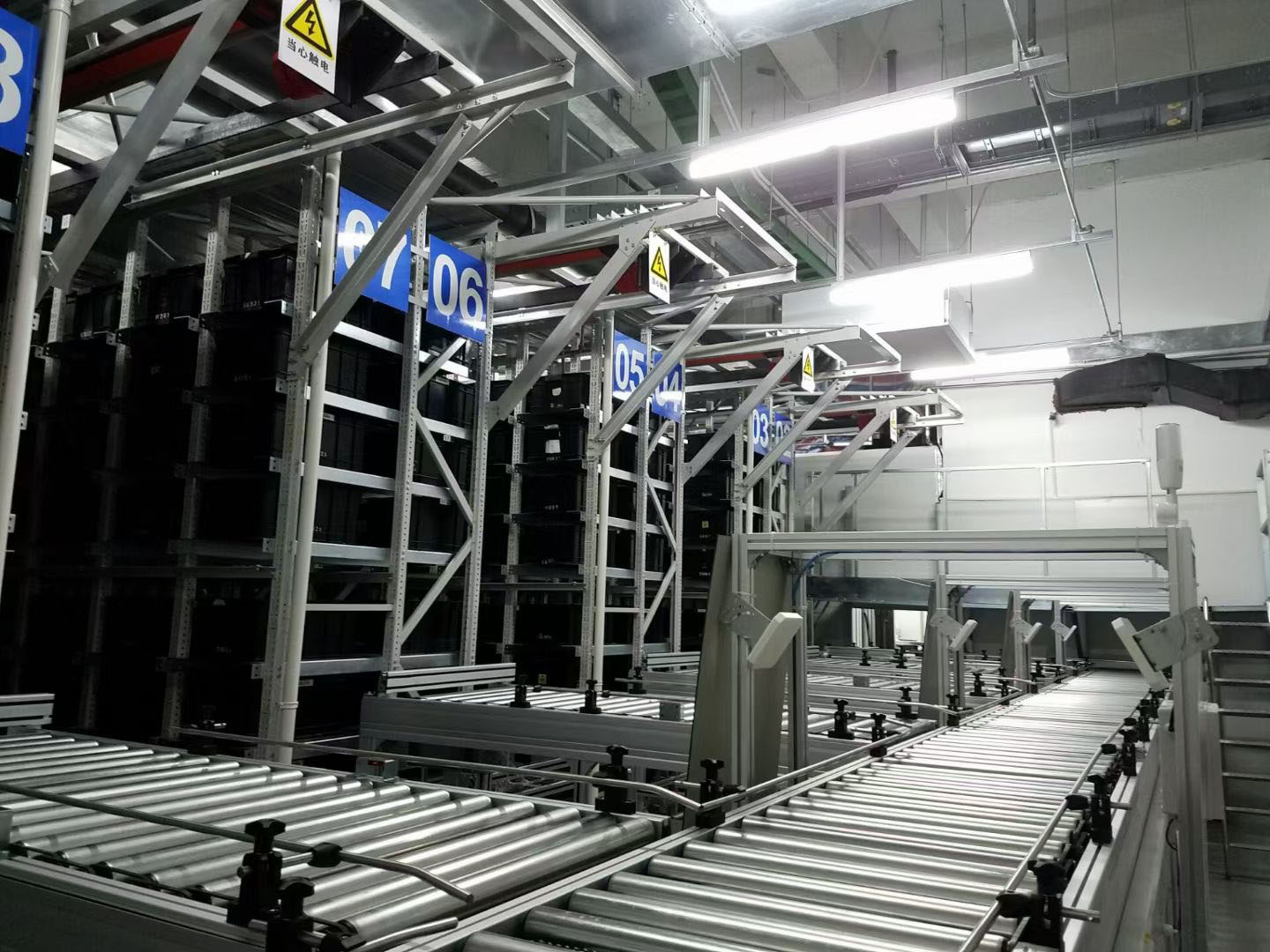
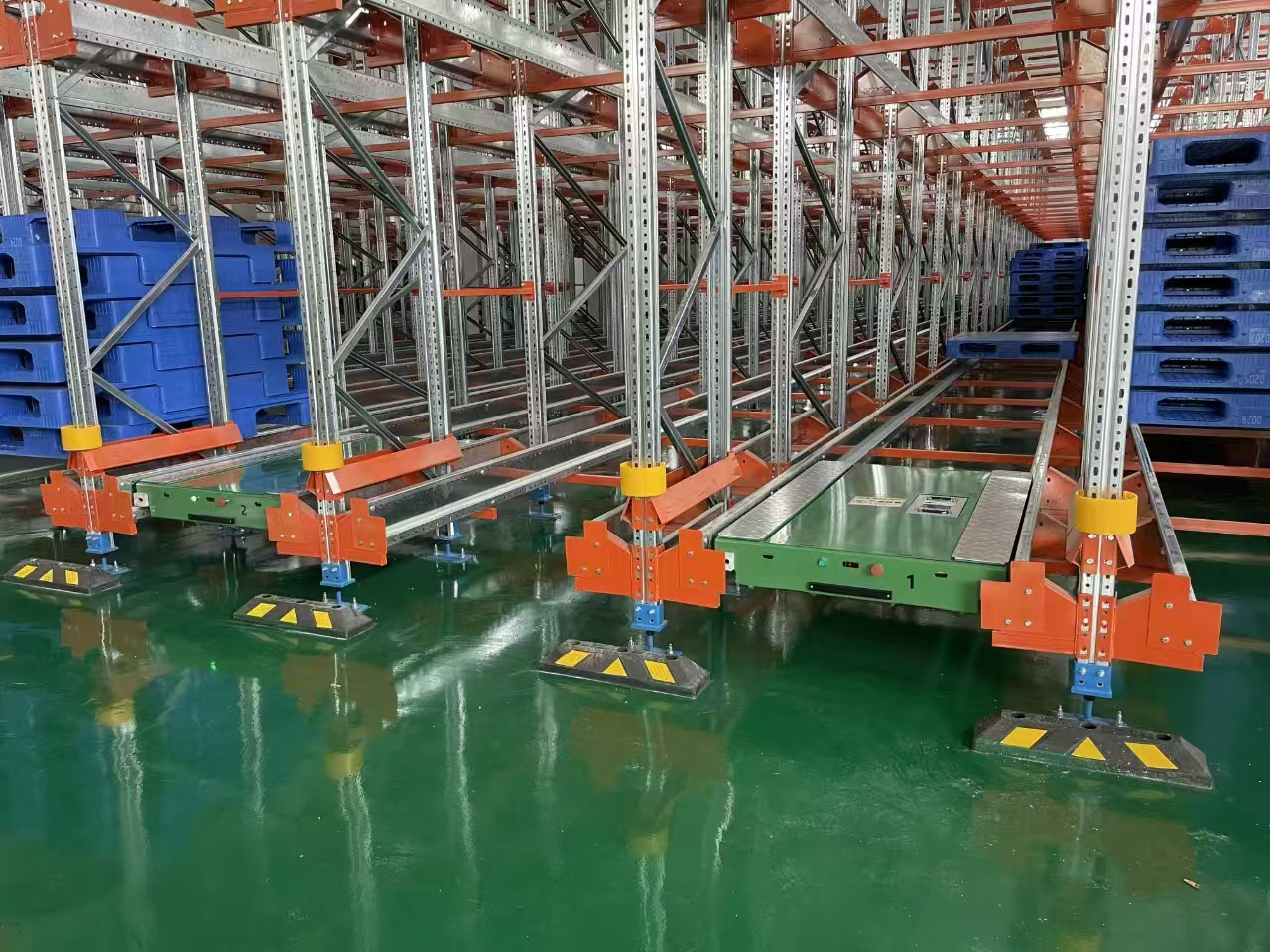
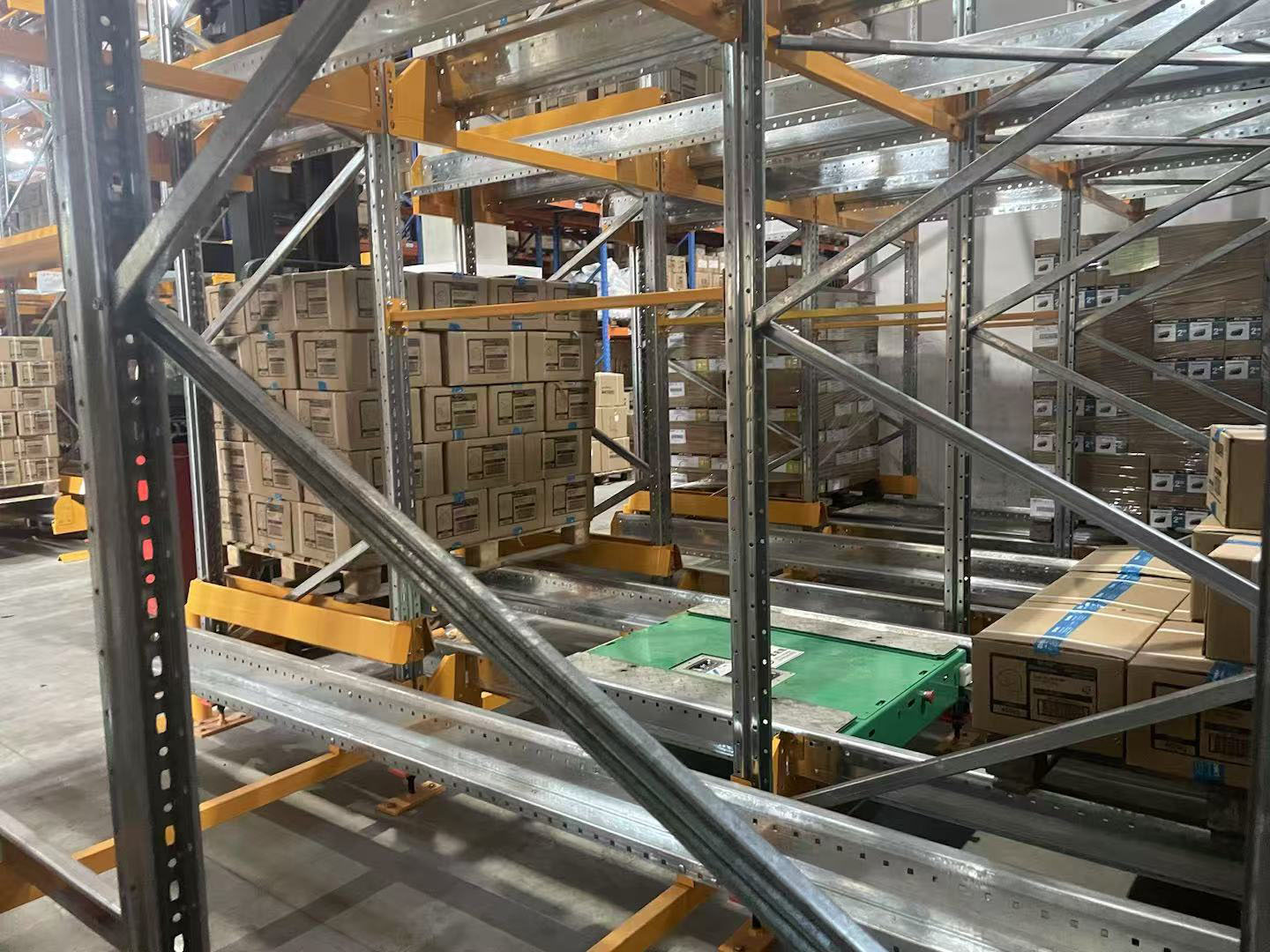
KINGSHELVING’s dense storage shuttle systems operate within precise geometric envelopes and load profiles. Our shuttle-compatible containers feature optimized base geometries that interface reliably with shuttle grippers and lift mechanisms, reinforced corner profiles that withstand the accelerations of high-cycle shuttle traversal, and consistent external dimensions that maximize storage density within rack structures. These containers are not adapted for shuttle operation; they are engineered for it.
Conveyor-Optimized Running Surfaces
Containers traveling on roller and belt conveyors must exhibit predictable friction characteristics, resistance to roller marking, and stable tracking behavior. KINGSHELVING’s conveyor-optimized totes feature texture-controlled running surfaces, anti-static formulations that prevent dust adhesion to sensors, and radiused corners that eliminate snagging at transfer points. Acoustic performance is engineered for low-noise operation, improving workplace ergonomics in 24/7 facilities.
RFID and Barcode Integration
In automated warehouses, the container is not merely a physical carrier—it is an information carrier. KINGSHELVING offers comprehensive identification integration options: pocketed label holders for field-replaceable paper labels, molded-in barcode surfaces optimized for high-speed scanning, and RFID transponder cavities that protect embedded tags from physical damage and electromagnetic interference. Our engineering team collaborates with clients to specify the optimal identification technology for each application, ensuring read rates that exceed 99.9% under real-world operating conditions.
WMS-Enabled Traceability
The identity of a container, linked to its contents and transactional history, is the foundation of inventory accuracy. KINGSHELVING’s container identification solutions are designed for seamless integration with our WMS and WCS platforms, enabling real-time tracking of individual load carriers through receiving, storage, retrieval, and dispatch. For clients utilizing third-party warehouse management systems, our identification schemes conform to industry-standard data structures, facilitating straightforward integration.
Shuttle Compatibility: Purpose-engineered base geometries, corner reinforcement, and dimensional profiles for high-cycle shuttle operations.
Conveyor Optimization: Texture-controlled surfaces, anti-static formulations, low-noise design; engineered for consistent tracking and workplace ergonomics.
Identification Integration: Label pockets, molded barcode surfaces, RFID cavities; exceeding 99.9% read rates in real-world conditions.
WMS Traceability: Real-time container tracking integrated with KINGSHELVING and third-party WMS platforms; foundation of inventory accuracy.
V. Applications Across Industries
KINGSHELVING’s container solutions serve a diverse cross-section of industrial sectors, each with unique operational requirements and material handling profiles. Our engineering team brings deep domain expertise to each application, optimizing container specifications for the specific demands of each client’s products, processes, and automation infrastructure.
Automotive Manufacturing and Supply
The automotive industry operates on just-in-sequence discipline, requiring precise, error-free delivery of components to assembly lines. KINGSHELVING’s automotive totes and pallets feature precise internal partitioning for component segregation, robust stackability for line-side buffering, and RFID integration for VIN-level traceability. Our containers withstand the rigors of cross-border transport, high-bay ASRS storage, and AGV delivery—supporting the industry’s relentless pursuit of production efficiency.
E-Commerce and Omnichannel Fulfillment
E-commerce operations demand high-throughput picking, dense storage of heterogeneous SKUs, and seamless integration with automated sortation systems. KINGSHELVING’s e-commerce totes are lightweight yet durable, optimized for high-velocity manual and robotic picking. Color-coded variants enable intuitive workflow segregation; nestable designs reduce empty transport costs; integrated dividers support multi-line order consolidation within a single container.
Pharmaceutical and Life Sciences
Biopharmaceutical logistics is governed by patient safety and regulatory compliance. KINGSHELVING’s pharma-grade containers are manufactured from FDA-compliant materials, available in cleanroom-compatible formulations, and designed for validated cleaning protocols. Our cold-chain totes maintain dimensional stability at -20°C and -80°C, with optional data-logger integration for continuous temperature monitoring. Full lot traceability is maintained throughout manufacturing, supporting GMP audit requirements.
Food and Beverage Processing
Food-grade containers must resist moisture, fats, and cleaning chemicals while maintaining hygienic surfaces that inhibit bacterial growth. KINGSHELVING’s food and beverage containers are fabricated from food-contact approved polymers, feature smooth, crevice-free interiors for cleanability, and are available in distinctive color families that prevent cross-contamination between raw and finished goods. Our containers withstand high-pressure washdown cycles and temperature excursions from frozen storage to hot-fill applications.
Electronics and High-Value Components
Sensitive electronic components require protection from electrostatic discharge, physical shock, and contamination. KINGSHELVING’s ESD-safe totes and bins provide controlled surface resistivity throughout the product lifecycle, with permanently static-dissipative formulations that do not rely on topical coatings. Custom foam inserts immobilize delicate assemblies during transport and automated handling, while transparent sidewalls enable rapid visual inspection without container opening.
Automotive: Partitioned totes, RFID traceability, stackable line-side buffers; engineered for JIS discipline.
E-Commerce: Lightweight, color-coded, nestable; optimized for high-velocity picking and sortation.
Pharmaceutical: FDA-compliant materials, cleanroom compatibility, validated cleaning; designed for GMP and cold chain.
Food & Beverage: Food-contact approved, crevice-free interiors, washdown-capable; hygienic by design.
Electronics: ESD-safe formulations, custom foam inserts, transparent sidewalls; protecting high-value components.
VI. Lifecycle Partnership: Beyond Product Supply
KINGSHELVING’s commitment to our clients extends far beyond the initial supply of containers. We view our storage media as long-term assets that require ongoing management, optimization, and renewal. Our container lifecycle services are designed to maximize the return on your reusable packaging investment while minimizing operational risk.
Fleet Planning and Rationalization
Container fleets often grow organically, accumulating incompatible sizes, degraded units, and obsolete configurations. KINGSHELVING offers comprehensive fleet assessment services: dimensional auditing, condition inspection, and utilization analysis. We develop rationalization plans that consolidate SKUs, eliminate redundant variants, and replace degraded units—reducing complexity, improving automation compatibility, and lowering total cost of ownership.
Replacement Parts and Repairs
Containers in continuous automated operation experience wear: worn runners, damaged corners, broken dividers, faded labels. KINGSHELVING maintains comprehensive spare parts inventories for all our container product lines, enabling rapid replacement of damaged components without full container replacement. For high-value custom carriers, we offer on-site and depot-level repair services that restore full functionality at a fraction of replacement cost.
Scalability and Surge Support
Seasonal demand peaks, new product introductions, and business expansion all drive temporary or permanent increases in container requirements. KINGSHELVING’s manufacturing capacity and supply chain agility enable us to ramp production rapidly in response to client demand. For clients requiring interim surge capacity, we offer short-term rental programs that bridge the gap between permanent fleet acquisitions.
End-of-Life Recovery
When containers reach the end of their service life, KINGSHELVING provides environmentally responsible disposition options. Our take-back programs process retired containers through advanced shredding and separation systems, recovering high-value polymers for reincorporation into new products. This closed-loop approach diverts waste from landfills, reduces virgin material consumption, and supports our clients’ sustainability commitments.
Fleet Optimization: Assessment, consolidation, and replacement programs; reducing complexity and TCO.
Repair and Spares: Comprehensive parts inventory, on-site and depot-level repair; extending asset life.
Scalability: Rapid production ramp-up, short-term rental programs; responding to demand volatility.
Circular Recovery: Take-back and reprocessing; closing the loop on reusable packaging.
Your Goods. Our Interface. System-Perfect Integration.
The automated warehouse is a symphony of synchronized motion. Cranes traverse aisles; shuttles navigate rails; conveyors merge and diverge; robots pick and place. At the center of this choreography, touched by every piece of automation, is the container.
KINGSHELVING engineers these essential interfaces with the same rigor we apply to our stacker cranes, our shuttle systems, and our control software. We understand that a tote which tracks consistently through a sorter is not merely a container—it is a throughput enabler. A pallet that seats perfectly on a shuttle is not merely a load carrier—it is a reliability guarantee. A bin whose RFID tag reads on every pass is not merely a identifier—it is an inventory accuracy insurance policy.
We do not ask you to accept compromises at the interface between your goods and our automation. We deliver containers, boxes, bins, and pallets that are engineered for alignment, fabricated for consistency, and validated for performance. They are not commodities. They are KINGSHELVING precision tools—and they are the foundation upon which your automated warehouse achieves its full potential.
Your product, our container, perfect integration.