Čeští hráči mají dnes na výběr z desítek online kasin, a proto se vyplatí sledovat nejen výši bonusu, ale i podmínky pro jeho získání. Mezi nejvyhledávanější nabídky patří 10 eur zdarma za registraci, které potěší především začátečníky. Popularitu si drží také 100 free spiny bez vkladu, ideální pro rychlé vyzkoušení automatů bez rizika. Kdo preferuje platbu kartou, může využít 100 kč paysafecard zdarma a zahrát si okamžitě po vložení.
Mnohá kasina lákají nové hráče na 100 kč za registraci automaty, což je skvělý způsob, jak poznat nabídku bez větší investice. Alternativou pro příznivce eura je 20 eur za registraci bez vkladu, případně mezinárodně zaměřený 20 no deposit casino bonus. Nejnižší vstupní bonus nabízí 5 eur zdarma za registraci, vhodný pro testování herních mechanismů.
Před registrací se vždy vyplatí přečíst si hodnocení ostatních hráčů. Podrobný 69 casino recenze odhaluje silné i slabé stránky provozovatele. Zkušenosti s českou značkou shrnuje admiral casino recenze, zatímco milovníky moderních automatů potěší apollo games casino recenze. Díky těmto informacím zvolíte kasino, které odpovídá vašim preferencím i rozpočtu.
Český trh s online kasiny je dnes mimořádně rozmanitý a hráči si mohou vybírat mezi desítkami provozovatelů. Pokud hledáte co nejvýhodnější start, začněte u nabídky, která nevyžaduje žádný vklad – tedy casino bonus za registraci bez vkladu. Právě takové akce vám umožní vyzkoušet provozovatele nanečisto a teprve poté se rozhodnout, zda do hry vložíte vlastní peníze. Vedle toho se vyplatí sledovat i pravidelné casino bonusy, jako jsou free spiny, reload bonusy nebo věrnostní programy pro stálé hráče.
Nabídka herních titulů je opravdu široká – od klasických automatů přes stolní hry až po živé krupiéry. Portály, které se specializují na casino hry, obvykle nabízejí přehledné filtrování podle poskytovatele i volatility, takže si snadno najdete titul odpovídající vaší strategii. Stále více hráčů navíc zkouší bitcoin casino, kde vklady i výběry probíhají v řádu minut a zcela bez zásahu banky.
Před registrací se ale vždy vyplatí zjistit, jak si daný provozovatel stojí u ostatních hráčů. Detailní betor casino recenze vám prozradí, jak rychle se zpracovávají výběry a jak kvalitní je zákaznická podpora. Stejně užitečná je i bonver casino recenze, která shrnuje zkušenosti s bonusovými podmínkami a limity pro výběr výher.
U platebních metod je dobré si předem ověřit, co konkrétní kasino podporuje. Mnoho hráčů preferuje možnost casino minimální vklad 100 kč paysafecard, protože jde o rychlý a anonymní způsob platby bez zadávání údajů o kartě. Jiní zase oceňují casino vklad přes sms cz, který je ideální pro okamžité dobití účtu přímo z mobilu. Pokud hledáte širší výběr provozovatelů a štědřejší podmínky, může být řešením casino online zahraničí, tedy licencované zahraniční kasino, které přijímá i české hráče. A pokud nechcete riskovat ani korunu, pomůže vám automaty bonus za registraci bez vkladu, díky kterému si zahrajete zdarma a bez jakéhokoli vkladu.
Český trh s online hazardními hrami se za poslední roky výrazně proměnil a hráči dnes mají na výběr z desítek licencovaných i zahraničních platforem. Stále více lidí přitom hledá crypto casino, které nabízí rychlé vklady a výběry bez zapojení banky. Než ale vložíte první korunu, vyplatí se projít si forbes casino recenze a porovnat reputaci, licenci i rychlost výplat jednotlivých provozovatelů.
Velkou roli při výběru hraje samozřejmě bonusová nabídka. Pokud chcete mít přehled o aktuálních akcích, sledujte free spiny dnes, protože se obměňují doslova každý týden. Zvláštní kategorií jsou free spiny za registraci bez vkladu, díky nimž si můžete kasino vyzkoušet, aniž byste museli vložit vlastní peníze.
Mezi tradiční české značky, které stojí za pozornost, patří fortuna casino recenze, kde se dočtete o licenci, platebních metodách i zákaznické podpoře. Novější hráči často zvažují grandwin casino recenze a stále častěji se objevuje také kartáč casino recenze, která hodnotí mimo jiné rychlost registrace a bonusové podmínky.
Základem každého kasina jsou pochopitelně hrací automaty, ať už jde o klasické tříválcové přístroje, nebo moderní video automaty s bonusovými funkcemi. Pokud si je chcete nejprve osahat bez rizika, můžete vyzkoušet hrací automaty zdarma 81 nebo režim hrací automaty zdarma neomezeně, v němž si strategii vyzkoušíte tak dlouho, jak budete potřebovat.
Hledáte spolehlivé online casino cz? V našem přehledu najdete ty nejlepší herny pro české hráče. Začněte třeba u luckybet casino recenze, která vám ukáže výhody i nevýhody tohoto provozovatele. Podobně důkladně jsme sepsali i maxa casino recenze, abyste věděli, co očekávat.
Mezi nejlepší online casino patří i nové platformy, které přinášejí svěží vítr do světa hazardu. Pokud vyzkoušíte nové casino online, můžete získat atraktivní vítané nabídky. Pro milovníky mobilního hraní doporučujeme mobilní casino, které je optimalizované pro telefony a tablety.
Velkým lákadlem jsou bonusy bez vkladu. Například nové online casino bonus bez vkladu vám umožní hrát zdarma a vyzkoušet hry před vložením peněz. Specifickou nabídkou je online casino bonus bez vkladu 7, který nabízí sedm eur nebo sedm spinů zdarma. Nezapomeňte si přečíst také nv casino recenze, kde hodnotíme podmínky tohoto bonusu.
Pro ty, kdo chtějí točit online automaty za peníze, je důležité vybrat kasino s vysokou výplatností a rychlými výběry. Věříme, že s naším průvodcem najdete ideální místo pro zábavu i výhry.
V českém prostředí se hráči zajímají nejen o samotné hry, ale také o pohodlné platby a výhodné nabídky. Pokud preferujete platby přes internetovou peněženku, vyplatí se prozkoumat možnosti jako paypal casino, kde lze často vložit vklad rychle a bez složitého ověřování. Alternativu pro ty, kdo chtějí platit předplacenou kartou, představuje paysafecard casino, které ocení zejména hráči dbající na soukromí.
Mezi oblíbené moderní hry patří Plinko a k němu se vážou i atraktivní nabídky. Pokud hledáte možnost vyzkoušet hru bez rizika, určitě vás zaujme plinko bonus bez vkladu. Před registrací se také vyplatí zjistit aktuální promo kód casino, který může navýšit vklad nebo přinést další výhody.
Čeští hráči často srovnávají známé značky. Podrobný sazka casino recenze pomůže posoudit nabídku her, platební metody i zákaznickou podporu. Pro rychlé transakce je vhodné zvážit také skrill casino, které bývá dostupné v řadě online casin.
Před výběrem je dobré číst zkušenosti ostatních. star casino recenze i tokyo casino recenze vám mohou napovědět, jaké bonusy a podmínky jednotlivé platformy nabízejí. Velkou pozornost si zaslouží i nabídky pro nové hráče ze zahraničí, například zahraniční casino bonus bez vkladu nebo zahraniční free spiny bez vkladu, které lze často využít bez prvního vkladu.
V České republice si dnes můžete zahrát prakticky odkudkoli – stačí si vybrat spolehlivý portál a ověřit si licenci. Mezi českými hráči jsou dlouhodobě nejoblíbenější české casino, která nabízejí platby v korunách, českou zákaznickou podporu a bonusy bez zbytečných podmínek. Pokud dáváte přednost atmosféře skutečného stolu, vyplatí se před registrací prostudovat živé casino recenze, kde se dozvíte, jak kvalitní je stream, jak rychlé jsou výplaty a jaké limity sázek můžete očekávat. Ať už hrajete automaty, nebo preferujete live krupiéry, vždy sázejte zodpovědně a jen v mezích svých možností.
Plan: The Strategic Blueprint That Transforms Vision into Executable Reality
Every great automated warehouse begins not with steel, but with a question. Not “Which crane should we buy?” or “How many pallet positions do we need?”—but a more fundamental inquiry: “What business problem are we trying to solve?”
The answer to that question is the seed from which every successful automation project grows. It defines the objectives, constrains the options, and provides the criteria against which every subsequent decision will be measured. Yet this seed, however powerful, is not enough. It requires cultivation—translation from strategic intent into operational requirements, from high-level goals into detailed specifications, from vision into a comprehensive, actionable blueprint.
This translation is the domain of planning. And at KINGSHELVING, planning is not a preliminary formality—it is a rigorous, data-driven discipline that de‑risks your investment, aligns stakeholders, and establishes the foundation for every subsequent phase of design, engineering, and implementation.
Core Positioning: The strategic blueprint that transforms business objectives into an executable automation roadmap; the critical discipline that de‑risks investment and aligns vision with reality.
Strategic Value: Answers the fundamental question “What problem are we solving?” before any equipment is specified; ensures every subsequent decision is measured against clear, agreed objectives.
KINGSHELVING Philosophy: Planning is not a preliminary formality—it is a rigorous, data‑driven discipline that transforms vision into a comprehensive, actionable blueprint.
I. The Planning Imperative: Why Thorough Planning Defines Project Success
The Cost of Insufficient Planning
Inadequate planning is the single largest contributor to automation project failure. When planning is rushed or superficial, the consequences cascade through every subsequent phase:
Scope creep: Undefined objectives allow requirements to expand during execution, inflating costs and delaying completion
Technology mismatch: Equipment selected without thorough requirement analysis proves ill‑suited to actual operational profiles
Integration failures: Interfaces between systems are discovered late, requiring costly rework
Capacity shortfalls: Throughput assumptions prove optimistic, leaving facilities unable to meet demand
Budget overruns: Unforeseen requirements and change orders consume contingency reserves and erode ROI
The ROI of Rigorous Planning
Conversely, thorough planning delivers measurable returns:
Reduced project risk: Clear objectives and validated requirements eliminate uncertainty
Faster implementation: Well‑defined scope and specifications accelerate procurement, engineering, and installation
Lower total cost: Optimal technology selection and integration design minimize capital and operating expenses
Predictable outcomes: Performance, capacity, and budget are established with confidence before commitments are made
Stakeholder alignment: All parties share a common understanding of objectives, expectations, and success criteria
The Planning Timeline
Effective planning is not a single event—it is a phased process that unfolds before any equipment is ordered or steel is fabricated:
| Phase | Purpose | Key Activities | Deliverables |
|---|---|---|---|
| Discovery | Understand business drivers, operational context, and constraints | Stakeholder interviews, site visits, data collection | Project charter, initial requirements document |
| Analysis | Quantify current operations, model future scenarios | SKU profiling, order analysis, throughput modeling | Baseline metrics, demand forecasts |
| Concept Development | Generate and evaluate alternative solutions | Technology assessment, layout options, cost modeling | Concept alternatives with pros/cons |
| Feasibility Validation | Test preferred concepts against real-world constraints | Simulation, vendor consultations, site surveys | Feasibility report, risk assessment |
| Requirements Definition | Specify detailed functional and technical requirements | Requirements workshops, specification writing | Functional specification, RFP documents |
Inadequate planning is the leading cause of project failure—scope creep, technology mismatch, integration failures, capacity shortfalls, budget overruns.
Rigorous planning delivers measurable ROI: reduced risk, faster implementation, lower total cost, predictable outcomes, stakeholder alignment.
Planning is a phased process: Discovery → Analysis → Concept Development → Feasibility Validation → Requirements Definition.
II. Discovery: Understanding Your Business and Operations
Stakeholder Alignment
Planning begins with people. KINGSHELVING’s discovery phase engages all stakeholders whose perspectives shape project success:
Executive sponsors: Strategic objectives, investment criteria, success metrics
Operations management: Current challenges, improvement priorities, operational constraints
IT leadership: System integration requirements, technology standards, security policies
Finance: Budget parameters, approval thresholds, ROI expectations
End users: Daily workflows, pain points, ergonomic considerations
Through structured interviews and facilitated workshops, we build a shared understanding of what success looks like—and what obstacles must be overcome to achieve it.
Operational Context
Every warehouse operates within a unique context that shapes its automation requirements:
Facility characteristics: Building dimensions, column spacing, ceiling height, floor capacity, dock configuration, expansion potential
Material characteristics: SKU count, dimensions, weights, packaging, shelf life, special handling requirements (cold chain, hazardous, ESD)
Flow characteristics: Receiving patterns, storage profiles, order profiles, throughput requirements, seasonality
Labor context: Workforce availability, skill levels, shift patterns, labor costs
Regulatory environment: Industry regulations, safety standards, compliance requirements
Data Collection
Planning is only as good as the data on which it is based. KINGSHELVING’s discovery phase collects comprehensive operational data:
Historical order data: 12–24 months of order history, analyzed for patterns, trends, and variability
SKU master data: Dimensions, weights, velocities, storage requirements
Inventory data: Current storage utilization, turnover rates, ABC distribution
Process documentation: Standard operating procedures, workflow diagrams, labor standards
Facility documentation: CAD drawings, structural plans, utility layouts
Stakeholder alignment ensures all perspectives are understood and success criteria are shared.
Operational context encompasses facility, material, flow, labor, and regulatory dimensions.
Data collection provides the factual foundation for all subsequent analysis—order history, SKU master, inventory, processes, facility.
III. Analysis: Quantifying Current Operations and Future Requirements
SKU Profiling
Not all SKUs are equal. Effective automation design requires understanding the distribution of SKU characteristics, not just averages:
Velocity analysis: ABC classification based on movement frequency—identifying fast‑movers, medium‑movers, and slow‑movers
Dimension analysis: Distribution of case and pallet sizes—identifying standard vs. exception SKUs
Weight analysis: Load distribution—ensuring equipment capacity matches actual requirements
Storage requirement analysis: Special storage needs (cold chain, hazardous, ESD)—segregation requirements
Order Profiling
Order characteristics determine picking and fulfillment strategies:
Order size distribution: Lines per order, units per line—determining picking methodology (single, batch, zone)
Order composition: Mix of SKU velocities within orders—influencing slotting and replenishment
Temporal patterns: Hourly, daily, seasonal order profiles—defining peak capacity requirements
Cut‑off times: Order release schedules—determining wave planning and throughput timing
Throughput Modeling
With SKU and order profiles understood, KINGSHELVING models current and future throughput requirements:
Inbound throughput: Receiving volume, putaway transactions—defining receiving and putaway capacity
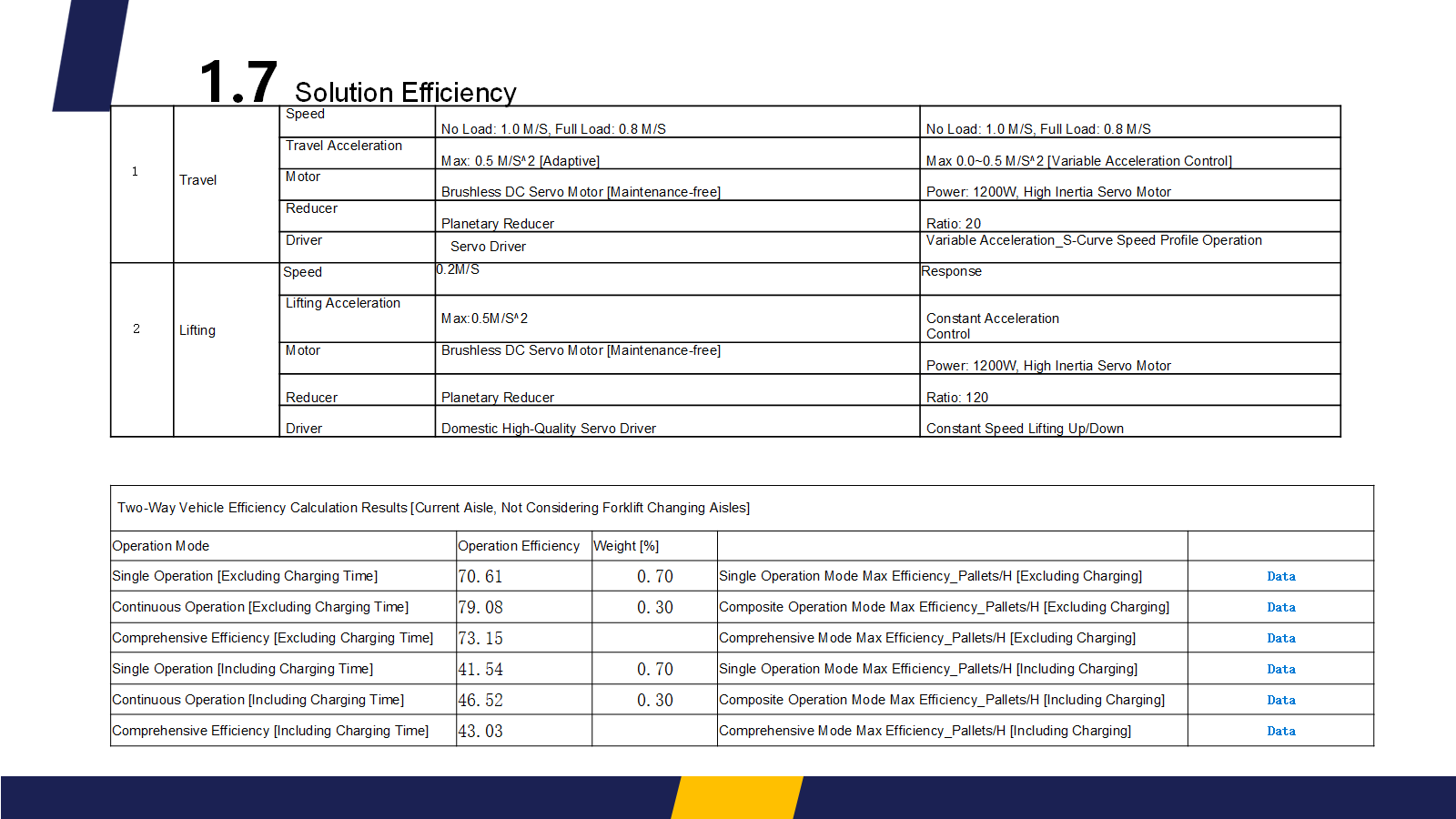
Storage throughput: Pallet-in/pallet-out rates—determining ASRS transaction requirements
Picking throughput: Order lines per hour—sizing picking zones and workstations
Outbound throughput: Packing and shipping volumes—defining packing capacity and dock requirements
Peak vs. average: Identifying design basis—peak period (seasonal, promotional) defines required capacity
Gap Analysis
Comparing current capabilities with future requirements identifies the gaps that automation must fill:
Capacity gaps: Current throughput vs. projected demand
Performance gaps: Current accuracy, speed, cost vs. target metrics
Space gaps: Current storage density vs. required capacity
Labor gaps: Current workforce vs. projected requirements
Technology gaps: Current systems vs. required capabilities
SKU profiling reveals the true distribution of item characteristics—velocity, dimension, weight, special requirements.
Order profiling defines picking and fulfillment strategies—order size, composition, temporal patterns, cut‑off times.
Throughput modeling quantifies current and future transaction volumes across all warehouse processes.
Gap analysis identifies the specific deficiencies that automation must address—capacity, performance, space, labor, technology.
IV. Concept Development: Generating and Evaluating Alternatives
Technology Assessment
With requirements quantified, KINGSHELVING evaluates the spectrum of applicable automation technologies:
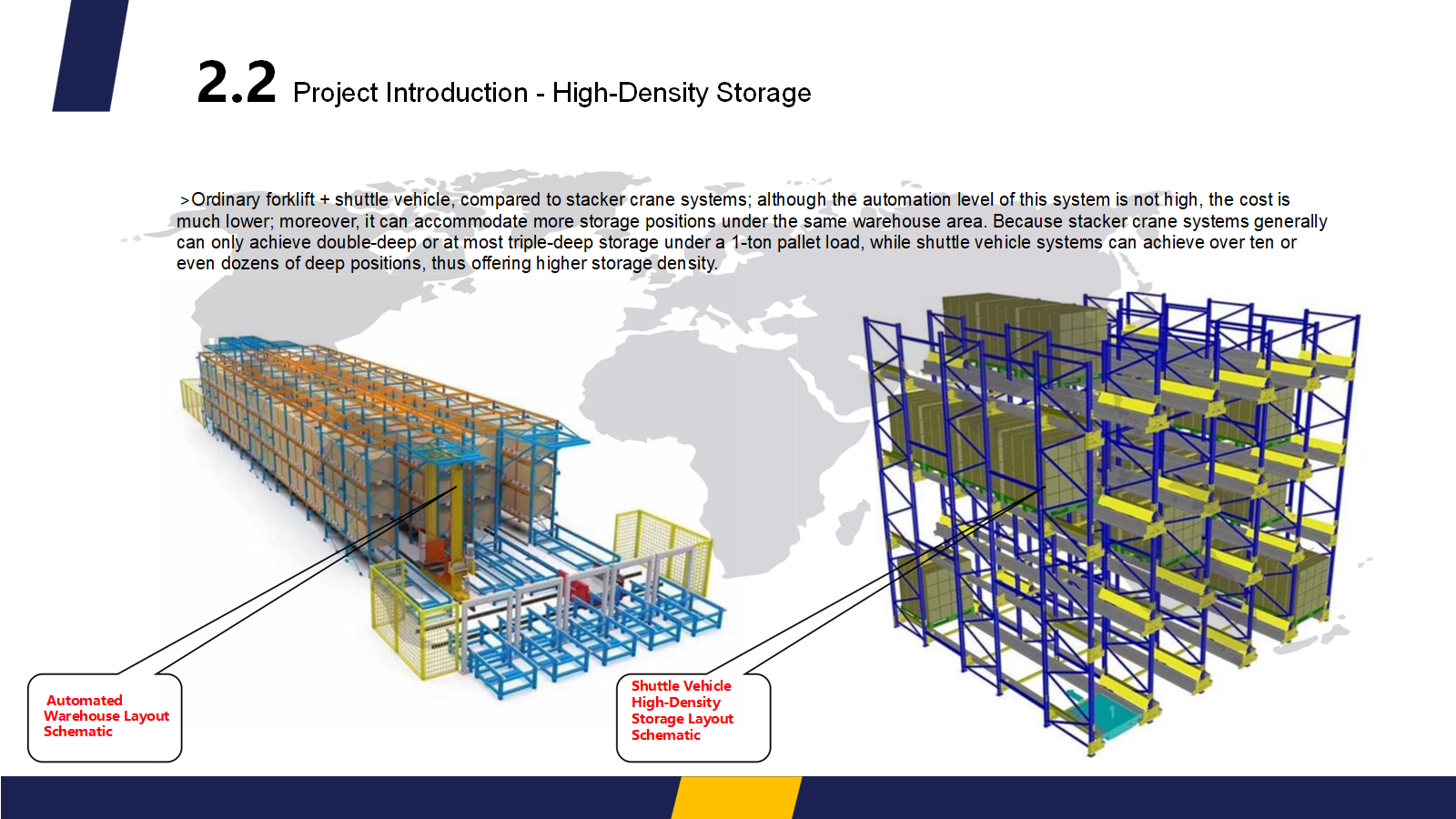
Storage technologies: Selective rack, double‑deep, push‑back, drive‑in, pallet shuttle, ASRS stacker crane, miniload, VLM, carousel
Transport technologies: Conveyor (roller, belt, chain), AGV, AMR, RGV, lift
Picking technologies: Pick‑to‑light, put‑to‑light, voice, vision, goods‑to‑person, robotic picking
Sortation technologies: Cross‑belt, tilt‑tray, sliding shoe, pusher, pop‑up
Software technologies: WMS, WCS, WES, labor management, analytics
Each technology is assessed against the project’s specific requirements, not generic “best practices.”
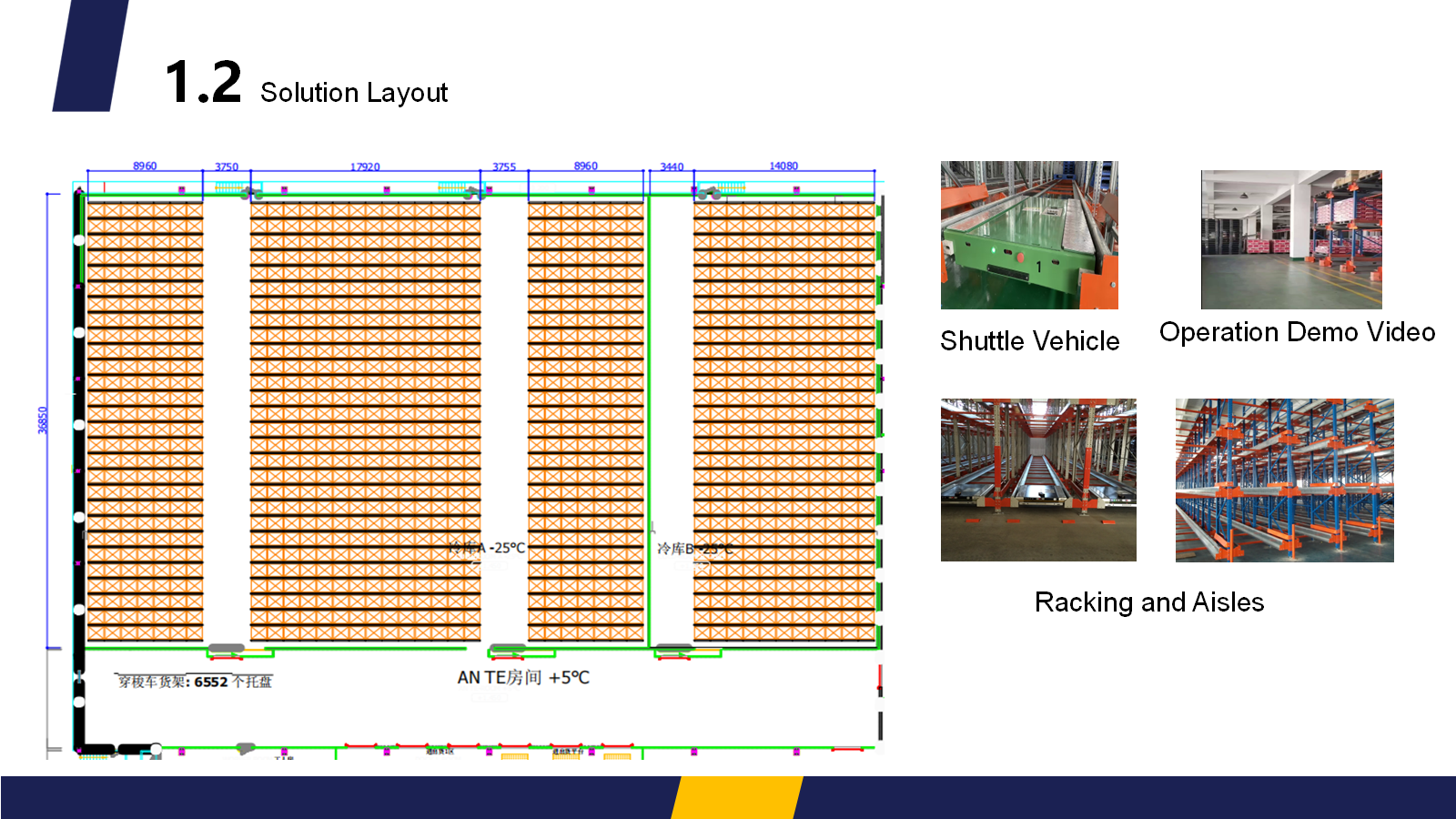
Layout Development
Technology concepts are translated into physical layouts:
Space allocation: Receiving, storage, picking, packing, shipping, support areas sized to throughput requirements
Flow design: Material paths optimized for distance, congestion, and process sequence
Equipment placement: Cranes positioned, conveyor networks routed, workstations located for ergonomic efficiency
Integration points: Handoffs between systems designed for smooth, deterministic material flow
Multiple layout options are developed, each with distinct trade‑offs in cost, throughput, flexibility, and expandability.
Cost Modeling
Each concept is translated into a detailed cost estimate:
Capital equipment costs: Racking, cranes, shuttles, conveyors, sorters, workstations, software licenses
Installation costs: Site preparation, equipment installation, integration, commissioning
Operating costs: Energy consumption, maintenance, labor, supplies
Lifecycle costs: Total cost of ownership over 10–15 years, including replacement and upgrade costs
Benefit Quantification
Concurrent with cost modeling, KINGSHELVING quantifies expected benefits:
Productivity improvement: Labor hours saved, throughput increased
Space efficiency: Storage density gain, footprint reduction
Accuracy improvement: Error reduction, returns reduction
Service level improvement: Order cycle time reduction, cut‑off compliance
Risk reduction: Safety improvement, contingency capacity
Technology assessment matches applicable automation types to quantified requirements.
Layout development translates concepts into physical designs with optimized flow and integration.
Cost modeling provides detailed capital, installation, operating, and lifecycle cost estimates.
Benefit quantification projects productivity, space, accuracy, service, and risk improvements.
V. Feasibility Validation: Testing Concepts Against Reality
Simulation Modeling
Before committing to a concept, KINGSHELVING validates its performance through discrete‑event simulation:
Throughput validation: Model runs confirm that proposed systems can achieve required transaction rates under realistic operating conditions
Bottleneck identification: Simulation reveals hidden constraints—merge congestion, lift capacity, workstation starvation
Sensitivity analysis: Models test system performance under varying conditions—order profiles, equipment availability, seasonality
What‑if scenarios: Alternative configurations are compared to identify the most robust solution
Simulation provides empirical evidence, not theoretical estimates, of system performance.
Site Surveys
Conceptual layouts must be validated against physical reality:
Structural surveys: Column locations, floor flatness, ceiling height, load capacity verified
Utility surveys: Power distribution, data network, lighting, HVAC capacity confirmed
Access surveys: Dock dimensions, truck maneuvering, staging areas assessed
Environmental surveys: Temperature ranges, humidity, dust, vibration measured
Vendor Consultations
For technologies where multiple vendors are viable, KINGSHELVING engages with potential suppliers:
Capability confirmation: Vendor equipment specifications matched to requirements
Performance validation: Cycle times, accuracy, reliability data reviewed
Integration assessment: Compatibility with other systems and control architecture confirmed
Commercial alignment: Pricing models, lead times, warranty terms established
Risk Assessment
Every project carries risk. KINGSHELVING’s feasibility phase systematically identifies and mitigates potential risks:
Technical risk: Unproven technology, integration complexity, performance uncertainty
Schedule risk: Long lead items, installation complexity, critical path dependencies
Cost risk:
Operational risk: Disruption during implementation, transition challenges
Organizational risk: Change readiness, training requirements, adoption barriers
For each identified risk, mitigation strategies are developed—design alternatives, contingency plans, staged implementation, enhanced testing.
Simulation modeling provides empirical validation of throughput, identifies bottlenecks, and tests sensitivity.
Site surveys verify physical conditions against conceptual assumptions—structure, utilities, access, environment.
Vendor consultations confirm equipment capabilities, performance, integration, and commercial terms.
Risk assessment systematically identifies and mitigates technical, schedule, cost, operational, and organizational risks.
VI. Requirements Definition: The Blueprint for Execution
Functional Specification
The culmination of planning is a comprehensive functional specification that guides all subsequent phases:
Operational requirements: Throughput volumes, service levels, accuracy targets, operating hours
Process definitions: Detailed workflows for receiving, putaway, storage, picking, packing, shipping
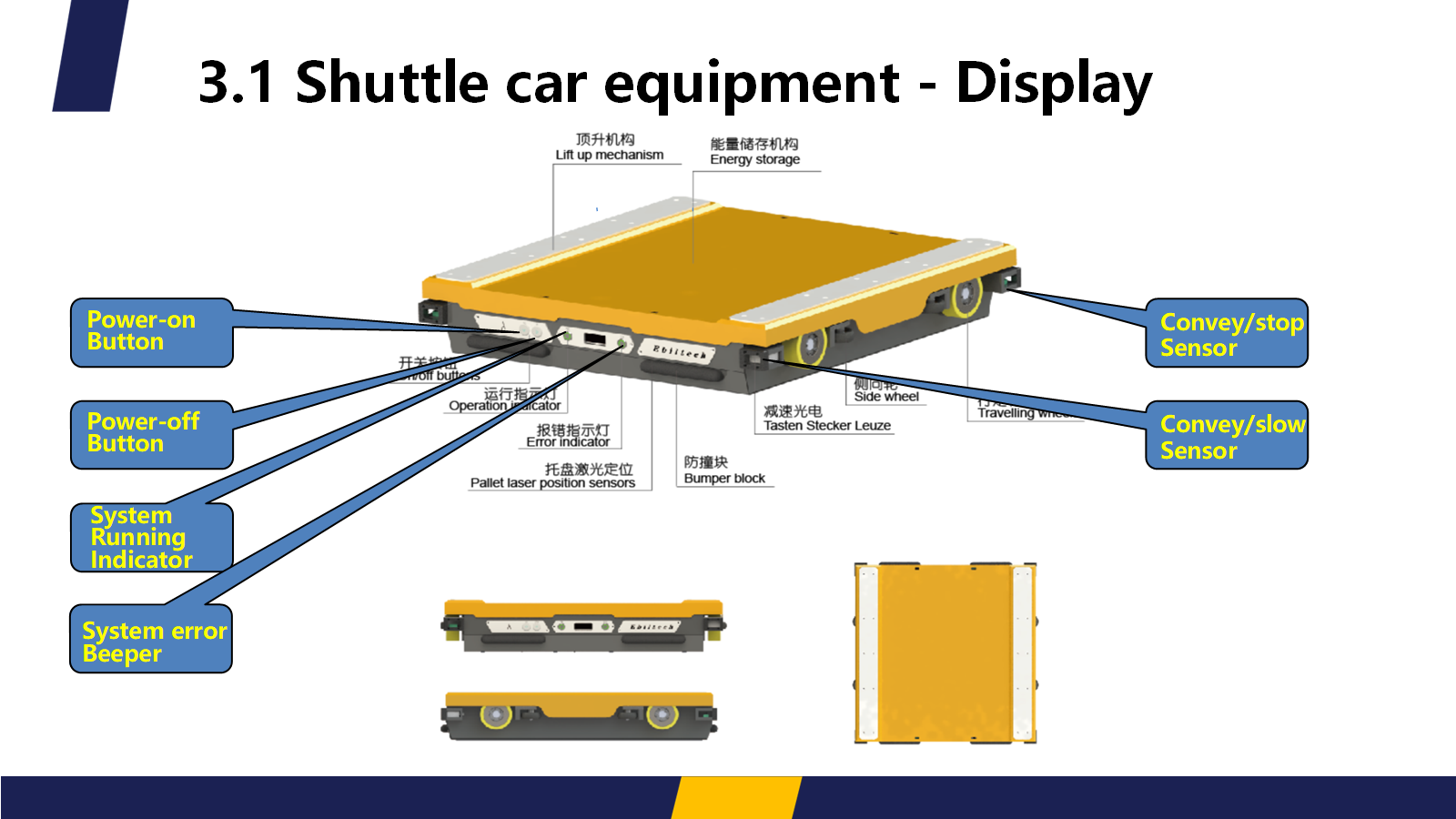
Equipment specifications: Type, quantity, performance parameters, configuration of all automation systems
Software requirements: WMS, WCS, WES functionality, integration interfaces, user interfaces
Facility requirements: Structural modifications, power distribution, network infrastructure, environmental controls
Performance criteria: Acceptance test definitions, success metrics, service level agreements
RFP Documentation
For projects where multiple suppliers will bid, KINGSHELVING prepares comprehensive request‑for‑proposal documentation:
Scope definition: Clear, unambiguous description of what is to be delivered
Technical specifications: Detailed requirements for all systems and components
Commercial terms: Pricing structure, payment milestones, warranty conditions
Evaluation criteria: Transparent basis for proposal comparison and selection
Submission requirements: Format, content, and deadline for proposals
Stakeholder Approval
Before proceeding to procurement, the plan must be reviewed and approved by all stakeholders:
Executive approval: Strategic alignment, investment justification, ROI validation
Operational approval: Workability, user acceptance, transition readiness
Financial approval: Budget confirmation, funding availability
Regulatory approval: Compliance with applicable codes, standards, and regulations
The Planning Deliverable
The complete planning deliverable is a comprehensive document (or set of documents) that serves as the single source of truth for the project:
Executive summary: High‑level overview for decision‑makers
Requirements documentation: Detailed functional and technical specifications
Concept design: Layout drawings, flow diagrams, equipment lists
Financial analysis: Cost estimates, benefit projections, ROI calculations
Risk assessment: Identified risks and mitigation strategies
Implementation roadmap: Phased plan, timeline, resource requirements
Functional specification translates planning outputs into detailed requirements for all systems and processes.
RFP documentation enables competitive bidding when multiple suppliers will be engaged.
Stakeholder approval ensures alignment and commitment before proceeding to procurement.
The planning deliverable serves as the single source of truth for the entire project lifecycle.
VII. The KINGSHELVING Planning Advantage
Data‑Driven, Not Opinion‑Based
KINGSHELVING’s planning discipline is rooted in data, not intuition. Every recommendation is supported by quantitative analysis—SKU profiling, order analysis, throughput modeling, simulation results. We do not ask you to trust our judgment; we ask you to review our analysis.
Technology‑Neutral, Not Vendor‑Locked
Unlike integrators who represent specific equipment lines, KINGSHELVING’s planning is technology‑neutral. We evaluate the full spectrum of applicable technologies and recommend the optimal solution for your requirements—not the solution that maximizes our equipment sales. This objectivity ensures that your plan is based on what is best for your operation, not what is best for our inventory.
Collaborative, Not Prescriptive
KINGSHELVING does not plan in isolation. Our process engages your stakeholders throughout—validating assumptions, refining requirements, building consensus. The resulting plan reflects not only our expertise but your operational knowledge. It is a plan you own, not a plan we impose.
Scalable, Not One‑Size‑Fits‑All
KINGSHELVING’s planning methodology scales to projects of any size and complexity. Whether you are automating a single storage zone or designing a greenfield distribution center, our disciplined approach ensures thoroughness without over‑engineering. The level of detail is calibrated to your project’s risk profile and investment magnitude.
Future‑Proofed, Not Static
A good plan anticipates the future. KINGSHELVING’s planning explicitly considers growth scenarios, technology evolution, and operational flexibility. Your plan includes not only the immediate implementation but a roadmap for future expansion and adaptation—protecting your investment against obsolescence.
Your Vision. Our Plan. Success Engineered.
The automated warehouse that performs flawlessly on go‑live day did not happen by accident. It was planned—meticulously, rigorously, collaboratively—long before the first order was placed or the first beam was fabricated. Every successful project is, at its core, the execution of a sound plan.
KINGSHELVING’s planning discipline delivers that sound plan. It transforms your business objectives into a comprehensive blueprint, validated by data, tested by simulation, and aligned with your stakeholders. It de‑risks your investment, accelerates your implementation, and ensures that every dollar you spend on automation delivers the return you expect.
When you engage KINGSHELVING for planning, you are not merely purchasing a study. You are investing in certainty—the confidence that your automation project will succeed because its foundation was built on rigorous analysis, collaborative design, and proven methodology.
Your vision. Our plan. Success, engineered from the start.