Čeští hráči mají dnes na výběr z desítek online kasin, a proto se vyplatí sledovat nejen výši bonusu, ale i podmínky pro jeho získání. Mezi nejvyhledávanější nabídky patří 10 eur zdarma za registraci, které potěší především začátečníky. Popularitu si drží také 100 free spiny bez vkladu, ideální pro rychlé vyzkoušení automatů bez rizika. Kdo preferuje platbu kartou, může využít 100 kč paysafecard zdarma a zahrát si okamžitě po vložení.
Mnohá kasina lákají nové hráče na 100 kč za registraci automaty, což je skvělý způsob, jak poznat nabídku bez větší investice. Alternativou pro příznivce eura je 20 eur za registraci bez vkladu, případně mezinárodně zaměřený 20 no deposit casino bonus. Nejnižší vstupní bonus nabízí 5 eur zdarma za registraci, vhodný pro testování herních mechanismů.
Před registrací se vždy vyplatí přečíst si hodnocení ostatních hráčů. Podrobný 69 casino recenze odhaluje silné i slabé stránky provozovatele. Zkušenosti s českou značkou shrnuje admiral casino recenze, zatímco milovníky moderních automatů potěší apollo games casino recenze. Díky těmto informacím zvolíte kasino, které odpovídá vašim preferencím i rozpočtu.
Český trh s online kasiny je dnes mimořádně rozmanitý a hráči si mohou vybírat mezi desítkami provozovatelů. Pokud hledáte co nejvýhodnější start, začněte u nabídky, která nevyžaduje žádný vklad – tedy casino bonus za registraci bez vkladu. Právě takové akce vám umožní vyzkoušet provozovatele nanečisto a teprve poté se rozhodnout, zda do hry vložíte vlastní peníze. Vedle toho se vyplatí sledovat i pravidelné casino bonusy, jako jsou free spiny, reload bonusy nebo věrnostní programy pro stálé hráče.
Nabídka herních titulů je opravdu široká – od klasických automatů přes stolní hry až po živé krupiéry. Portály, které se specializují na casino hry, obvykle nabízejí přehledné filtrování podle poskytovatele i volatility, takže si snadno najdete titul odpovídající vaší strategii. Stále více hráčů navíc zkouší bitcoin casino, kde vklady i výběry probíhají v řádu minut a zcela bez zásahu banky.
Před registrací se ale vždy vyplatí zjistit, jak si daný provozovatel stojí u ostatních hráčů. Detailní betor casino recenze vám prozradí, jak rychle se zpracovávají výběry a jak kvalitní je zákaznická podpora. Stejně užitečná je i bonver casino recenze, která shrnuje zkušenosti s bonusovými podmínkami a limity pro výběr výher.
U platebních metod je dobré si předem ověřit, co konkrétní kasino podporuje. Mnoho hráčů preferuje možnost casino minimální vklad 100 kč paysafecard, protože jde o rychlý a anonymní způsob platby bez zadávání údajů o kartě. Jiní zase oceňují casino vklad přes sms cz, který je ideální pro okamžité dobití účtu přímo z mobilu. Pokud hledáte širší výběr provozovatelů a štědřejší podmínky, může být řešením casino online zahraničí, tedy licencované zahraniční kasino, které přijímá i české hráče. A pokud nechcete riskovat ani korunu, pomůže vám automaty bonus za registraci bez vkladu, díky kterému si zahrajete zdarma a bez jakéhokoli vkladu.
Český trh s online hazardními hrami se za poslední roky výrazně proměnil a hráči dnes mají na výběr z desítek licencovaných i zahraničních platforem. Stále více lidí přitom hledá crypto casino, které nabízí rychlé vklady a výběry bez zapojení banky. Než ale vložíte první korunu, vyplatí se projít si forbes casino recenze a porovnat reputaci, licenci i rychlost výplat jednotlivých provozovatelů.
Velkou roli při výběru hraje samozřejmě bonusová nabídka. Pokud chcete mít přehled o aktuálních akcích, sledujte free spiny dnes, protože se obměňují doslova každý týden. Zvláštní kategorií jsou free spiny za registraci bez vkladu, díky nimž si můžete kasino vyzkoušet, aniž byste museli vložit vlastní peníze.
Mezi tradiční české značky, které stojí za pozornost, patří fortuna casino recenze, kde se dočtete o licenci, platebních metodách i zákaznické podpoře. Novější hráči často zvažují grandwin casino recenze a stále častěji se objevuje také kartáč casino recenze, která hodnotí mimo jiné rychlost registrace a bonusové podmínky.
Základem každého kasina jsou pochopitelně hrací automaty, ať už jde o klasické tříválcové přístroje, nebo moderní video automaty s bonusovými funkcemi. Pokud si je chcete nejprve osahat bez rizika, můžete vyzkoušet hrací automaty zdarma 81 nebo režim hrací automaty zdarma neomezeně, v němž si strategii vyzkoušíte tak dlouho, jak budete potřebovat.
Hledáte spolehlivé online casino cz? V našem přehledu najdete ty nejlepší herny pro české hráče. Začněte třeba u luckybet casino recenze, která vám ukáže výhody i nevýhody tohoto provozovatele. Podobně důkladně jsme sepsali i maxa casino recenze, abyste věděli, co očekávat.
Mezi nejlepší online casino patří i nové platformy, které přinášejí svěží vítr do světa hazardu. Pokud vyzkoušíte nové casino online, můžete získat atraktivní vítané nabídky. Pro milovníky mobilního hraní doporučujeme mobilní casino, které je optimalizované pro telefony a tablety.
Velkým lákadlem jsou bonusy bez vkladu. Například nové online casino bonus bez vkladu vám umožní hrát zdarma a vyzkoušet hry před vložením peněz. Specifickou nabídkou je online casino bonus bez vkladu 7, který nabízí sedm eur nebo sedm spinů zdarma. Nezapomeňte si přečíst také nv casino recenze, kde hodnotíme podmínky tohoto bonusu.
Pro ty, kdo chtějí točit online automaty za peníze, je důležité vybrat kasino s vysokou výplatností a rychlými výběry. Věříme, že s naším průvodcem najdete ideální místo pro zábavu i výhry.
V českém prostředí se hráči zajímají nejen o samotné hry, ale také o pohodlné platby a výhodné nabídky. Pokud preferujete platby přes internetovou peněženku, vyplatí se prozkoumat možnosti jako paypal casino, kde lze často vložit vklad rychle a bez složitého ověřování. Alternativu pro ty, kdo chtějí platit předplacenou kartou, představuje paysafecard casino, které ocení zejména hráči dbající na soukromí.
Mezi oblíbené moderní hry patří Plinko a k němu se vážou i atraktivní nabídky. Pokud hledáte možnost vyzkoušet hru bez rizika, určitě vás zaujme plinko bonus bez vkladu. Před registrací se také vyplatí zjistit aktuální promo kód casino, který může navýšit vklad nebo přinést další výhody.
Čeští hráči často srovnávají známé značky. Podrobný sazka casino recenze pomůže posoudit nabídku her, platební metody i zákaznickou podporu. Pro rychlé transakce je vhodné zvážit také skrill casino, které bývá dostupné v řadě online casin.
Před výběrem je dobré číst zkušenosti ostatních. star casino recenze i tokyo casino recenze vám mohou napovědět, jaké bonusy a podmínky jednotlivé platformy nabízejí. Velkou pozornost si zaslouží i nabídky pro nové hráče ze zahraničí, například zahraniční casino bonus bez vkladu nebo zahraniční free spiny bez vkladu, které lze často využít bez prvního vkladu.
V České republice si dnes můžete zahrát prakticky odkudkoli – stačí si vybrat spolehlivý portál a ověřit si licenci. Mezi českými hráči jsou dlouhodobě nejoblíbenější české casino, která nabízejí platby v korunách, českou zákaznickou podporu a bonusy bez zbytečných podmínek. Pokud dáváte přednost atmosféře skutečného stolu, vyplatí se před registrací prostudovat živé casino recenze, kde se dozvíte, jak kvalitní je stream, jak rychlé jsou výplaty a jaké limity sázek můžete očekávat. Ať už hrajete automaty, nebo preferujete live krupiéry, vždy sázejte zodpovědně a jen v mezích svých možností.
Stacker Crane: The Precision Vertical Workhorse of Automated High-Bay Storage
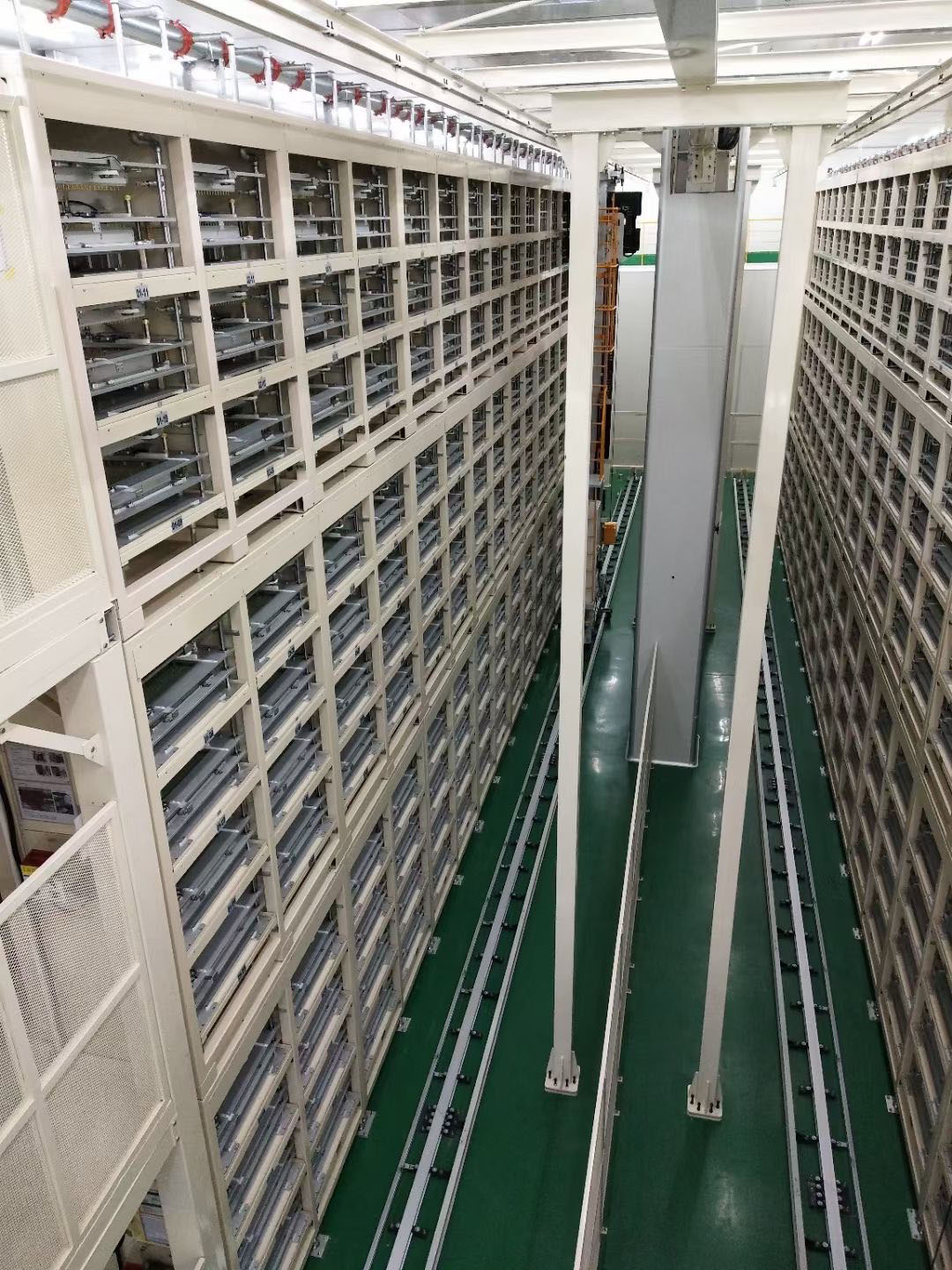
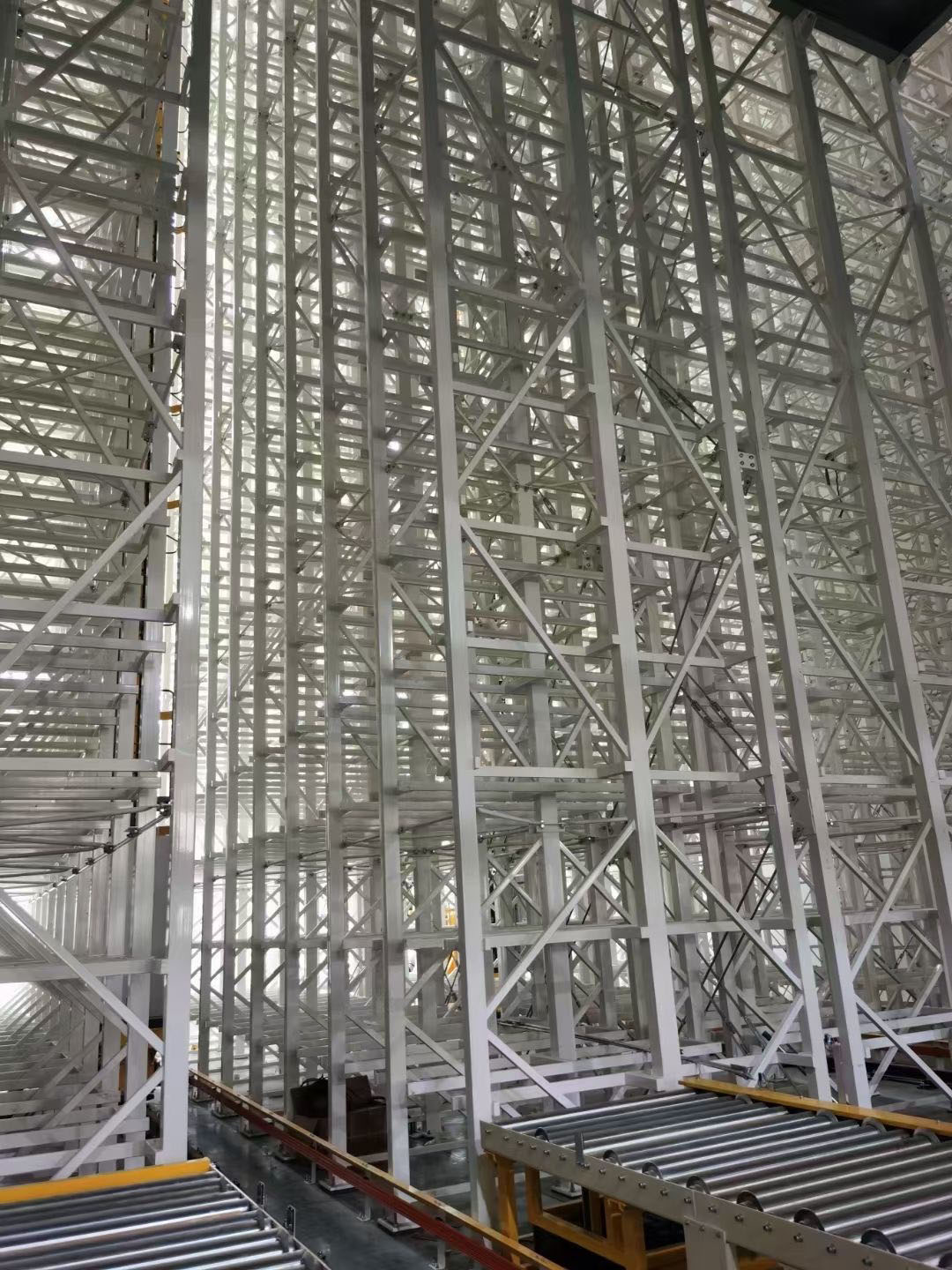
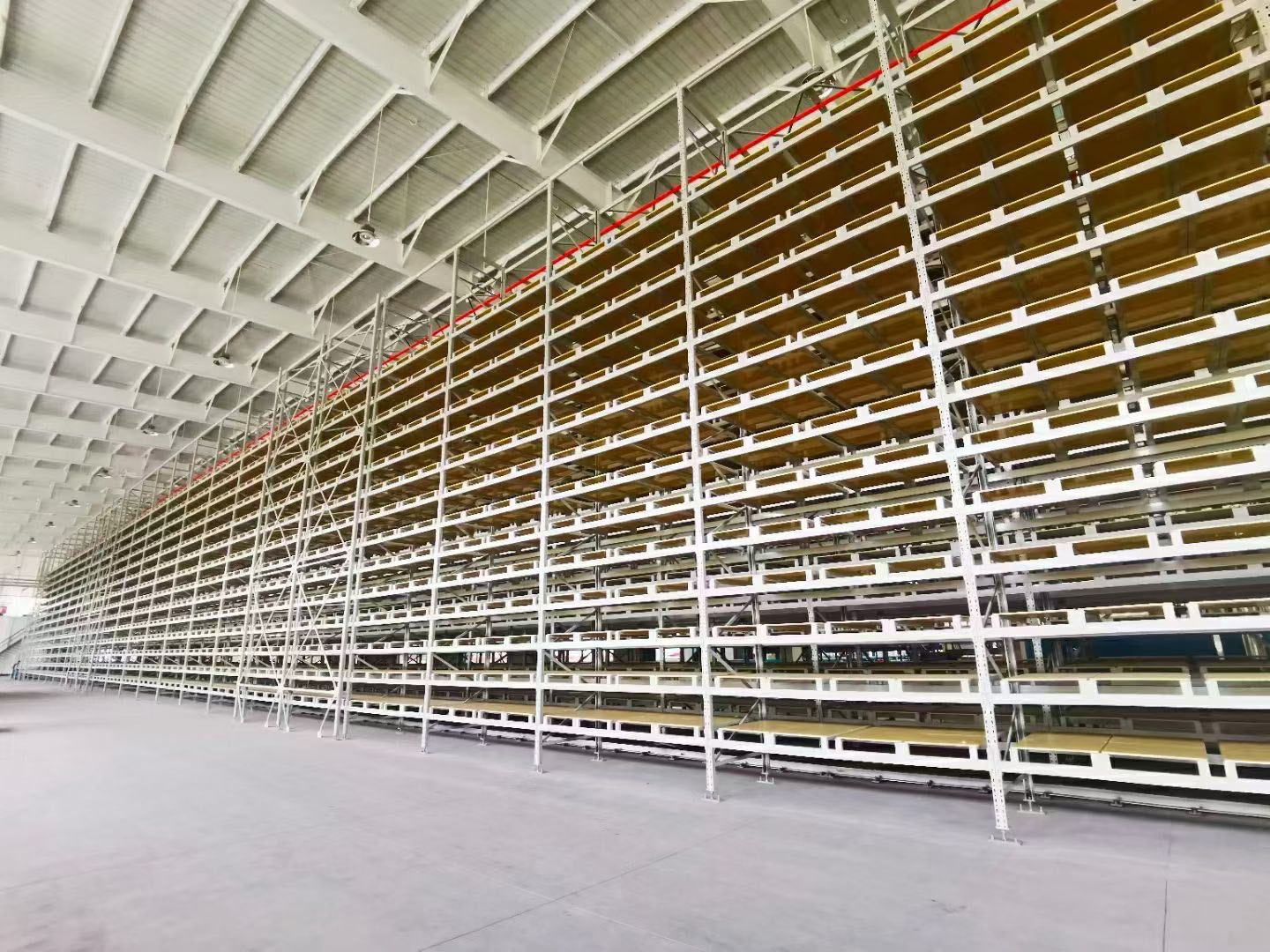
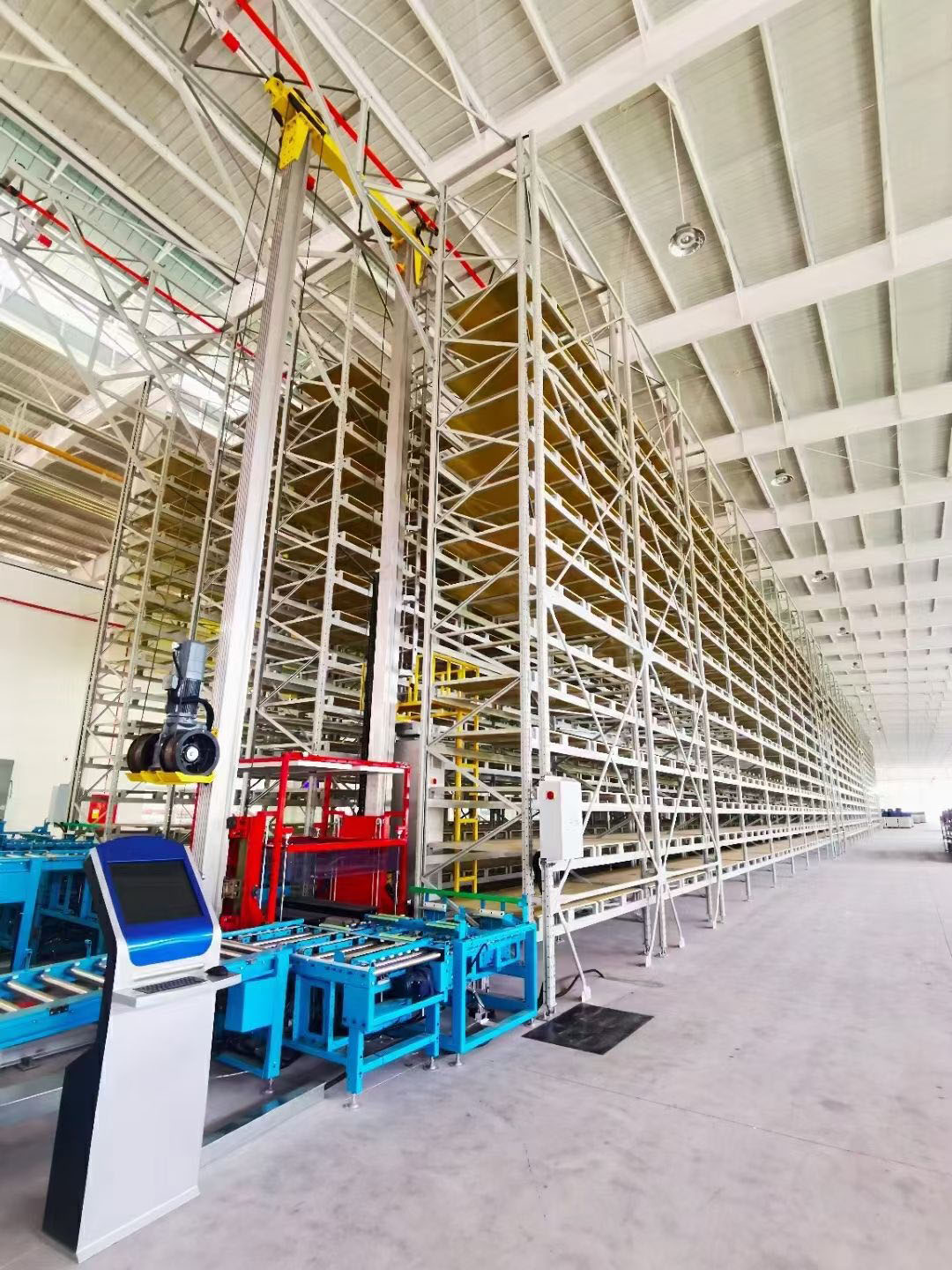
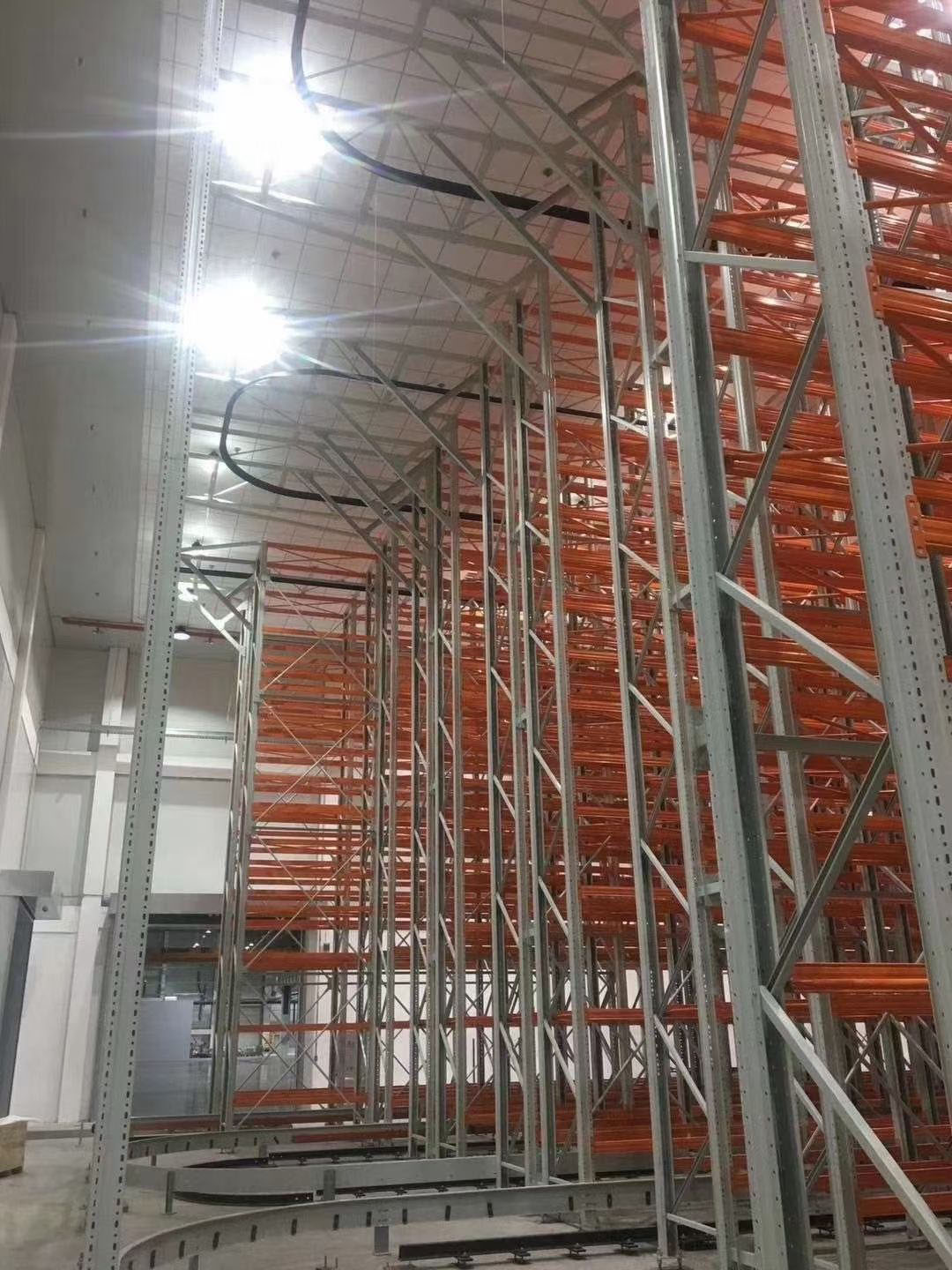
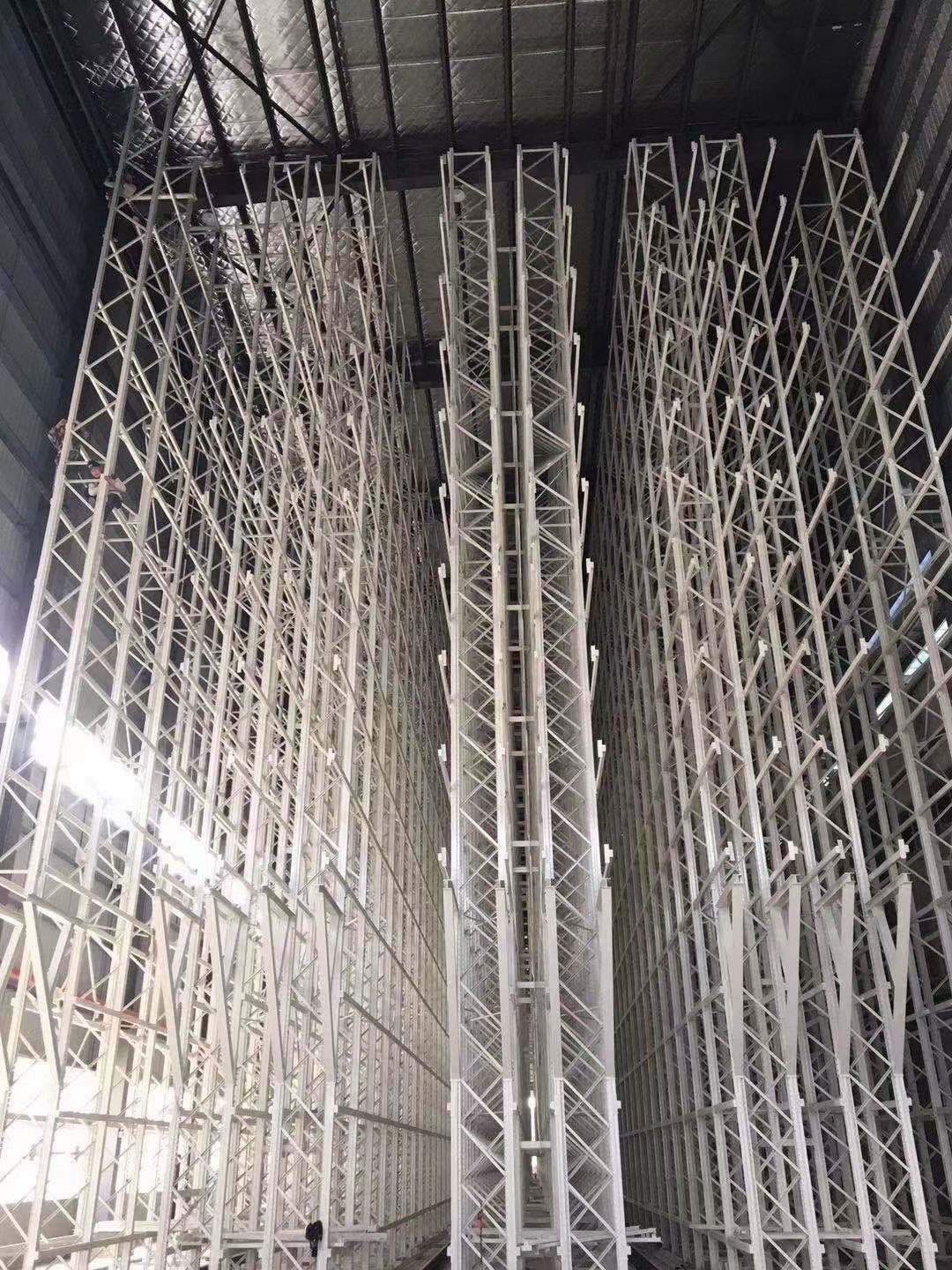
In the vertical kingdom of the automated warehouse, one machine reigns supreme. The stacker crane is not merely a component of the ASRS—it is the ASRS in its most essential form. It is the tireless sentinel that patrols narrow aisles, the precision instrument that deposits and retrieves pallets with millimeter-level accuracy, and the high-speed elevator that transforms dormant air rights into productive storage capacity. Without the stacker crane, the high-bay warehouse is merely an expensive steel sculpture.
KINGSHELVING engineers stacker cranes with a singular philosophy: reliability through precision, performance through intelligent design. Our cranes are not assembled from generic components and adapted to the task; they are purpose-engineered for continuous 24/7 operation, designed to execute hundreds of thousands of cycles annually while maintaining positional accuracy that would satisfy a machine tool. They are the product of decades of applied mechatronic engineering, in-house manufacturing discipline, and an uncompromising commitment to operational excellence.
Core Positioning: The essential embodiment of ASRS technology—the precision instrument that transforms vertical space into productive capacity.
Strategic Value: Delivers 24/7 reliability, millimeter-level accuracy, and deterministic throughput over decades of continuous operation.
KINGSHELVING Philosophy: Purpose-engineered for continuous duty, not adapted from generic components; reliability through precision, performance through intelligent design.
I. Anatomy of Precision: How a KINGSHELVING Stacker Crane Works
The stacker crane is a study in controlled motion across three axes, orchestrated by real-time control logic that executes hundreds of decisions per second. Its seemingly simple task—move to a location, extract a load, transport it, deposit it—belies extraordinary engineering complexity.
The Mast and Carriage
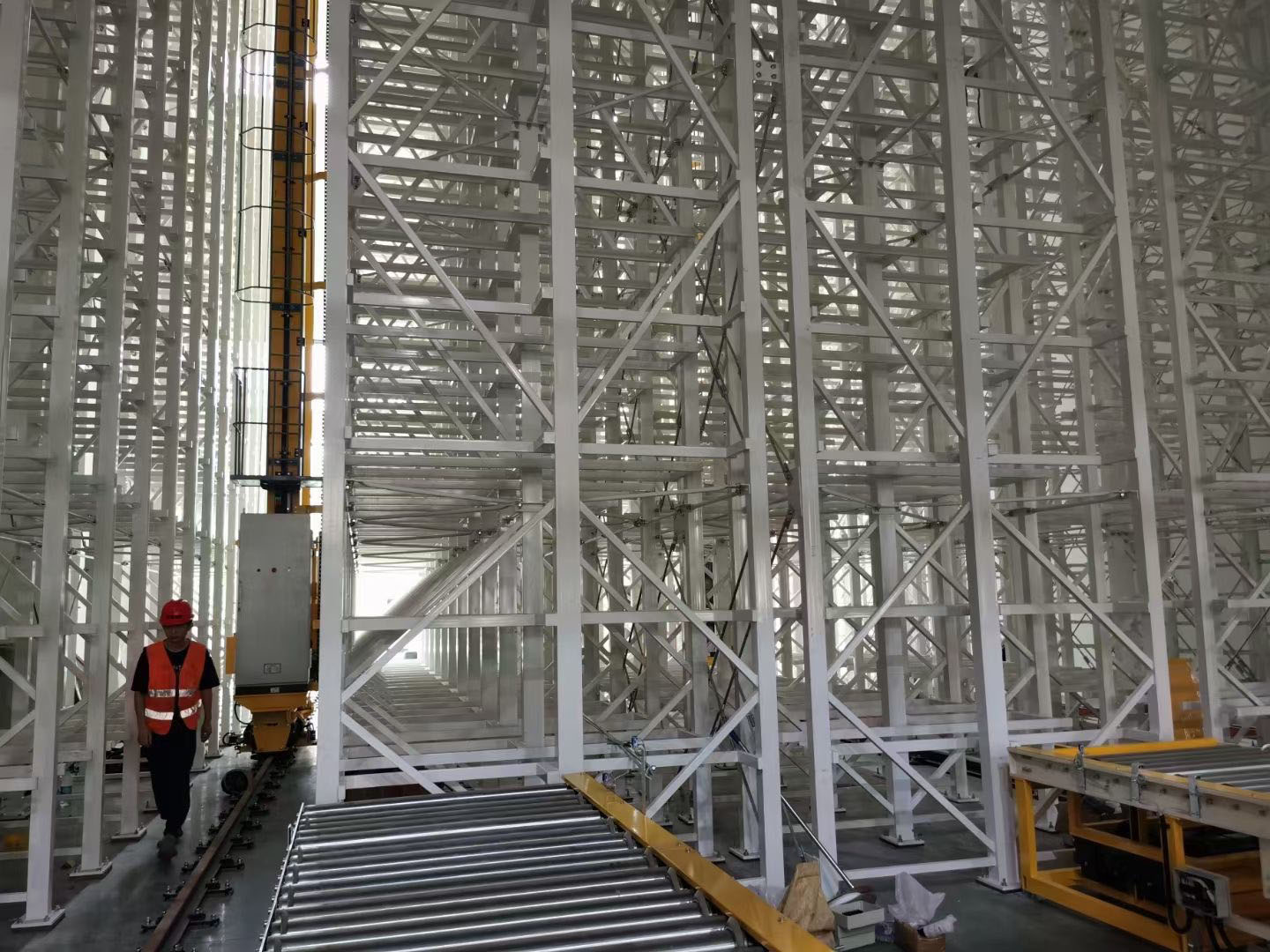
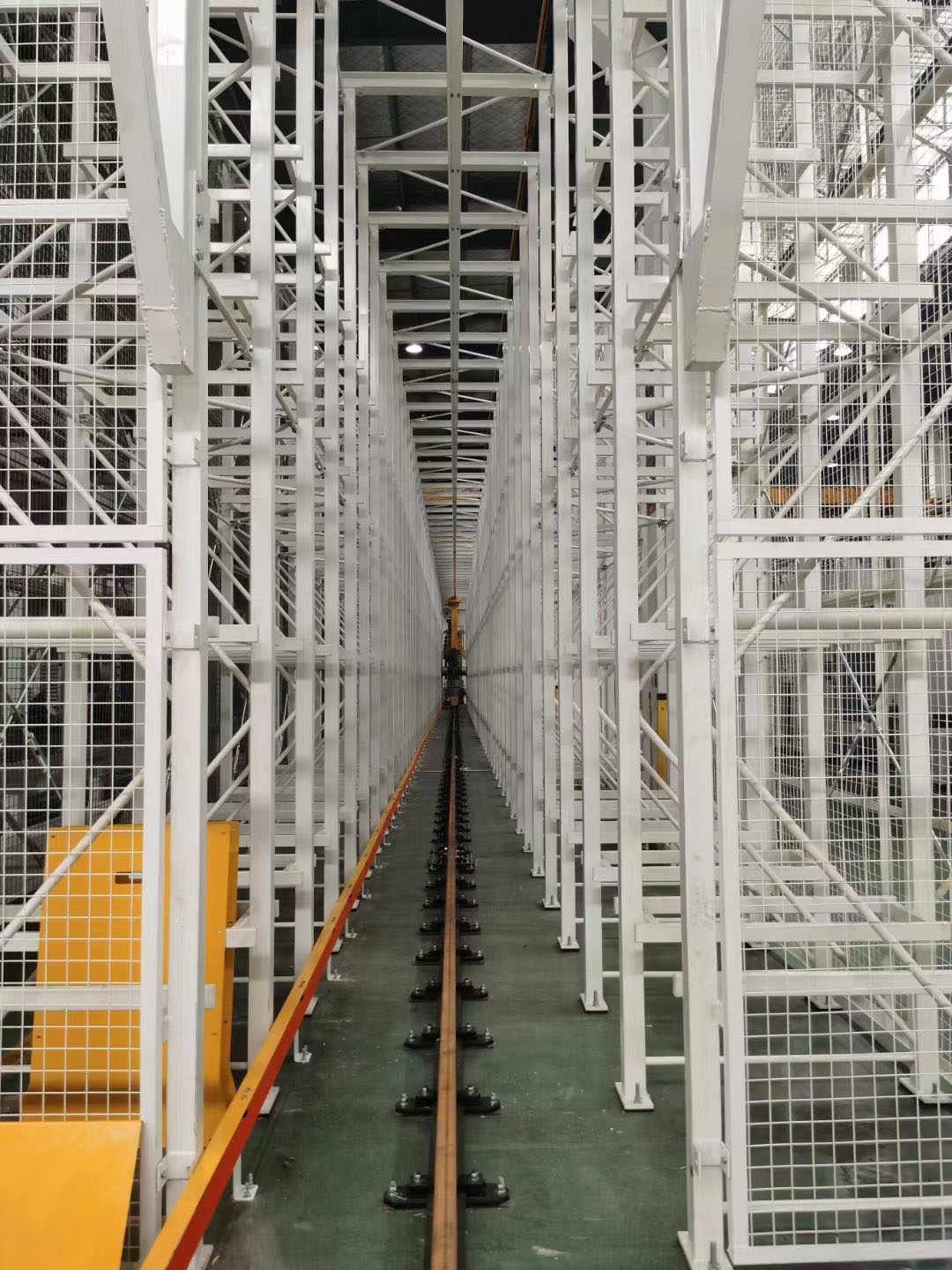
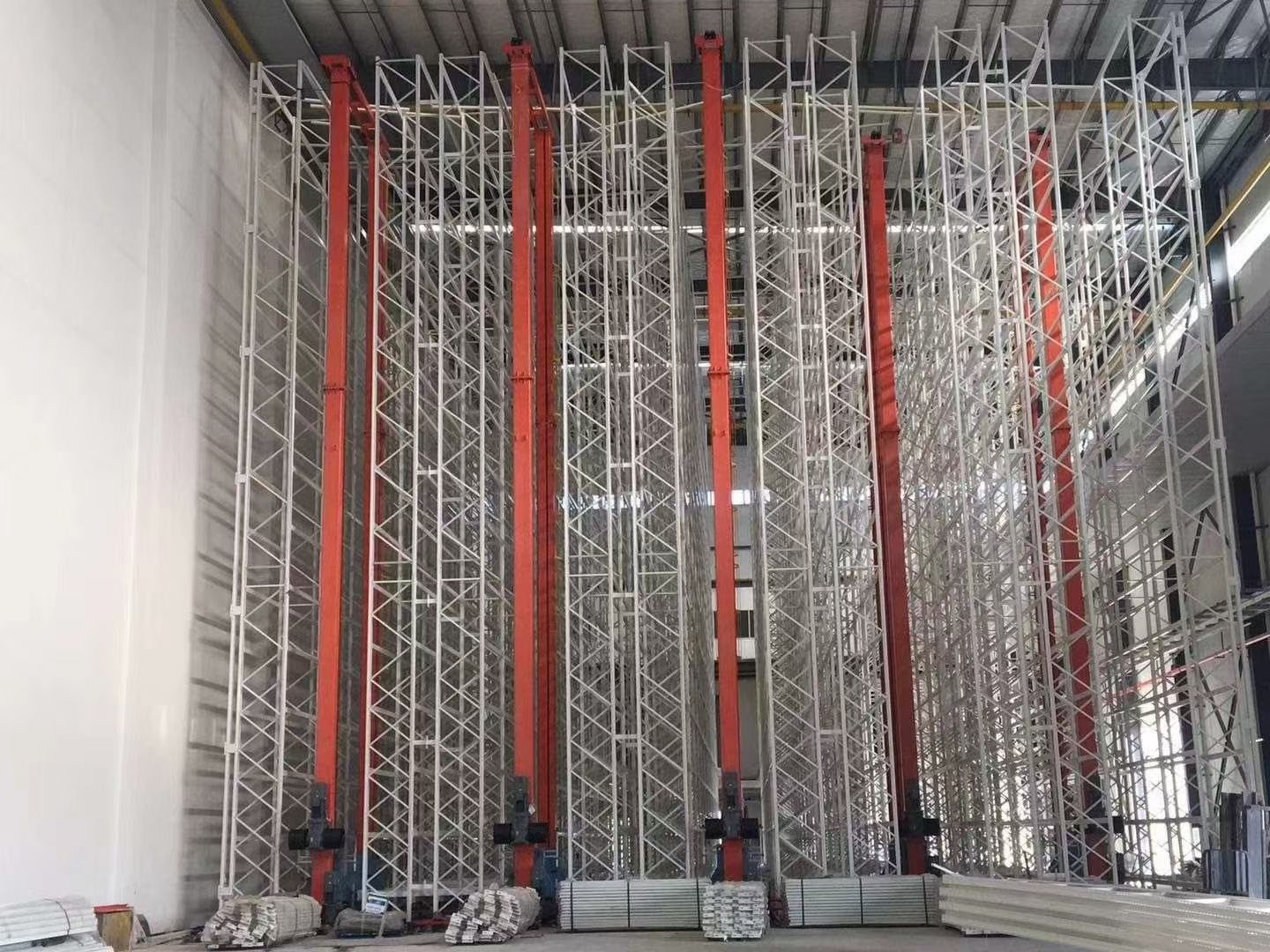
The vertical spine of the crane, the mast, must simultaneously resist bending moments from payload offset, maintain straightness within fractions of a millimeter over heights exceeding 30 meters, and provide stable guidance for the lifting carriage. KINGSHELVING’s mast designs employ optimized cross-sectional geometries, with materials selected for high stiffness-to-weight ratios. Our single- and double-mast configurations are engineered to eliminate torsional deflection under dynamic loading, ensuring that the carriage remains perfectly aligned with rack beams throughout its vertical travel .
The Base and Travel System
Floor-mounted rails guide the crane’s base along the aisle, with precision-ground track surfaces and hardened steel wheels engineered for millions of cycles without degradation . KINGSHELVING’s travel drive systems deliver smooth acceleration profiles that minimize load swing while achieving traverse speeds that meet the most demanding throughput requirements. Top-guide rails at the ceiling plane provide lateral stability, preventing mast deflection during high-speed travel .
The Lifting Mechanism
Conventional wire rope hoists introduce maintenance complexity and positional uncertainty. KINGSHELVING’s advanced crane configurations employ lifting belt technology—high-tensile synthetic belts that deliver smoother motion, reduced maintenance, and superior positioning repeatability compared to steel cables . The drive unit is positioned near the floor for accessible maintenance, eliminating the need for elevated service platforms .
The Load Handling Device
At the carriage resides the telescopic fork mechanism—the crane’s hand. KINGSHELVING offers single-, double-, and multi-deep fork configurations, with extension lengths tailored to your storage depth requirements. Our fork mechanisms feature hardened steel profiles, precision linear bearings, and intelligent anti-sway control that stabilizes loads during high-speed transfer . Optional side-shift and load-centering devices automatically correct minor pallet misplacement, ensuring reliable handshakes with conveyors and shuttles.
Mast Engineering: Optimized cross-sections, high stiffness-to-weight materials; eliminates torsional deflection over heights exceeding 30 meters.
Travel System: Floor-mounted precision rails, hardened steel wheels, top-guide stabilization; engineered for millions of cycles .
Lifting Technology: Advanced lifting belt alternative to wire rope; smoother motion, reduced maintenance, floor-accessible drive .
Load Handling: Single/double/multi-deep telescopic forks, anti-sway control, optional side-shift/load-centering; millimeter-perfect pallet transfer.
II. Performance Parameters: Speed, Height, Payload
KINGSHELVING stacker cranes are engineered across a continuous spectrum of performance capabilities, enabling precise matching to your operational requirements without over-engineering or compromise.
Vertical Reach
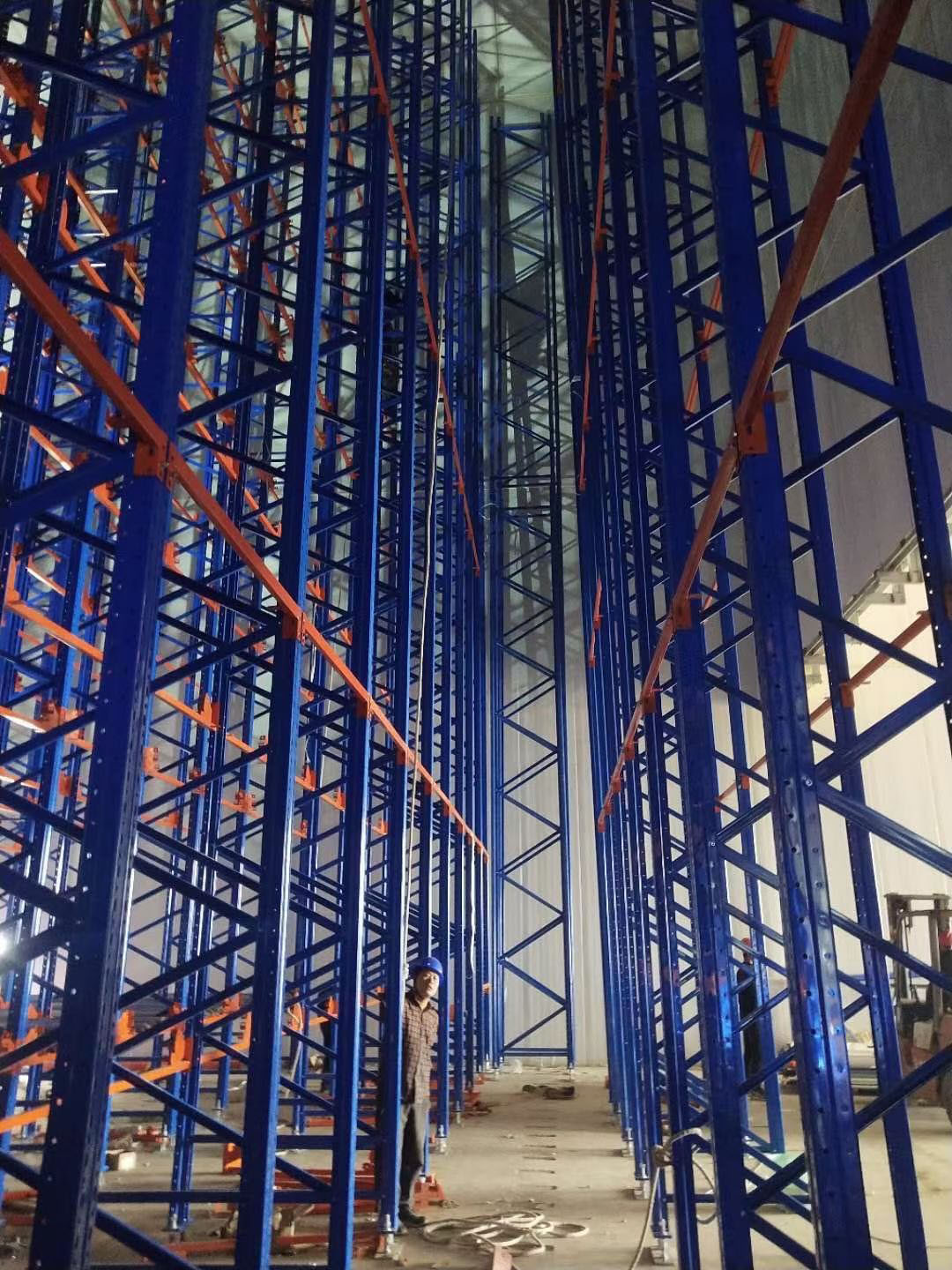
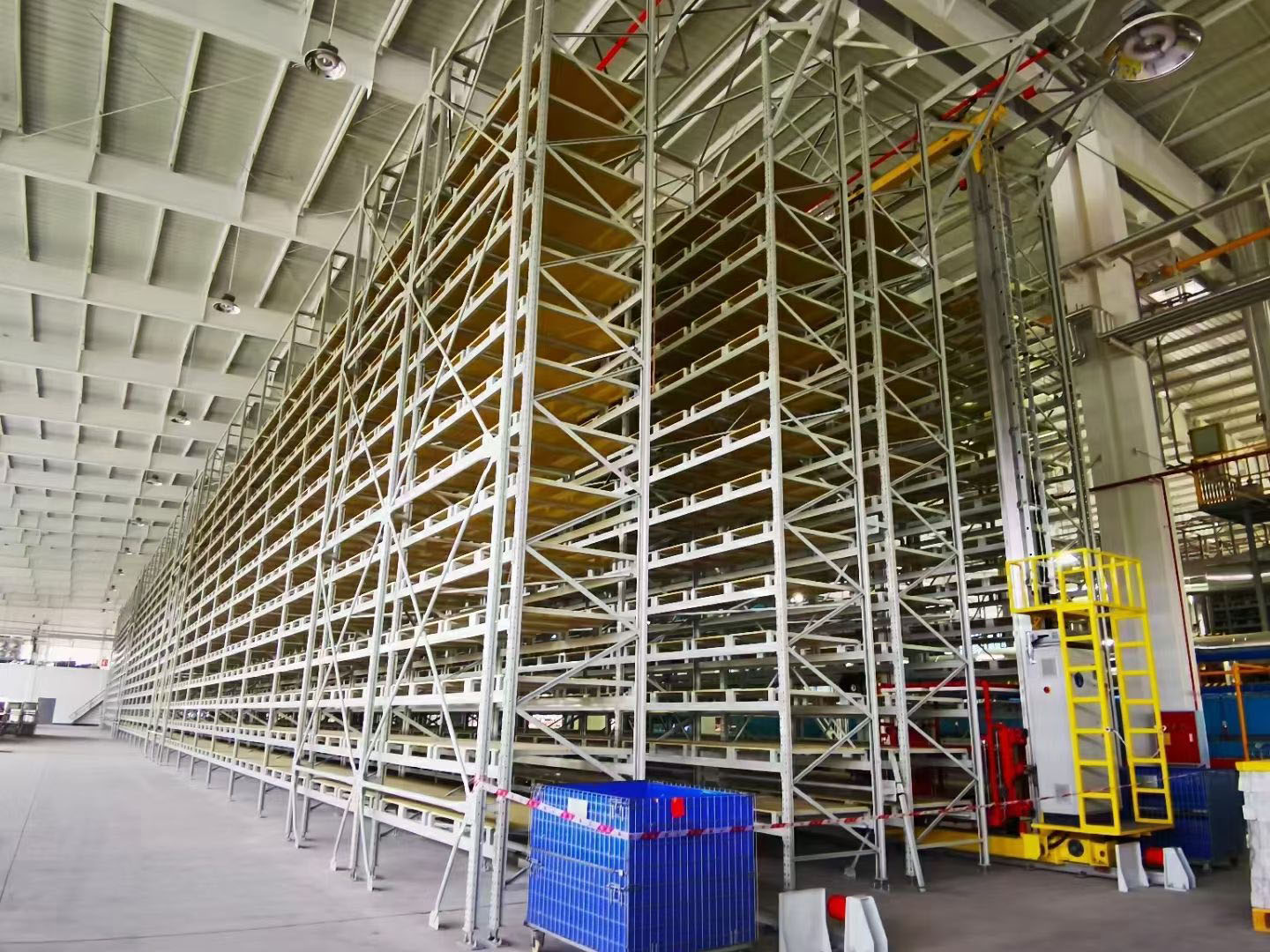
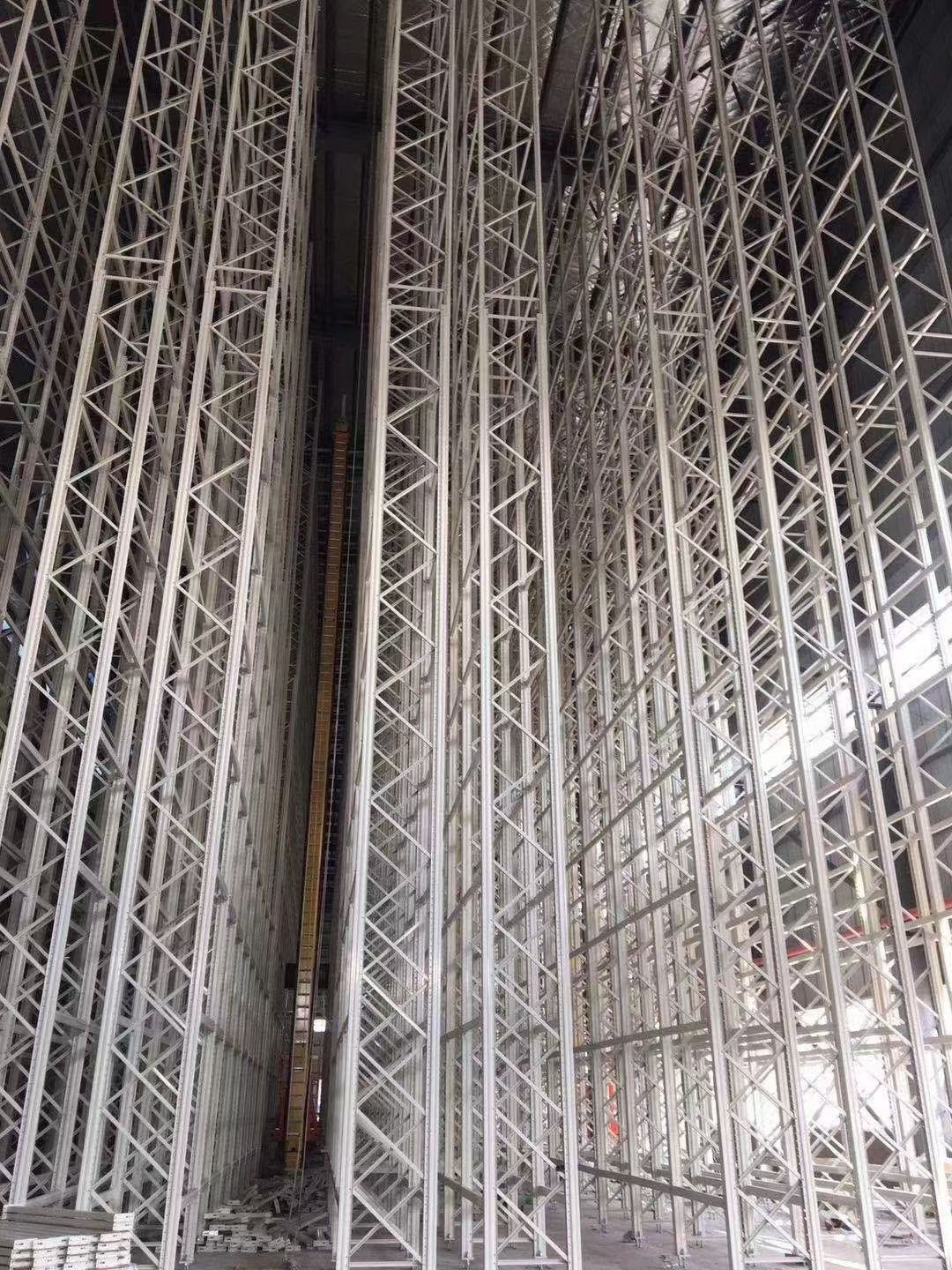
Our cranes operate effectively at storage heights from 6 meters to 35 meters and beyond, adapting to both modest mezzanine installations and cathedral-ceiling high-bay warehouses . The mast structure, guide systems, and control algorithms are scaled proportionally to height, ensuring that positioning accuracy does not degrade with elevation.
Horizontal Velocity
Travel speed is the primary determinant of aisle cycle time. KINGSHELVING cranes achieve horizontal speeds up to 150–240 meters per minute (2.5–4.0 m/s), depending on configuration and load characteristics . Our motion control profiles optimize the trade-off between speed and acceleration, minimizing transit time while preventing load sway and structural stress.
Lifting Speed
Vertical velocity determines the time required to change storage levels. Our hoist systems deliver lifting speeds up to 30–50 meters per minute (0.5–0.8 m/s), with acceleration profiles calibrated to maintain load stability . Dual-speed and variable-frequency drive configurations enable fast travel to distant levels combined with controlled approach for precision positioning.
Payload Capacity
KINGSHELVING stacker cranes are available in multiple load ratings to accommodate your specific material densities:
Standard configuration: 1,000–1,500 kg per pallet position
Heavy-duty configuration: 2,000 kg and above for automotive, heavy equipment, and specialized industrial applications
Throughput Performance
Single-cycle and dual-cycle transaction rates are functions of aisle geometry, crane kinematics, and control system efficiency. Our cranes consistently deliver 25–40 pallet transactions per hour under representative operating conditions, with optimized configurations achieving higher throughput in short-aisle, high-velocity applications .
Storage Height: 6–35+ meters, scalable from mezzanine to ultra-high-bay; accuracy maintained across full elevation range .
Travel Speed: Up to 150–240 m/min (2.5–4.0 m/s); optimized motion profiles balance speed, sway control, and structural loading .
Lifting Speed: Up to 30–50 m/min (0.5–0.8 m/s); dual-speed/VFD configurations for fast travel + precision approach .
Payload: 1,000–1,500 kg standard; 2,000+ kg heavy-duty configurations available .
Throughput: 25–40 pallet transactions/hour per aisle under representative operating conditions .
III. Advanced Engineering: The KINGSHELVING Technical Advantage
Lightweight, High-Stiffness Structures
Conventional stacker crane design prioritizes strength through mass addition. KINGSHELVING engineers pursue a more sophisticated objective: maximizing stiffness while minimizing moving mass. Our advanced mast and carriage designs incorporate high-strength low-alloy steels and optimized structural geometries that reduce weight by up to 30% compared to conventional fabrications . This mass reduction translates directly to reduced energy consumption, higher achievable accelerations, and extended mechanical component life.
Modular, Retrofit-Friendly Construction
Traditional stacker cranes are assembled as monolithic structures, complicating installation in existing facilities and rendering post-commissioning modification prohibitively expensive. KINGSHELVING’s modular, screw-fastened construction enables main assemblies to pass through standard doorways and be erected on-site with minimal overhead lifting equipment . This approach dramatically simplifies brownfield installations and future reconfigurations—aisles can be extended, cranes relocated, and systems expanded without structural demolition.
Maintenance-Optimized Architecture
Planned and unplanned downtime is the enemy of warehouse productivity. KINGSHELVING stacker cranes are designed from the ground up for minimal maintenance requirements and rapid service access. Our lifting belt systems eliminate wire rope fatigue monitoring and periodic replacement . Drive units and control cabinets are positioned at floor level, enabling technician access without elevating work platforms . Vulcanized polyurethane wheels operating on aluminum track rails deliver superior wear characteristics and significantly reduced noise emissions compared to steel-on-steel alternatives .
Precision Positioning and Control
Consistent, repeatable positioning is the foundation of ASRS reliability. KINGSHELVING cranes employ absolute position sensing systems—laser, barcode, or magnetic encoder—that maintain real-time awareness of crane location with millimeter-level resolution . Our servo-driven axis controls execute closed-loop regulation of velocity and position, automatically compensating for load-induced deflection, thermal expansion, and long-term mechanical wear.
Cold-Rated and Special Environment Configurations
Standard automation equipment fails in extreme environments. KINGSHELVING offers specialized cold-rated crane configurations for frozen food, pharmaceutical cold chain, and arctic logistics applications. These systems incorporate low-temperature lubricants, heated control enclosures, anti-condensation measures, and specially formulated materials that retain impact resistance at -30°C . For hazardous environments, we provide explosion-proof (Ex-rated) electrical configurations compliant with ATEX and IECEx standards.
Lightweight Engineering: 30% mass reduction through HSLA steels and optimized geometry; lower energy consumption, higher accelerations .
Modular Construction: Screw-fastened, pass-through-doorway assemblies; enables brownfield installation and future reconfiguration without structural demolition .
Maintenance Optimization: Floor-level drives, lifting belt technology, vulcanized polyurethane wheels; minimized downtime, simplified service .
Position Control: Laser/barcode/magnetic absolute positioning; millimeter-level real‑time location awareness .
Environmental Hardening: -30°C cold-rated configurations, ATEX/IECEx explosion-proof options; reliable operation where standard equipment fails .
IV. Application Spectrum: Where KINGSHELVING Stacker Cranes Excel
Pallet High-Bay Warehousing
The core application: dense, high-throughput storage of palletized goods in facilities seeking to maximize cubic utilization. KINGSHELVING cranes serve manufacturing raw material stores, finished goods warehouses, and distribution center bulk storage zones with equal effectiveness. Single-deep configurations provide 100% direct access to every pallet; double-deep and multi-deep configurations increase density while maintaining deterministic retrieval through fork depth selection .
Cold Storage and Frozen Logistics
Cold environments exact a heavy toll on conventional automation. Condensation corrodes electronics; lubricants thicken; materials embrittle. KINGSHELVING’s cold-chain stacker cranes are engineered for continuous operation in -30°C freezer environments, with sealed electrical enclosures, specially formulated greases, and impact-modified structural materials . Our systems operate reliably in applications where standard equipment would fail within months.
Automotive and Heavy Industry
Automotive powertrain components, heavy equipment subassemblies, and industrial machinery demand load capacities exceeding 1,500 kg with corresponding structural robustness. KINGSHELVING’s heavy-duty crane configurations feature reinforced masts, dual-fork mechanisms, and enhanced drive systems capable of sustained operation at 2,000+ kg payloads . These systems deliver the rugged reliability that automotive just-in-sequence supply chains require.
Air Cargo and Logistics Hubs
High-velocity consignment storage demands exceptional speed and seamless system integration. KINGSHELVING cranes, configured for air cargo and express logistics applications, achieve horizontal speeds up to 150 m/min and lifting rates of 30 m/min, processing in-house pallets and unit load devices through multi-level rack structures . Integrated scales, CCTV monitoring, and maintenance cabins provide the operational visibility and service access that 24/7 cargo terminals require .
Miniload and Small-Parts Storage
For tote, carton, and bin handling, KINGSHELVING offers specialized miniload stacker crane configurations. These lightweight, high-speed systems achieve throughput rates exceeding 200 combined cycles per hour at storage heights up to 25 meters . Advanced load-handling options include quadruple-telescopic forks capable of simultaneously managing multiple totes in a single crane cycle, dramatically increasing transaction density .
Pallet Warehousing: Single/double/multi-deep configurations; 100% accessibility to full density spectrum .
Cold Chain: -30°C continuous operation; sealed electronics, cold-rated lubricants, impact-modified materials .
Heavy Industry: 2,000+ kg payload capacity; reinforced masts, dual forks; engineered for automotive and heavy equipment .
Air Cargo: 150 m/min travel, 30 m/min lift; integrated scales, CCTV, maintenance cabins .
Miniload: 200+ cycles/hour, quadruple-fork options; ultra-high-throughput small-parts handling .
V. The KINGSHELVING Stacker Crane Advantage
Vertically Integrated Engineering, Not Component Assembly
Many stacker crane “manufacturers” are, in reality, assemblers—purchasing masts from fabricators, drives from motion specialists, forks from mechanism suppliers, and integrating these disparate elements into a functional machine. KINGSHELVING’s approach is fundamentally different. We engineer and fabricate our crane systems in-house, from structural steel selection through weldment fabrication, from drive system integration to control software development. This vertical integration ensures that every subsystem is optimized for compatibility, every component traceable to its manufacturing pedigree, and every performance claim validated through our own testing protocols.
Performance Verified, Not Extrapolated
Published specifications are promises; demonstrated performance is proof. KINGSHELVING maintains comprehensive in-house test facilities where crane assemblies undergo full-load cycle testing before shipment. Our performance data is derived from thousands of operating hours across hundreds of reference installations—not extrapolated from idealized laboratory models. When we specify a cycle time, a positioning tolerance, or an MTBF estimate, we do so with empirical confidence.
Lifecycle Partnership, Not Transactional Delivery
The relationship between KINGSHELVING and our clients does not terminate at beneficial occupancy. Our stacker cranes are designed for 25-year service lives, and our service organization is structured to support that lifespan. We maintain OEM-level spare parts inventories, provide factory-trained field service technicians, and offer preventive maintenance programs calibrated to your specific operating duty cycles. When your system requires upgrade, retrofit, or expansion, our engineering team returns—bringing the same depth of product knowledge they applied to the original design.
Your Aisle. Our Crane. Decades of Deterministic Performance.
The stacker crane is the heart of the high-bay warehouse. It is the most capital-intensive single element of your ASRS investment, the primary determinant of your system throughput, and the mechanical component most exposed to continuous duty cycles. Its reliability is your reliability; its performance is your productivity.
KINGSHELVING engineers stacker cranes for organizations that understand this relationship. We do not offer the lowest price; we offer the lowest total cost of ownership—delivered through precision engineering, vertical manufacturing integration, and an uncompromising commitment to structural and mechanical integrity. Our cranes are not the least expensive to acquire; they are the least expensive to own, operate, and maintain over decades of continuous service.
When you specify a KINGSHELVING stacker crane, you are not merely purchasing equipment. You are acquiring the collective expertise of engineers who have designed and deployed thousands of ASRS aisles, the quality assurance of in-house manufacturing, and the long-term commitment of a partner invested in your operational success.
The automated warehouse rises on steel. It moves on KINGSHELVING cranes.