Čeští hráči mají dnes na výběr z desítek online kasin, a proto se vyplatí sledovat nejen výši bonusu, ale i podmínky pro jeho získání. Mezi nejvyhledávanější nabídky patří 10 eur zdarma za registraci, které potěší především začátečníky. Popularitu si drží také 100 free spiny bez vkladu, ideální pro rychlé vyzkoušení automatů bez rizika. Kdo preferuje platbu kartou, může využít 100 kč paysafecard zdarma a zahrát si okamžitě po vložení.
Mnohá kasina lákají nové hráče na 100 kč za registraci automaty, což je skvělý způsob, jak poznat nabídku bez větší investice. Alternativou pro příznivce eura je 20 eur za registraci bez vkladu, případně mezinárodně zaměřený 20 no deposit casino bonus. Nejnižší vstupní bonus nabízí 5 eur zdarma za registraci, vhodný pro testování herních mechanismů.
Před registrací se vždy vyplatí přečíst si hodnocení ostatních hráčů. Podrobný 69 casino recenze odhaluje silné i slabé stránky provozovatele. Zkušenosti s českou značkou shrnuje admiral casino recenze, zatímco milovníky moderních automatů potěší apollo games casino recenze. Díky těmto informacím zvolíte kasino, které odpovídá vašim preferencím i rozpočtu.
Český trh s online kasiny je dnes mimořádně rozmanitý a hráči si mohou vybírat mezi desítkami provozovatelů. Pokud hledáte co nejvýhodnější start, začněte u nabídky, která nevyžaduje žádný vklad – tedy casino bonus za registraci bez vkladu. Právě takové akce vám umožní vyzkoušet provozovatele nanečisto a teprve poté se rozhodnout, zda do hry vložíte vlastní peníze. Vedle toho se vyplatí sledovat i pravidelné casino bonusy, jako jsou free spiny, reload bonusy nebo věrnostní programy pro stálé hráče.
Nabídka herních titulů je opravdu široká – od klasických automatů přes stolní hry až po živé krupiéry. Portály, které se specializují na casino hry, obvykle nabízejí přehledné filtrování podle poskytovatele i volatility, takže si snadno najdete titul odpovídající vaší strategii. Stále více hráčů navíc zkouší bitcoin casino, kde vklady i výběry probíhají v řádu minut a zcela bez zásahu banky.
Před registrací se ale vždy vyplatí zjistit, jak si daný provozovatel stojí u ostatních hráčů. Detailní betor casino recenze vám prozradí, jak rychle se zpracovávají výběry a jak kvalitní je zákaznická podpora. Stejně užitečná je i bonver casino recenze, která shrnuje zkušenosti s bonusovými podmínkami a limity pro výběr výher.
U platebních metod je dobré si předem ověřit, co konkrétní kasino podporuje. Mnoho hráčů preferuje možnost casino minimální vklad 100 kč paysafecard, protože jde o rychlý a anonymní způsob platby bez zadávání údajů o kartě. Jiní zase oceňují casino vklad přes sms cz, který je ideální pro okamžité dobití účtu přímo z mobilu. Pokud hledáte širší výběr provozovatelů a štědřejší podmínky, může být řešením casino online zahraničí, tedy licencované zahraniční kasino, které přijímá i české hráče. A pokud nechcete riskovat ani korunu, pomůže vám automaty bonus za registraci bez vkladu, díky kterému si zahrajete zdarma a bez jakéhokoli vkladu.
Český trh s online hazardními hrami se za poslední roky výrazně proměnil a hráči dnes mají na výběr z desítek licencovaných i zahraničních platforem. Stále více lidí přitom hledá crypto casino, které nabízí rychlé vklady a výběry bez zapojení banky. Než ale vložíte první korunu, vyplatí se projít si forbes casino recenze a porovnat reputaci, licenci i rychlost výplat jednotlivých provozovatelů.
Velkou roli při výběru hraje samozřejmě bonusová nabídka. Pokud chcete mít přehled o aktuálních akcích, sledujte free spiny dnes, protože se obměňují doslova každý týden. Zvláštní kategorií jsou free spiny za registraci bez vkladu, díky nimž si můžete kasino vyzkoušet, aniž byste museli vložit vlastní peníze.
Mezi tradiční české značky, které stojí za pozornost, patří fortuna casino recenze, kde se dočtete o licenci, platebních metodách i zákaznické podpoře. Novější hráči často zvažují grandwin casino recenze a stále častěji se objevuje také kartáč casino recenze, která hodnotí mimo jiné rychlost registrace a bonusové podmínky.
Základem každého kasina jsou pochopitelně hrací automaty, ať už jde o klasické tříválcové přístroje, nebo moderní video automaty s bonusovými funkcemi. Pokud si je chcete nejprve osahat bez rizika, můžete vyzkoušet hrací automaty zdarma 81 nebo režim hrací automaty zdarma neomezeně, v němž si strategii vyzkoušíte tak dlouho, jak budete potřebovat.
Hledáte spolehlivé online casino cz? V našem přehledu najdete ty nejlepší herny pro české hráče. Začněte třeba u luckybet casino recenze, která vám ukáže výhody i nevýhody tohoto provozovatele. Podobně důkladně jsme sepsali i maxa casino recenze, abyste věděli, co očekávat.
Mezi nejlepší online casino patří i nové platformy, které přinášejí svěží vítr do světa hazardu. Pokud vyzkoušíte nové casino online, můžete získat atraktivní vítané nabídky. Pro milovníky mobilního hraní doporučujeme mobilní casino, které je optimalizované pro telefony a tablety.
Velkým lákadlem jsou bonusy bez vkladu. Například nové online casino bonus bez vkladu vám umožní hrát zdarma a vyzkoušet hry před vložením peněz. Specifickou nabídkou je online casino bonus bez vkladu 7, který nabízí sedm eur nebo sedm spinů zdarma. Nezapomeňte si přečíst také nv casino recenze, kde hodnotíme podmínky tohoto bonusu.
Pro ty, kdo chtějí točit online automaty za peníze, je důležité vybrat kasino s vysokou výplatností a rychlými výběry. Věříme, že s naším průvodcem najdete ideální místo pro zábavu i výhry.
V českém prostředí se hráči zajímají nejen o samotné hry, ale také o pohodlné platby a výhodné nabídky. Pokud preferujete platby přes internetovou peněženku, vyplatí se prozkoumat možnosti jako paypal casino, kde lze často vložit vklad rychle a bez složitého ověřování. Alternativu pro ty, kdo chtějí platit předplacenou kartou, představuje paysafecard casino, které ocení zejména hráči dbající na soukromí.
Mezi oblíbené moderní hry patří Plinko a k němu se vážou i atraktivní nabídky. Pokud hledáte možnost vyzkoušet hru bez rizika, určitě vás zaujme plinko bonus bez vkladu. Před registrací se také vyplatí zjistit aktuální promo kód casino, který může navýšit vklad nebo přinést další výhody.
Čeští hráči často srovnávají známé značky. Podrobný sazka casino recenze pomůže posoudit nabídku her, platební metody i zákaznickou podporu. Pro rychlé transakce je vhodné zvážit také skrill casino, které bývá dostupné v řadě online casin.
Před výběrem je dobré číst zkušenosti ostatních. star casino recenze i tokyo casino recenze vám mohou napovědět, jaké bonusy a podmínky jednotlivé platformy nabízejí. Velkou pozornost si zaslouží i nabídky pro nové hráče ze zahraničí, například zahraniční casino bonus bez vkladu nebo zahraniční free spiny bez vkladu, které lze často využít bez prvního vkladu.
V České republice si dnes můžete zahrát prakticky odkudkoli – stačí si vybrat spolehlivý portál a ověřit si licenci. Mezi českými hráči jsou dlouhodobě nejoblíbenější české casino, která nabízejí platby v korunách, českou zákaznickou podporu a bonusy bez zbytečných podmínek. Pokud dáváte přednost atmosféře skutečného stolu, vyplatí se před registrací prostudovat živé casino recenze, kde se dozvíte, jak kvalitní je stream, jak rychlé jsou výplaty a jaké limity sázek můžete očekávat. Ať už hrajete automaty, nebo preferujete live krupiéry, vždy sázejte zodpovědně a jen v mezích svých možností.
Conveyors: The Arteries of Material Flow
In the automated warehouse, the stacker crane and shuttle receive the spotlight. They are the performers, the heroes of throughput and density. Yet connecting every act of this performance—from receiving to storage, from storage to picking, from picking to packing, from packing to dispatch—is a quieter, continuous, relentless flow. This is the domain of the conveyor.
Conveyors are not merely transport mechanisms. They are the circulatory system of your facility, dictating the rhythm, capacity, and reliability of every upstream and downstream process. A conveyor that jams stops not one machine, but an entire zone. A conveyor that hesitates delays not a single pallet, but a sequence of orders. A conveyor that fails compromises not just throughput, but customer承诺.
KINGSHELVING engineers conveyor systems with a fundamental understanding: flow is not incidental—it is engineered. Our conveyors are designed not as afterthought connections between islands of automation, but as integrated, intelligent networks that synchronize material movement with system-wide control logic. They are modular, robust, and obsessively tested—built to sustain the continuous, 24/7 duty cycles that modern logistics demands.
Core Positioning: The circulatory system of the automated warehouse; not passive transport, but active flow control.
Strategic Value: Dictates system-wide rhythm, capacity, and reliability; a single failure cascades across the entire operation.
KINGSHELVING Philosophy: Flow is not incidental—it is engineered. Conveyors are intelligent networks, not afterthought connections.
I. The Conveyor as System: Beyond Point-to-Point Transport
A single motorized roller, viewed in isolation, is a commodity. Thousands of rollers, integrated with sensors, controllers, software, and mechanical interfaces—operating in precise synchronization—constitute a conveyor system. This distinction is central to KINGSHELVING’s engineering approach.
Segmented Intelligence
KINGSHELVING conveyor systems are divided into logically independent zones, each equipped with its own sensor and drive control. This zoned architecture enables accumulation without contact, precisely metered release, and granular fault isolation. When a jam occurs, the system knows exactly which zone is affected, alerts maintenance with specific location data, and automatically recovers when the obstruction is cleared. The conveyor does not merely move goods—it communicates their presence, position, and progress.
Velocity and Cadence Control
Different processes demand different flow rates. A high-speed sorter requires parcels presented at precise intervals; a palletizing workstation requires metered delivery; a manual picking station requires accumulation buffers that prevent starvation or overflow. KINGSHELVING’s variable-speed drive technology enables dynamic velocity adjustment across conveyor segments, synchronized with upstream and downstream equipment through real-time control communication. The system breathes with your operation—accelerating during surges, pacing during steady state, pausing during interruptions.
Merge and Divert Logic
The complexity of a conveyor network is measured at its intersections. Merging two inbound streams into one outbound lane without collision; diverting parcels from a mainline to multiple spur lines based on sortation commands; sequencing mixed-SKU pallets for just-in-time dispatch. KINGSHELVING’s control software incorporates proprietary merge, divert, and sequencing algorithms that maximize throughput while eliminating deadlocks and mis-sorts. Our systems handle stochastic arrival patterns with deterministic precision.
Accumulation and Buffering
In a perfectly synchronized facility, goods arrive at each process exactly when needed. In reality, variance is inevitable. KINGSHELVING’s zero-pressure accumulation conveyors allow parcels to queue without contacting one another, eliminating damage while providing upstream processes with downstream capacity visibility. Dynamic buffering zones absorb production surges and replenishment delays, decoupling interdependent processes and increasing overall system resilience.
Segmented Intelligence: Zone-based architecture with per-zone sensing and drive; granular fault isolation and automatic recovery.
Velocity Control: Variable-speed drives synchronized with real-time control; dynamic cadence adjustment across the network.
Merge/Divert Logic: Proprietary algorithms for collision-free merging, deterministic diverting, and precision sequencing.
Accumulation: Zero-pressure contact accumulation; damage-free queuing and process decoupling.
II. The KINGSHELVING Conveyor Portfolio
No single conveyor topology optimally serves every material handling requirement. KINGSHELVING’s comprehensive product portfolio enables precise matching of technology to application—from heavy-duty pallet transport to high-speed parcel sortation induction.
Roller Conveyors
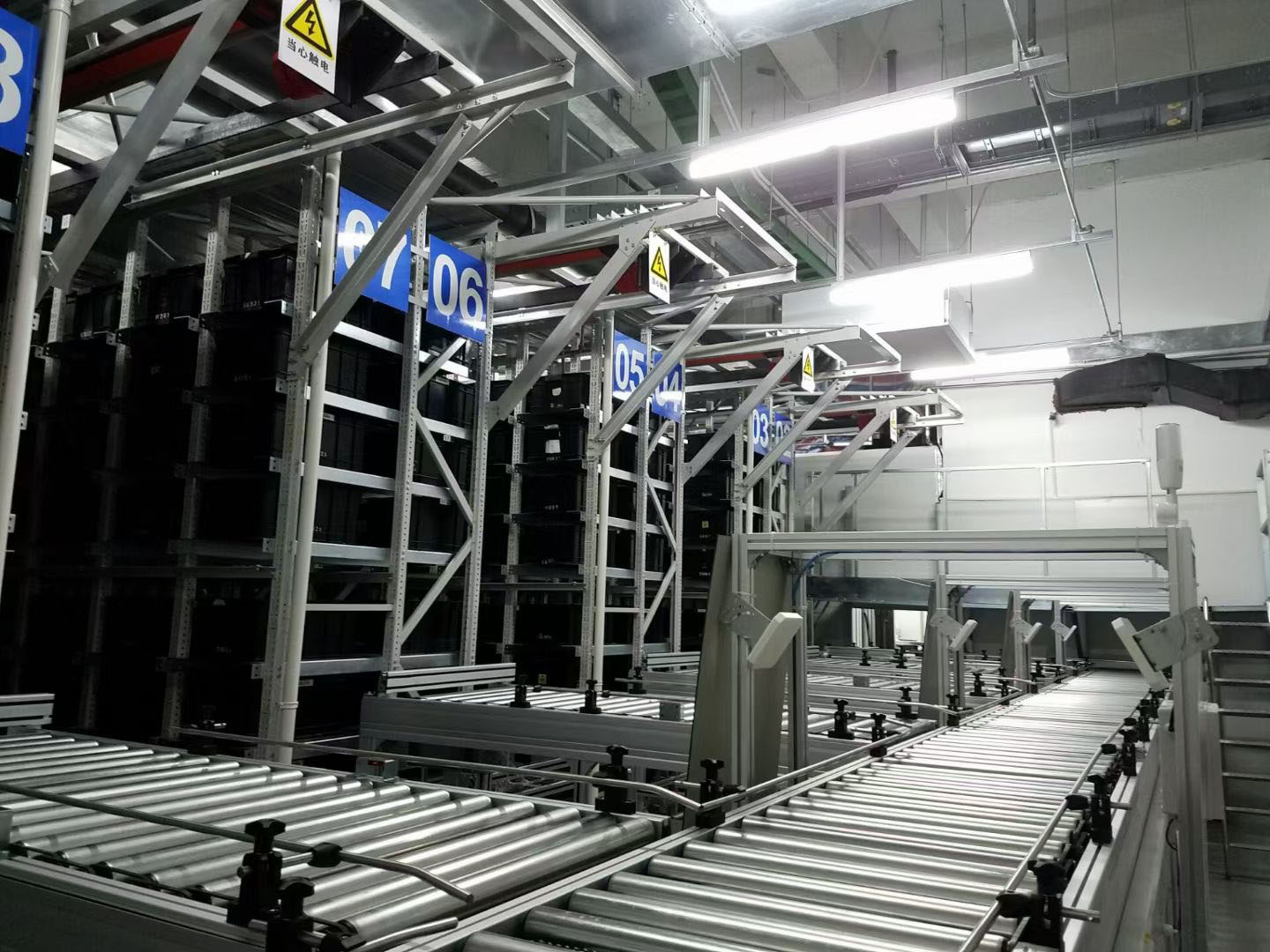
The workhorse of unit load transport. KINGSHELVING offers both gravity roller and motorized driven roller (MDR) configurations across multiple roller diameters, frame widths, and load ratings. Our MDR systems feature 24V DC brushless motors with integrated controllers, delivering energy-efficient, low-noise operation with granular speed control. Applications include pallet transport, tote handling, and carton flow lines.
Belt Conveyors
For inclined transport, fragile goods, or applications requiring positive traction, belt conveyors provide continuous, slip-free movement. KINGSHELVING’s belt conveyor systems feature endless spliced belts, impact-slider beds for heavy loads, and optional cleated profiles for inclined operation. Available in slider-bed and roller-bed configurations.
Chain Conveyors
Palletized loads of exceptional weight or non-uniform bottom surfaces require positive drive engagement. KINGSHELVING’s chain conveyors utilize heavy-duty roller chains running in precision-machined tracks, delivering reliable transport for loads up to 2,000+ kg. Applications include palletizers, depalletizers, and heavy-load transfer stations.
Slat Conveyors
For extreme-duty applications—automotive assemblies, drums, heavy coils—slat conveyors provide a continuous, rigid carrying surface. KINGSHELVING’s slat conveyors feature manganese steel slats, heavy-duty chain drives, and customizable slat configurations for specific load geometries.
Spiral Conveyors
Elevation change in constrained footprints. KINGSHELVING’s spiral conveyors utilize continuous belt technology to transport parcels vertically between levels while conserving floor space. Available in upward and downward configurations, with multiple infeed/discharge orientation options.
Transfer Units
Intersections require directional change. KINGSHELVING offers comprehensive transfer solutions: pop-up belt transfers, chain transfers, ball transfers, and turntables. Each configured for specific load types and throughput requirements, with pneumatic or electric actuation options.
Extendable Conveyors
Truck loading and unloading operations demand reach. KINGSHELVING’s extendable boom conveyors telescope into semi-trailers, delivering goods directly to the nose or retrieving parcels from deep within the trailer. Available in belt and roller configurations, with manual or powered extension.
Roller: Gravity and 24V MDR; energy-efficient, low-noise, granular speed control.
Belt: Incline, decline, positive traction; continuous, slip-free movement.
Chain: 2,000+ kg capacity; positive drive for extreme loads and non-uniform pallets.
Slat: Extreme-duty, rigid surface; customizable for drums, coils, assemblies.
Spiral: Vertical transport in minimal footprint; continuous belt, multiple orientation options.
Transfer: Pop-up belt, chain, ball, turntable; pneumatic/electric, load-matched.
Extendable: Telescoping boom for truck loading/unloading; belt or roller, manual/powered.
III. Integration: The Conveyor as Connected Intelligence
A conveyor system isolated from the broader automation ecosystem is merely mechanized transport. A conveyor system integrated with upstream storage, downstream sortation, and enterprise-wide control logic becomes a sensor-rich, decision-capable material flow platform.
PLC and Fieldbus Integration
KINGSHELVING conveyor controls are designed for native compatibility with leading industrial automation protocols: Profibus, Profinet, EtherNet/IP, EtherCAT, Modbus TCP, and CC-Link. Our systems communicate bidirectionally with central control systems, upstream ASRS equipment, and downstream robotics—reporting status, receiving commands, and synchronizing motion without custom gateway development.
WMS/WCS Handshake
The warehouse control system does not merely dispatch orders; it orchestrates flow. KINGSHELVING’s conveyor software layer executes real-time commands from WCS/WMS platforms: release a pallet to a specific outbound lane, divert a tote to a particular picking zone, hold a carton at quality inspection. Our API-first architecture exposes granular conveyor control functions to higher-level systems, enabling closed-loop, adaptive material flow.
RFID and Barcode Integration
Conveyors are the ideal environment for automated identification. KINGSHELVING integrates RFID portals and fixed-mount barcode scanners directly into conveyor sections, enabling hands-free reading of pallet, tote, and parcel identifiers at full transport speed. Read data is associated with the load’s real-time location and transmitted to WMS for inventory update, routing decision, or quality record.
Vision System Interfaces
Advanced applications require visual intelligence. KINGSHELVING conveyor systems provide integrated mounting provisions and synchronization interfaces for third-party vision systems—dimensioners, OCR readers, defect inspectors. Our control logic can trigger imaging events based on load position, pause transport for quality interventions, and divert non-conforming units to rejection lanes.
Sortation System Feed
High-speed sortation demands precise induction. KINGSHELVING’s induction conveyors are engineered to present parcels to sortation systems at exact intervals, with controlled gap spacing and consistent orientation. Whether feeding cross-belt sorters, tilt-tray sorters, or sliding shoe systems, our conveyors ensure that sortation capacity is never starved or saturated.
Protocol Native: Profibus, Profinet, EtherNet/IP, EtherCAT, Modbus TCP, CC-Link; bidirectional communication without custom gateways.
Software Handshake: API-first architecture; granular control functions exposed to WCS/WMS for closed-loop adaptive flow.
Auto-ID Integration: RFID portals, fixed-mount scanners; hands-free reading at full transport speed.
Vision Interfaces: Mounting/synchronization for third-party vision; triggered imaging, quality diversion.
Sortation Feed: Precision induction with controlled gap spacing and consistent orientation; maximizes sorter throughput.
IV. Engineered for Continuous Duty
Conveyor systems in automated warehouses operate not in eight-hour shifts, but in 24/7/365 continuous cycles. KINGSHELVING engineers every component—from drive motors to idler rollers—for the reliability demands of perpetual operation.
Drive Technology
KINGSHELVING’s 24V DC motorized roller technology represents the state of the art in conveyor drive efficiency and controllability. Each roller contains an integrated brushless DC motor, gear reduction, and control electronics—eliminating external motors, chain drives, and line shafts. Benefits include:
Energy efficiency: Motors consume power only when moving loads; idle zones draw near-zero current
Granular control: Each zone independently speed-controlled and started/stopped via 0–10V or digital signals
Low noise: Operating sound pressure levels below 65 dB(A) at 1 meter
Maintenance reduction: No belts to replace, chains to lubricate, or shafts to align
Frame and Structure
Conveyor frames must resist deflection, accommodate thermal expansion, and provide precise roller alignment over decades of service. KINGSHELVING’s heavy-duty steel frames are roll-formed from high-strength steel, with integrated stiffening ribs and precision-machined mounting surfaces. Galvanized and stainless steel options available for washdown and corrosive environments.
Component Standardization
A facility with hundreds of conveyor zones should not require hundreds of unique spare parts. KINGSHELVING’s component standardization strategy ensures that rollers, drives, sensors, and controllers are interchangeable across system sizes and configurations. One spare motor roller fits multiple conveyor lengths; one spare photo-eye serves accumulation and transfer zones alike. This design discipline reduces client spare parts inventories and simplifies technician training.
Noise Engineering
Continuous conveyor operation generates continuous noise. KINGSHELVING’s low-noise engineering program addresses every source: vulcanized polyurethane rollers on aluminum tracks for reduced contact noise; acoustically dampened drive enclosures; optimized belt materials; and precision-aligned components that eliminate rattles and vibrations. Our systems achieve workplace noise levels that support extended shift operations without hearing protection fatigue.
Environmental Hardening
Conveyors operate where humans cannot—or should not. KINGSHELVING offers cold-rated conveyor configurations for -30°C freezer environments, featuring low-temperature lubricants, embrittlement-resistant polymers, and sealed electronics. For washdown applications, our IP69K-rated stainless steel conveyors withstand high-pressure, high-temperature sanitation cycles. For cleanrooms, we provide ISO Class 5-compatible systems with minimized particle generation and smooth, crevice-free surfaces.
MDR Technology: 24V DC motorized rollers with integrated drive/control; energy-efficient, granular control, low noise, minimal maintenance.
Structural Integrity: Heavy-duty roll-formed steel frames; galvanized/stainless options for corrosive environments.
Component Commonality: Standardized rollers, drives, sensors, controllers; reduced spare parts inventory, simplified training.
Noise Control: Polyurethane rollers on aluminum tracks, damped enclosures, precision alignment; <65 dB(A) continuous operation.
Environmental Hardening: -30°C cold-rated, IP69K washdown, ISO Class 5 cleanroom configurations.
V. Application Spectrum: Where KINGSHELVING Conveyors Excel
ASRS Infeed and Outfeed
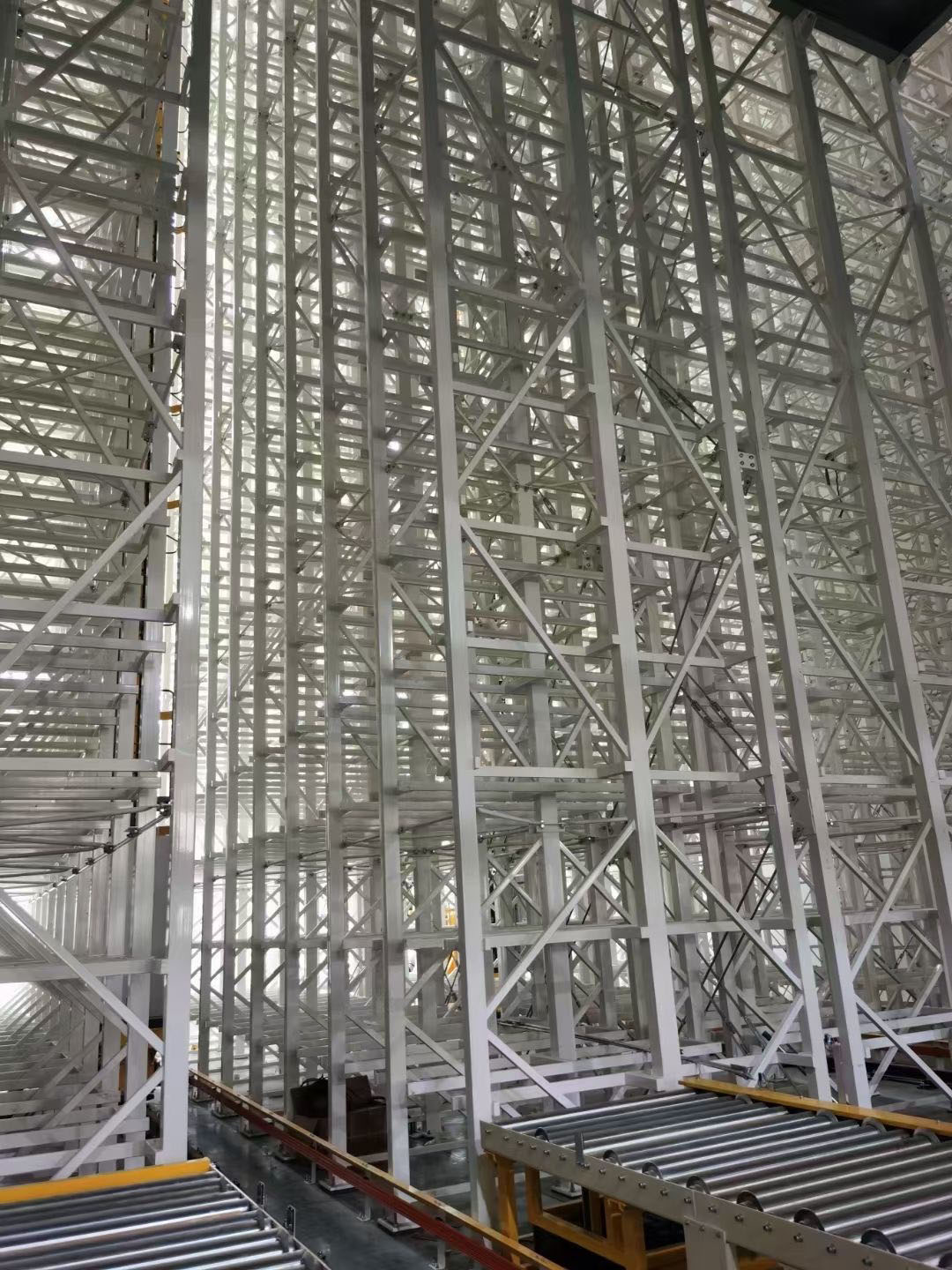
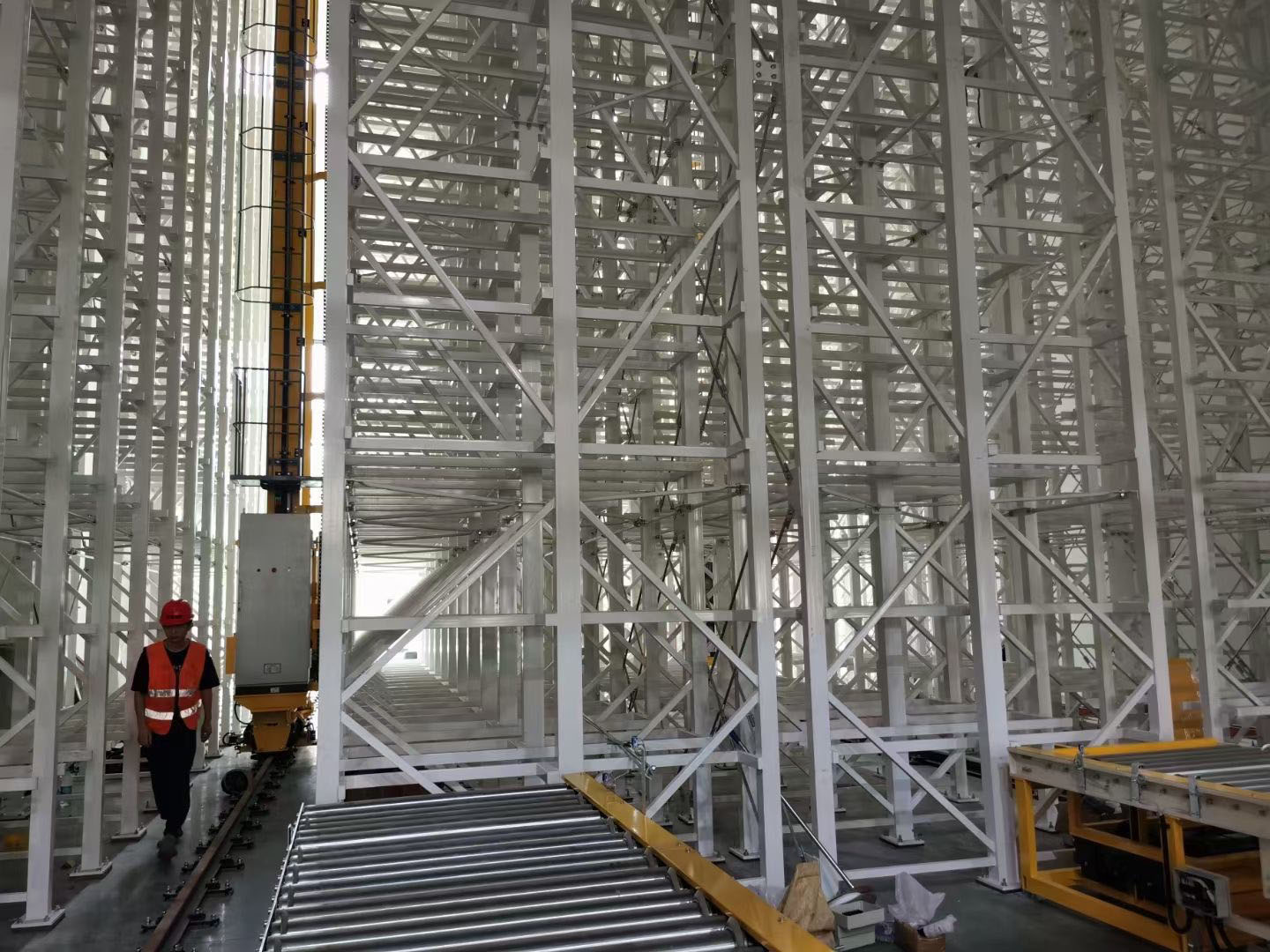
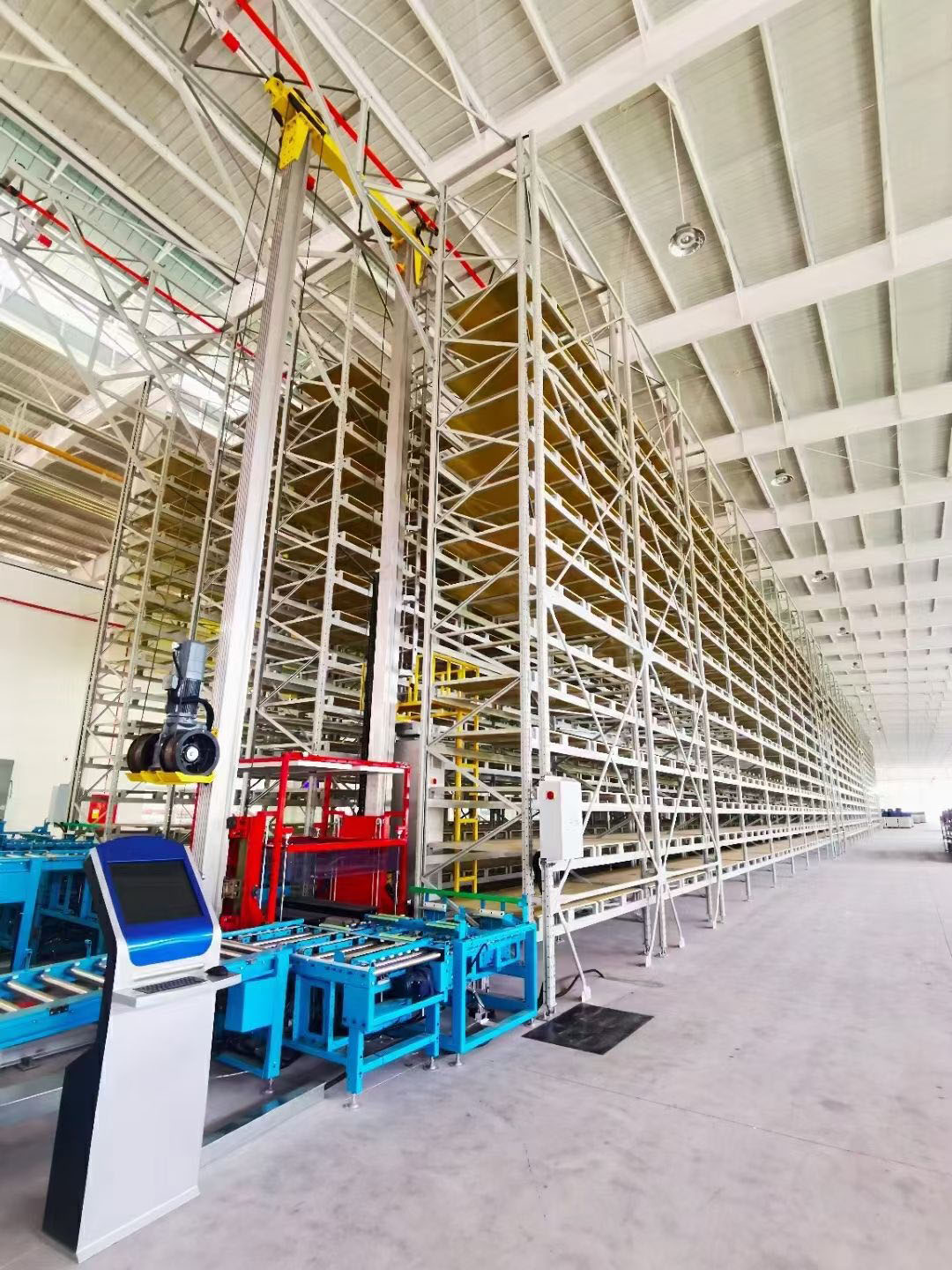
The interface between storage and transport is the most transaction-intensive point in the facility. KINGSHELVING’s ASRS interface conveyors are engineered for high-cycle, high-precision handshakes with stacker cranes and shuttles. Features include load-centering guides, position verification sensors, and controlled release logic that prevents premature load transfer.
Goods-to-Person Picking
In G2P operations, conveyor reliability directly determines operator productivity. KINGSHELVING’s picking station feed conveyors deliver totes to ergonomic presentation positions with predictable timing, while take-away conveyors remove completed orders and empty containers. Integrated with put-to-light and pick-to-light systems through software handshake.
Parcel and Small-Item Sortation Induction
High-speed sortation demands precise, consistent induction. KINGSHELVING’s singulation conveyors separate randomly spaced parcels into defined gaps; metering belts control release timing; merge conveyors combine multiple inbound streams into a single, sequenced outbound lane. Our systems feed cross-belt, tilt-tray, and sliding shoe sorters with the gap discipline these machines require.
Pallet Handling and Transfer
From receiving docks to ASRS infeed, from outbound staging to trailer loading, pallets must move reliably. KINGSHELVING’s heavy-duty pallet conveyors handle loads up to 1,500+ kg with chain, roller, or slat topologies. Chain transfers and turntables enable 90-degree direction changes without pallet reorientation.
Production Line Feeding
Manufacturing logistics demands synchronization with production cadence. KINGSHELVING’s line-side conveyors deliver components to assembly workstations at controlled rates, remove finished goods, and return empty carriers. Integrated with PLC systems that receive consumption signals directly from production equipment.
Truck Loading and Unloading
The facility perimeter is the most labor-intensive zone. KINGSHELVING’s extendable boom conveyors telescope into trailers, delivering goods directly to the stacking face or retrieving parcels from deep within the load. Available in belt and roller configurations, with manual or powered boom extension.
ASRS Interface: High-cycle, high-precision handshake; load-centering, position verification, controlled release.
Goods-to-Person: Predictable tote delivery, ergonomic presentation; integrated with put-to-light/pick-to-light.
Sortation Induction: Singulation, metering, merge; gap discipline for cross-belt/tilt-tray/sliding shoe sorters.
Pallet Handling: 1,500+ kg capacity; chain/roller/slat; 90° transfers, turntables.
Production Feeding: Line-side delivery; synchronized with PLC consumption signals.
Truck Loading: Extendable boom; direct-to-nose delivery, deep retrieval; manual/powered.
VI. The KINGSHELVING Conveyor Advantage
Integrated Engineering, Not Assembled Components
A conveyor system is the sum of thousands of individual components—rollers, frames, drives, sensors, controllers. KINGSHELVING does not merely source and assemble these elements; we engineer the integration. Our control software is developed in-house; our mechanical designs are optimized for our own manufacturing processes; our system architectures are validated through simulation and field testing. This integration ensures that the whole performs as predictably as its parts.
Performance Verified, Not Estimated
Published conveyor speed and capacity specifications are promises. KINGSHELVING’s performance claims are empirically verified through our in-house test facilities and thousands of installed systems. When we specify that a merge conveyor can consolidate 120 cartons per minute, we do so with data from operating systems, not theoretical calculations.
Lifecycle Partnership
KINGSHELVING’s relationship with clients extends through the entire system lifecycle. Our OEM-grade spare parts are manufactured to original specifications, not generic substitutes. Our field service technicians are factory-trained on current product generations. Our preventive maintenance programs are calibrated to your specific operating duty cycles, not generic intervals. When your conveyor system requires retrofit or expansion, our engineering team returns—bringing the same depth of product knowledge they applied to the original design.
Your Flow. Our Conveyors. Uninterrupted Performance.
The conveyor is the least celebrated but most continuously relied-upon technology in the automated warehouse. It operates without fanfare, without dramatic motion, without the visible precision of a stacker crane or the agile intelligence of a shuttle. Yet when it stops, everything stops.
KINGSHELVING engineers conveyor systems for organizations that understand this interdependence. We do not offer the lowest acquisition cost; we deliver the lowest total cost of ownership—achieved through energy-efficient drive technology, component standardization, and reliability engineering that eliminates unplanned downtime. Our conveyors are not the cheapest to buy; they are the least expensive to own, operate, and maintain over decades of continuous service.
When you specify a KINGSHELVING conveyor system, you are not merely purchasing material handling equipment. You are acquiring the flow intelligence that connects your islands of automation into a cohesive, high-performance facility—and the committed partnership of an organization invested in your uninterrupted success.
The automated warehouse moves on many technologies. It flows on KINGSHELVING conveyors.