Čeští hráči mají dnes na výběr z desítek online kasin, a proto se vyplatí sledovat nejen výši bonusu, ale i podmínky pro jeho získání. Mezi nejvyhledávanější nabídky patří 10 eur zdarma za registraci, které potěší především začátečníky. Popularitu si drží také 100 free spiny bez vkladu, ideální pro rychlé vyzkoušení automatů bez rizika. Kdo preferuje platbu kartou, může využít 100 kč paysafecard zdarma a zahrát si okamžitě po vložení.
Mnohá kasina lákají nové hráče na 100 kč za registraci automaty, což je skvělý způsob, jak poznat nabídku bez větší investice. Alternativou pro příznivce eura je 20 eur za registraci bez vkladu, případně mezinárodně zaměřený 20 no deposit casino bonus. Nejnižší vstupní bonus nabízí 5 eur zdarma za registraci, vhodný pro testování herních mechanismů.
Před registrací se vždy vyplatí přečíst si hodnocení ostatních hráčů. Podrobný 69 casino recenze odhaluje silné i slabé stránky provozovatele. Zkušenosti s českou značkou shrnuje admiral casino recenze, zatímco milovníky moderních automatů potěší apollo games casino recenze. Díky těmto informacím zvolíte kasino, které odpovídá vašim preferencím i rozpočtu.
Český trh s online kasiny je dnes mimořádně rozmanitý a hráči si mohou vybírat mezi desítkami provozovatelů. Pokud hledáte co nejvýhodnější start, začněte u nabídky, která nevyžaduje žádný vklad – tedy casino bonus za registraci bez vkladu. Právě takové akce vám umožní vyzkoušet provozovatele nanečisto a teprve poté se rozhodnout, zda do hry vložíte vlastní peníze. Vedle toho se vyplatí sledovat i pravidelné casino bonusy, jako jsou free spiny, reload bonusy nebo věrnostní programy pro stálé hráče.
Nabídka herních titulů je opravdu široká – od klasických automatů přes stolní hry až po živé krupiéry. Portály, které se specializují na casino hry, obvykle nabízejí přehledné filtrování podle poskytovatele i volatility, takže si snadno najdete titul odpovídající vaší strategii. Stále více hráčů navíc zkouší bitcoin casino, kde vklady i výběry probíhají v řádu minut a zcela bez zásahu banky.
Před registrací se ale vždy vyplatí zjistit, jak si daný provozovatel stojí u ostatních hráčů. Detailní betor casino recenze vám prozradí, jak rychle se zpracovávají výběry a jak kvalitní je zákaznická podpora. Stejně užitečná je i bonver casino recenze, která shrnuje zkušenosti s bonusovými podmínkami a limity pro výběr výher.
U platebních metod je dobré si předem ověřit, co konkrétní kasino podporuje. Mnoho hráčů preferuje možnost casino minimální vklad 100 kč paysafecard, protože jde o rychlý a anonymní způsob platby bez zadávání údajů o kartě. Jiní zase oceňují casino vklad přes sms cz, který je ideální pro okamžité dobití účtu přímo z mobilu. Pokud hledáte širší výběr provozovatelů a štědřejší podmínky, může být řešením casino online zahraničí, tedy licencované zahraniční kasino, které přijímá i české hráče. A pokud nechcete riskovat ani korunu, pomůže vám automaty bonus za registraci bez vkladu, díky kterému si zahrajete zdarma a bez jakéhokoli vkladu.
Český trh s online hazardními hrami se za poslední roky výrazně proměnil a hráči dnes mají na výběr z desítek licencovaných i zahraničních platforem. Stále více lidí přitom hledá crypto casino, které nabízí rychlé vklady a výběry bez zapojení banky. Než ale vložíte první korunu, vyplatí se projít si forbes casino recenze a porovnat reputaci, licenci i rychlost výplat jednotlivých provozovatelů.
Velkou roli při výběru hraje samozřejmě bonusová nabídka. Pokud chcete mít přehled o aktuálních akcích, sledujte free spiny dnes, protože se obměňují doslova každý týden. Zvláštní kategorií jsou free spiny za registraci bez vkladu, díky nimž si můžete kasino vyzkoušet, aniž byste museli vložit vlastní peníze.
Mezi tradiční české značky, které stojí za pozornost, patří fortuna casino recenze, kde se dočtete o licenci, platebních metodách i zákaznické podpoře. Novější hráči často zvažují grandwin casino recenze a stále častěji se objevuje také kartáč casino recenze, která hodnotí mimo jiné rychlost registrace a bonusové podmínky.
Základem každého kasina jsou pochopitelně hrací automaty, ať už jde o klasické tříválcové přístroje, nebo moderní video automaty s bonusovými funkcemi. Pokud si je chcete nejprve osahat bez rizika, můžete vyzkoušet hrací automaty zdarma 81 nebo režim hrací automaty zdarma neomezeně, v němž si strategii vyzkoušíte tak dlouho, jak budete potřebovat.
Hledáte spolehlivé online casino cz? V našem přehledu najdete ty nejlepší herny pro české hráče. Začněte třeba u luckybet casino recenze, která vám ukáže výhody i nevýhody tohoto provozovatele. Podobně důkladně jsme sepsali i maxa casino recenze, abyste věděli, co očekávat.
Mezi nejlepší online casino patří i nové platformy, které přinášejí svěží vítr do světa hazardu. Pokud vyzkoušíte nové casino online, můžete získat atraktivní vítané nabídky. Pro milovníky mobilního hraní doporučujeme mobilní casino, které je optimalizované pro telefony a tablety.
Velkým lákadlem jsou bonusy bez vkladu. Například nové online casino bonus bez vkladu vám umožní hrát zdarma a vyzkoušet hry před vložením peněz. Specifickou nabídkou je online casino bonus bez vkladu 7, který nabízí sedm eur nebo sedm spinů zdarma. Nezapomeňte si přečíst také nv casino recenze, kde hodnotíme podmínky tohoto bonusu.
Pro ty, kdo chtějí točit online automaty za peníze, je důležité vybrat kasino s vysokou výplatností a rychlými výběry. Věříme, že s naším průvodcem najdete ideální místo pro zábavu i výhry.
V českém prostředí se hráči zajímají nejen o samotné hry, ale také o pohodlné platby a výhodné nabídky. Pokud preferujete platby přes internetovou peněženku, vyplatí se prozkoumat možnosti jako paypal casino, kde lze často vložit vklad rychle a bez složitého ověřování. Alternativu pro ty, kdo chtějí platit předplacenou kartou, představuje paysafecard casino, které ocení zejména hráči dbající na soukromí.
Mezi oblíbené moderní hry patří Plinko a k němu se vážou i atraktivní nabídky. Pokud hledáte možnost vyzkoušet hru bez rizika, určitě vás zaujme plinko bonus bez vkladu. Před registrací se také vyplatí zjistit aktuální promo kód casino, který může navýšit vklad nebo přinést další výhody.
Čeští hráči často srovnávají známé značky. Podrobný sazka casino recenze pomůže posoudit nabídku her, platební metody i zákaznickou podporu. Pro rychlé transakce je vhodné zvážit také skrill casino, které bývá dostupné v řadě online casin.
Před výběrem je dobré číst zkušenosti ostatních. star casino recenze i tokyo casino recenze vám mohou napovědět, jaké bonusy a podmínky jednotlivé platformy nabízejí. Velkou pozornost si zaslouží i nabídky pro nové hráče ze zahraničí, například zahraniční casino bonus bez vkladu nebo zahraniční free spiny bez vkladu, které lze často využít bez prvního vkladu.
V České republice si dnes můžete zahrát prakticky odkudkoli – stačí si vybrat spolehlivý portál a ověřit si licenci. Mezi českými hráči jsou dlouhodobě nejoblíbenější české casino, která nabízejí platby v korunách, českou zákaznickou podporu a bonusy bez zbytečných podmínek. Pokud dáváte přednost atmosféře skutečného stolu, vyplatí se před registrací prostudovat živé casino recenze, kde se dozvíte, jak kvalitní je stream, jak rychlé jsou výplaty a jaké limity sázek můžete očekávat. Ať už hrajete automaty, nebo preferujete live krupiéry, vždy sázejte zodpovědně a jen v mezích svých možností.
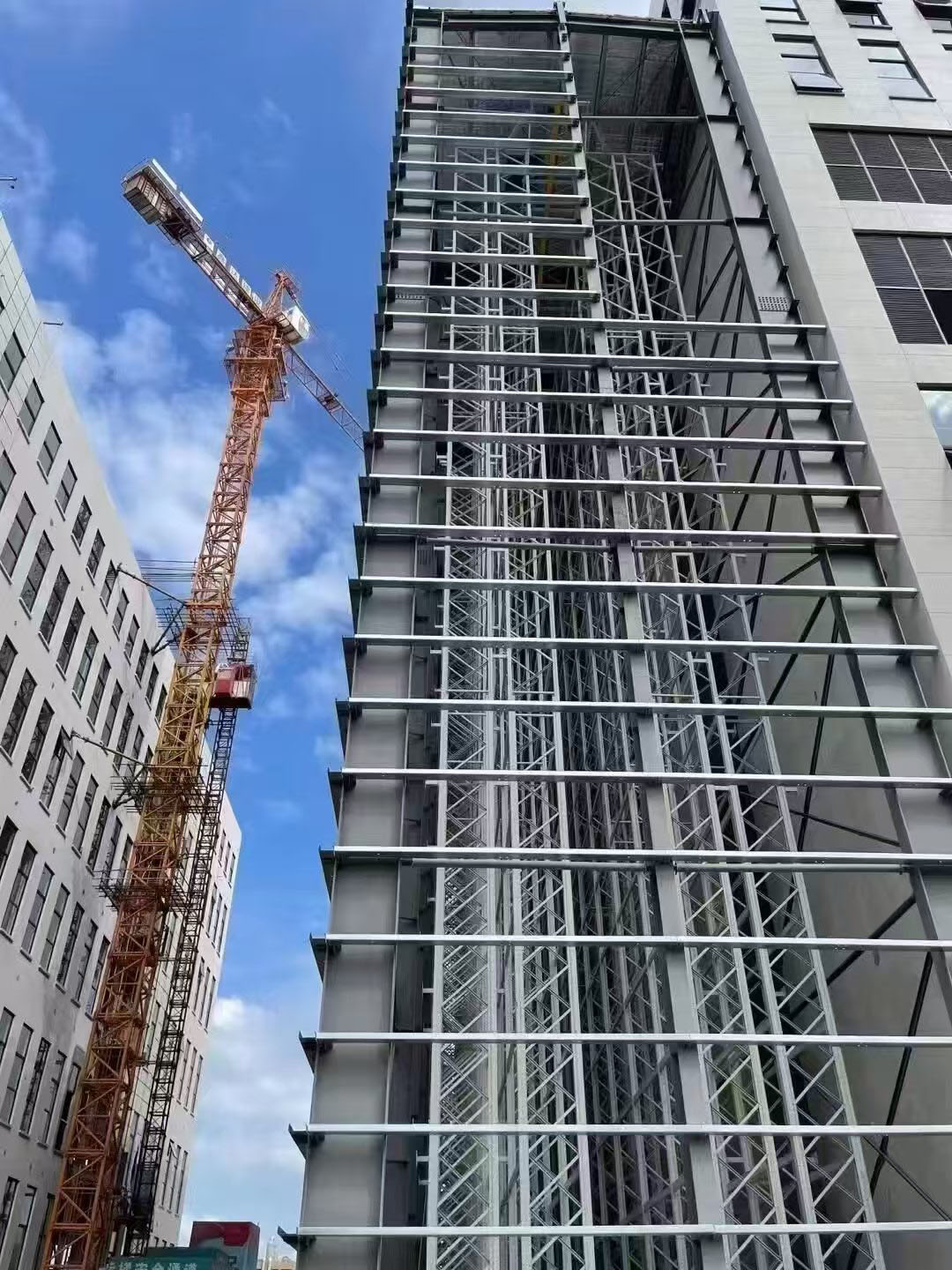
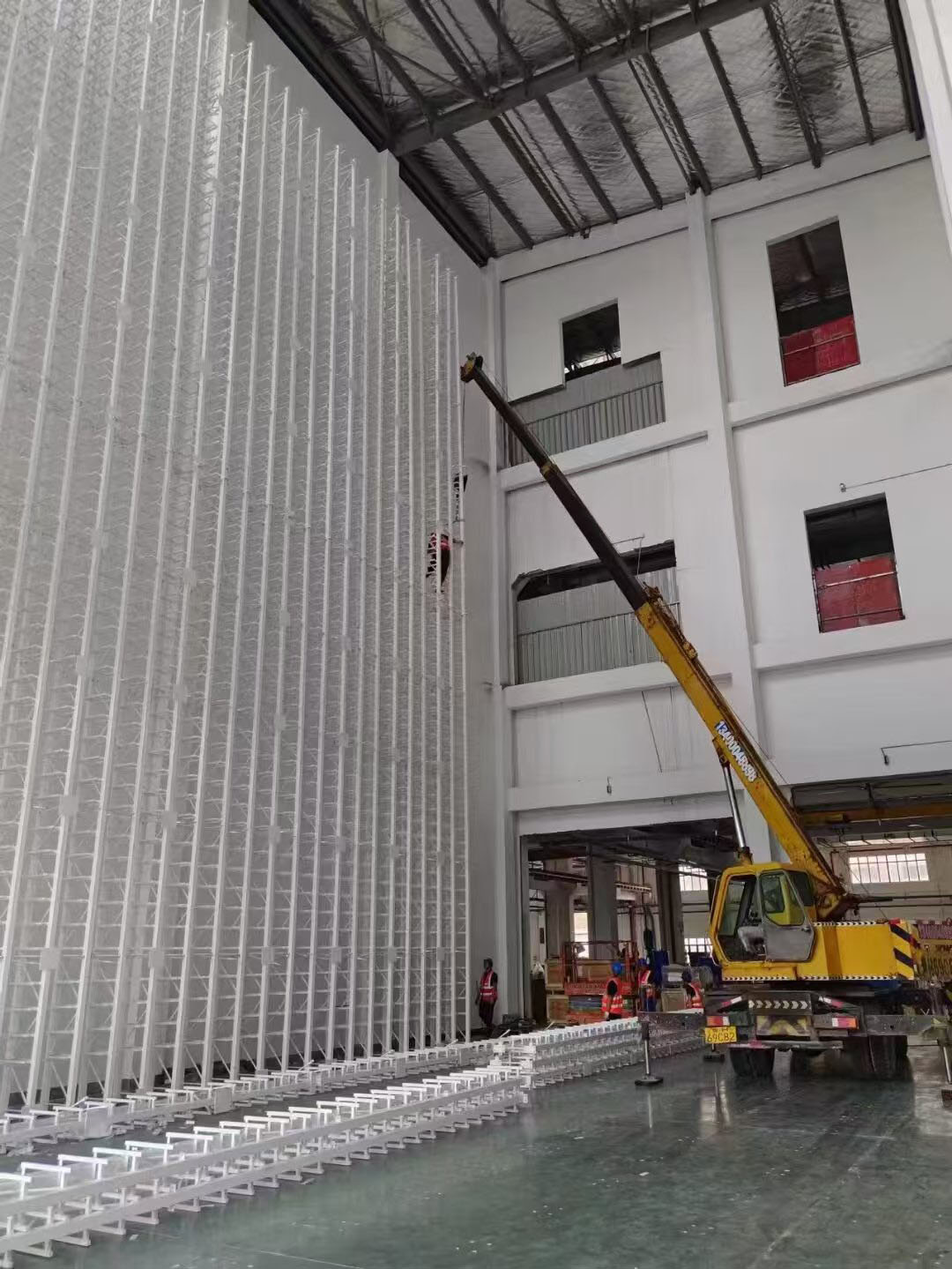
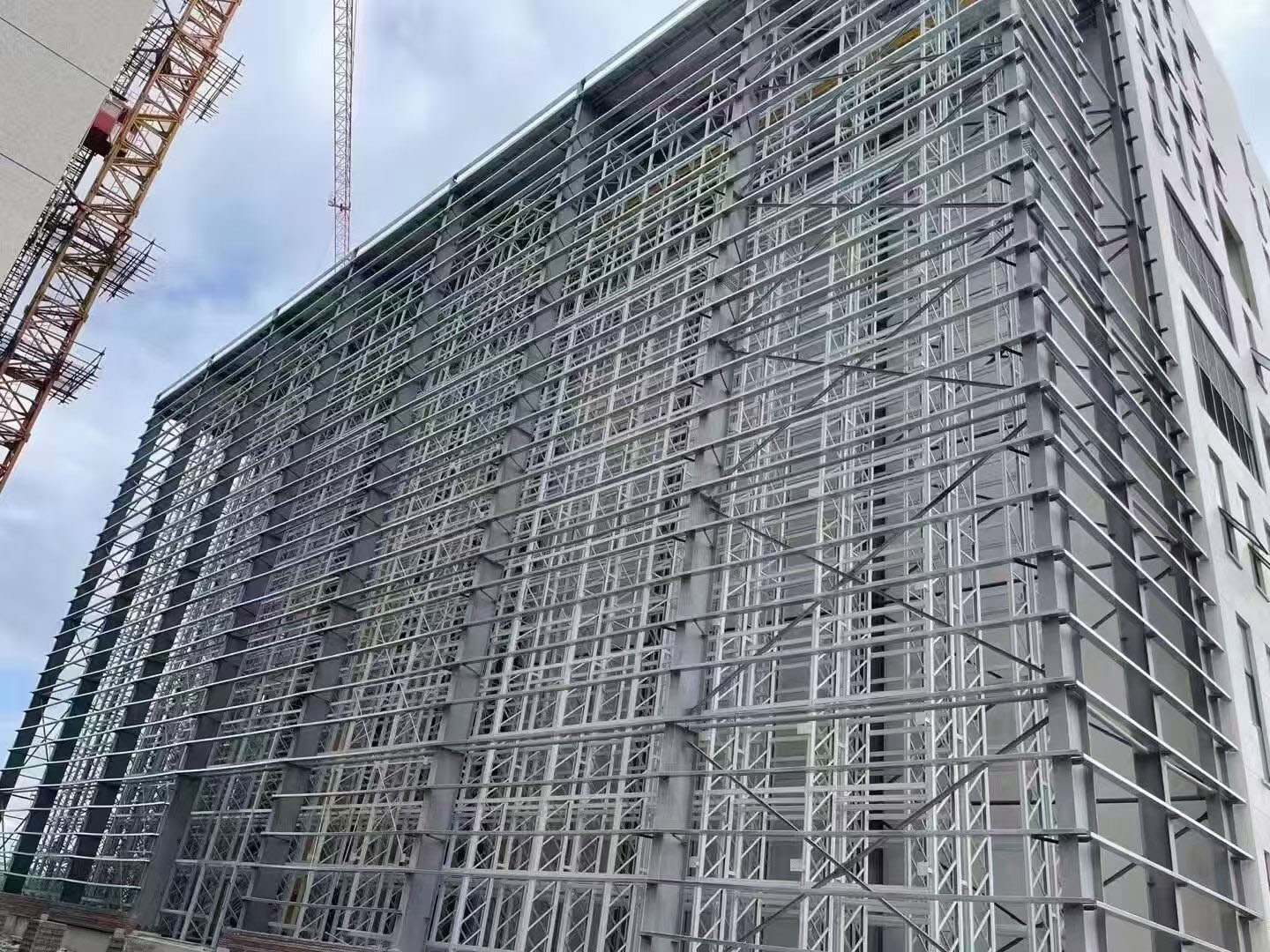
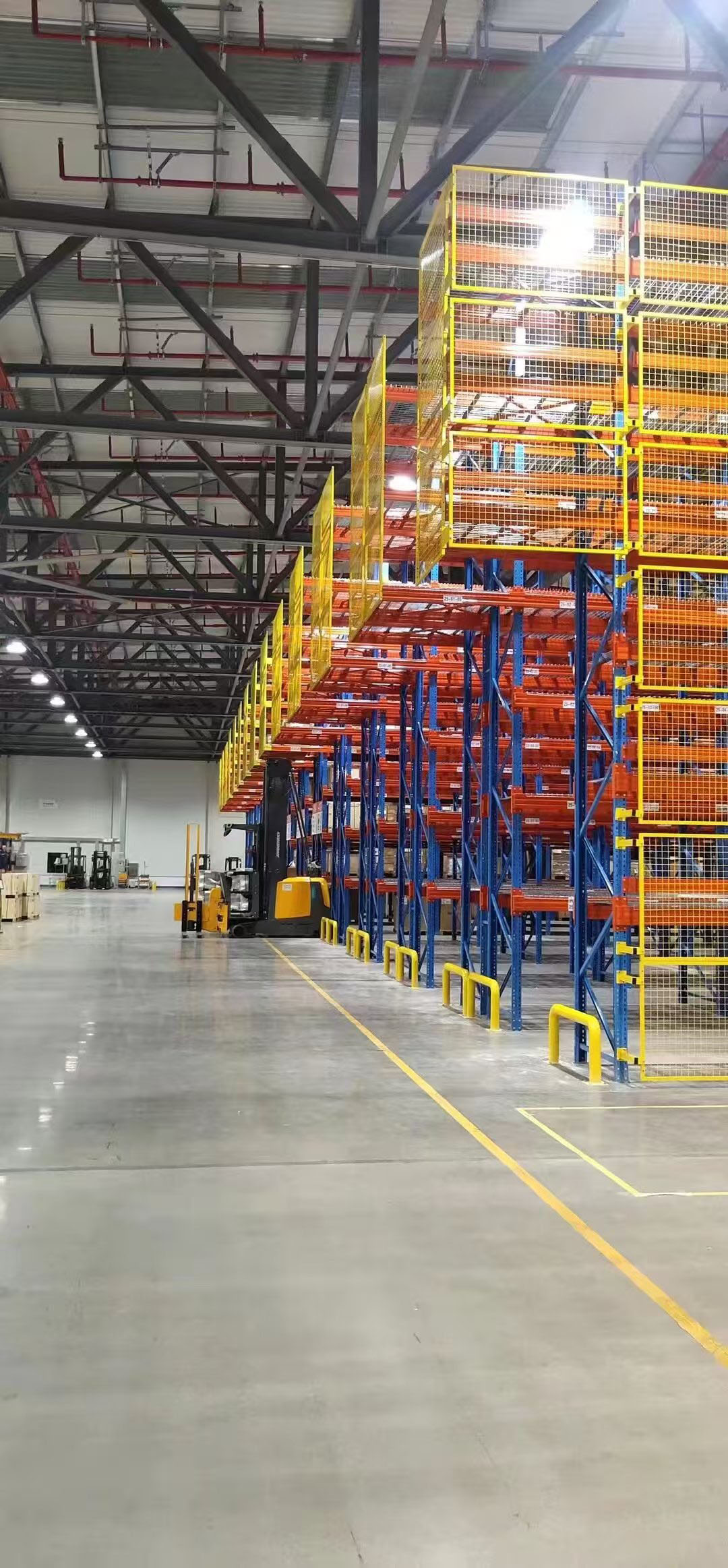
Construction: Where Precision Engineering Meets On-Site Reality
The most elegant design, the most thoroughly planned project, the most precisely manufactured equipment—all converge at a single point of truth: the construction site. This is where engineered drawings become three-dimensional reality, where components fabricated thousands of miles away are assembled into functioning systems, where the vision that launched the project is finally validated—or challenged.
Construction is not merely installation. It is the critical discipline of translation—converting specifications into sequences, drawings into alignments, components into systems. It requires not only technical competence but project management rigor, safety discipline, and the ability to adapt when reality deviates from plans. A project perfectly designed but poorly constructed will fail. A project with design challenges but expert construction will succeed.
KINGSHELVING approaches construction with a fundamental conviction: installation is not an afterthought—it is a core competency. Our construction teams are not subcontractors assembled for each project; they are permanent, trained, and experienced professionals who have erected thousands of automated systems across dozens of countries. They bring to your site not only tools and skills, but the accumulated knowledge of decades of successful implementations.
Core Positioning: The critical discipline of translation where engineering designs become operational reality; the on-site expertise that validates—or challenges—every prior project phase.
Strategic Value: Converts precision manufacturing into functional systems; manages the complexity of site conditions, schedules, and coordination; delivers the project as designed, on time, and safely.
KINGSHELVING Philosophy: Construction is not an afterthought—it is a core competency. Our teams are permanent professionals, not temporary subcontractors, bringing decades of accumulated experience to every site.
I. The Construction Imperative: Why Installation Defines Success
The Point of No Return
Construction is the phase where theoretical risks become real consequences. A clearance assumed in design but not achievable in the field becomes a collision. A sequence planned but not executed correctly becomes a delay. A safety procedure documented but not followed becomes an incident. There is no opportunity for redesign, no chance to revisit assumptions—only the immediate need to solve problems, maintain progress, and deliver quality.
The Coordination Challenge
A construction site is a complex ecosystem of activities:
Multiple trades: Structural erectors, mechanical installers, electricians, controls technicians, general contractor crews
Sequential dependencies: Racking must be installed before cranes can be erected; cranes before conveyors can be aligned; conveyors before controls can be tested
Shared space: Equipment, materials, and personnel competing for limited space and access
Dynamic conditions: Unforeseen site conditions, weather impacts, material delays, design clarifications
Successful construction manages this complexity through rigorous planning, clear communication, and disciplined execution.
The Quality Determinant
The quality of installation directly determines long-term system performance:
Alignment: A rack that is plumb within tolerance ensures smooth crane travel for decades; one that is out of tolerance causes accelerated wear and premature failure
Connections: Bolts torqued to specification transfer loads as designed; loose connections create stress concentrations and fatigue points
Cleanliness: Debris left in conveyor paths causes jams; contamination in control panels causes failures
Adjustments: Systems properly aligned and adjusted at installation require minimal ongoing maintenance; those rushed or skipped create chronic operational issues
The Safety Imperative
Construction is inherently hazardous. KINGSHELVING’s commitment to safety is absolute:
Zero-incident culture: Every team member empowered to stop work if conditions are unsafe
Comprehensive training: Site-specific safety orientation, task-specific training, regular refreshers
Rigorous procedures: Documented safe work practices for all high-risk activities—lifting, working at height, electrical work
Continuous oversight: On-site safety supervision, regular audits, incident investigation and prevention
Point of no return: Construction is where design assumptions meet field reality—problems must be solved immediately, not redesigned.
Coordination challenge: Multiple trades, sequential dependencies, shared space, dynamic conditions—managed through planning and discipline.
Quality determinant: Installation quality—alignment, connections, cleanliness, adjustments—directly determines long-term system performance.
Safety imperative: Absolute commitment to zero incidents through culture, training, procedures, and oversight.
II. The Construction Process: From Site Preparation to Mechanical Completion
Phase 1: Site Preparation and Mobilization
Before any equipment is installed, the site must be ready:
Site assessment: Verification of site conditions against design assumptions—floor flatness, column locations, overhead clearances, utility availability
Safety setup: Establishment of site safety protocols, emergency procedures, personal protective equipment requirements
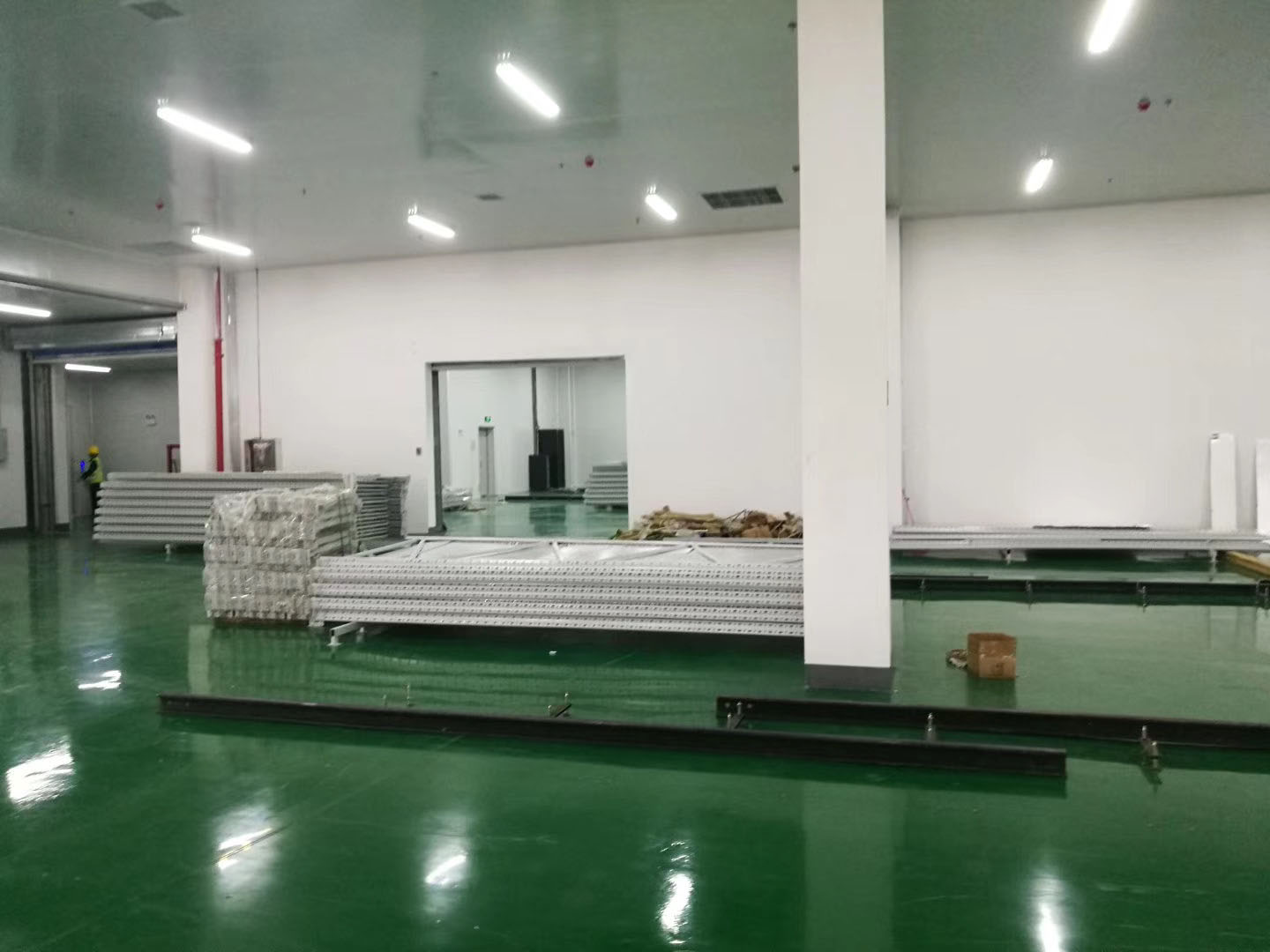
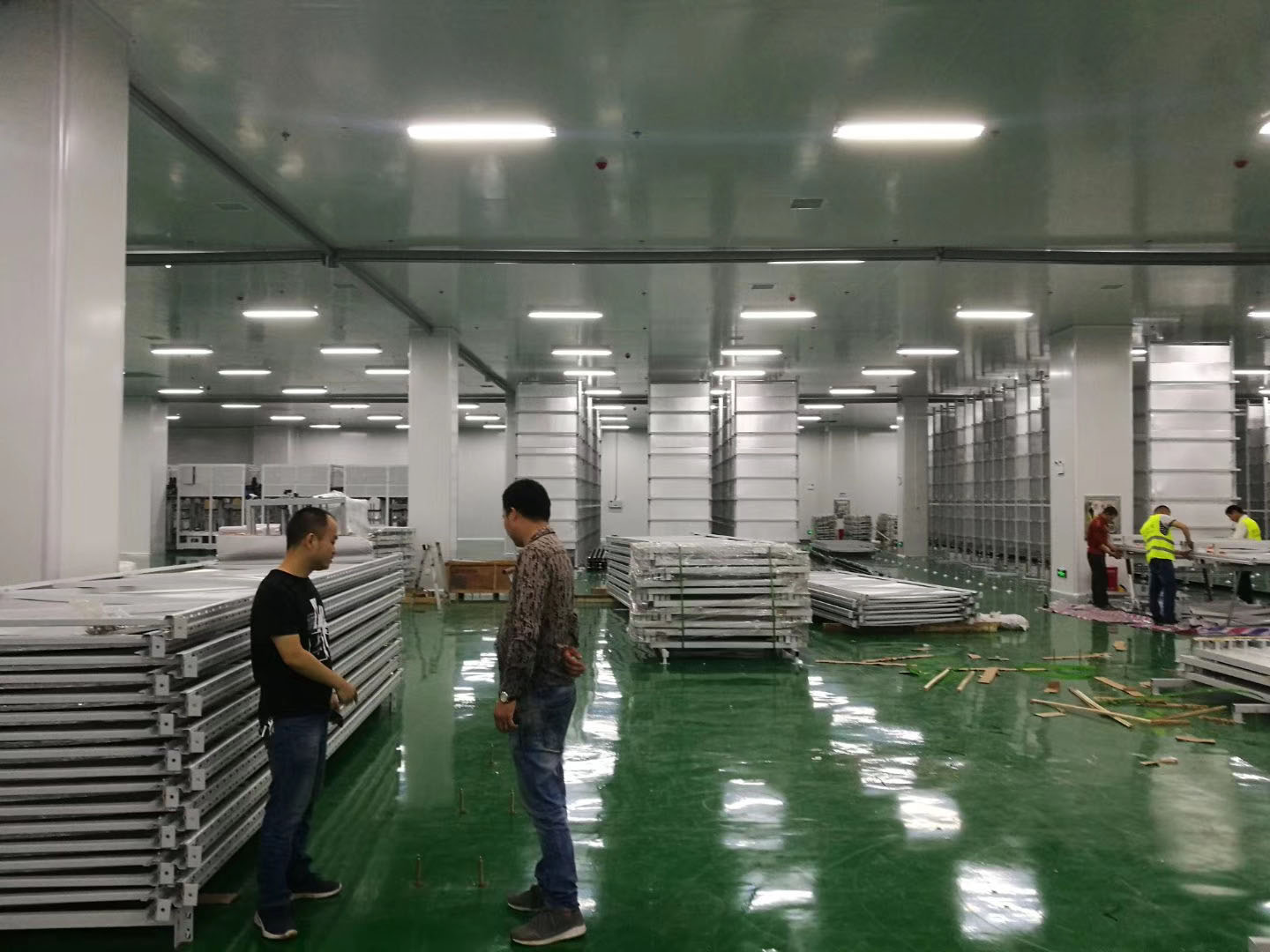
Mobilization: Delivery of tools, equipment, and materials; setup of site office, storage, and staging areas
Coordination: Alignment with general contractor and other trades on schedule, access, and interfaces
Phase 2: Racking Installation
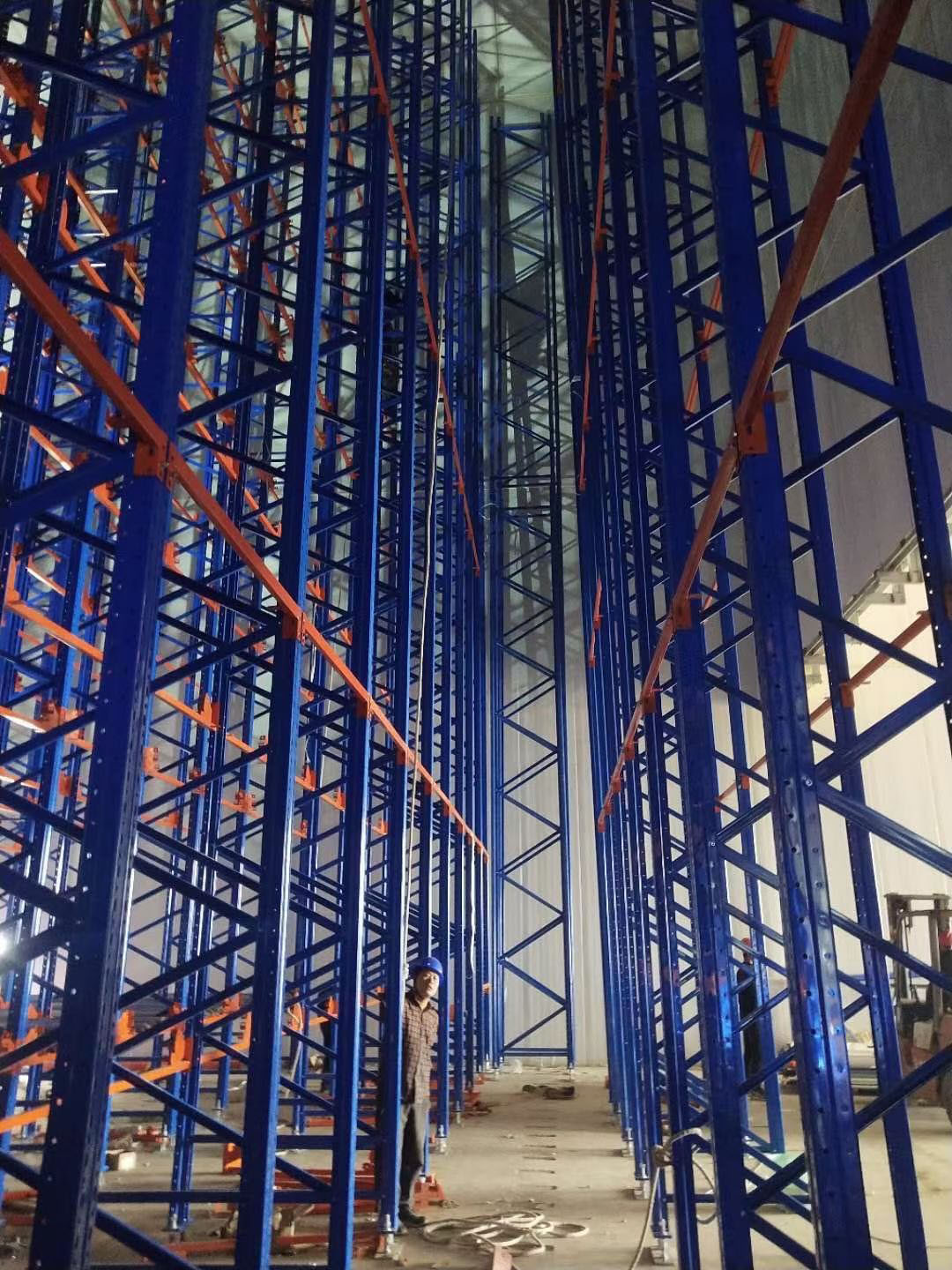
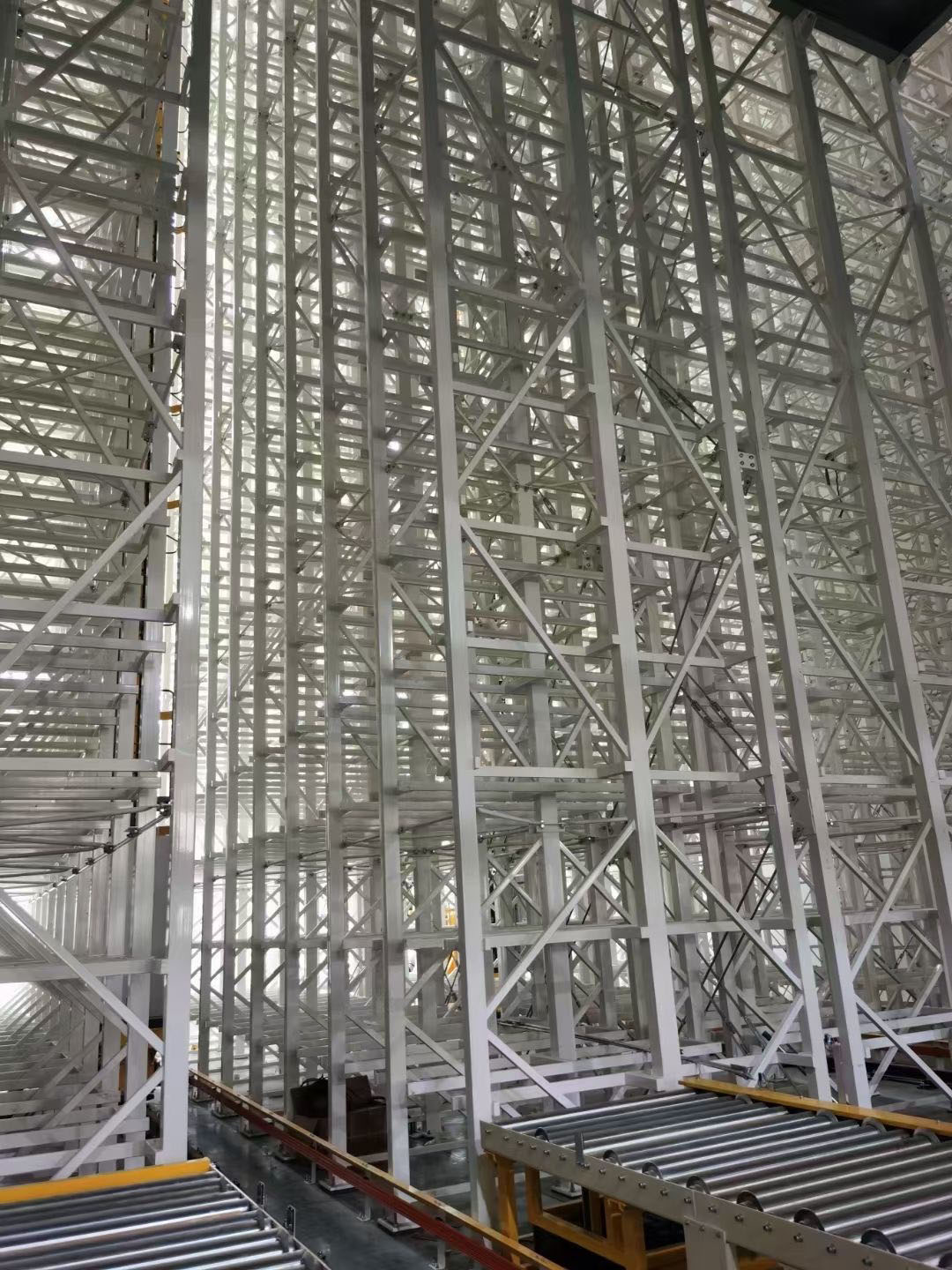
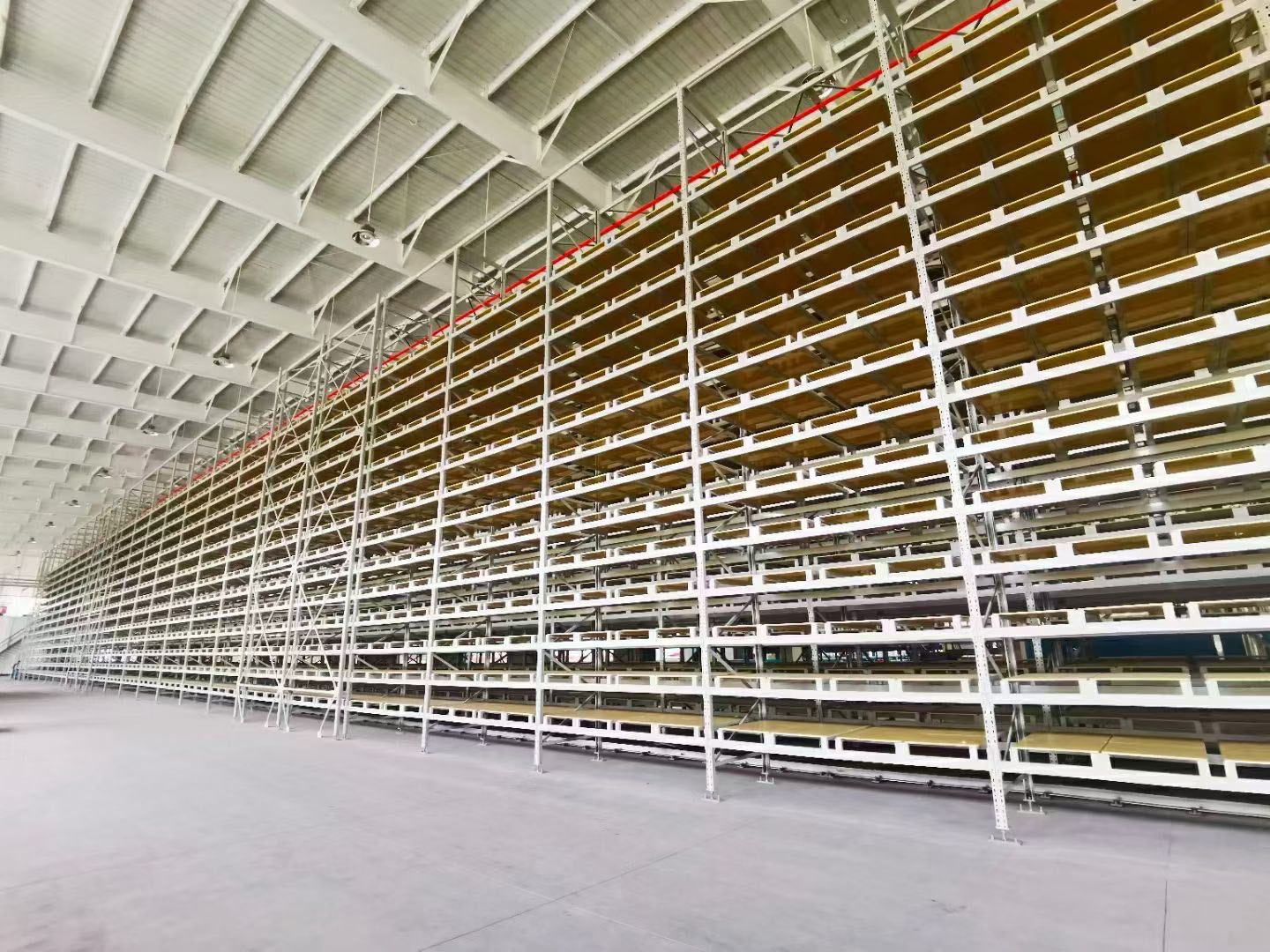
The structural foundation of the automated warehouse is erected first:
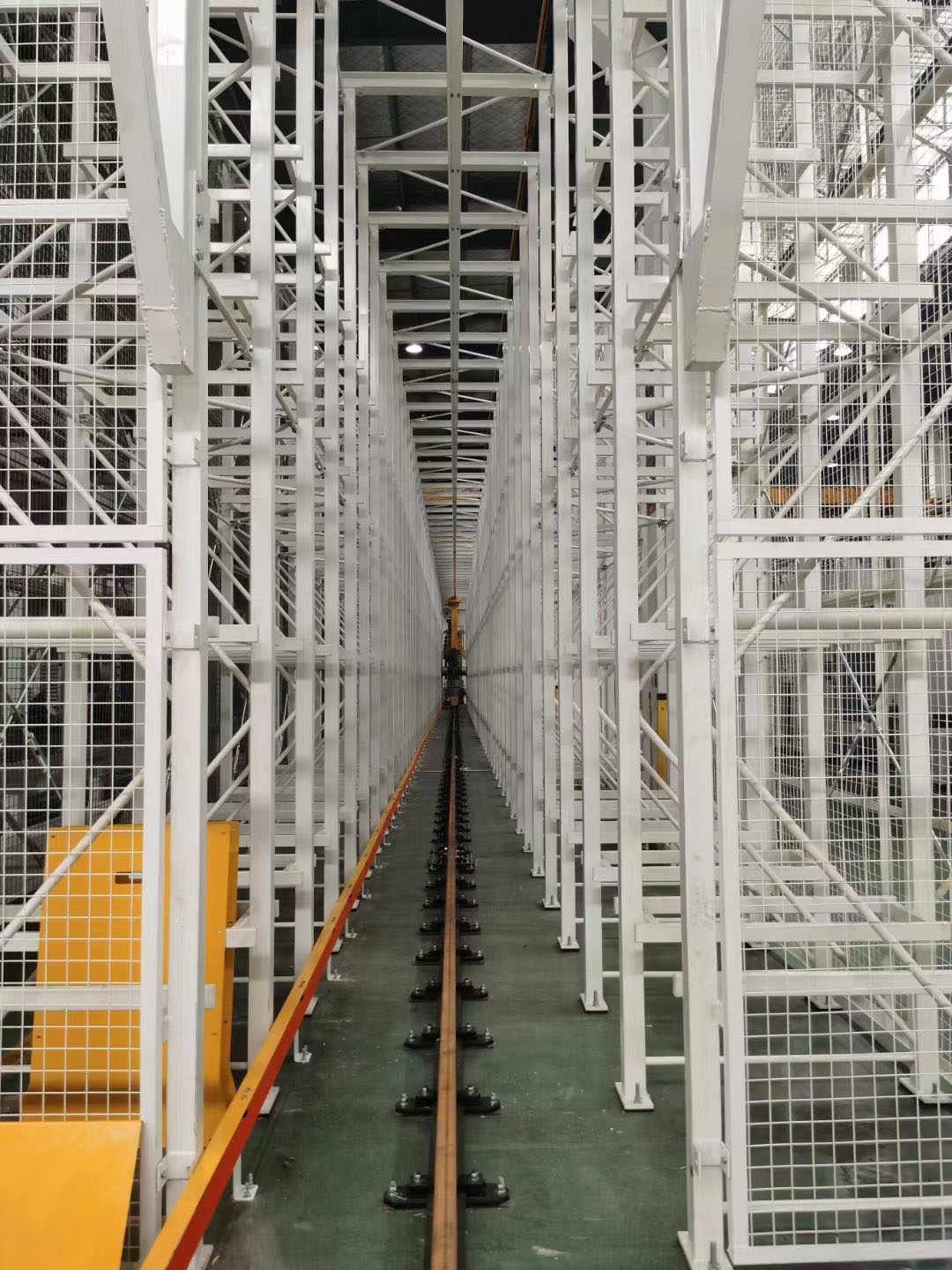
Layout and marking: Precise layout of rack footings using laser instruments; column locations marked to ±2 mm accuracy
Floor preparation: Verification of floor flatness; grinding or shimming as required to achieve specified tolerances
Anchor installation: Drilling and setting of anchor bolts; torque verification; chemical anchors where specified
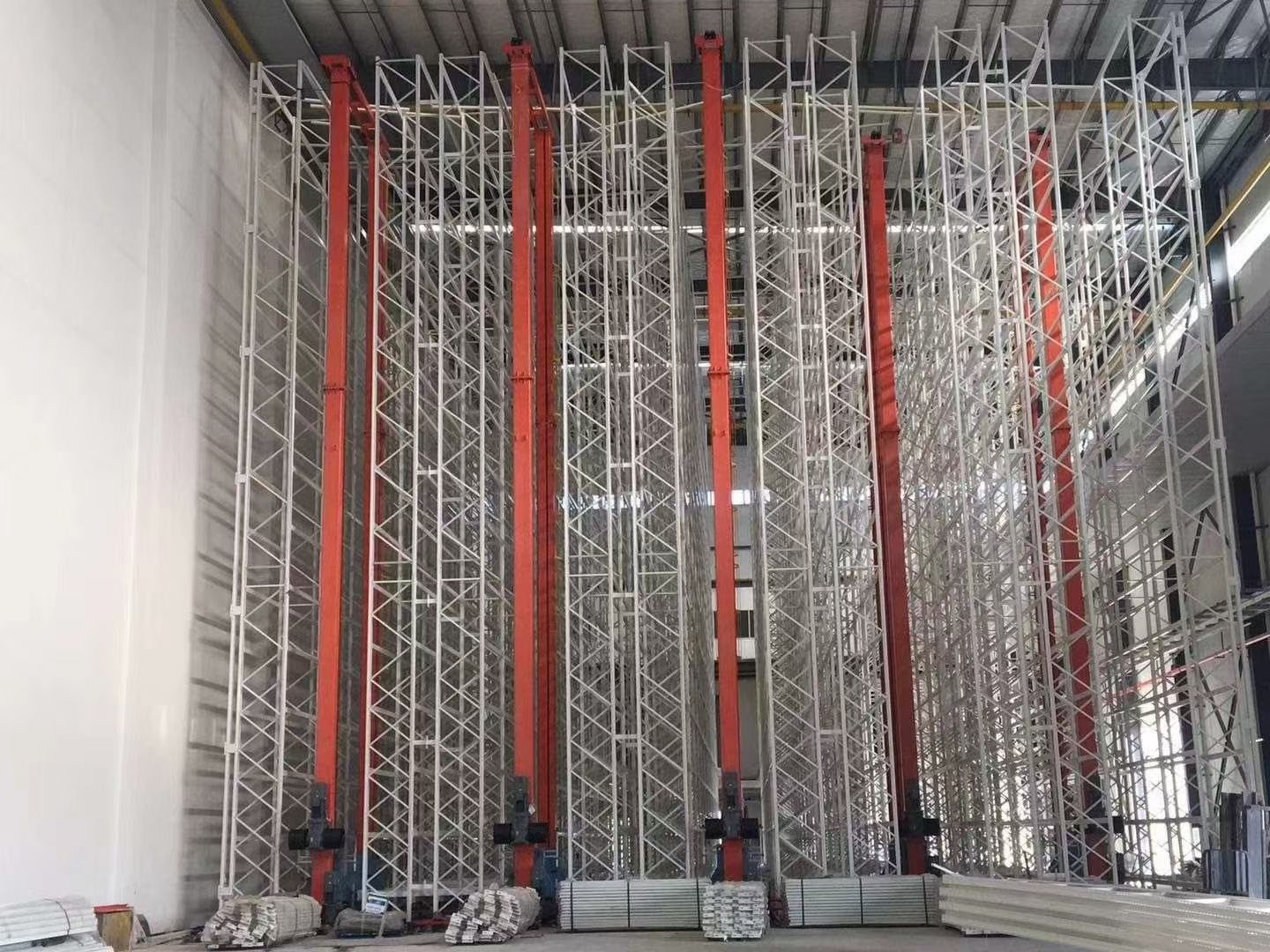
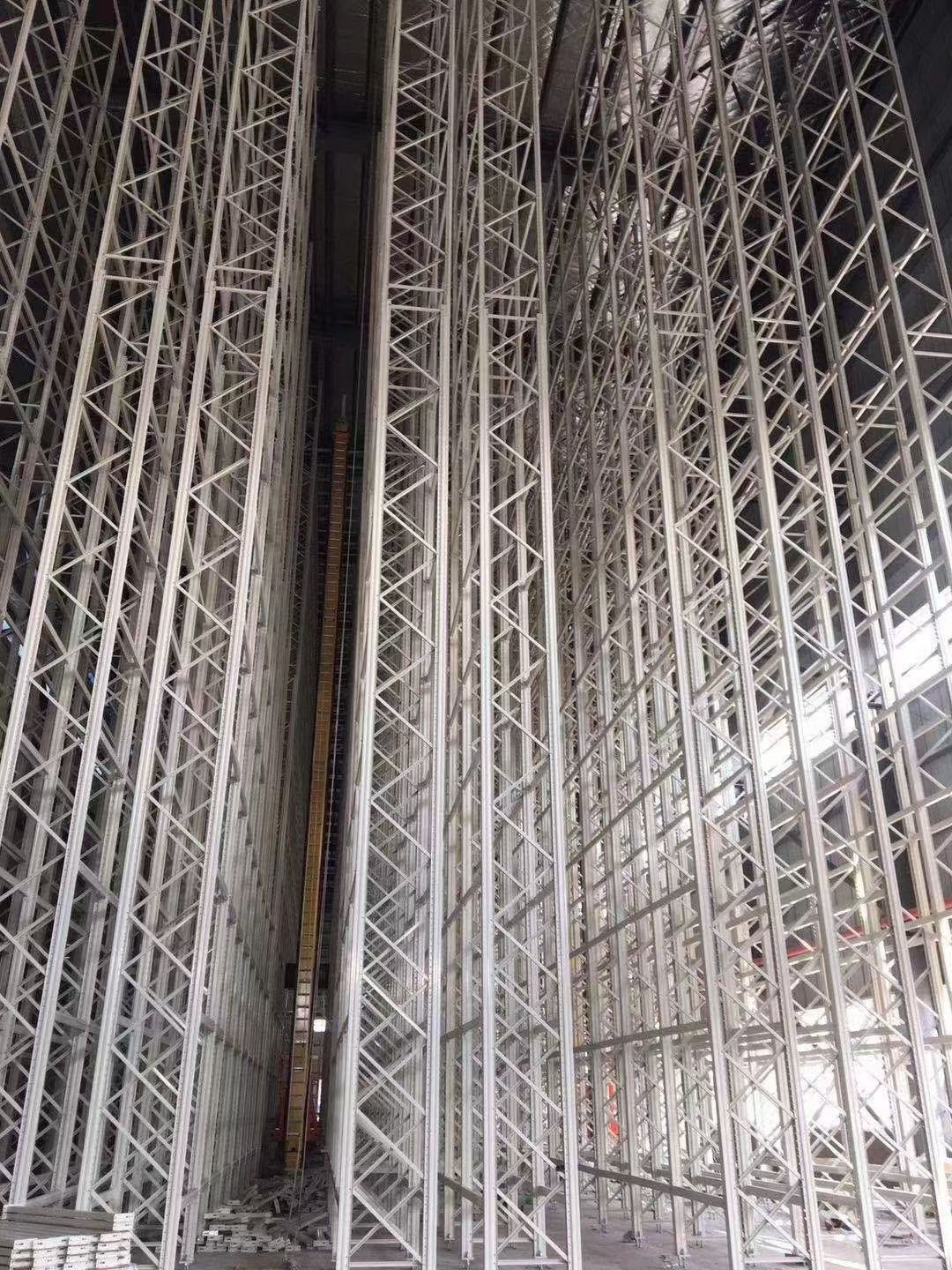
Frame erection: Upright frames erected and temporarily braced; plumbness verified; final bolting
Beam installation: Beams installed at specified levels; safety locks engaged; level verified
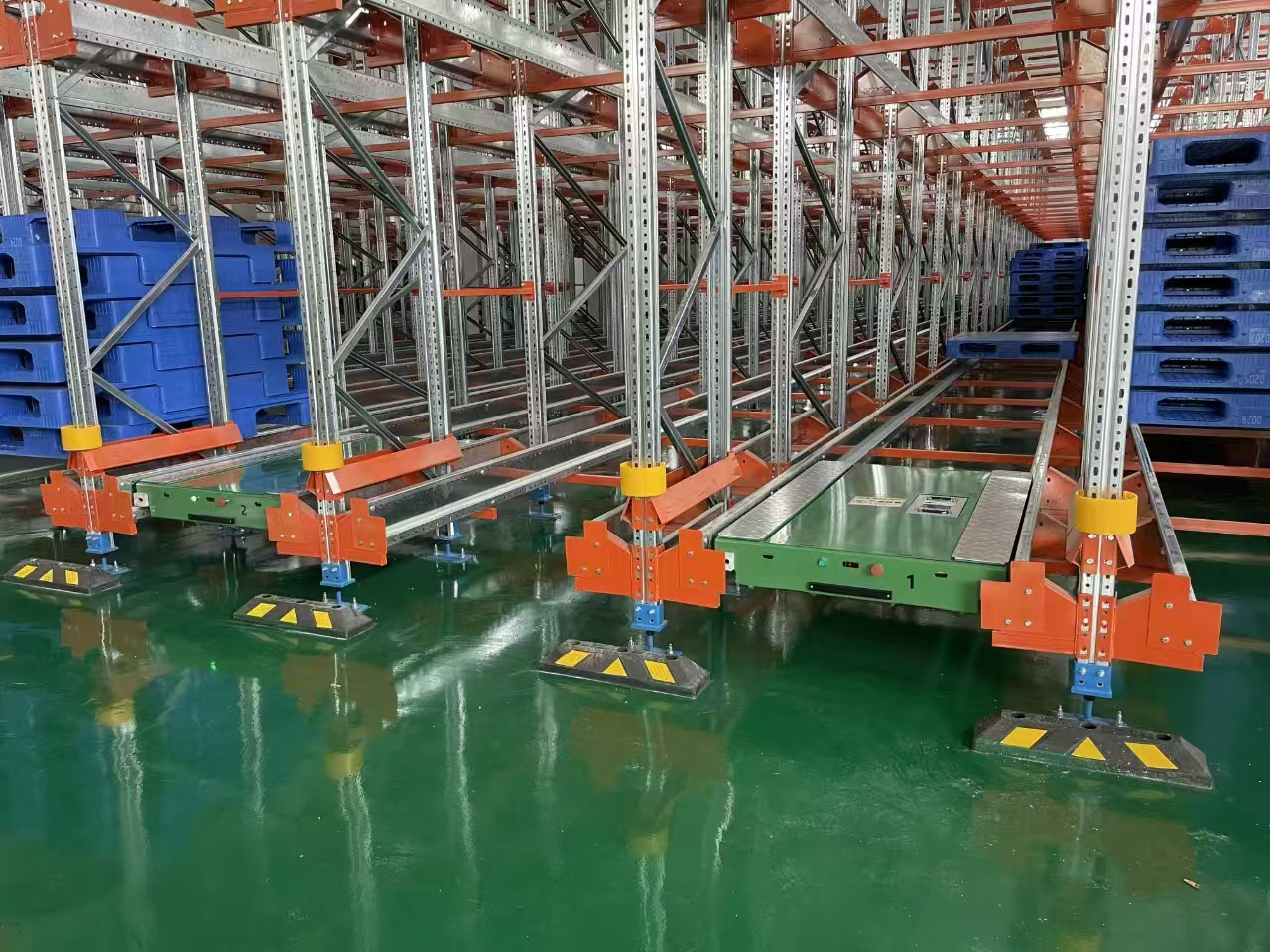
Rail installation: Crane rails, shuttle rails installed and aligned to exacting tolerances
Quality verification: Continuous inspection throughout; final survey of completed rack system
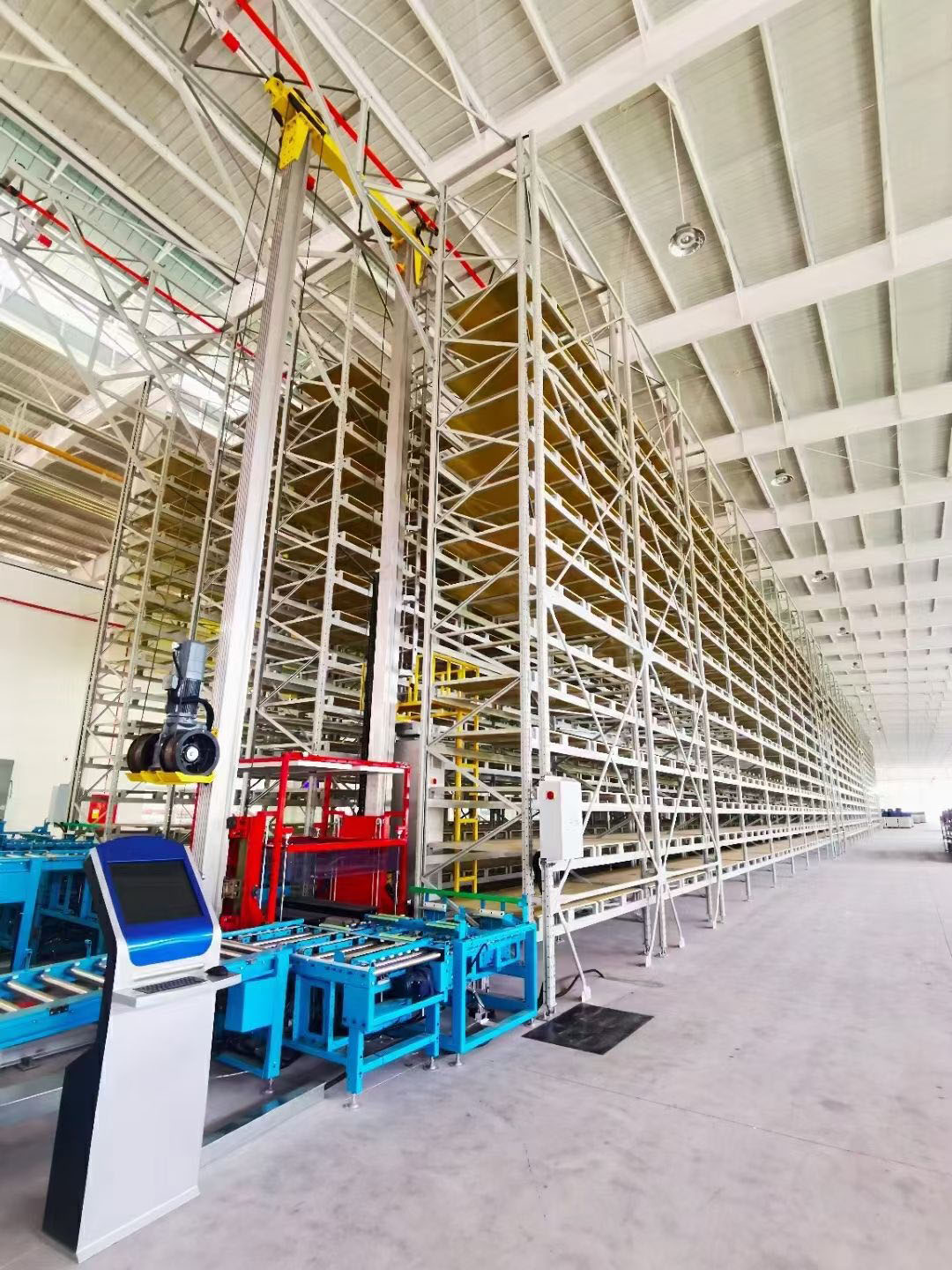
Phase 3: Equipment Installation
With the rack structure complete, automated equipment is installed:
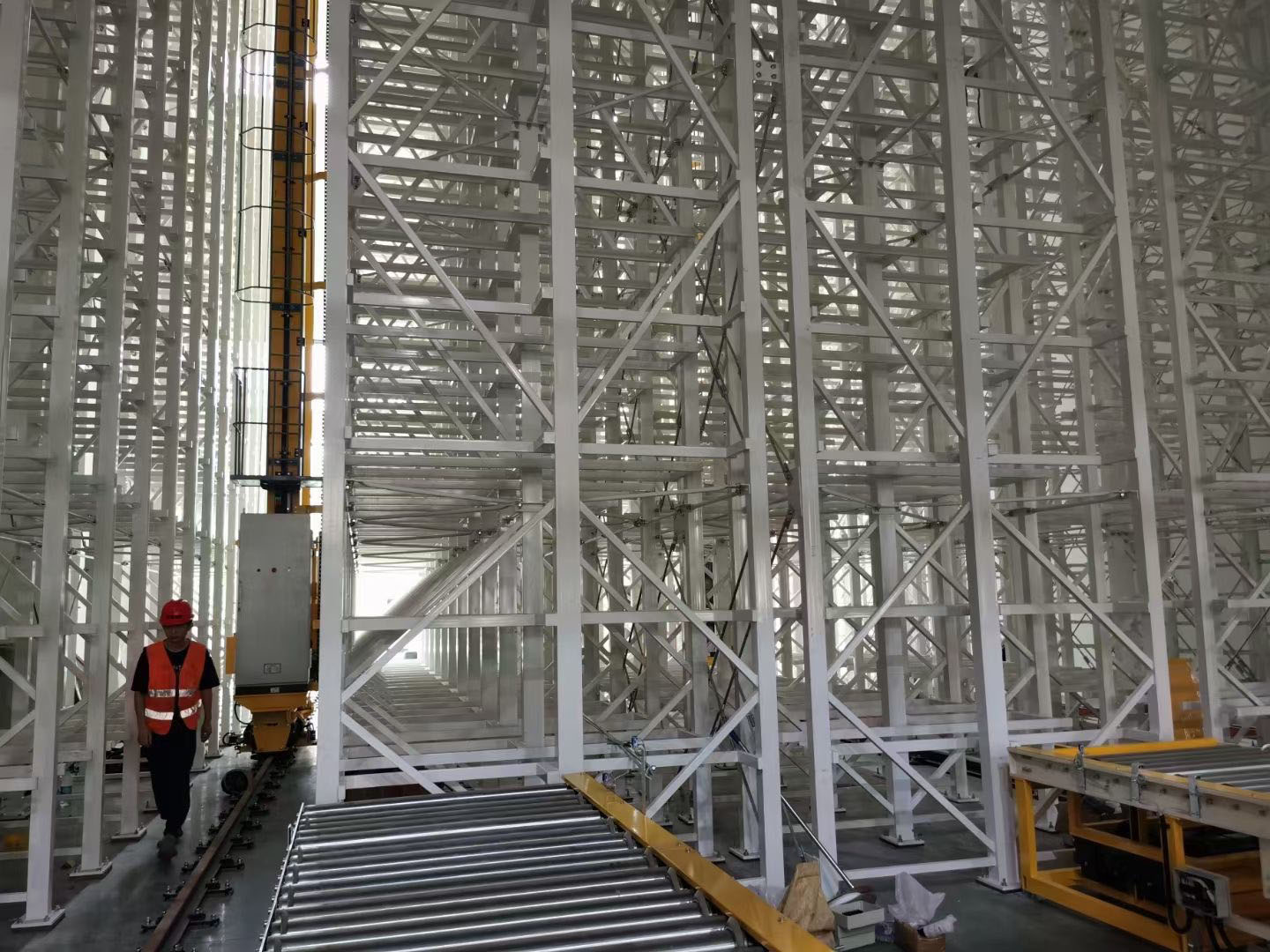
Crane installation: Masts, carriages, and drive systems erected; guide rails aligned; safety systems installed
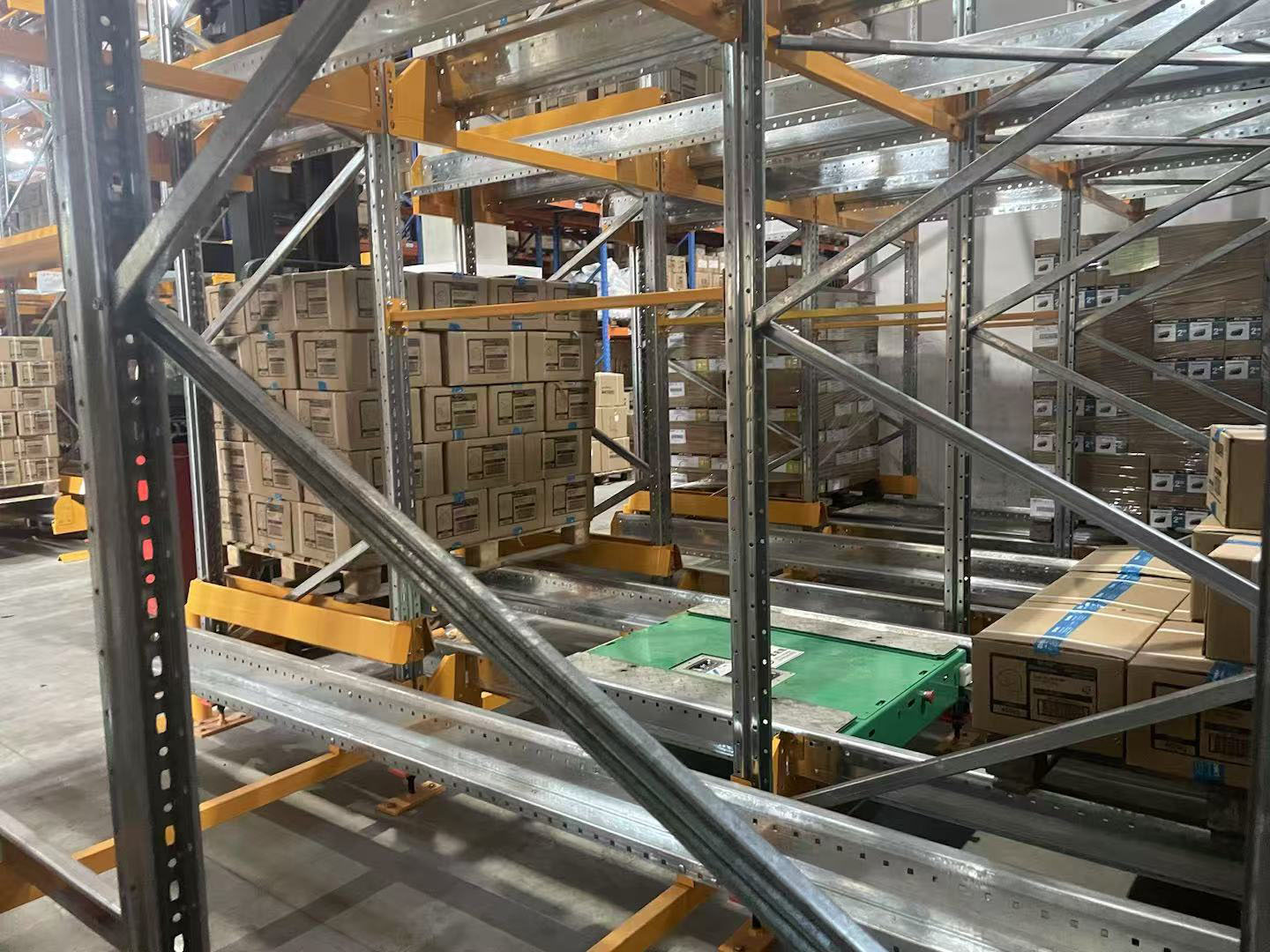
Shuttle installation: Shuttle vehicles placed on rails; commissioning mode verified; communication established
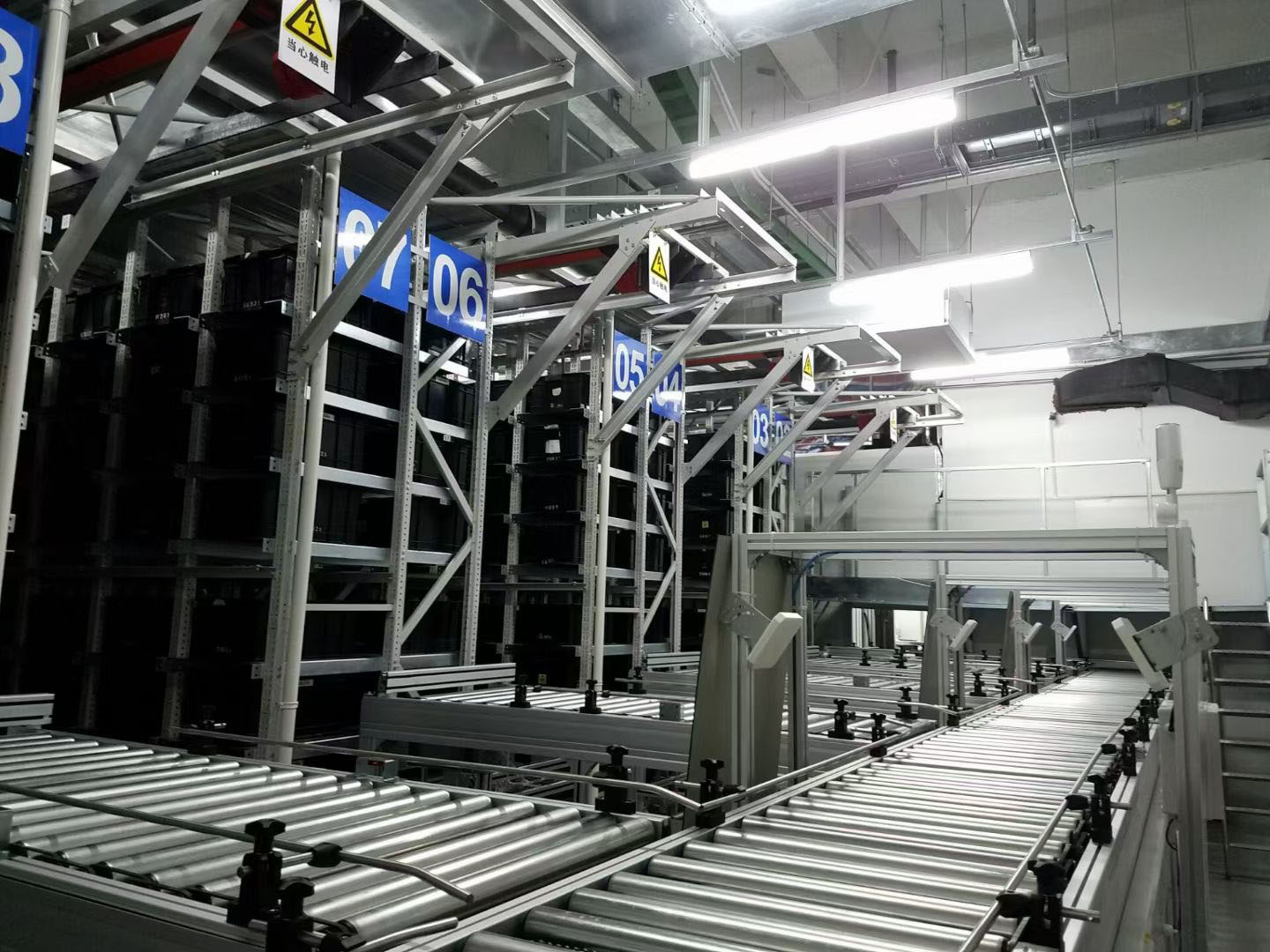
Conveyor installation: Conveyor sections positioned, connected, and aligned; drives and sensors installed
Lift installation: Lift towers erected; carriages installed; guide rails aligned; safety systems verified
Workstation installation: Operator workstations positioned; ergonomic adjustments made; interfaces connected
Phase 4: Electrical and Controls Installation
The nervous system of the automated warehouse is installed:
Power distribution: Main switchgear, panelboards, and branch circuits installed; proper grounding verified
Control panels: Panels positioned, mounted, and connected; wiring verified against schematics
Field wiring: Motors, sensors, and actuators wired to control panels; continuity and insulation tested
Network installation: Switches, cabling, and wireless access points installed; network connectivity verified
Safety system wiring: Emergency stops, light curtains, and safety interlocks wired and tested
Phase 5: Mechanical Completion and Handover to Commissioning
When installation is complete, the site is prepared for commissioning:
Cleanliness verification: All debris removed; equipment cleaned; work areas restored
Documentation: As-built drawings, test reports, and certifications compiled
Punch list: Identification and resolution of any incomplete or non-conforming items
Safety sign-off: Final verification of all safety systems and procedures
Handover: Formal transfer of responsibility to commissioning team
Phase 1 – Site preparation: Assessment, safety setup, mobilization, coordination.
Phase 2 – Racking installation: Layout, floor prep, anchor installation, frame/beam erection, rail installation—continuous quality verification.
Phase 3 – Equipment installation: Cranes, shuttles, conveyors, lifts, workstations positioned and aligned.
Phase 4 – Electrical/controls installation: Power distribution, panels, field wiring, network, safety systems.
Phase 5 – Mechanical completion: Cleanliness, documentation, punch list, safety sign-off, handover to commissioning.
III. Construction Management: Orchestrating Complexity
Project Planning
Every successful installation begins with a comprehensive plan:
Schedule development: Detailed timeline showing all activities, dependencies, and milestones; integrated with overall project schedule
Resource planning: Staffing plans, equipment requirements, material delivery schedules
Risk assessment: Identification of potential challenges—site access, weather, coordination risks—with mitigation strategies
Quality plan: Inspection and test plans for all critical activities; acceptance criteria defined
Site Management
On-site execution requires constant coordination and control:
Daily coordination meetings: Alignment with general contractor and other trades on schedule, access, and issues
Progress tracking: Daily reporting against plan; early identification of deviations; corrective action
Material management: Receiving, storage, and handling of materials; inventory tracking; damage prevention
Documentation control: Drawing revisions, specifications, and submittals managed; current versions available to all team members
Quality Management
Quality is not inspected in—it is built in through disciplined processes:
Inspection and test plans: Defined hold points for critical activities; inspection before proceeding
First-piece verification: First installation of each type inspected comprehensively; subsequent installations verified to standard
Continuous inspection: Ongoing verification of alignment, torque, connections, and cleanliness
Documentation: Complete records of all inspections, tests, and verifications
Safety Management
Safety is non-negotiable. KINGSHELVING’s safety program includes:
Site-specific safety plan: Hazards identified; controls defined; emergency procedures documented
Daily safety briefings: Toolbox talks covering day’s activities, hazards, and precautions
Permit systems: Formal permits for high-risk activities—hot work, confined space, lifting
Regular audits: Site safety inspections by supervision; third-party audits as required
Incident reporting: Immediate reporting and investigation of all incidents and near-misses
Project planning: Schedule, resource planning, risk assessment, quality plan.
Site management: Daily coordination, progress tracking, material management, documentation control.
Quality management: Inspection plans, first-piece verification, continuous inspection, documentation.
Safety management: Site-specific plan, daily briefings, permit systems, regular audits, incident reporting.
IV. Specialized Construction Capabilities
High-Bay Installation
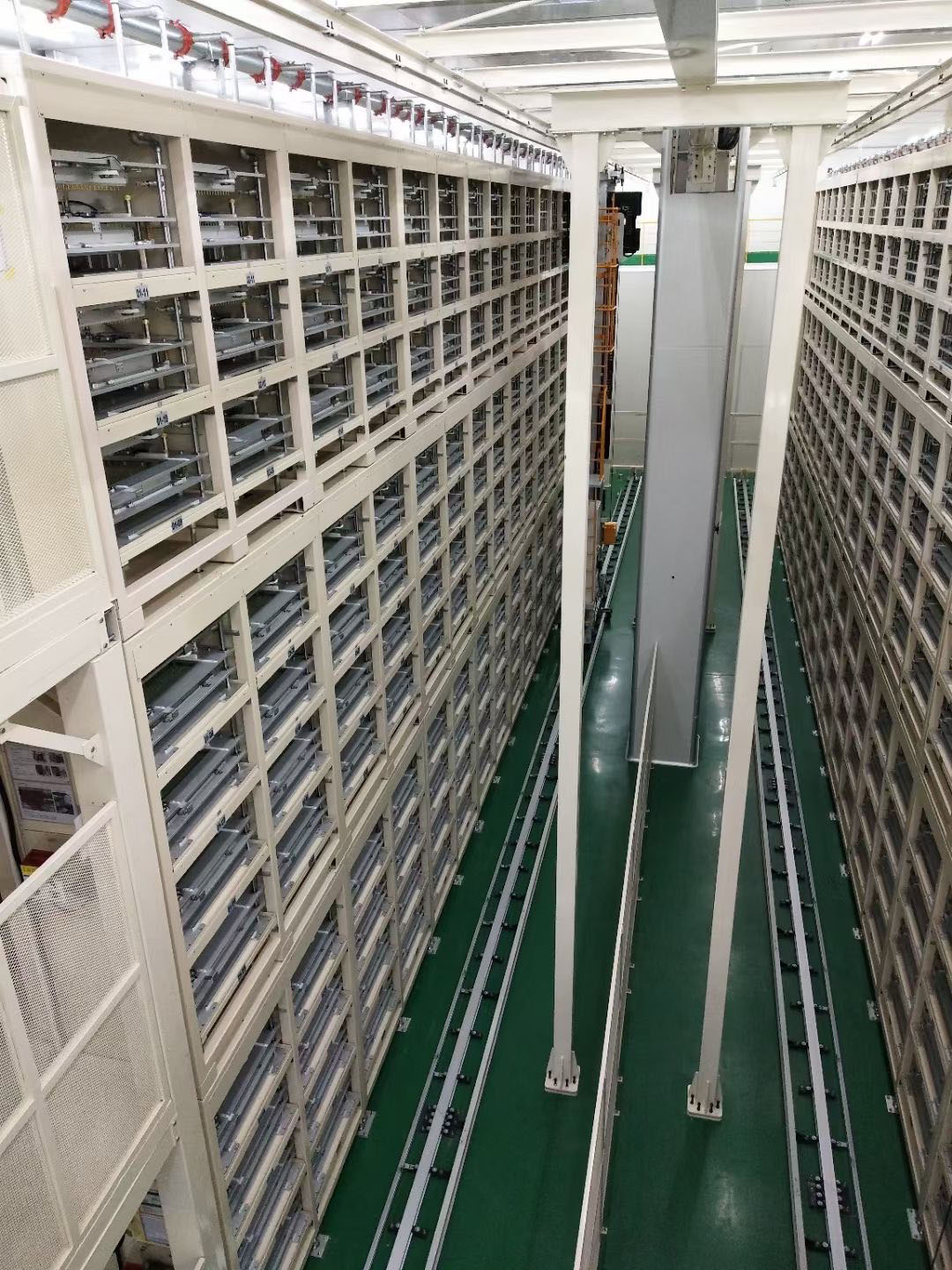
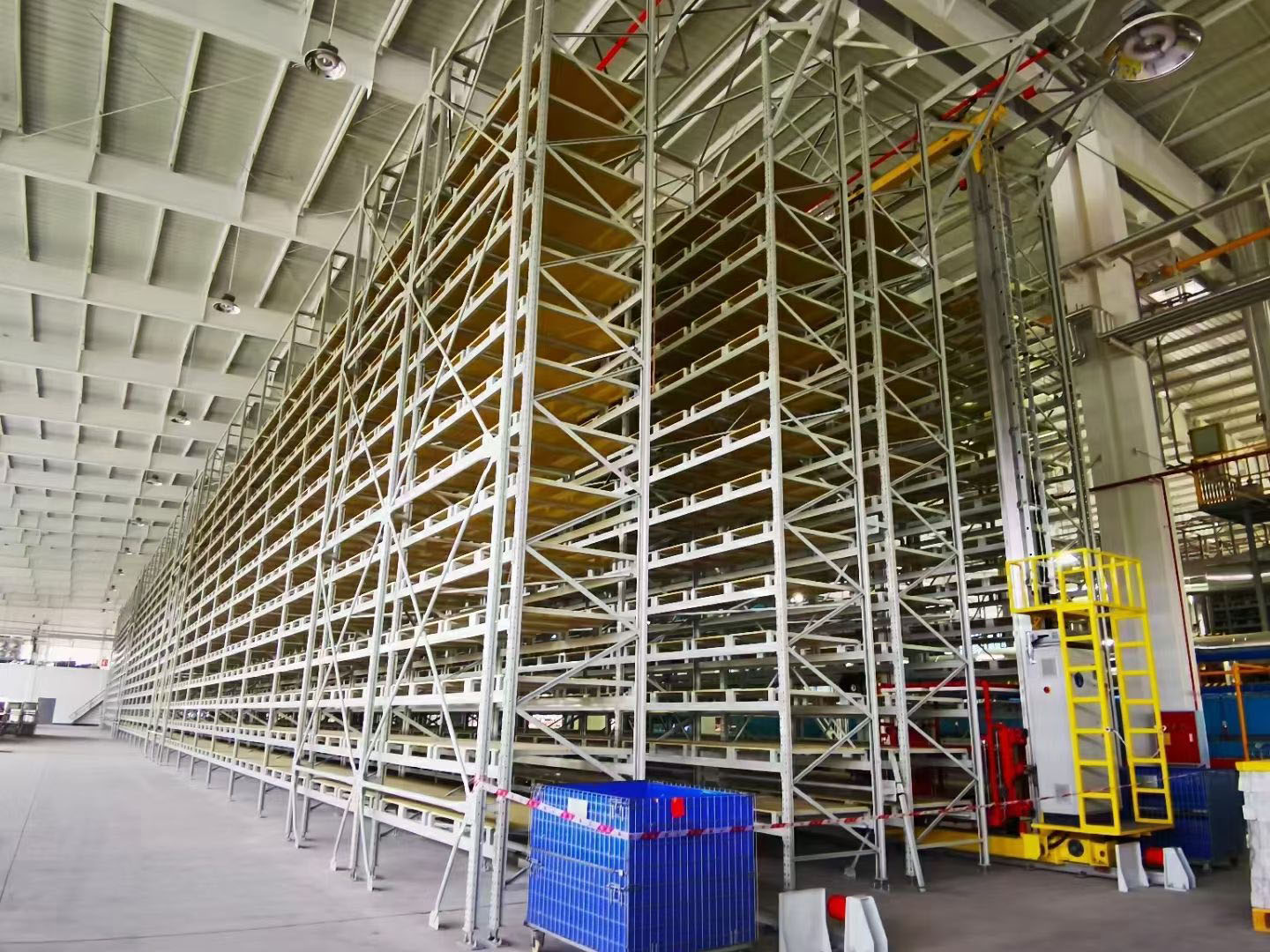
Automated warehouses increasingly reach heights of 25 meters and above. KINGSHELVING’s construction teams are equipped and trained for high-bay work:
Specialized equipment: Scissor lifts, boom lifts, and mast climbers rated for high-bay access
Fall protection: Comprehensive fall arrest systems; 100% tie-off required for all elevated work
Precision alignment: Laser instruments and total stations for verifying plumb and level at height
Sequenced erection: Systematic approach ensuring stability during construction
Cold Storage Construction
Freezer and cold storage environments present unique construction challenges:
Cold-rated equipment: Tools and equipment rated for continuous -30°C operation
Condensation control: Procedures to prevent moisture ingress and ice formation
Personnel protection: Cold-weather gear, warm-up breaks, monitoring for cold stress
Material handling: Materials staged to prevent freezing; special procedures for adhesives and coatings
Phased work: Coordination with refrigeration system installation to minimize temperature excursions
Brownfield Installation
Installing new automation in operating facilities requires special approaches:
Phased implementation: Work sequenced to maintain partial operations during construction
Temporary protection: Barriers, dust screens, and protective covers to separate construction from operations
Off-shift work: Night and weekend work to minimize impact on operations
Logistics coordination: Material deliveries coordinated with operational schedules
Communication: Constant coordination with facility management to manage expectations and address concerns
Multi-Site Rollouts
For clients deploying automation across multiple facilities, KINGSHELVING offers coordinated installation programs:
Standardized processes: Consistent methods across all sites; lessons learned applied continuously
Dedicated teams: Core teams that move from site to site, building expertise and efficiency
Central coordination: Program management office overseeing all sites; consistent reporting and communication
Supply chain synchronization: Coordinated material deliveries to multiple sites
Knowledge transfer: Best practices documented and shared across sites
High-bay installation: Specialized equipment, fall protection, precision alignment, sequenced erection for heights 25m+.
Cold storage construction: Cold-rated equipment, condensation control, personnel protection, phased coordination with refrigeration.
Brownfield installation: Phased implementation, temporary protection, off-shift work, logistics coordination, constant communication.
Multi-site rollouts: Standardized processes, dedicated teams, central coordination, supply chain synchronization, knowledge transfer.
V. Quality Assurance in Construction
Pre-Installation Verification
Before installation begins, critical conditions are verified:
Site readiness: Confirmation that site conditions match design assumptions—floor flatness, column locations, utilities
Material verification: All materials checked against specifications; damage identified and addressed
Foundation verification: Anchor bolt locations, projections, and alignment checked
Coordination confirmation: Interfaces with other trades verified; conflicts resolved
In-Process Inspection
Quality is verified continuously throughout installation:
Rack alignment: Plumb and level verified for every upright; beam elevations checked; rail straightness measured
Connection verification: Bolt torques verified; welds inspected; safety locks engaged
Equipment alignment: Crane rails checked for straightness and level; shuttle rails verified; conveyor alignments measured
Electrical verification: Wiring checked against schematics; continuity and insulation tested; grounding verified
Testing and Validation
Before commissioning begins, systems are tested:
Mechanical testing: Manual operation of moving equipment; clearance verification; interference checks
Electrical testing: Power-up of control panels; motor rotation checks; sensor verification
Safety system testing: Emergency stop functions; light curtain operation; interlock verification
System integration testing: Communication between controllers and equipment; handshake verification
Documentation
Complete records are maintained throughout construction:
Daily reports: Activities, progress, issues, and resolutions documented daily
Inspection records: All inspections and tests documented with results
As-built documentation: Record drawings showing actual installed conditions
Material certifications: Certificates of compliance for all materials and components
Pre-installation verification: Site readiness, material verification, foundation checks, coordination confirmation.
In-process inspection: Rack alignment, connection verification, equipment alignment, electrical verification.
Testing and validation: Mechanical, electrical, safety, and integration testing before commissioning.
Documentation: Daily reports, inspection records, as-built drawings, material certifications.
VI. Safety: The Foundation of Everything
Safety Culture
KINGSHELVING’s safety approach is not just about rules—it is about culture:
Leadership commitment: Management visibly demonstrates commitment to safety; safety performance is a key metric
Worker empowerment: Every team member has authority and responsibility to stop work if conditions are unsafe
Continuous learning: Incidents and near-misses investigated; lessons learned shared across all teams
Recognition: Safe behavior recognized and celebrated; safety champions acknowledged
Hazard Identification and Control
All construction hazards are systematically addressed:
| Hazard Category | Typical Controls |
|---|---|
| Working at height | Fall arrest systems, guardrails, safety nets, ladder safety devices |
| Lifting and rigging | Certified equipment, trained operators, lift plans, exclusion zones |
| Electrical work | Lockout/tagout, voltage testing, insulated tools, qualified personnel |
| Heavy equipment | Spotter, backup alarms, designated travel paths, operator training |
| Confined spaces | Permit system, atmospheric monitoring, rescue plan |
| Chemical exposure | SDS review, proper PPE, ventilation, spill containment |
Training and Competency
Every team member is trained and qualified for their role:
Site-specific orientation: All personnel trained on site rules, hazards, and emergency procedures
Task-specific training: Operators trained on specific equipment; technicians trained on specific tasks
Certification: Required certifications maintained—crane operation, rigging, electrical, welding
Regular refreshers: Periodic training updates; toolbox talks on relevant topics
Emergency Preparedness
Every site is prepared for emergencies:
Emergency plan: Documented procedures for fire, medical emergency, severe weather, other scenarios
Emergency equipment: First aid kits, fire extinguishers, eyewash stations, emergency communication
Drills: Regular emergency drills to ensure readiness
Medical support: Trained first aid providers on site; emergency medical services contact information posted
Safety culture: Leadership commitment, worker empowerment, continuous learning, recognition.
Hazard control: Systematic identification and control of working at height, lifting, electrical, heavy equipment, confined space, chemical hazards.
Training: Site orientation, task-specific training, certification, regular refreshers.
Emergency preparedness: Emergency plan, equipment, drills, medical support.
VII. The KINGSHELVING Construction Advantage
Permanent, Experienced Workforce
Many construction teams are assembled for each project—temporary workers hired, trained, and dispersed. KINGSHELVING’s construction teams are permanent employees, not temporary subcontractors. They have installed thousands of systems across dozens of countries. They bring to your site not only skills but judgment—the ability to anticipate problems, adapt to conditions, and maintain quality when the unexpected occurs.
Integrated with Engineering
Because our construction teams work alongside our engineers daily, they understand not just how to install, but why systems are designed as they are. When field conditions require adaptation, they make informed decisions that preserve design intent. When they identify opportunities for improvement, that feedback flows directly back to engineering. This integration—rare in the industry—delivers better outcomes on every project.
Global Capability, Local Execution
KINGSHELVING constructs projects worldwide, but we execute them locally. Our teams include local personnel familiar with local codes, practices, and conditions. We maintain relationships with local subcontractors where needed. We understand the regulatory environment in every region where we work. You get the capability of a global organization with the responsiveness of a local partner.
Safety Record That Matters
Safety is not a slogan—it is a measurable outcome. KINGSHELVING’s safety record is among the best in our industry. We have completed millions of work-hours without a lost-time incident across multiple sites. This record is not accidental; it is the result of systematic investment in training, procedures, and culture. When you choose KINGSHELVING, you choose a partner that prioritizes your people’s safety as much as you do.
Schedule Reliability
Construction delays are the most common source of project overruns. KINGSHELVING’s construction teams deliver on schedule, consistently. Our detailed planning, experienced workforce, and integrated approach minimize the surprises that derail other projects. We understand the cost of delay to your operation, and we share your commitment to timely completion.
Your Design. Our Construction. Your System, Realized.
The automated warehouse that performs flawlessly for decades is not built by accident. It is built by disciplined, experienced construction—teams that understand the equipment they install, the designs they execute, and the operations they enable. It is built by people who take pride in alignment measured in millimeters, connections torqued to specification, and systems that function exactly as intended from the first day of operation.
KINGSHELVING’s construction capability delivers that disciplined execution. It takes the designs created by our engineers and the equipment manufactured in our facilities and transforms them into a functioning, reliable, high-performance automated warehouse. It manages the complexity of the site, the coordination of trades, and the challenges of the unexpected—delivering your project on time, on quality, and on safety.
When you entrust KINGSHELVING with construction, you are not merely hiring installers. You are investing in certainty—the confidence that your project will be executed by professionals who have done it before, who understand what success requires, and who share your commitment to quality, safety, and schedule.
Your design, our construction, your system—realized.