Čeští hráči mají dnes na výběr z desítek online kasin, a proto se vyplatí sledovat nejen výši bonusu, ale i podmínky pro jeho získání. Mezi nejvyhledávanější nabídky patří 10 eur zdarma za registraci, které potěší především začátečníky. Popularitu si drží také 100 free spiny bez vkladu, ideální pro rychlé vyzkoušení automatů bez rizika. Kdo preferuje platbu kartou, může využít 100 kč paysafecard zdarma a zahrát si okamžitě po vložení.
Mnohá kasina lákají nové hráče na 100 kč za registraci automaty, což je skvělý způsob, jak poznat nabídku bez větší investice. Alternativou pro příznivce eura je 20 eur za registraci bez vkladu, případně mezinárodně zaměřený 20 no deposit casino bonus. Nejnižší vstupní bonus nabízí 5 eur zdarma za registraci, vhodný pro testování herních mechanismů.
Před registrací se vždy vyplatí přečíst si hodnocení ostatních hráčů. Podrobný 69 casino recenze odhaluje silné i slabé stránky provozovatele. Zkušenosti s českou značkou shrnuje admiral casino recenze, zatímco milovníky moderních automatů potěší apollo games casino recenze. Díky těmto informacím zvolíte kasino, které odpovídá vašim preferencím i rozpočtu.
Český trh s online kasiny je dnes mimořádně rozmanitý a hráči si mohou vybírat mezi desítkami provozovatelů. Pokud hledáte co nejvýhodnější start, začněte u nabídky, která nevyžaduje žádný vklad – tedy casino bonus za registraci bez vkladu. Právě takové akce vám umožní vyzkoušet provozovatele nanečisto a teprve poté se rozhodnout, zda do hry vložíte vlastní peníze. Vedle toho se vyplatí sledovat i pravidelné casino bonusy, jako jsou free spiny, reload bonusy nebo věrnostní programy pro stálé hráče.
Nabídka herních titulů je opravdu široká – od klasických automatů přes stolní hry až po živé krupiéry. Portály, které se specializují na casino hry, obvykle nabízejí přehledné filtrování podle poskytovatele i volatility, takže si snadno najdete titul odpovídající vaší strategii. Stále více hráčů navíc zkouší bitcoin casino, kde vklady i výběry probíhají v řádu minut a zcela bez zásahu banky.
Před registrací se ale vždy vyplatí zjistit, jak si daný provozovatel stojí u ostatních hráčů. Detailní betor casino recenze vám prozradí, jak rychle se zpracovávají výběry a jak kvalitní je zákaznická podpora. Stejně užitečná je i bonver casino recenze, která shrnuje zkušenosti s bonusovými podmínkami a limity pro výběr výher.
U platebních metod je dobré si předem ověřit, co konkrétní kasino podporuje. Mnoho hráčů preferuje možnost casino minimální vklad 100 kč paysafecard, protože jde o rychlý a anonymní způsob platby bez zadávání údajů o kartě. Jiní zase oceňují casino vklad přes sms cz, který je ideální pro okamžité dobití účtu přímo z mobilu. Pokud hledáte širší výběr provozovatelů a štědřejší podmínky, může být řešením casino online zahraničí, tedy licencované zahraniční kasino, které přijímá i české hráče. A pokud nechcete riskovat ani korunu, pomůže vám automaty bonus za registraci bez vkladu, díky kterému si zahrajete zdarma a bez jakéhokoli vkladu.
Český trh s online hazardními hrami se za poslední roky výrazně proměnil a hráči dnes mají na výběr z desítek licencovaných i zahraničních platforem. Stále více lidí přitom hledá crypto casino, které nabízí rychlé vklady a výběry bez zapojení banky. Než ale vložíte první korunu, vyplatí se projít si forbes casino recenze a porovnat reputaci, licenci i rychlost výplat jednotlivých provozovatelů.
Velkou roli při výběru hraje samozřejmě bonusová nabídka. Pokud chcete mít přehled o aktuálních akcích, sledujte free spiny dnes, protože se obměňují doslova každý týden. Zvláštní kategorií jsou free spiny za registraci bez vkladu, díky nimž si můžete kasino vyzkoušet, aniž byste museli vložit vlastní peníze.
Mezi tradiční české značky, které stojí za pozornost, patří fortuna casino recenze, kde se dočtete o licenci, platebních metodách i zákaznické podpoře. Novější hráči často zvažují grandwin casino recenze a stále častěji se objevuje také kartáč casino recenze, která hodnotí mimo jiné rychlost registrace a bonusové podmínky.
Základem každého kasina jsou pochopitelně hrací automaty, ať už jde o klasické tříválcové přístroje, nebo moderní video automaty s bonusovými funkcemi. Pokud si je chcete nejprve osahat bez rizika, můžete vyzkoušet hrací automaty zdarma 81 nebo režim hrací automaty zdarma neomezeně, v němž si strategii vyzkoušíte tak dlouho, jak budete potřebovat.
Hledáte spolehlivé online casino cz? V našem přehledu najdete ty nejlepší herny pro české hráče. Začněte třeba u luckybet casino recenze, která vám ukáže výhody i nevýhody tohoto provozovatele. Podobně důkladně jsme sepsali i maxa casino recenze, abyste věděli, co očekávat.
Mezi nejlepší online casino patří i nové platformy, které přinášejí svěží vítr do světa hazardu. Pokud vyzkoušíte nové casino online, můžete získat atraktivní vítané nabídky. Pro milovníky mobilního hraní doporučujeme mobilní casino, které je optimalizované pro telefony a tablety.
Velkým lákadlem jsou bonusy bez vkladu. Například nové online casino bonus bez vkladu vám umožní hrát zdarma a vyzkoušet hry před vložením peněz. Specifickou nabídkou je online casino bonus bez vkladu 7, který nabízí sedm eur nebo sedm spinů zdarma. Nezapomeňte si přečíst také nv casino recenze, kde hodnotíme podmínky tohoto bonusu.
Pro ty, kdo chtějí točit online automaty za peníze, je důležité vybrat kasino s vysokou výplatností a rychlými výběry. Věříme, že s naším průvodcem najdete ideální místo pro zábavu i výhry.
V českém prostředí se hráči zajímají nejen o samotné hry, ale také o pohodlné platby a výhodné nabídky. Pokud preferujete platby přes internetovou peněženku, vyplatí se prozkoumat možnosti jako paypal casino, kde lze často vložit vklad rychle a bez složitého ověřování. Alternativu pro ty, kdo chtějí platit předplacenou kartou, představuje paysafecard casino, které ocení zejména hráči dbající na soukromí.
Mezi oblíbené moderní hry patří Plinko a k němu se vážou i atraktivní nabídky. Pokud hledáte možnost vyzkoušet hru bez rizika, určitě vás zaujme plinko bonus bez vkladu. Před registrací se také vyplatí zjistit aktuální promo kód casino, který může navýšit vklad nebo přinést další výhody.
Čeští hráči často srovnávají známé značky. Podrobný sazka casino recenze pomůže posoudit nabídku her, platební metody i zákaznickou podporu. Pro rychlé transakce je vhodné zvážit také skrill casino, které bývá dostupné v řadě online casin.
Před výběrem je dobré číst zkušenosti ostatních. star casino recenze i tokyo casino recenze vám mohou napovědět, jaké bonusy a podmínky jednotlivé platformy nabízejí. Velkou pozornost si zaslouží i nabídky pro nové hráče ze zahraničí, například zahraniční casino bonus bez vkladu nebo zahraniční free spiny bez vkladu, které lze často využít bez prvního vkladu.
V České republice si dnes můžete zahrát prakticky odkudkoli – stačí si vybrat spolehlivý portál a ověřit si licenci. Mezi českými hráči jsou dlouhodobě nejoblíbenější české casino, která nabízejí platby v korunách, českou zákaznickou podporu a bonusy bez zbytečných podmínek. Pokud dáváte přednost atmosféře skutečného stolu, vyplatí se před registrací prostudovat živé casino recenze, kde se dozvíte, jak kvalitní je stream, jak rychlé jsou výplaty a jaké limity sázek můžete očekávat. Ať už hrajete automaty, nebo preferujete live krupiéry, vždy sázejte zodpovědně a jen v mezích svých možností.
WCS: The Real-Time Conductor That Translates Strategy into Motion
If the Warehouse Management System (WMS) is the strategic brain—the executive that decides what should happen, when, and why—then the Warehouse Control System (WCS) is the real-time conductor, the operational intelligence that translates those strategic decisions into precise, millisecond-level instructions for every piece of automated equipment under its command.
The distinction is fundamental. A WMS operates in minutes and hours, managing orders, inventory, and workflows. A WCS operates in milliseconds, directing stacker cranes, shuttles, conveyors, lifts, and robots. The WMS knows that a pallet must move from storage to shipping. The WCS determines which crane, at what speed, along what path, with what merge priority, and with what handshake protocol—and executes that determination thousands of times per day, with zero deviation.
KINGSHELVING engineers WCS solutions with a singular understanding: automation without orchestration is merely mechanization. Our WCS is not a generic equipment controller retrofitted for integration—it is the native nervous system of our ASRS portfolio, designed from the ground up to synchronize diverse automation technologies into a unified, adaptive, high-performance material flow engine.
Core Positioning: The real-time conductor of automated equipment; the operational intelligence that translates WMS strategy into millisecond-precise machine instructions.
Strategic Value: Determines whether automation achieves its theoretical throughput; the difference between synchronized flow and chaotic motion.
KINGSHELVING Philosophy: Automation without orchestration is merely mechanization. WCS is the native nervous system that transforms disparate machines into a unified performance engine.
I. The Conductor’s Role: From Strategic Intent to Operational Reality
The WMS-WCS Division of Responsibility
A clear division of responsibility between WMS and WCS is essential for scalable, maintainable, high-performance automation. KINGSHELVING’s architecture respects this division with surgical precision:
| Domain | WMS (Warehouse Management System) | WCS (Warehouse Control System) |
|---|---|---|
| Time Horizon | Minutes, hours, shifts | Milliseconds, seconds |
| Primary Focus | Inventory, orders, workflows | Equipment, motion, material flow |
| Decisions | Which item? Which order? Which location? | Which crane? Which speed? Which path? |
| Scope | Facility-wide, enterprise-integrated | Zone-specific, equipment-focused |
| Output | Tasks and missions | Machine instructions and confirmations |
The WMS says: “Retrieve pallet A from storage location X and deliver to outbound lane Y.” The WCS responds: “Crane 3, proceed to column 15, level 4, position 2 at 120 m/min; extend forks; verify load presence; retract; travel to outbound lane Y at 150 m/min; deposit onto conveyor segment 7; confirm completion.” This translation from strategic intent to operational reality occurs thousands of times per shift, with millisecond precision.
Real-Time Equipment Orchestration
A KINGSHELVING WCS does not merely control individual machines—it orchestrates the entire automated ecosystem. The system continuously:
Monitors equipment status: Every stacker crane, shuttle, conveyor motor, lift, and robot reports its position, speed, load status, and health in real time
Synchronizes handoffs: When a crane approaches a conveyor transfer point, the WCS ensures the conveyor is clear, at correct speed, and ready to receive—no collisions, no jams, no hesitation
Manages traffic: Multiple cranes in multiple aisles, shuttles competing for lift access, AGVs navigating intersections—the WCS implements deadlock-free traffic management that keeps material flowing
Optimizes in real time: If a crane is delayed, the WCS dynamically reassigns tasks, reroutes traffic, and adjusts priorities to maintain overall system throughput
Exception Handling and Recovery
Equipment will occasionally fail. Parcels will jam. Sensors will misread. KINGSHELVING WCS is engineered not merely to detect exceptions, but to manage recovery:
Immediate detection: Sensors and encoders provide continuous feedback; deviations from expected behavior trigger instant alerts
Automated recovery: Many exceptions (misaligned loads, temporary sensor occlusion) can be resolved through automated retry sequences without operator intervention
Graceful degradation: When a zone fails, the WCS reroutes traffic around it, isolates the affected area, and maintains throughput elsewhere
Operator guidance: When manual intervention is required, the WCS provides precise location, fault diagnosis, and step-by-step recovery instructions
WMS-WCS Division: WMS decides what and when; WCS decides how and where; clean separation ensures scalability and maintainability.
Real-Time Orchestration: Continuous monitoring, synchronized handoffs, deadlock-free traffic management, dynamic optimization.
Exception Recovery: Instant detection, automated recovery, graceful degradation, operator guidance.
II. Core Capabilities: The WCS Functional Engine
Equipment Control and Monitoring
KINGSHELVING WCS provides unified, real-time control and visibility across the entire automated equipment portfolio:
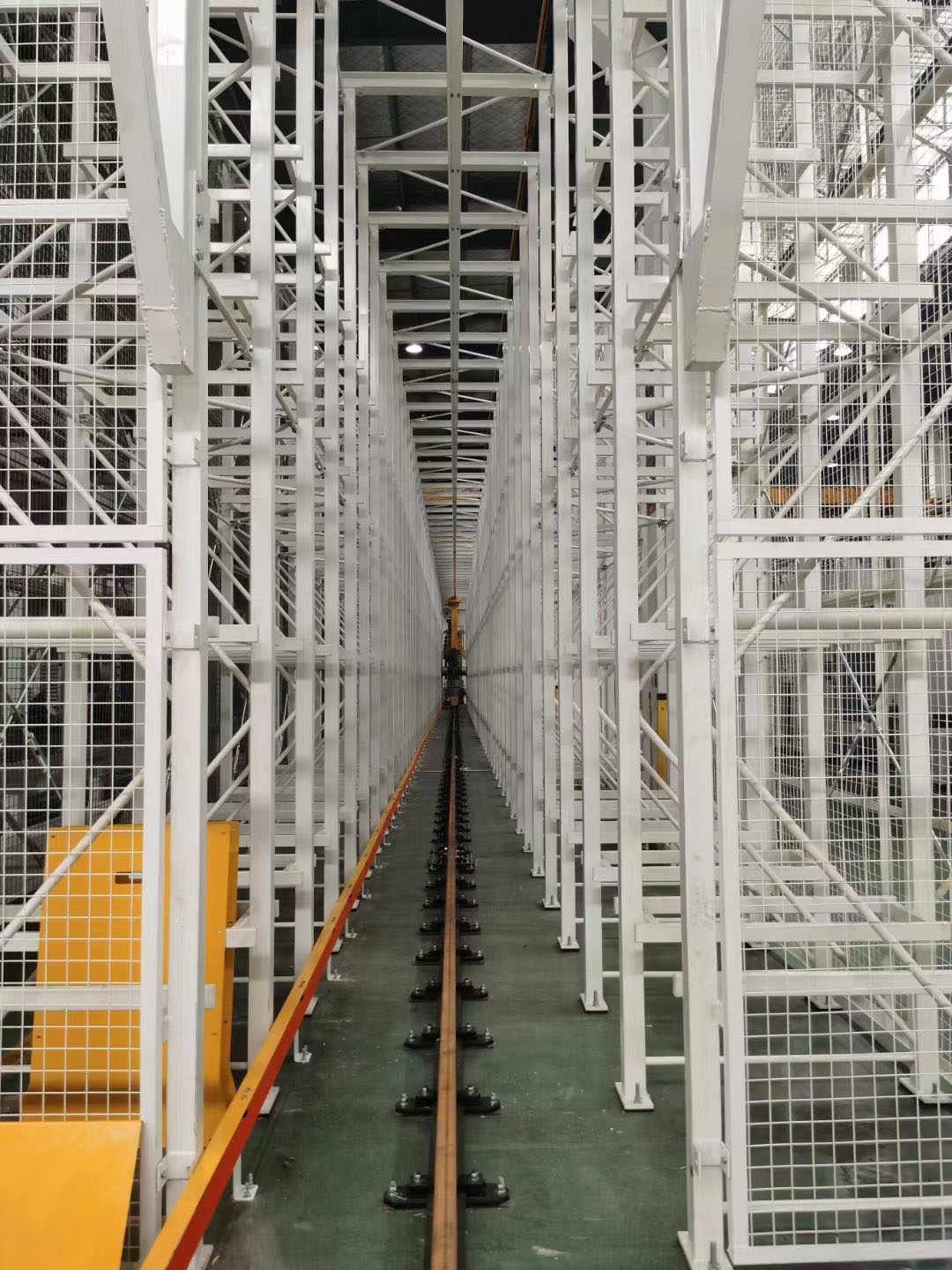
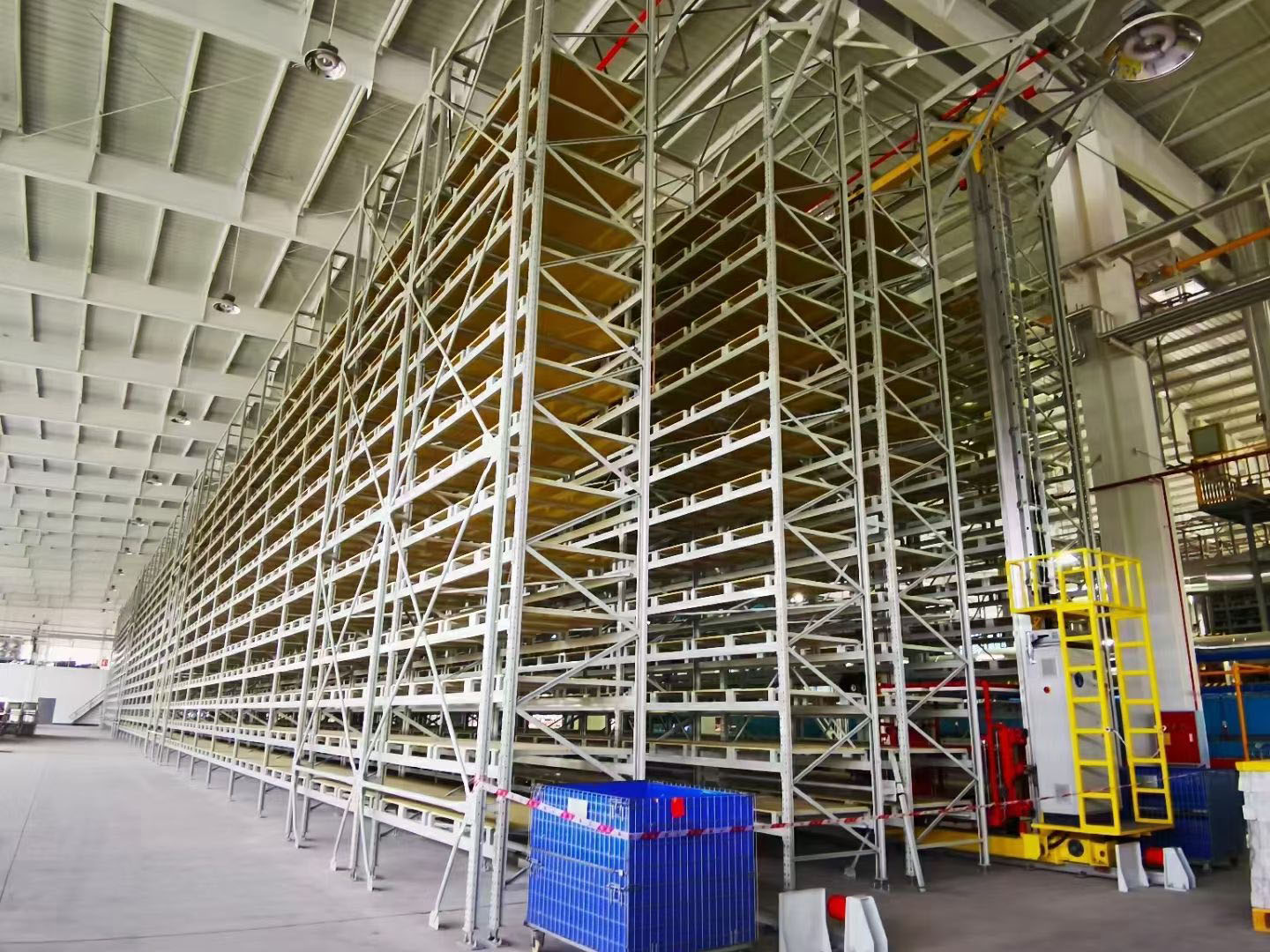
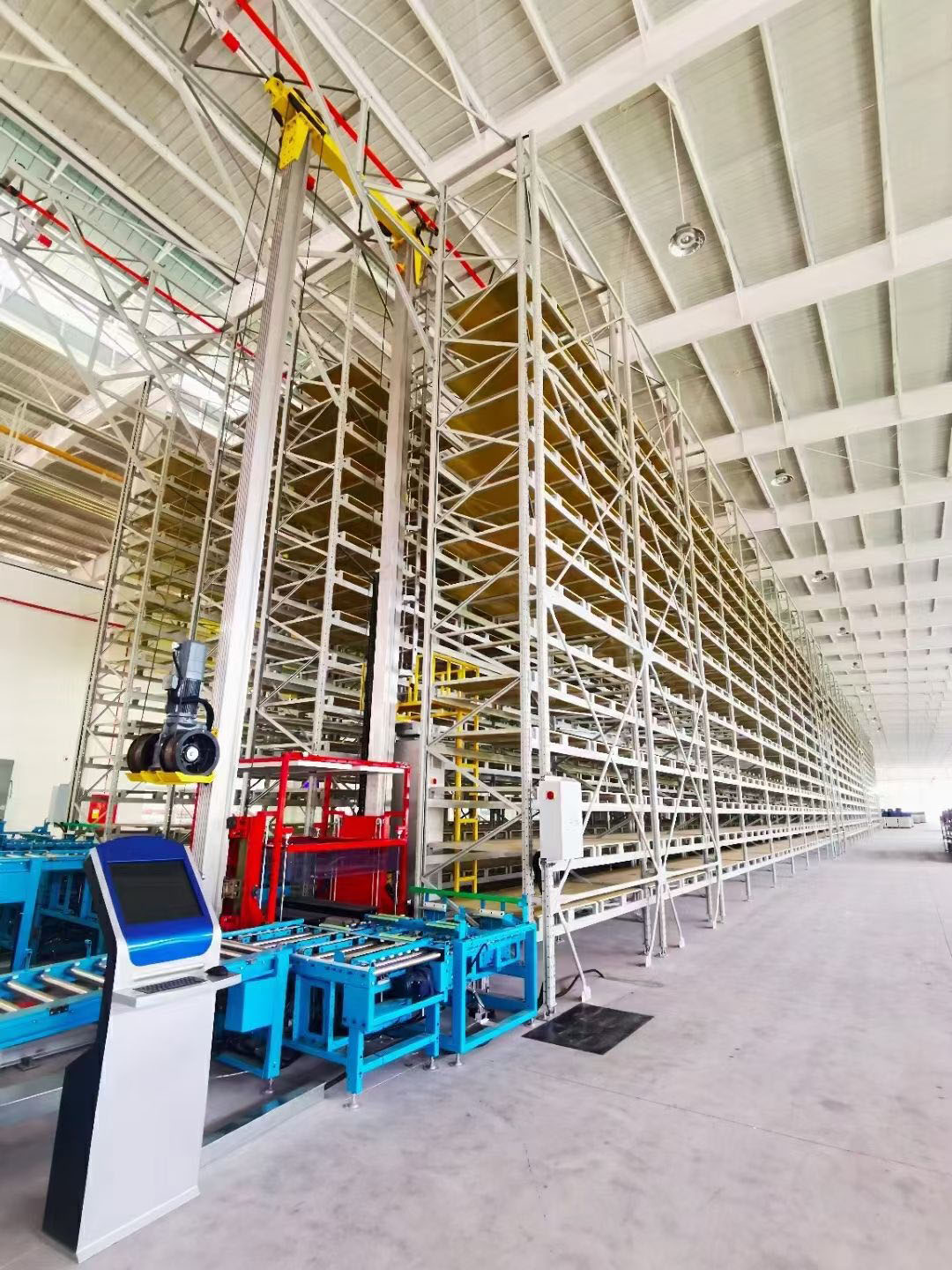
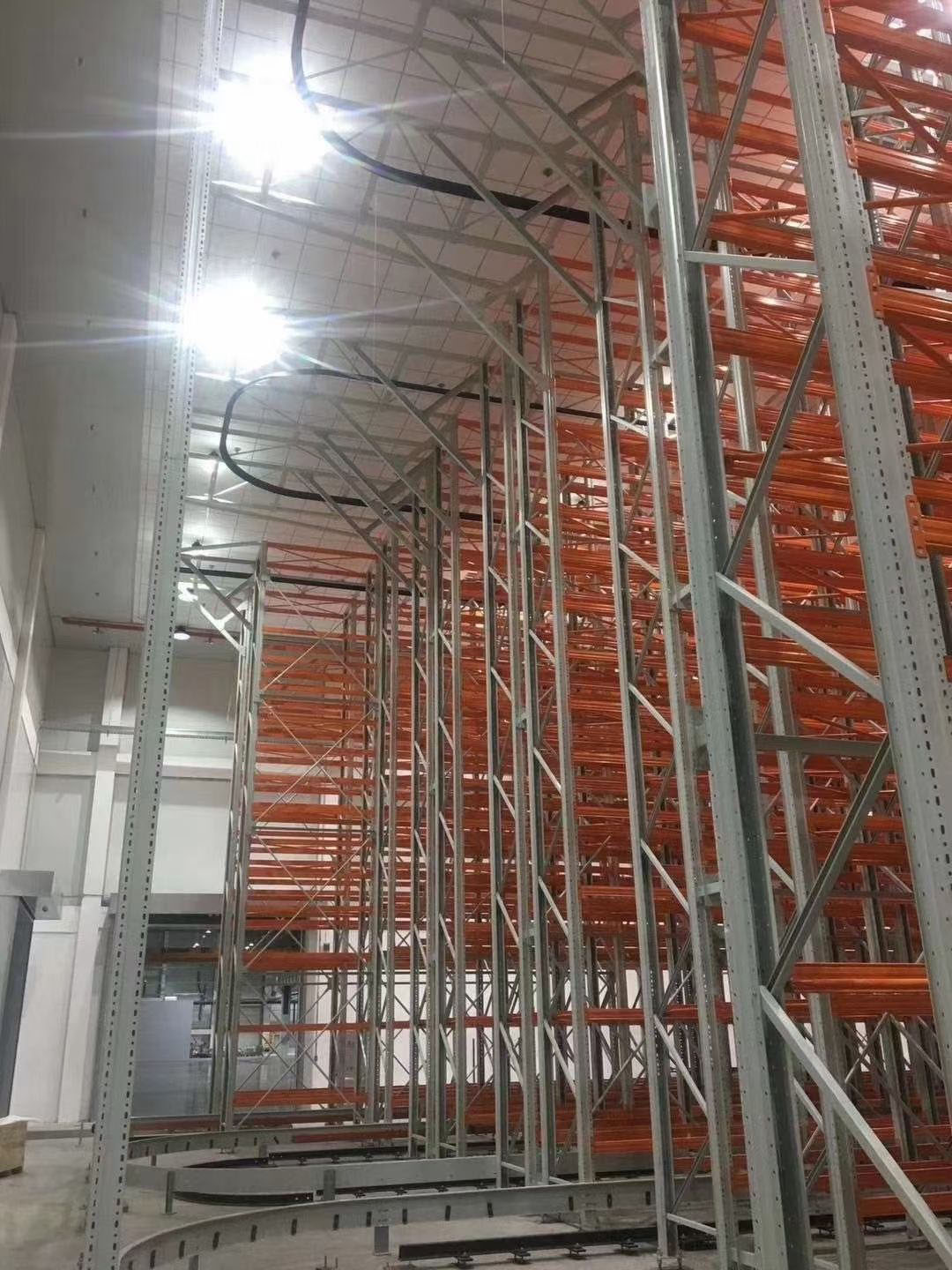
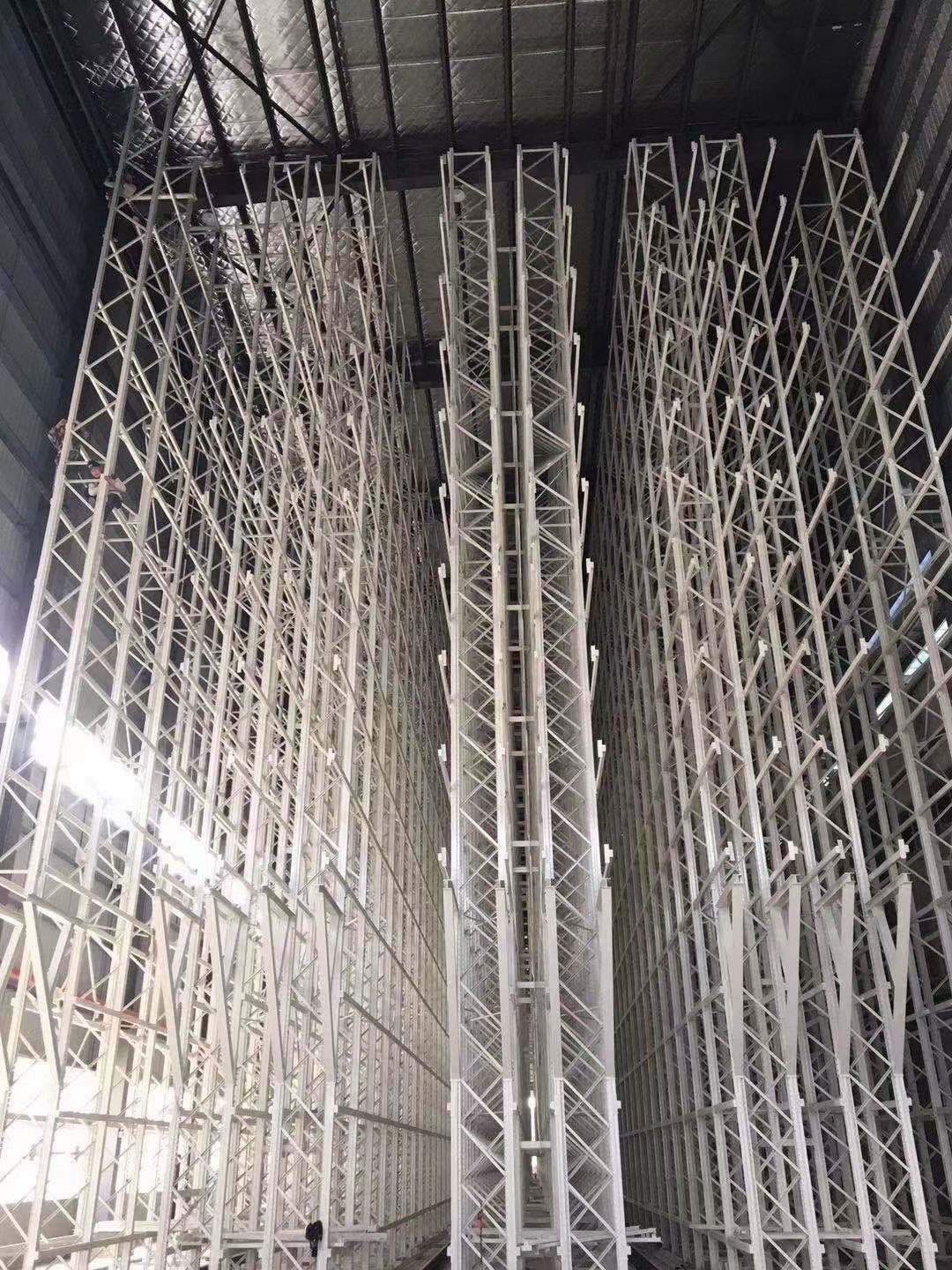
Stacker cranes: Position control, speed profiling, fork extension/retraction, load verification, maintenance monitoring
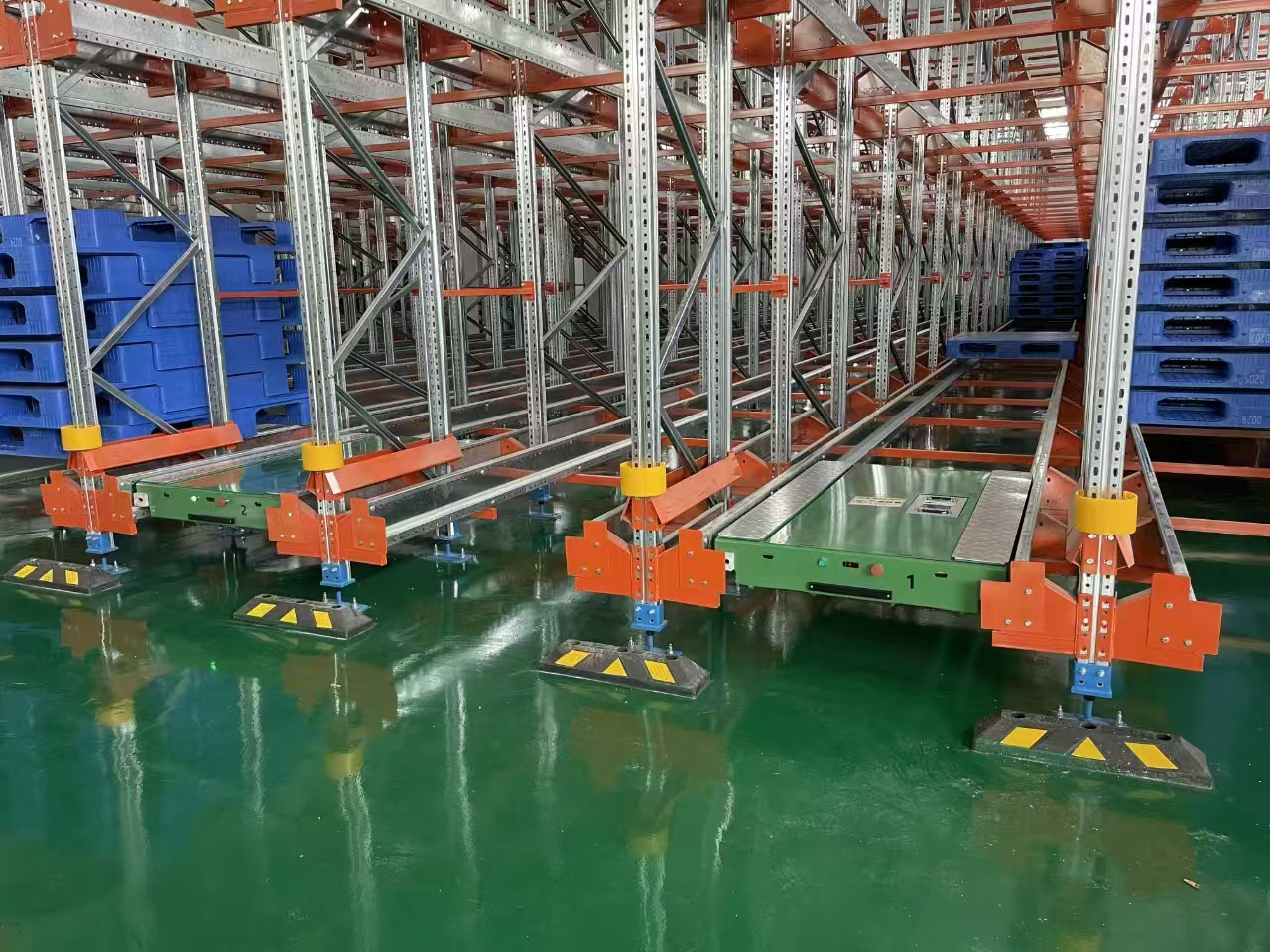
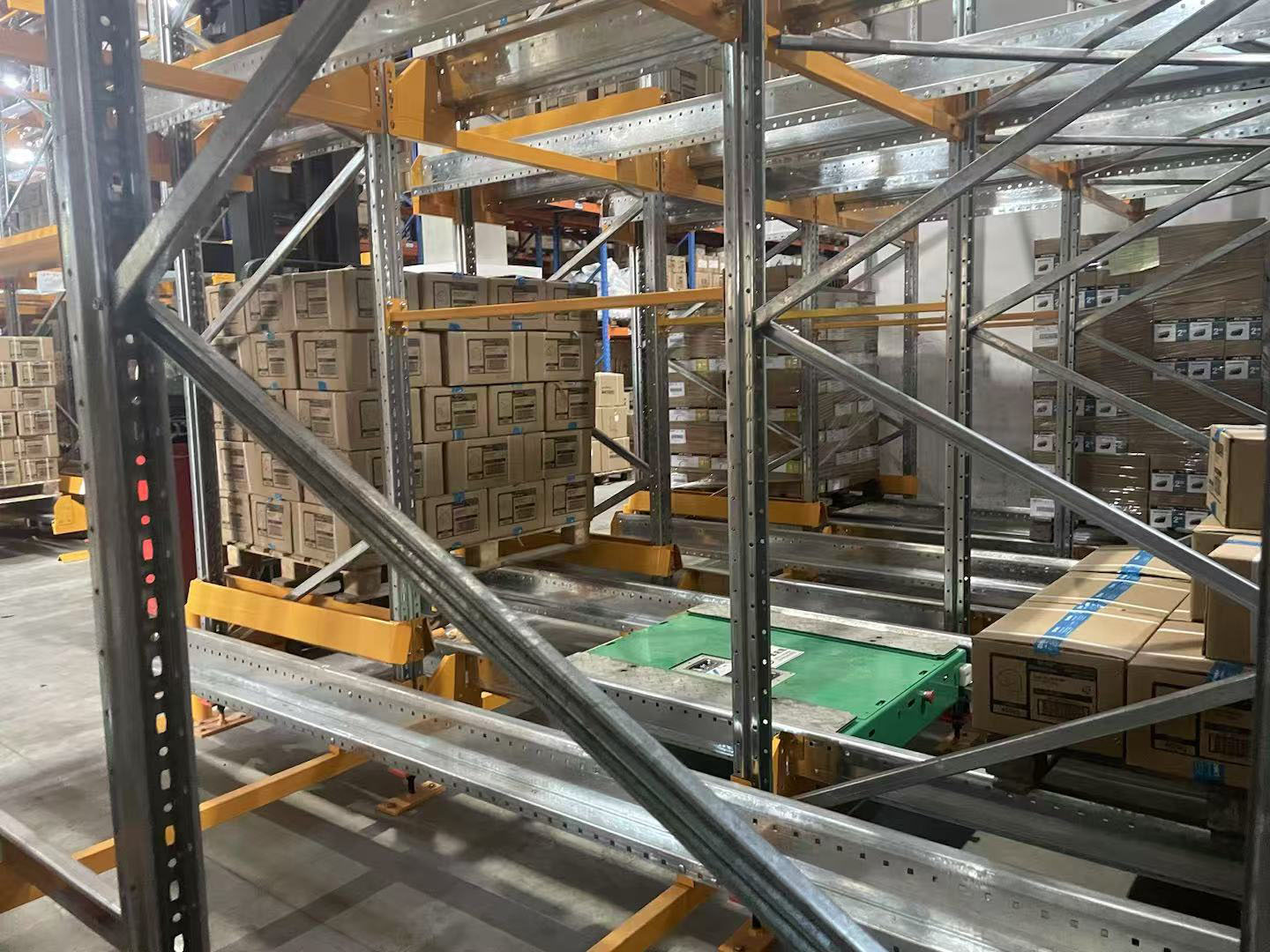
Shuttle systems: Mission assignment, path allocation, battery management, traffic coordination, lift synchronization
Conveyors: Zone control, merge/diverge logic, accumulation management, speed synchronization, jam detection
Lifts and elevators: Carriage positioning, door interlocking, load transfer handshakes, multi-level dispatching
AGV/AMR fleets: Mission generation, traffic coordination, battery monitoring, integration with third-party fleet managers
Robotic workstations: Pick/place coordination, gripper control, vision system triggering, cycle time optimization
Material Flow Management
Beyond individual equipment control, KINGSHELVING WCS manages the flow of materials through the facility:
Merge control: Multiple inbound streams consolidated into single outbound lanes with deterministic sequencing; prevents collisions and optimizes throughput
Divert logic: Items routed to correct destinations based on WMS instructions or local decisions (dimension-based, weight-based, priority-based)
Accumulation management: Zero-pressure accumulation zones prevent item-to-item contact while maintaining upstream visibility
Recirculation handling: Items that cannot be processed immediately (e.g., sortation overflows, inspection holds) are automatically recirculated to buffer zones and re-presented when capacity permits
Path Optimization and Traffic Management
In multi-vehicle environments, path optimization is not a luxury—it is a necessity. KINGSHELVING WCS implements:
Deadlock prevention: Proprietary algorithms ensure that multiple vehicles (shuttles, AGVs, cranes) never reach mutually blocking configurations
Dynamic path planning: Vehicle routes are calculated in real time based on current traffic conditions, equipment availability, and mission priorities
Intersection management: At conveyor merges, lift interfaces, and AGV intersections, the WCS grants access based on priority and capacity, never on first-come/first-served alone
Load balancing: Tasks are distributed across available equipment to prevent over-utilization of specific resources and maximize overall throughput
Performance Monitoring and Analytics
KINGSHELVING WCS continuously captures granular performance data:
Equipment utilization: Actual vs. theoretical capacity by machine, zone, and facility
Cycle time analysis: Actual vs. target times for every mission type
Bottleneck identification: Real-time detection of constraints; historical analysis of congestion patterns
Maintenance prediction: Equipment health monitoring, failure trending, remaining useful life estimation
This data is not merely logged—it is actionable, presented through intuitive dashboards and integrated with our predictive maintenance platform.
Equipment Control: Unified real-time control across stackers, shuttles, conveyors, lifts, AGVs, robots.
Flow Management: Merge/diverge logic, accumulation control, recirculation handling.
Path Optimization: Deadlock prevention, dynamic path planning, intersection management, load balancing.
Performance Analytics: Utilization tracking, cycle time analysis, bottleneck identification, maintenance prediction.
III. Integration Architecture: The WCS as Connectivity Hub
Equipment Layer Integration
KINGSHELVING WCS communicates natively with the full spectrum of automated equipment through industry-standard protocols:
Fieldbus connectivity: Profibus, Profinet, EtherNet/IP, EtherCAT, Modbus TCP, CANopen
Native device drivers: Pre-integrated drivers for all KINGSHELVING equipment; open architecture for third-party device integration
Sensor integration: Direct connectivity to photo-eyes, encoders, RFID readers, barcode scanners, vision systems
Safety system integration: Interface with light curtains, safety PLCs, emergency stop circuits; ensures coordinated safety responses
WMS Integration
The WMS-WCS interface is the most critical integration in any automated facility. KINGSHELVING’s architecture delivers:
Bidirectional communication: WMS sends missions; WCS confirms completion, reports exceptions, and provides equipment status
Transaction integrity: Every mission is tracked through complete lifecycle (assigned, accepted, executing, completed, confirmed)
Graceful degradation: If WMS connection is temporarily lost, WCS maintains basic operational capability, buffering transactions for later reconciliation
Transaction logging: Complete audit trail of every WMS-WCS interaction for troubleshooting and compliance
Third-Party System Integration
KINGSHELVING WCS is designed for an open, multi-vendor world:
ERP/WMS adapters: Pre-built connectors for SAP, Oracle, Microsoft Dynamics, and leading WMS platforms
Robotic fleet managers: Integration with third-party AGV/AMR fleet management systems via API or direct protocol
Sortation controllers: Direct communication with cross-belt, tilt-tray, and sliding shoe sortation systems
Vision and dimensioning systems: Triggering and data capture integration with in-line cubing and scanning systems
User Interface and Visualization
KINGSHELVING WCS provides intuitive, role-based interfaces:
Operator dashboards: Real-time status of all equipment, active missions, pending tasks, exception alerts
Supervisor views: Performance analytics, bottleneck identification, shift summary reports, maintenance schedules
Maintenance interfaces: Detailed equipment diagnostics, fault histories, component-level status, predictive alerts
3D visualization: Optional real-time 3D representation of facility showing equipment motion, material flow, and exception locations
Equipment Integration: Native fieldbus connectivity; pre-integrated drivers; open architecture for third-party devices.
WMS Integration: Bidirectional, transaction-secure communication; graceful degradation; complete audit trails.
Third-Party Integration: Pre-built adapters for ERP/WMS; robotic fleet manager connectivity; vision/sortation integration.
User Interfaces: Role-based dashboards (operator, supervisor, maintenance); optional 3D visualization.
IV. Advanced Capabilities: Intelligence That Differentiates
Dynamic Task Re-Prioritization
In a live operation, priorities shift constantly. An expedited order arrives; a downstream lane fills unexpectedly; a crane fault reduces throughput. KINGSHELVING WCS responds dynamically:
Real-time priority adjustment: Missions are re-prioritized based on current operational conditions, not static rules
Preemptive rerouting: When congestion is detected, the system proactively redirects material to alternate paths before queues form
Load-aware sequencing: Heavy or fragile loads receive gentler acceleration profiles; urgent orders receive priority at merges and intersections
Zone-Based Flow Control
KINGSHELVING WCS divides the facility into logical flow zones, each managed independently yet coordinated globally:
Independent operation: Each zone maintains throughput even when upstream or downstream zones experience disruption
Decoupled buffering: Zones are separated by controlled buffers that absorb rate variations and prevent propagation of disruptions
Scalable architecture: New zones can be added without re-engineering the entire control system; zone controllers operate autonomously under global supervision
Predictive Flow Analytics
KINGSHELVING WCS continuously analyzes flow patterns to predict and prevent disruptions:
Congestion prediction: Machine learning algorithms identify patterns that precede congestion and trigger preemptive actions
Throughput forecasting: Based on current order profiles and equipment status, the system predicts shift-end throughput and alerts supervisors to potential shortfalls
Maintenance prediction: Equipment usage patterns are analyzed to predict maintenance needs before failures occur
Digital Twin Integration
For complex facilities, KINGSHELVING WCS integrates with digital twin environments:
Offline simulation: Facility layout changes, new equipment additions, and process modifications can be simulated in digital twin before implementation
Operator training: New operators can practice exception handling in simulated environment without impacting live operations
Performance optimization: Digital twin identifies potential bottlenecks and optimization opportunities that can be implemented in live WCS
Dynamic Prioritization: Real-time priority adjustment based on operational conditions; preemptive rerouting; load-aware sequencing.
Zone-Based Control: Independent zone operation; decoupled buffering; scalable architecture.
Predictive Analytics: Congestion prediction; throughput forecasting; maintenance prediction.
Digital Twin: Offline simulation; operator training; performance optimization.
V. The KINGSHELVING WCS Advantage
Native to Automation, Not Adapted
Many WCS platforms originated in manual or semi-automated environments and have been retrofitted to support full automation. KINGSHELVING WCS was born in automation—designed from the ground up to orchestrate stacker cranes, shuttles, conveyors, and robots. Our control logic assumes real-time equipment coordination, not exception handling. Our transaction models are optimized for millisecond response, not batch processing. This native orientation eliminates the performance compromises inherent in adapted software.
Open Architecture, No Vendor Lock-In
KINGSHELVING WCS is designed for a multi-vendor world. Our system:
Integrates with third-party equipment: We do not force you to source all automation from KINGSHELVING; our WCS communicates with leading brands through standard protocols
Supports best-of-breed selection: Choose the best stacker crane, the best shuttle, the best sorter for each application; KINGSHELVING WCS integrates them all
Protects existing investments: If you have legacy automation equipment, our WCS can often integrate it, extending its useful life
Future-proofs your facility: As new technologies emerge, our open architecture enables integration without replacing the core control system
Proven at Scale, Validated in Practice
KINGSHELVING WCS is not theoretical software. It is field-proven across hundreds of installations:
Facilities with 50+ stacker cranes operating in synchronized harmony
Shuttle systems with 100+ vehicles managed by single WCS instance
Conveyor networks exceeding 10 km in length, with 5,000+ controlled zones
24/7/365 operations in food, pharmaceutical, automotive, and e-commerce applications
Designed for Continuous Evolution
KINGSHELVING WCS is engineered to evolve with your business:
Modular software architecture: New features and equipment types can be added without rewriting core code
Remote upgrade capability: Software updates can be deployed remotely, minimizing operational disruption
Backward compatibility: New WCS versions maintain compatibility with existing equipment; upgrades do not require hardware replacement
User-extensible: Advanced users can develop custom integrations, reports, and dashboards using our documented APIs
Your Equipment. Our WCS. Synchronized Performance.
The automated warehouse is a symphony of specialized machines. Stacker cranes sing in the high bays; shuttles dance through dense racking; conveyors weave continuous melodies; robots add precision accents. Without a conductor, this symphony is merely noise—machines moving independently, colliding at intersections, starving downstream processes, flooding buffers, achieving far less than their theoretical capacity.
KINGSHELVING WCS is that conductor. It does not merely control machines—it orchestrates them. It transforms a collection of sophisticated but independent automation technologies into a unified, adaptive, high-performance material flow system. It ensures that every handshake is synchronized, every merge is seamless, every exception is managed, and every millisecond of equipment capability is translated into throughput.
When you deploy KINGSHELVING WCS, you are not merely acquiring control software. You are installing synchronization at the heart of your automated facility—the intelligence that ensures your stacker cranes, shuttles, conveyors, lifts, and robots perform not as isolated machines, but as a single, integrated, high-velocity material flow organism.
The automated warehouse has many machines. KINGSHELVING WCS makes them one.