Čeští hráči mají dnes na výběr z desítek online kasin, a proto se vyplatí sledovat nejen výši bonusu, ale i podmínky pro jeho získání. Mezi nejvyhledávanější nabídky patří 10 eur zdarma za registraci, které potěší především začátečníky. Popularitu si drží také 100 free spiny bez vkladu, ideální pro rychlé vyzkoušení automatů bez rizika. Kdo preferuje platbu kartou, může využít 100 kč paysafecard zdarma a zahrát si okamžitě po vložení.
Mnohá kasina lákají nové hráče na 100 kč za registraci automaty, což je skvělý způsob, jak poznat nabídku bez větší investice. Alternativou pro příznivce eura je 20 eur za registraci bez vkladu, případně mezinárodně zaměřený 20 no deposit casino bonus. Nejnižší vstupní bonus nabízí 5 eur zdarma za registraci, vhodný pro testování herních mechanismů.
Před registrací se vždy vyplatí přečíst si hodnocení ostatních hráčů. Podrobný 69 casino recenze odhaluje silné i slabé stránky provozovatele. Zkušenosti s českou značkou shrnuje admiral casino recenze, zatímco milovníky moderních automatů potěší apollo games casino recenze. Díky těmto informacím zvolíte kasino, které odpovídá vašim preferencím i rozpočtu.
Český trh s online kasiny je dnes mimořádně rozmanitý a hráči si mohou vybírat mezi desítkami provozovatelů. Pokud hledáte co nejvýhodnější start, začněte u nabídky, která nevyžaduje žádný vklad – tedy casino bonus za registraci bez vkladu. Právě takové akce vám umožní vyzkoušet provozovatele nanečisto a teprve poté se rozhodnout, zda do hry vložíte vlastní peníze. Vedle toho se vyplatí sledovat i pravidelné casino bonusy, jako jsou free spiny, reload bonusy nebo věrnostní programy pro stálé hráče.
Nabídka herních titulů je opravdu široká – od klasických automatů přes stolní hry až po živé krupiéry. Portály, které se specializují na casino hry, obvykle nabízejí přehledné filtrování podle poskytovatele i volatility, takže si snadno najdete titul odpovídající vaší strategii. Stále více hráčů navíc zkouší bitcoin casino, kde vklady i výběry probíhají v řádu minut a zcela bez zásahu banky.
Před registrací se ale vždy vyplatí zjistit, jak si daný provozovatel stojí u ostatních hráčů. Detailní betor casino recenze vám prozradí, jak rychle se zpracovávají výběry a jak kvalitní je zákaznická podpora. Stejně užitečná je i bonver casino recenze, která shrnuje zkušenosti s bonusovými podmínkami a limity pro výběr výher.
U platebních metod je dobré si předem ověřit, co konkrétní kasino podporuje. Mnoho hráčů preferuje možnost casino minimální vklad 100 kč paysafecard, protože jde o rychlý a anonymní způsob platby bez zadávání údajů o kartě. Jiní zase oceňují casino vklad přes sms cz, který je ideální pro okamžité dobití účtu přímo z mobilu. Pokud hledáte širší výběr provozovatelů a štědřejší podmínky, může být řešením casino online zahraničí, tedy licencované zahraniční kasino, které přijímá i české hráče. A pokud nechcete riskovat ani korunu, pomůže vám automaty bonus za registraci bez vkladu, díky kterému si zahrajete zdarma a bez jakéhokoli vkladu.
Český trh s online hazardními hrami se za poslední roky výrazně proměnil a hráči dnes mají na výběr z desítek licencovaných i zahraničních platforem. Stále více lidí přitom hledá crypto casino, které nabízí rychlé vklady a výběry bez zapojení banky. Než ale vložíte první korunu, vyplatí se projít si forbes casino recenze a porovnat reputaci, licenci i rychlost výplat jednotlivých provozovatelů.
Velkou roli při výběru hraje samozřejmě bonusová nabídka. Pokud chcete mít přehled o aktuálních akcích, sledujte free spiny dnes, protože se obměňují doslova každý týden. Zvláštní kategorií jsou free spiny za registraci bez vkladu, díky nimž si můžete kasino vyzkoušet, aniž byste museli vložit vlastní peníze.
Mezi tradiční české značky, které stojí za pozornost, patří fortuna casino recenze, kde se dočtete o licenci, platebních metodách i zákaznické podpoře. Novější hráči často zvažují grandwin casino recenze a stále častěji se objevuje také kartáč casino recenze, která hodnotí mimo jiné rychlost registrace a bonusové podmínky.
Základem každého kasina jsou pochopitelně hrací automaty, ať už jde o klasické tříválcové přístroje, nebo moderní video automaty s bonusovými funkcemi. Pokud si je chcete nejprve osahat bez rizika, můžete vyzkoušet hrací automaty zdarma 81 nebo režim hrací automaty zdarma neomezeně, v němž si strategii vyzkoušíte tak dlouho, jak budete potřebovat.
Hledáte spolehlivé online casino cz? V našem přehledu najdete ty nejlepší herny pro české hráče. Začněte třeba u luckybet casino recenze, která vám ukáže výhody i nevýhody tohoto provozovatele. Podobně důkladně jsme sepsali i maxa casino recenze, abyste věděli, co očekávat.
Mezi nejlepší online casino patří i nové platformy, které přinášejí svěží vítr do světa hazardu. Pokud vyzkoušíte nové casino online, můžete získat atraktivní vítané nabídky. Pro milovníky mobilního hraní doporučujeme mobilní casino, které je optimalizované pro telefony a tablety.
Velkým lákadlem jsou bonusy bez vkladu. Například nové online casino bonus bez vkladu vám umožní hrát zdarma a vyzkoušet hry před vložením peněz. Specifickou nabídkou je online casino bonus bez vkladu 7, který nabízí sedm eur nebo sedm spinů zdarma. Nezapomeňte si přečíst také nv casino recenze, kde hodnotíme podmínky tohoto bonusu.
Pro ty, kdo chtějí točit online automaty za peníze, je důležité vybrat kasino s vysokou výplatností a rychlými výběry. Věříme, že s naším průvodcem najdete ideální místo pro zábavu i výhry.
V českém prostředí se hráči zajímají nejen o samotné hry, ale také o pohodlné platby a výhodné nabídky. Pokud preferujete platby přes internetovou peněženku, vyplatí se prozkoumat možnosti jako paypal casino, kde lze často vložit vklad rychle a bez složitého ověřování. Alternativu pro ty, kdo chtějí platit předplacenou kartou, představuje paysafecard casino, které ocení zejména hráči dbající na soukromí.
Mezi oblíbené moderní hry patří Plinko a k němu se vážou i atraktivní nabídky. Pokud hledáte možnost vyzkoušet hru bez rizika, určitě vás zaujme plinko bonus bez vkladu. Před registrací se také vyplatí zjistit aktuální promo kód casino, který může navýšit vklad nebo přinést další výhody.
Čeští hráči často srovnávají známé značky. Podrobný sazka casino recenze pomůže posoudit nabídku her, platební metody i zákaznickou podporu. Pro rychlé transakce je vhodné zvážit také skrill casino, které bývá dostupné v řadě online casin.
Před výběrem je dobré číst zkušenosti ostatních. star casino recenze i tokyo casino recenze vám mohou napovědět, jaké bonusy a podmínky jednotlivé platformy nabízejí. Velkou pozornost si zaslouží i nabídky pro nové hráče ze zahraničí, například zahraniční casino bonus bez vkladu nebo zahraniční free spiny bez vkladu, které lze často využít bez prvního vkladu.
V České republice si dnes můžete zahrát prakticky odkudkoli – stačí si vybrat spolehlivý portál a ověřit si licenci. Mezi českými hráči jsou dlouhodobě nejoblíbenější české casino, která nabízejí platby v korunách, českou zákaznickou podporu a bonusy bez zbytečných podmínek. Pokud dáváte přednost atmosféře skutečného stolu, vyplatí se před registrací prostudovat živé casino recenze, kde se dozvíte, jak kvalitní je stream, jak rychlé jsou výplaty a jaké limity sázek můžete očekávat. Ať už hrajete automaty, nebo preferujete live krupiéry, vždy sázejte zodpovědně a jen v mezích svých možností.
Logistics Distribution Centre: The Networked Hub of Modern Supply Chain Velocity
The modern logistics distribution centre exists at the intersection of complexity and speed. Unlike dedicated e-commerce fulfillment centers optimized for direct-to-consumer parcel dispatch, or manufacturing warehouses engineered for production line feeding, the distribution centre serves a more expansive and demanding role. It is the regional nerve centre of the supply chain—receiving goods from multiple origins, storing them across diverse temperature regimes and handling formats, and dispatching them through multiple outbound channels to retailers, wholesalers, e-commerce operators, and industrial end-users. It must simultaneously accommodate full-pallet bulk orders and split-case piece picks, ambient and cold-chain storage, fast-moving SKUs and slow-moving inventory, all within a single, integrated operational envelope.
The pressure on these facilities has never been greater. Real estate costs in urban logistics corridors are escalating. Labour availability for multi‑shift, multi‑format warehouse operations is tightening across every major market. Customers—whether retail chains, grocery distributors, or industrial procurement organizations—demand shorter order cycles, narrower delivery windows, and perfect order accuracy. And the margin for error is zero: a delay at the distribution centre cascades through the entire downstream network.
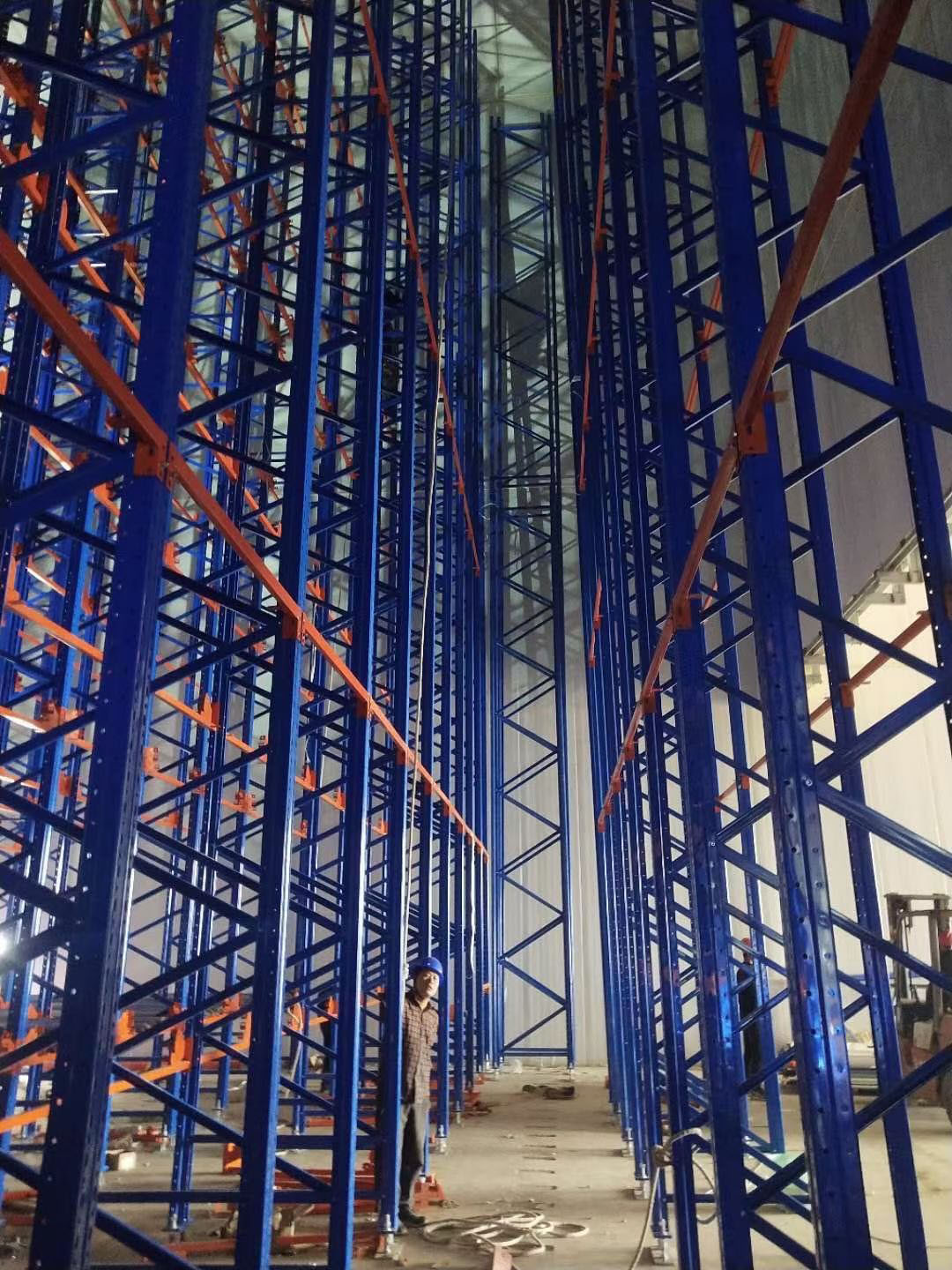
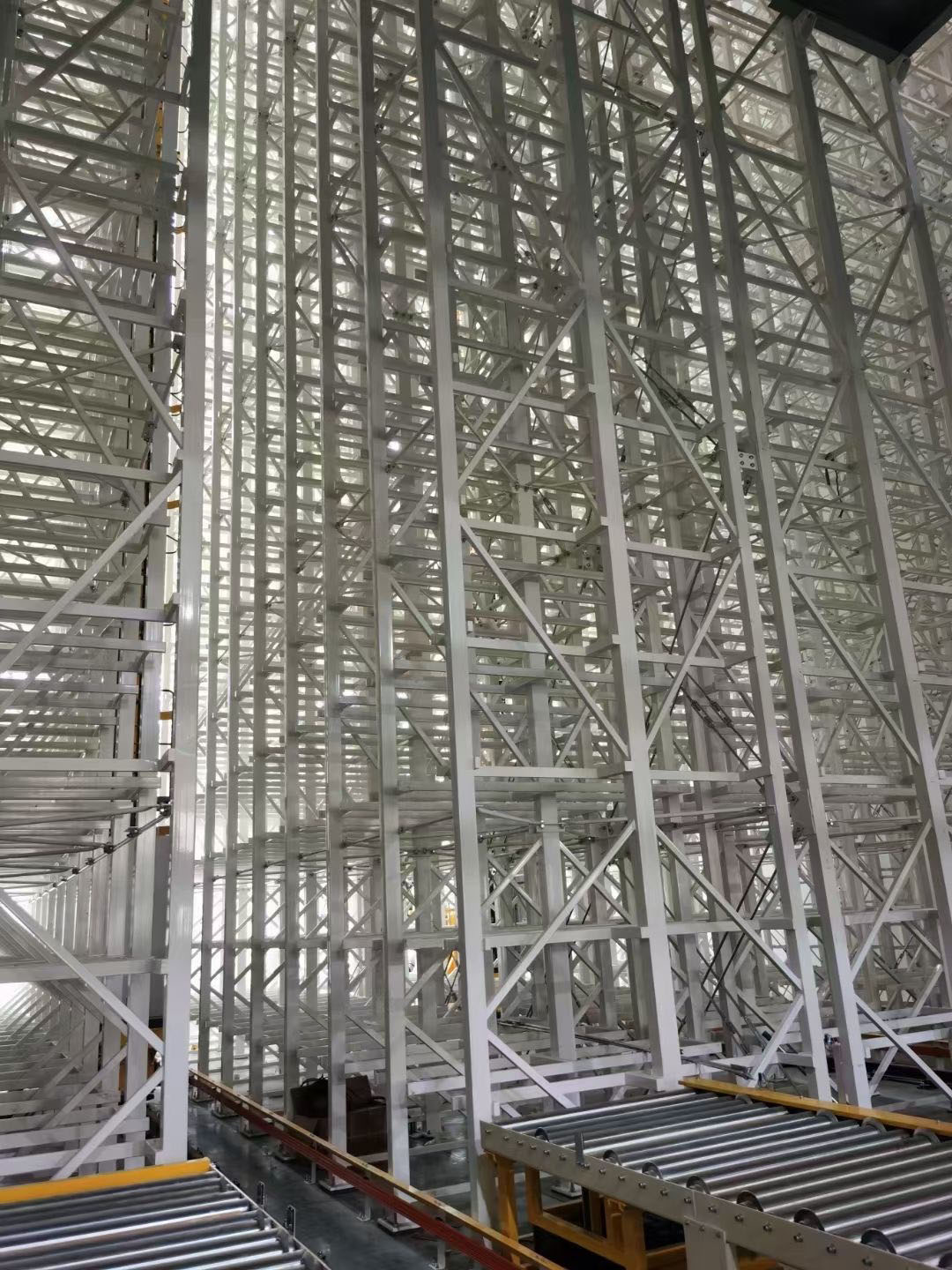
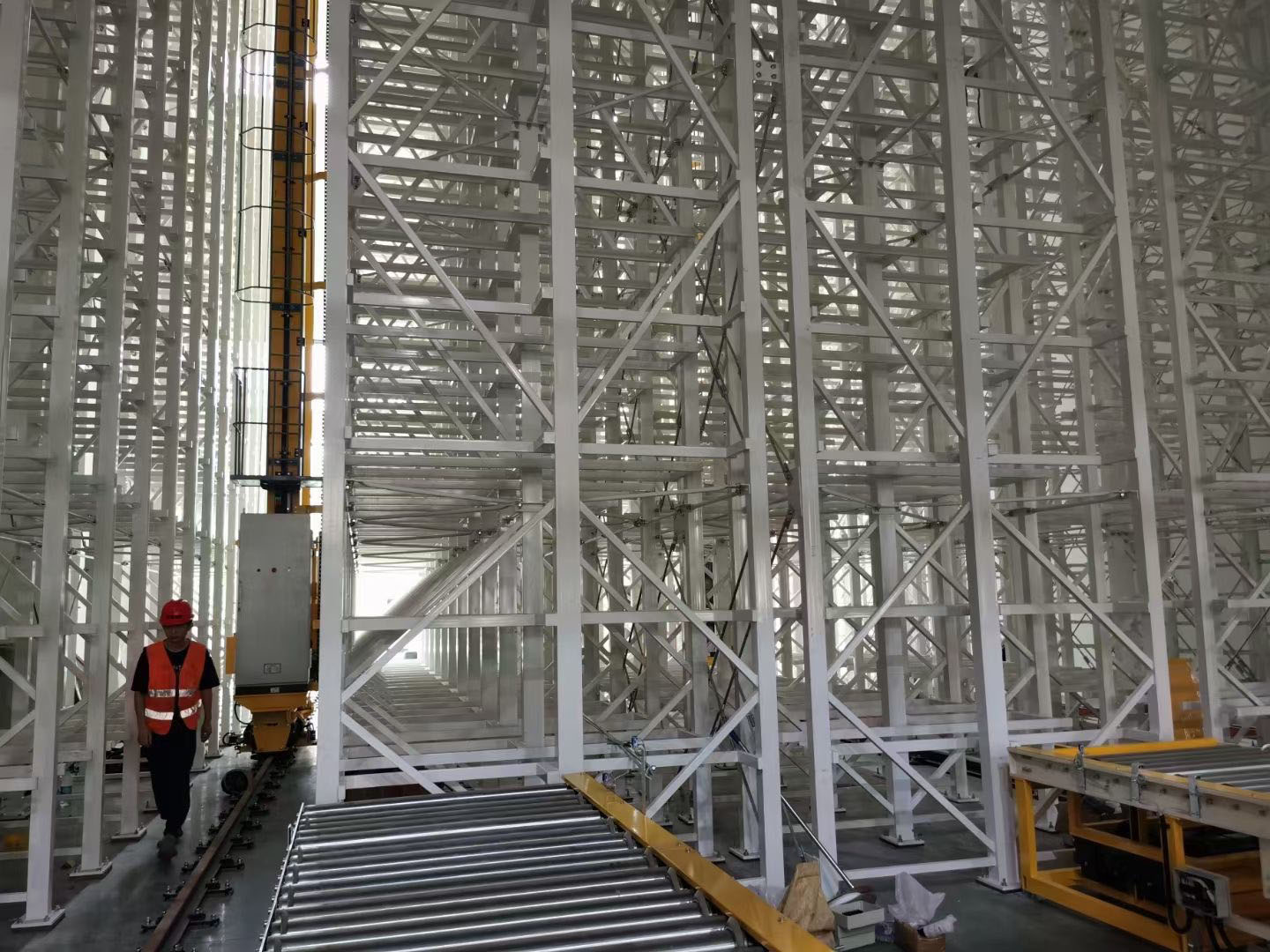
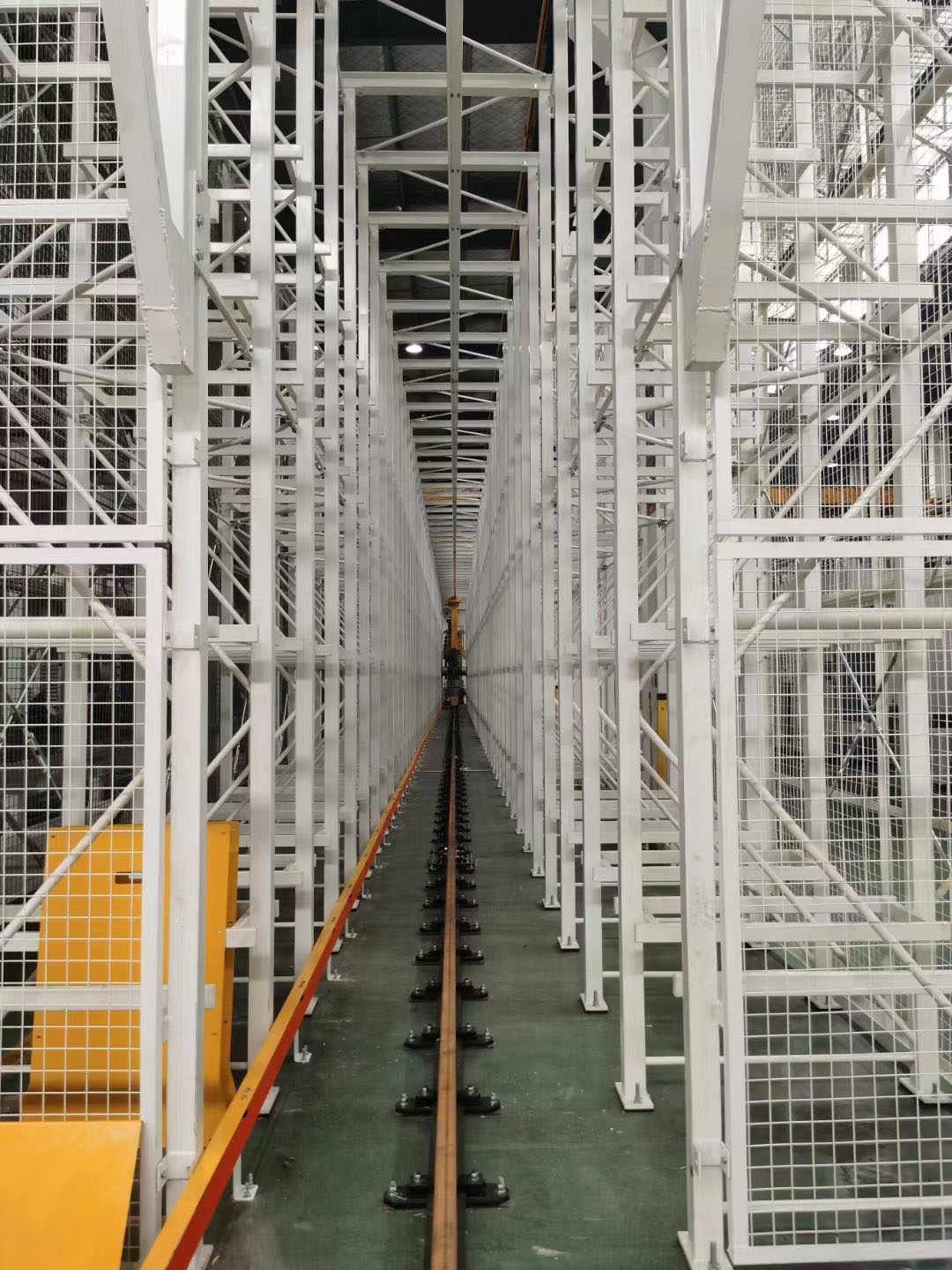
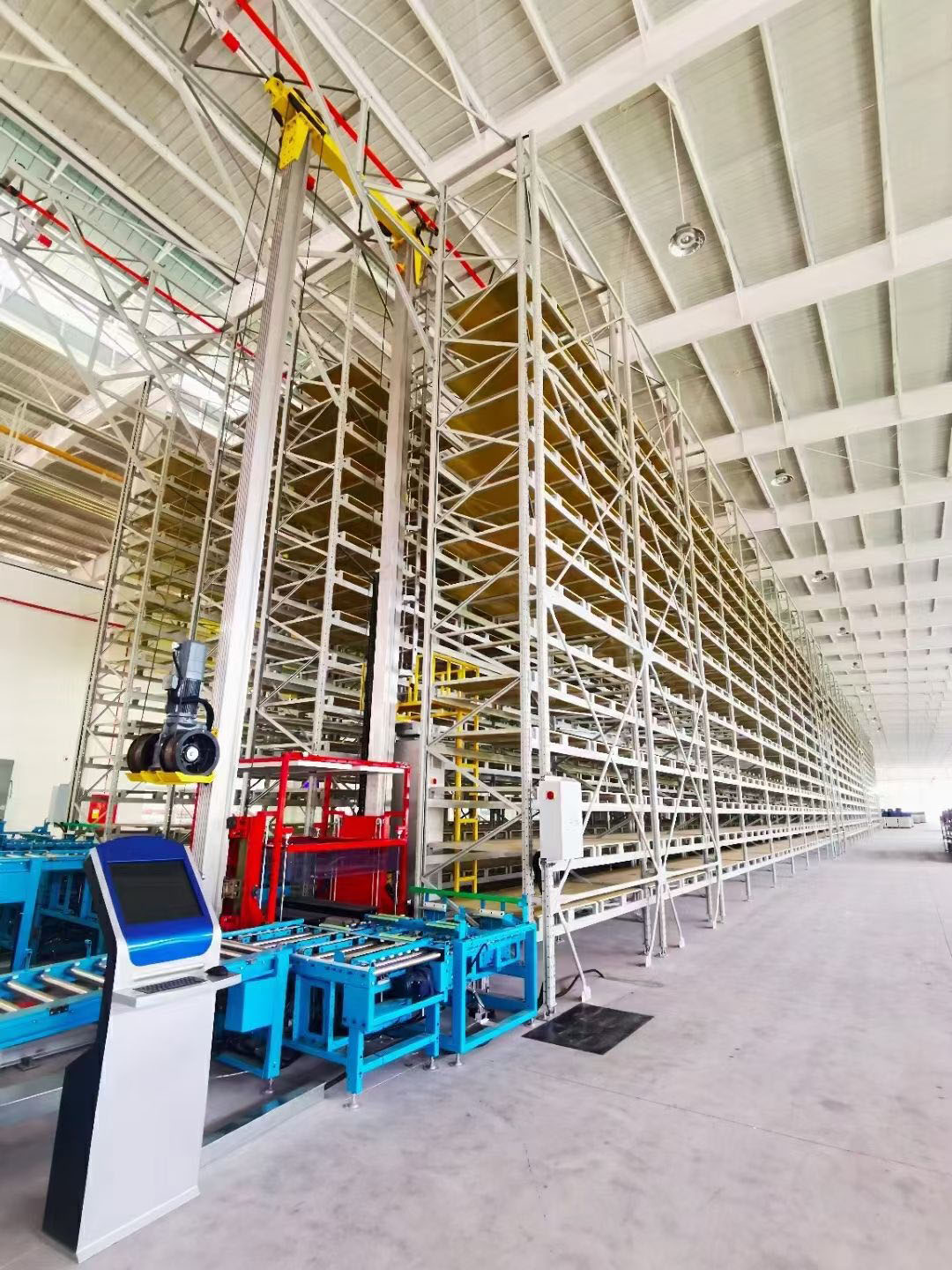
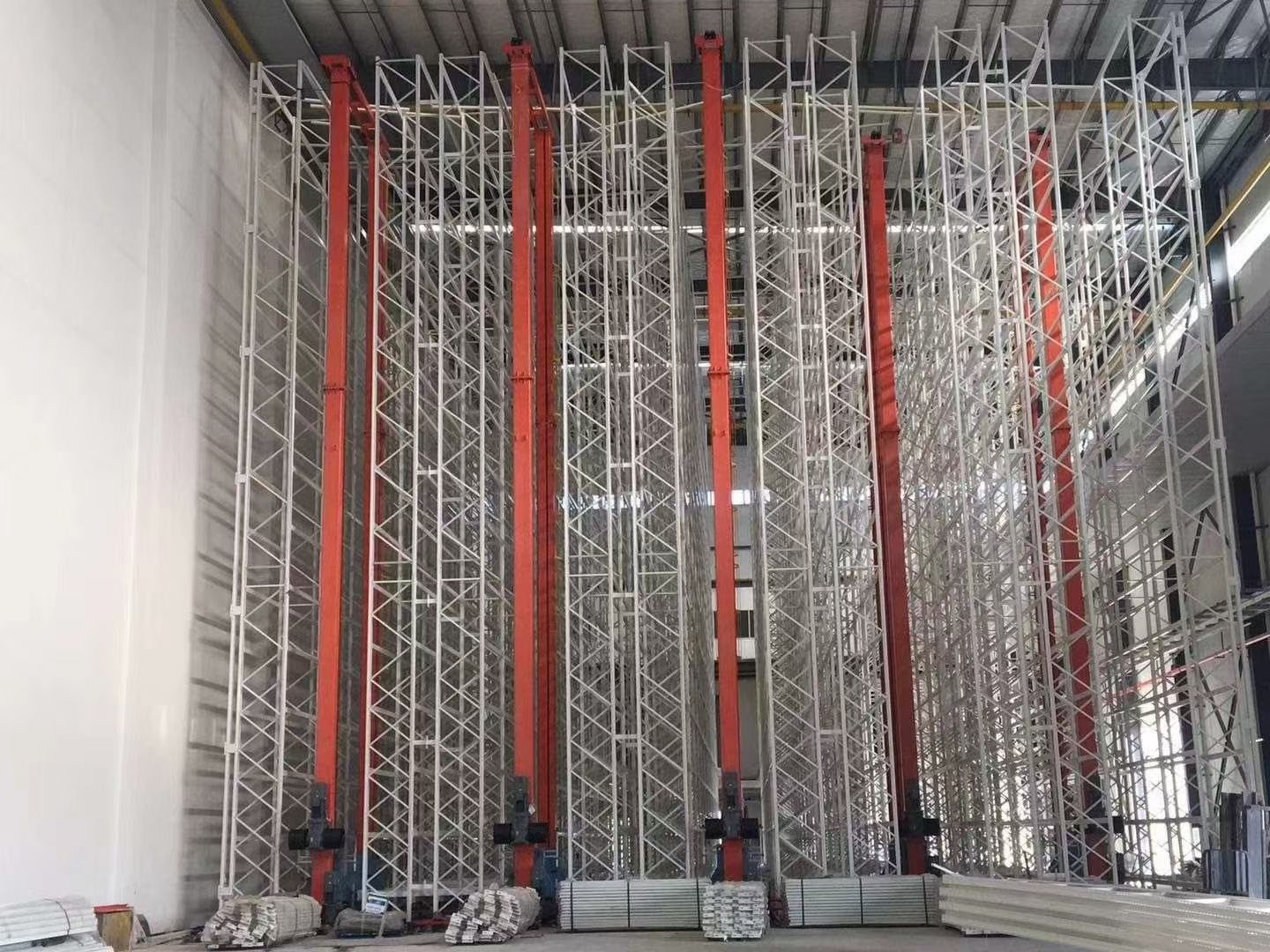
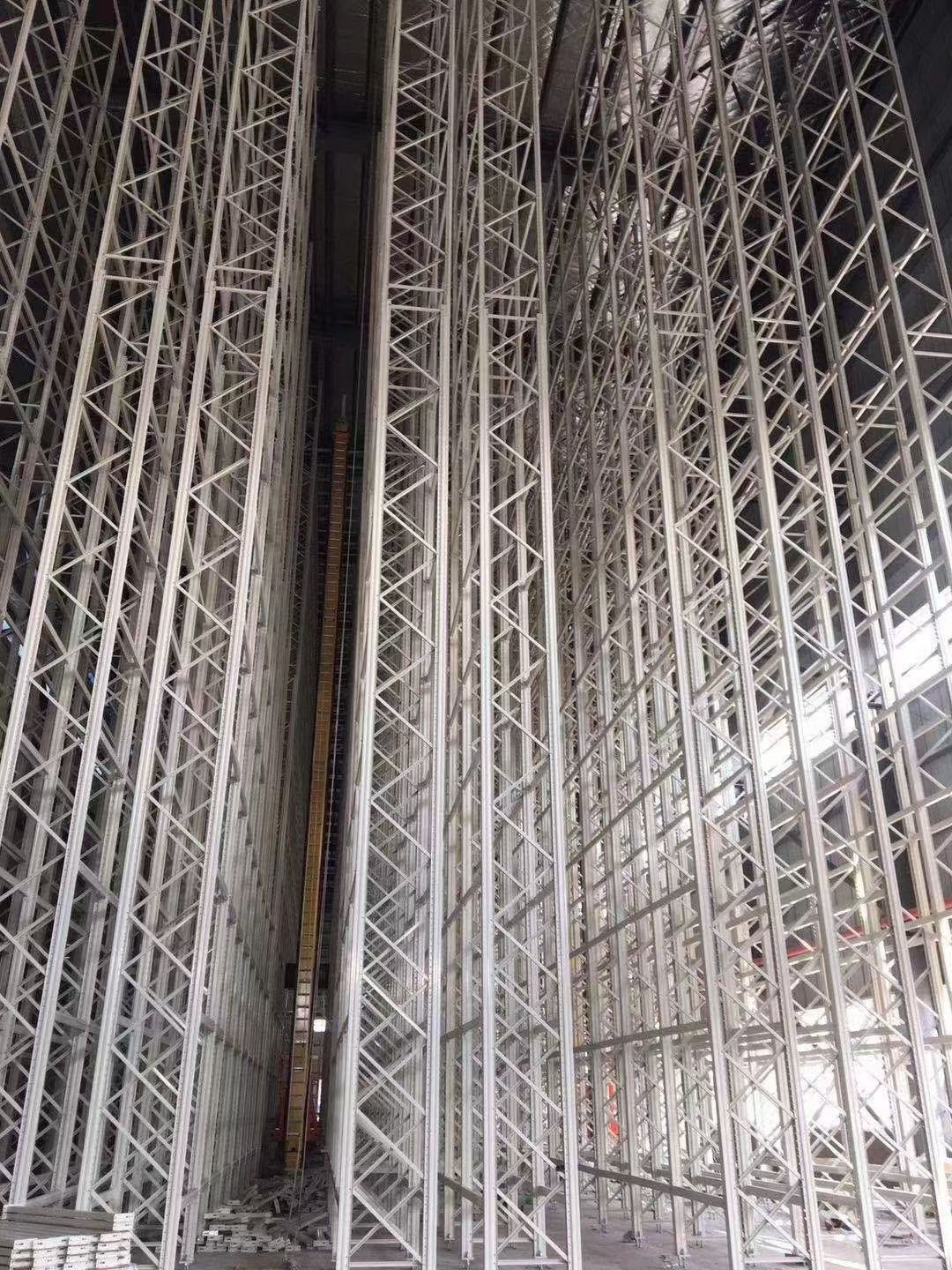
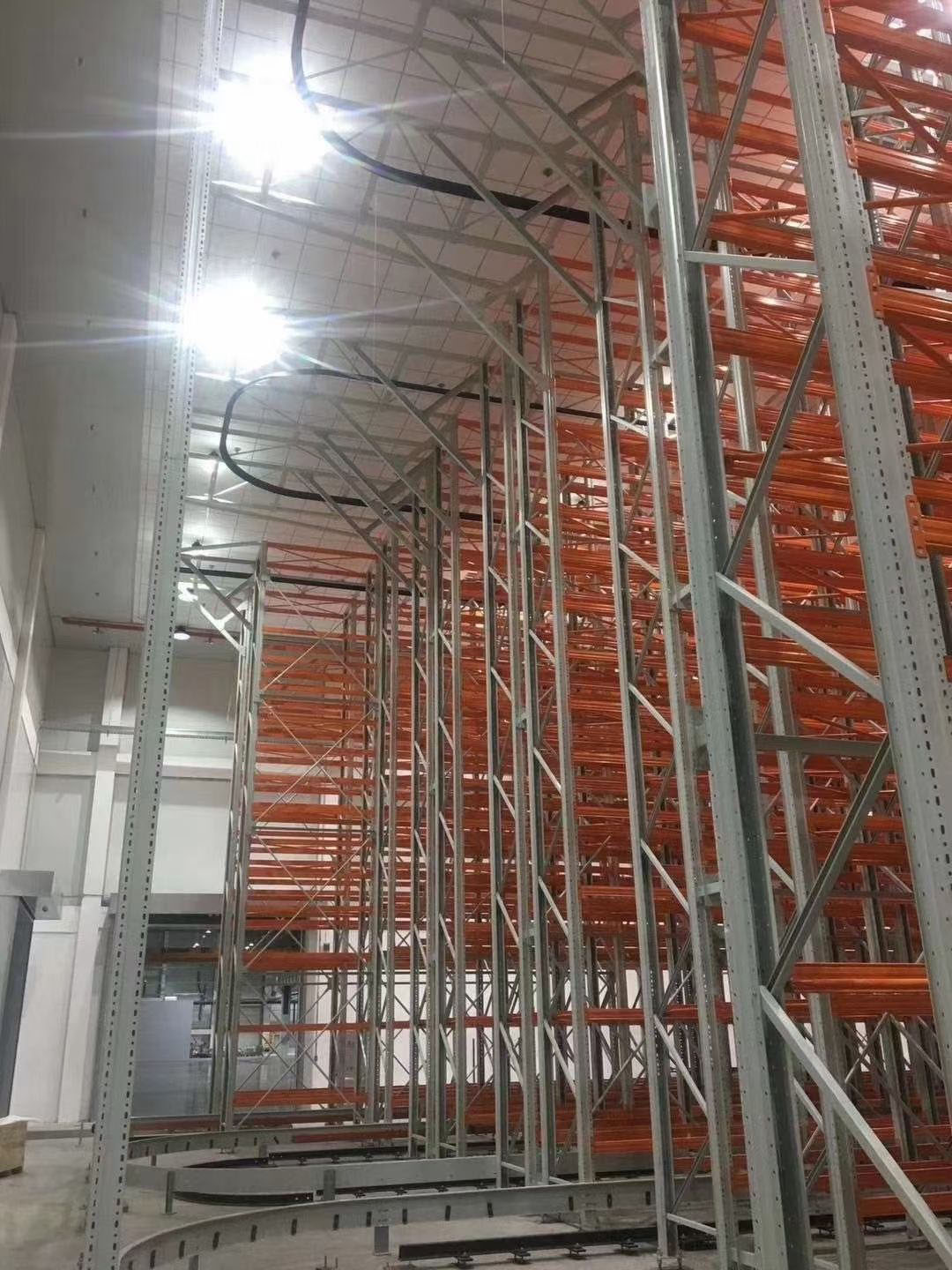
KINGSHELVING delivers automated storage and retrieval solutions purpose‑built for the unique operational DNA of the logistics distribution centre. Our systems are engineered to consolidate fragmented facilities into unified flow, to harmonize disparate storage formats within a single ASRS architecture, and to provide the deterministic throughput performance that regional distribution hubs require to serve their markets with reliability and speed.
I. The Logistics Distribution Centre Challenge – Five Critical Dimensions
1. Facility Consolidation – From Fragmentation to Unified Flow
The organic growth of distribution networks often leaves a legacy of fragmentation. As volumes increase, operators acquire additional warehouses—some owned, some leased—scattered across industrial parks or urban peripheries. Inventory is split across multiple sites; inter‑facility transfers consume trucks, drivers, and double handling; visibility deteriorates; and aggregate operating costs rise faster than throughput.
KINGSHELVING’s high‑density ASRS solutions enable radical consolidation:
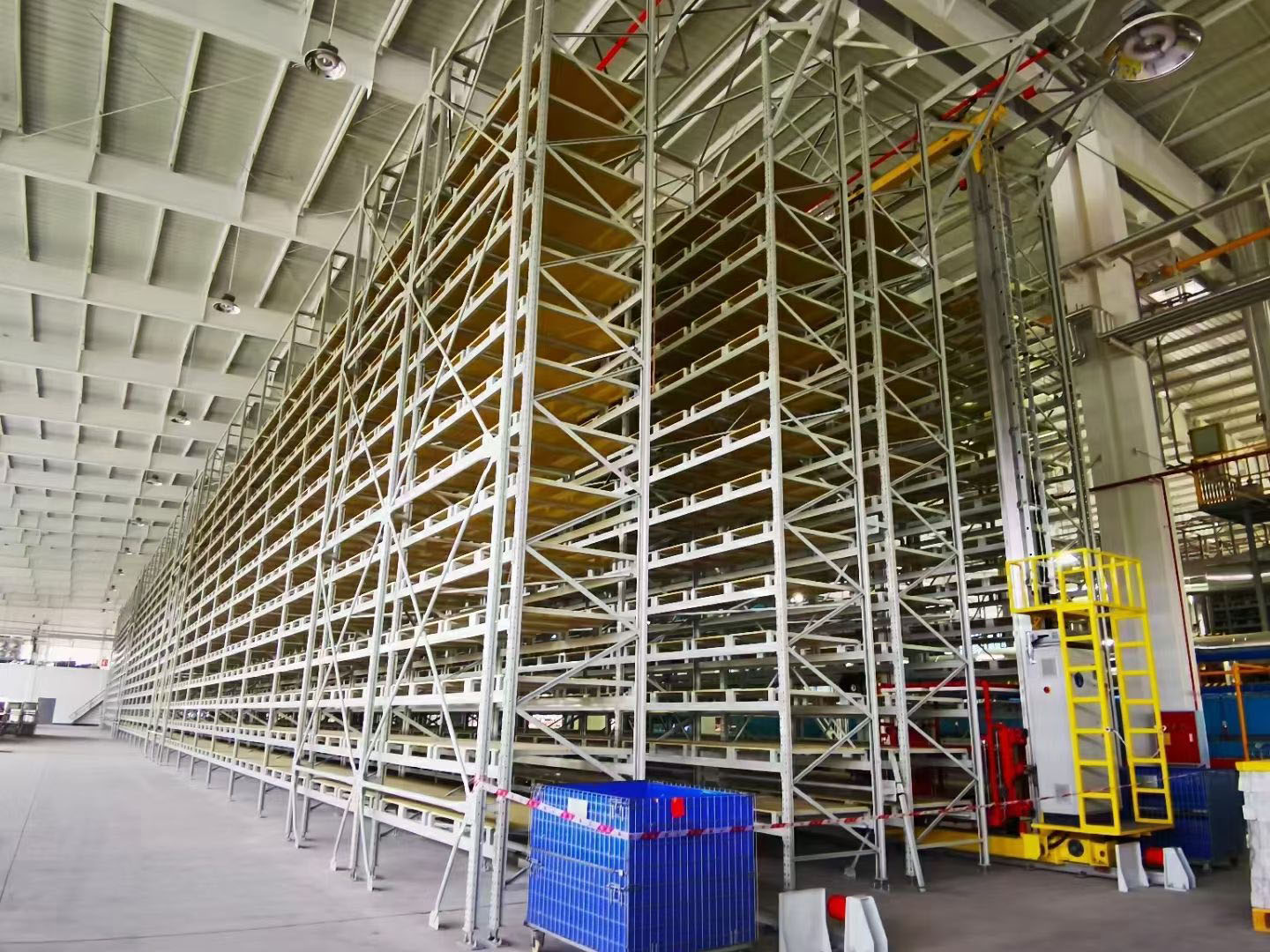
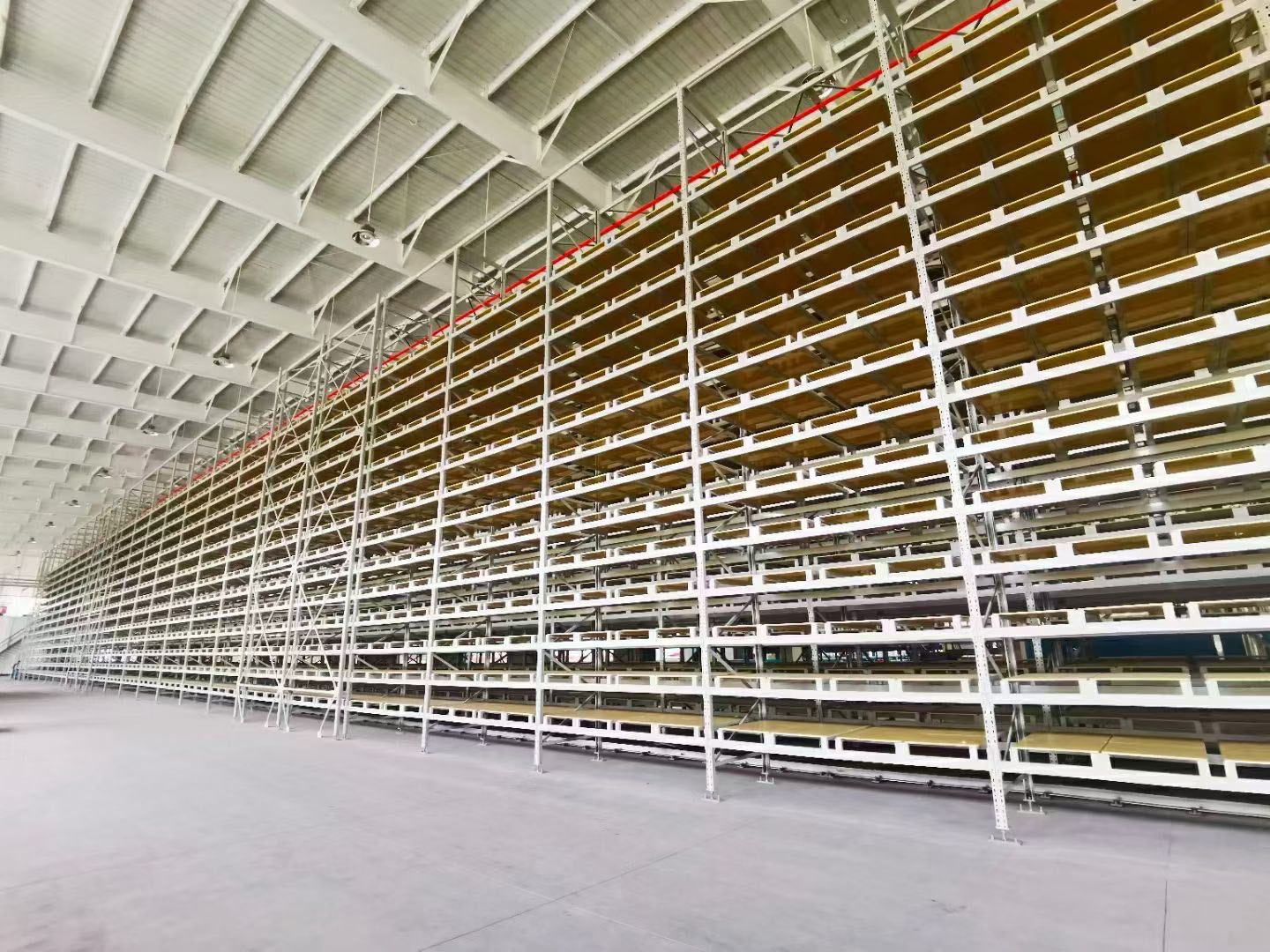
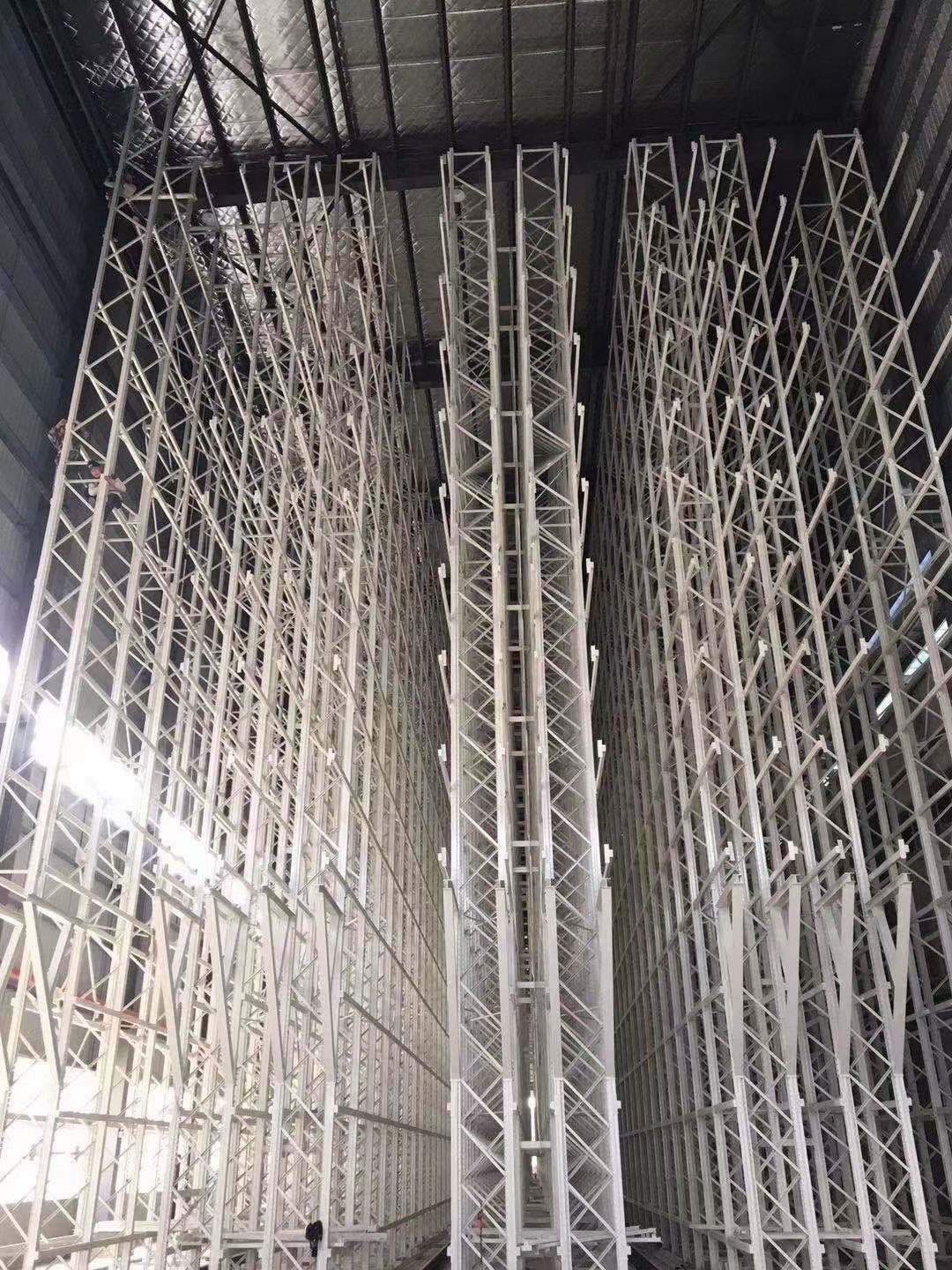
Vertical integration of dispersed inventory: Up to 40 metres of effective storage height concentrates previously distributed stock into a single automated footprint
Inter‑facility elimination: Physical consolidation of two, three, or more separate warehouses into one ASRS‑powered hub
Land‑use efficiency: Achieving 3–5× the storage density of conventional racking, transforming brownfield sites into high‑capacity assets without land acquisition
Industry benchmark:
At Manhattan Beer & Beverage Distributors’ Suffern, New York facility, a Westfalia unit‑load AS/RS was strategically placed to physically connect two pre‑existing, unconnected warehouses . The 50‑foot‑high, 22,000‑pallet‑position system sits in an 80,000‑square‑foot addition that bridges the two buildings, eliminating the previous requirement for inter‑building transfers via tractor‑trailer. Reserve inventory that was once scattered across both facilities now lives entirely within the AS/RS, doubling storage capacity from 850,000 to over 1.5 million cases while freeing vast floor space for improved order building and loading processes .
KINGSHELVING proof:
As demonstrated in our project for Thailand AS/RS (Phase 9–13) —a series of five regional distribution centres delivered sequentially across Chiang Mai, Yasothon, Phuket, Buriram, and Roi Et—each facility consolidates multi‑client, multi‑channel inventory into a single‑aisle, 1,000–1,500 kg per position beam‑rack ASRS. These systems enable third‑party logistics operators to serve diverse customer portfolios from unified inventory pools, eliminating the inefficiency of dedicated warehouses per client.
2. Multi‑Format Storage Harmonization – One System, Every Load Type
The distribution centre is defined by heterogeneity. A single facility may simultaneously handle:
Full‑pallet loads of fast‑moving consumer goods requiring high‑throughput bulk storage
Case‑flow and split‑case picking for retail replenishment
Slow‑moving, high‑value spares stored in secure, access‑controlled locations
Oversized, non‑palletized items requiring cantilever racking
Temperature‑controlled and ambient inventories within the same four walls
Traditional warehouse designs segregate these formats into discrete zones with dedicated equipment and processes, creating operational silos and requiring inventory to be moved—and often re‑handled—across multiple handoffs.
KINGSHELVING’s ASRS architecture harmonizes this diversity:
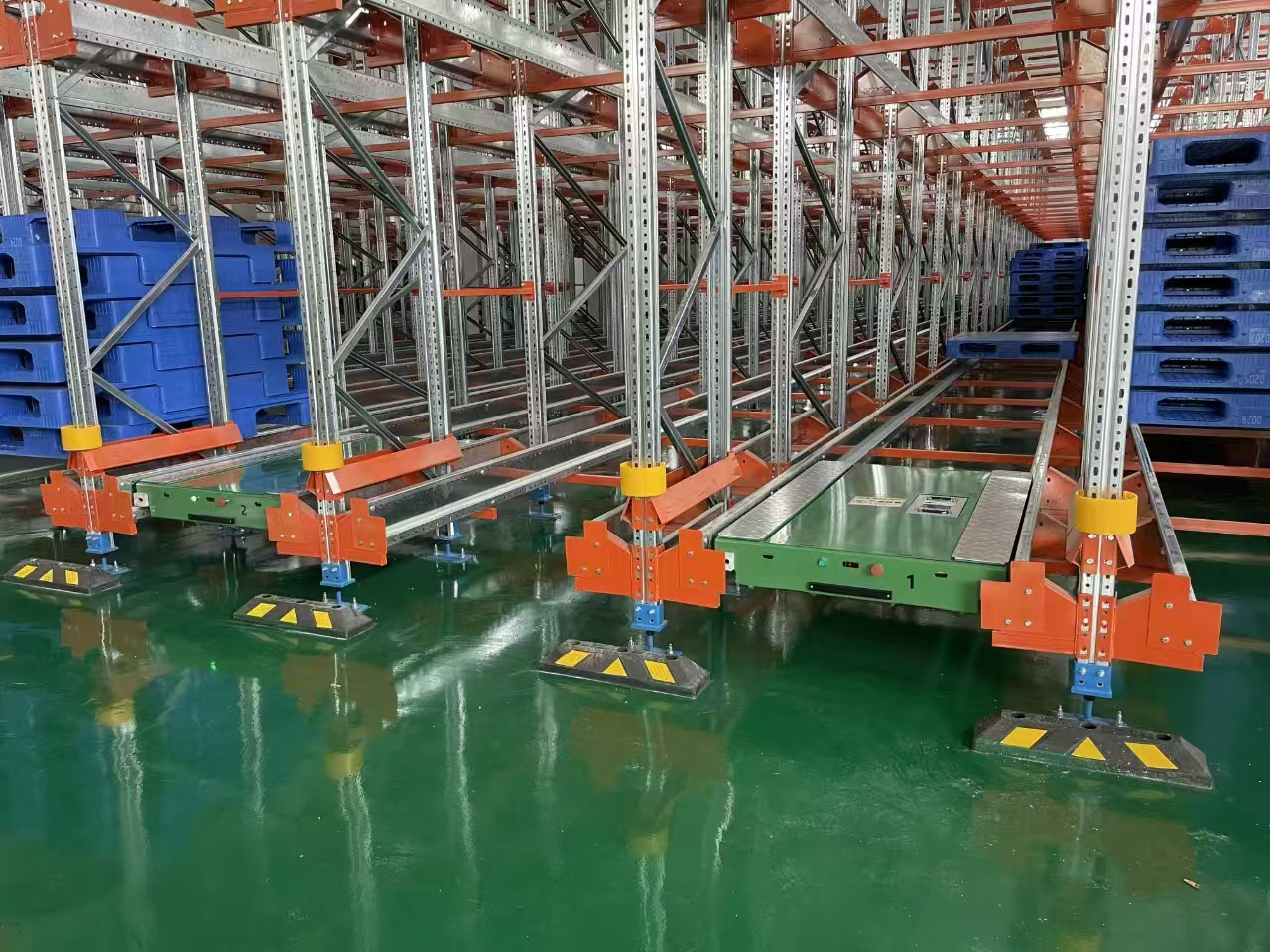
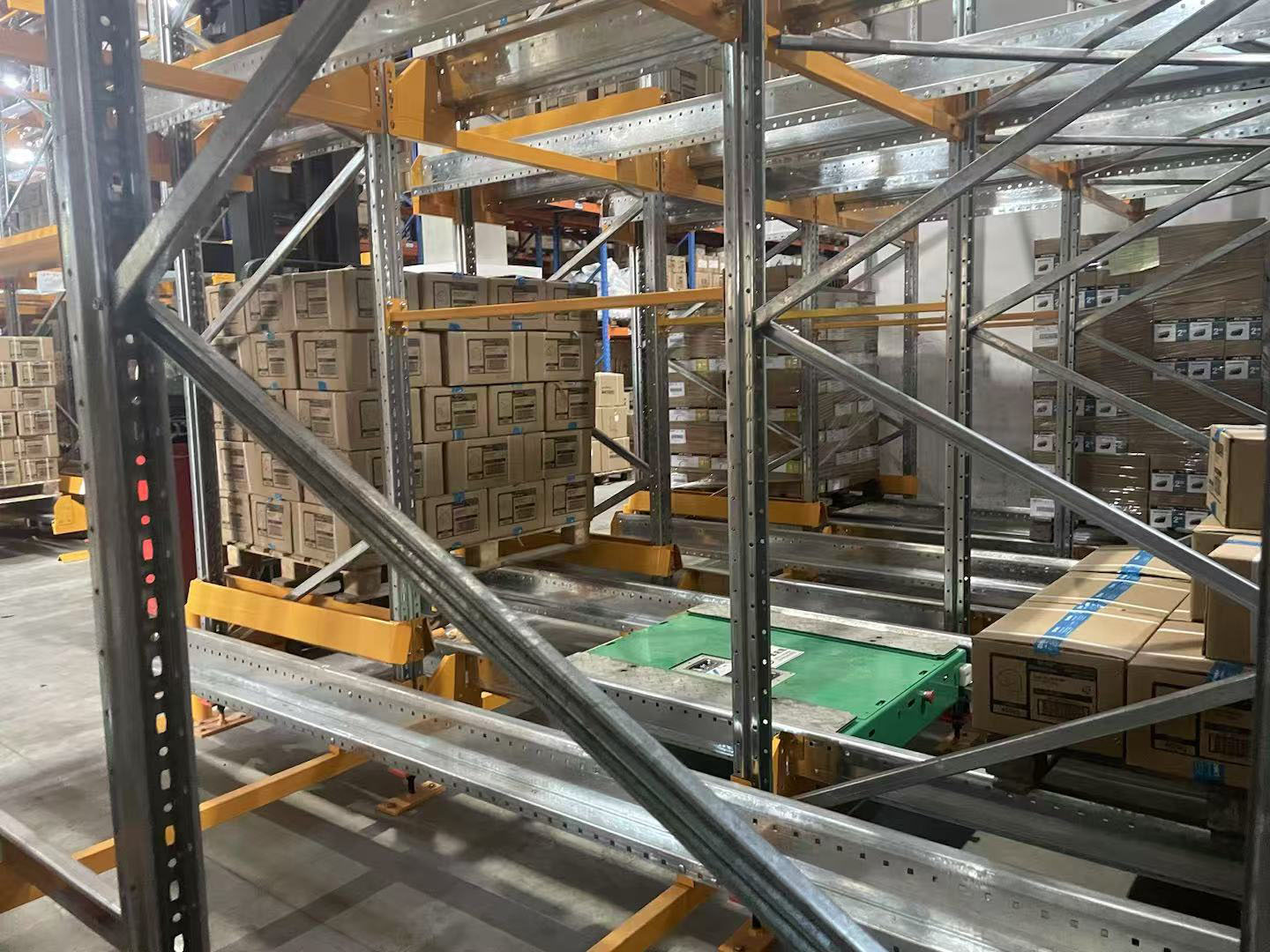
Multi‑technology integration: Pallet stacker cranes for bulk storage, shuttle systems for high‑density buffer, and miniload ASRS for split‑case totes, all within a single WMS‑managed ecosystem
Dynamic storage allocation: Software‑defined assignment of rack positions to pallet, case, or tote loads based on real‑time demand profiles
Unified inventory pool: A single, system‑wide view of all stock regardless of storage format or physical location within the ASRS
Industry benchmark:
Manhattan Beer operates its AS/RS with the capability to handle more than 25 different pallet types dynamically, with triple‑rail design eliminating the need for system boards . The system supports both direct bulk order fulfillment—feeding 11 high‑velocity output lanes for single‑SKU pallet orders—and replenishment of the mixed‑SKU pallet building area, all from the same automated storage core .
KINGSHELVING proof:
At Huizhou Jinze Co., Ltd., Guangdong Province —a 2,717‑position, 3‑aisle beam‑rack ASRS—the system concurrently manages general merchandise pallets (1,000 kg), electronics components in ESD‑protected totes, and seasonal promotional displays requiring non‑standard footprint storage. All formats are stored within the same rack structure, accessed by the same stacker cranes, and managed through a single WMS instance. This harmonization eliminated three separate off‑site storage locations and reduced total inventory holding by 18% through improved visibility and turnover discipline.
3. Throughput Density – Pushing More Volume Through Fixed Footprint
Distribution centres are land‑constrained assets. Expanding outward is often impossible—sites are bounded by property lines, zoning restrictions, or prohibitively expensive adjacent land. Yet the pressure to increase throughput per square metre intensifies annually as customer expectations compress order cycles and broaden product assortments.
KINGSHELVING’s dense‑storage ASRS platforms deliver transformative throughput density:
Vertical expansion: Converting air rights into productive storage and retrieval capacity without expanding ground footprint
Multi‑aisle parallelism: Deploying multiple stacker cranes or shuttle systems to scale throughput in direct proportion to added automation, not added land
Integrated buffer and sortation: Eliminating separate buffer zones by storing inbound goods directly in the ASRS and releasing them sequenced to outbound staging
Industry benchmark:
At PTTLH1 Smart Logistics Centre in Malaysia—a project delivered by OMH Group—the system achieves 300% efficiency improvement and 80% labour reduction within a 2‑acre site, delivering the operational capacity of a traditional 10‑acre warehouse . The installation features 30,000 pallet positions, seven 35‑metre stacker cranes, 18 AGVs, and fully automated conveyor systems, demonstrating that extreme throughput density is achievable through vertical integration and system‑level orchestration .
KINGSHELVING proof:
Our project for Geological Samples Center, Ministry of Natural Resources —a 2,184‑position, 2‑aisle beam‑rack ASRS rated at 1,000 kg per position—was executed within a constrained urban site where lateral expansion was impossible. By building upward to 18 metres, we delivered 4.2× the storage density of the client’s previous off‑site archival warehouses, while reducing retrieval time from 45 minutes to 90 seconds. This enabled consolidation of three distributed repositories into a single, fully automated core facility.
4. Omnichannel Fulfillment Complexity – Serving Every Channel from One Inventory Pool
The distinction between wholesale, retail, and e‑commerce channels has dissolved. A modern distribution centre must simultaneously:
Ship full pallets to big‑box retailers
Deliver mixed‑SKU, store‑ready pallets to supermarket chains
Dispatch individual parcels to online consumers
Support click‑and‑collect and direct‑store delivery programs
Each channel imposes different order profiles, packaging requirements, and service‑level expectations. Operating separate inventory pools for each channel is economically unsustainable and operationally inefficient.
KINGSHELVING’s ASRS and WMS platforms are architected for true omnichannel execution:
Unified physical inventory: Single stock‑keeping unit pool accessible by all outbound channels
Channel‑aware order allocation: Intelligent routing of orders to the optimal fulfilment process—bulk, case, or each—based on profitability and service‑level targets
Store‑ready processing: Integrated value‑added services (price ticketing, hanging‑garment preparation, display‑ready palletizing) within ASRS workflows
Industry benchmark:
Breuninger, the German omnichannel department store retailer, operates one of Europe’s largest AutoStore systems—200,000+ bins, nearly 300 robots, and 35 integrated workstations—within its 116,000‑square‑metre logistics centre near Stuttgart . The system simultaneously supports store replenishment, e‑commerce fulfillment, and returns processing from a single inventory pool, demonstrating that high‑SKU, multi‑channel distribution can be consolidated within a unified automated architecture .
KINGSHELVING proof:
At Aihuishou Network —a 21,312‑position, 17‑aisle clamp‑head ASRS serving the circular economy sector—the system manages an extreme‑SKU inventory of refurbished electronics, each unit tracked individually by serial number. Orders flow through multiple channels: B2B bulk shipments to certified resellers, B2C individual parcels to consumers, and reverse‑logistics processing for units requiring re‑testing or component harvesting. Our WMS dynamically allocates inventory to the optimal channel based on product condition, demand velocity, and margin contribution—all from a single, fully traceable stock pool.
5. Spatial Flexibility – Automation That Moves with Your Business
Distribution centre operators increasingly operate in leased facilities. In markets such as Japan, Europe, and major North American logistics corridors, build‑to‑suit ownership is the exception, not the rule. Yet conventional AS/RS systems require permanent floor anchoring, seismic embedment, and building‑integrated fire protection—creating significant barriers to adoption in leased space and making relocation effectively impossible.
KINGSHELVING addresses this constraint with anchorless, relocatable ASRS architectures:
Seismic‑isolated, anchor‑free structures: Engineered to meet stringent seismic safety requirements without becoming part of the building’s permanent infrastructure
Full system relocatability: Ability to decommission, transport, and recommission the ASRS at a new site as business requirements evolve
Lease‑friendly installation: No restoration obligations for floor penetrations; reduced negotiation complexity with landlords
Industry benchmark:
Alps Logistics, a global 3PL operating under LOGISTEED, selected Rapyuta ASRS for its Narita Daiei Warehouse specifically because the system’s seismic‑isolated, anchorless design enabled installation in a leased facility with make‑good obligations . The company explicitly cited relocation flexibility as a decisive factor: if consolidation or network reconfiguration requires future moves, the ASRS can be relocated rather than abandoned .
KINGSHELVING capability:
While our anchorless ASRS platforms are presently deployed in controlled pilot configurations, this architectural approach represents the future of flexible distribution centre automation. We are engineering our next‑generation shuttle and miniload systems for full relocatability, recognizing that for 3PL operators and multi‑tenant distribution park tenants, spatial flexibility is not a convenience—it is a strategic imperative.
II. Technology Differentiators – Built for Distribution Centre Reliability
Deterministic Throughput, Not Statistical Probability
E‑commerce fulfillment can tolerate stochastic performance—most orders shipped within a target window. Distribution centres servicing retail networks, industrial supply chains, and critical infrastructure cannot. A missed delivery window at the distribution centre means empty shelves at the supermarket, production stoppage at the factory, or delayed project completion at the construction site.
KINGSHELVING’s ASRS platforms are engineered for deterministic performance. Our control systems guarantee retrieval times within defined tolerances, not statistical confidence intervals. When the system commits an order, the order is delivered.
Multi‑Temperature, Single‑Platform
Distribution centres increasingly span ambient, chilled, and frozen storage within a single facility. KINGSHELVING offers integrated multi‑temperature ASRS solutions that share common software, control, and material handling interfaces across thermal zones. This unified architecture eliminates the inefficiency of separate, siloed cold‑chain and ambient facilities.
ERP‑Native Integration
Distribution centre operators run on enterprise platforms—SAP, Oracle, Microsoft Dynamics, and specialized tier‑1 distribution ERPs such as eoStar (deployed at Manhattan Beer) . KINGSHELVING’s WMS provides pre‑built integration adapters for these environments, enabling real‑time, bidirectional data synchronization without custom middleware development. Our systems do not force operators to abandon their enterprise architecture; we integrate with it.
Future‑Ready Scalability
The distribution centre of 2030 will handle volumes and SKU counts that are unimaginable today. KINGSHELVING’s ASRS platforms are designed for modular, non‑disruptive expansion. Add aisles, extend rack rows, deploy additional shuttles or stacker cranes—all without taking the existing system offline. Your investment scales with your business, not ahead of it.
III. Cross‑Segment Practice – Proven Across Distribution Verticals
Beverage & Food Distribution
Manhattan Beer & Beverage – 22,000+ pallet positions, 7 levels, 1.5 million case capacity. This installation demonstrates the power of ASRS as a physical and operational bridge, connecting previously separate facilities into a unified flow while doubling storage density and throughput capacity .
Wuxi Erquanyingyue Mineral Water Co., Ltd. – 2,547 positions, 4 aisles, 1,200 kg per position. Our beam‑rack ASRS serves as the regional distribution hub for one of China’s leading bottled water producers, managing high‑velocity SKU turnover during peak summer months with 99.8% order accuracy.
Hunan Jinjian Quick‑Frozen Food Co., Ltd. – 5,490 positions, 2 aisles, 1,000 kg per position. A multi‑temperature distribution centre supporting both frozen (-25°C) and chilled (+4°C) product lines from a single, integrated ASRS platform.
General Merchandise & 3PL Distribution
Thailand AS/RS Series (Phases 9–13) – Five facilities across Chiang Mai, Yasothon, Phuket, Buriram, and Roi Et, each configured as single‑aisle, 1,000–1,500 kg beam‑rack ASRS. These systems enable a leading Thai 3PL to consolidate multi‑client inventory under unified management, serving retail, e‑commerce, and industrial customers from shared infrastructure.
Logistics Distribution Centre of China First Heavy Industries (CFHI) – 384 positions, 1 aisle, 500 kg per position. Supporting the distribution of heavy equipment spare parts across CFHI’s national service network, with WMS integration to SAP enabling real‑time inventory visibility for field service technicians.
Pharmaceutical Distribution
Tianjin Rongliheng Pharmaceutical Sales Co., Ltd. – 816 positions, single curved aisle, 700 kg per position. A GDP‑compliant regional pharmaceutical distribution centre managing both ambient and cold‑chain inventories, with full 21 CFR Part 11 traceability and automated expiry management.
Nanjing Changao Pharmaceutical Co., Ltd. – 5,148 positions, 4 aisles, 500 kg per position. Serving as the central distribution hub for ophthalmic and oncology generics across Eastern China, consolidating three former off‑site warehouses into one automated facility.
Automotive Parts Distribution
Zhejiang Longsheng Auto Parts Co., Ltd. – 3,240 positions, 11 aisles, 500 kg per position. One of the largest ASRS installations in China’s automotive aftermarket sector, supporting next‑day delivery commitments to repair shops and dealerships across the Yangtze River Delta.
Foshan Huaxiang Automotive Metal Parts Co., Ltd. – 4,202 positions, 4 aisles, 1,500 kg per position. A JIS‑capable distribution centre feeding stamped body components to multiple nearby assembly plants, with WMS directly synchronized to OEM production schedules.
Rail & Urban Transit Distribution
Hefei Urban Rail Transit Co., Ltd. – 3,860 positions, 6 aisles, 1,000 kg per position. Serving as the central spare parts repository for Hefei’s expanding metro network, with emergency retrieval capabilities supporting 24/7 maintenance operations.
Kunming Rail Transit Line 3 Phase I Project – 3,182 positions, 6 aisles, 1,000 kg per position. A mission‑critical distribution centre supporting one of Southwest China’s busiest metro lines, delivering 90‑second retrieval for urgent maintenance requirements.
New Energy & Battery Distribution
Zhaoqing E-Power Battery Co., Ltd. – 12,328 bin positions + 4,496 pallet positions. A multi‑format distribution centre supporting both bulk pallet storage of finished batteries and split‑case picking of consumer‑packed units, with dedicated fire‑isolated storage zones compliant with UN38.3 and UL certification requirements.
Qingdao Guoxuan Battery Co., Ltd. – 3,700 positions, 4 aisles, beam/bin mixed configuration. Serving as the regional distribution hub for automotive lithium‑ion batteries, with integrated thermal monitoring and automated quarantine management for quality‑hold inventory.
IV. Beyond Equipment – Total Project Execution for Distribution Centre Clients
Network Strategy, Not Just Facility Automation
KINGSHELVING approaches distribution centre automation as a network‑level intervention. Before we design a single rack or line of control code, we work with our clients to understand:
Current and projected throughput requirements by channel and customer segment
Inventory deployment strategy—centralized vs. regionalized
Real estate portfolio constraints and lease expiration timelines
Labour market dynamics across the distribution network
This strategic framing ensures that the automation solution we deliver serves not only the immediate facility, but the client’s broader supply chain competitiveness.
Brownfield Transformation Expertise
Unlike greenfield projects, brownfield distribution centre automation must coexist with ongoing operations. KINGSHELVING has extensive experience executing ASRS installations within live warehouses:
Phased implementation sequences that maintain order fulfillment continuity
Temporary buffer strategies to absorb inventory during rack demolition and construction
Weekend and night‑shift installation windows to minimize operational disruption
Validation and Compliance Readiness
For distribution centres serving regulated industries—pharmaceuticals, food, hazardous materials—KINGSHELVING delivers:
Complete validation documentation packages (IQ/OQ/PQ)
Temperature mapping protocols for cold‑chain installations
Audit‑ready traceability reporting
21 CFR Part 11 compliant software configurations
Global Service Footprint
From our base in China to our clients’ distribution hubs across Southeast Asia, Europe, and the Americas, KINGSHELVING’s service organization provides:
24/7 remote monitoring and diagnostic support
Regionally stocked spare parts inventories
Locally deployed field service engineers
Preventive maintenance programs aligned with distribution centre operating schedules
V. Your Network, Our Commitment
The logistics distribution centre is not merely a node in the supply chain—it is the point at which the entire network’s performance is proven or exposed. A distribution centre that falters does not fail in isolation; it fails downstream. Retailers stock out. Production lines stop. Construction projects stall. Patients wait.
KINGSHELVING engineers distribution centre automation with the same discipline, rigor, and uncompromising quality that our clients apply to their own service commitments. We understand that the pallet we retrieve at 02:00 is destined for a supermarket opening at 08:00; that the automotive component we sequence is scheduled for installation within a 47‑second assembly window; that the pharmaceutical carton we dispatch carries a therapy on which a patient depends.
Whether it is 22,000 pallet positions bridging two buildings in New York, 30,000 positions consolidating 10 acres of capacity into 2 acres in Malaysia, or a series of five distribution centres supporting a national 3PL’s expansion across Thailand, our solutions are built for one purpose: to make your network unbreakable.
We respect your scale. We absorb your complexity. We deliver your network reliability.
What we deliver is not a warehouse—it is distribution certainty.