Čeští hráči mají dnes na výběr z desítek online kasin, a proto se vyplatí sledovat nejen výši bonusu, ale i podmínky pro jeho získání. Mezi nejvyhledávanější nabídky patří 10 eur zdarma za registraci, které potěší především začátečníky. Popularitu si drží také 100 free spiny bez vkladu, ideální pro rychlé vyzkoušení automatů bez rizika. Kdo preferuje platbu kartou, může využít 100 kč paysafecard zdarma a zahrát si okamžitě po vložení.
Mnohá kasina lákají nové hráče na 100 kč za registraci automaty, což je skvělý způsob, jak poznat nabídku bez větší investice. Alternativou pro příznivce eura je 20 eur za registraci bez vkladu, případně mezinárodně zaměřený 20 no deposit casino bonus. Nejnižší vstupní bonus nabízí 5 eur zdarma za registraci, vhodný pro testování herních mechanismů.
Před registrací se vždy vyplatí přečíst si hodnocení ostatních hráčů. Podrobný 69 casino recenze odhaluje silné i slabé stránky provozovatele. Zkušenosti s českou značkou shrnuje admiral casino recenze, zatímco milovníky moderních automatů potěší apollo games casino recenze. Díky těmto informacím zvolíte kasino, které odpovídá vašim preferencím i rozpočtu.
Český trh s online kasiny je dnes mimořádně rozmanitý a hráči si mohou vybírat mezi desítkami provozovatelů. Pokud hledáte co nejvýhodnější start, začněte u nabídky, která nevyžaduje žádný vklad – tedy casino bonus za registraci bez vkladu. Právě takové akce vám umožní vyzkoušet provozovatele nanečisto a teprve poté se rozhodnout, zda do hry vložíte vlastní peníze. Vedle toho se vyplatí sledovat i pravidelné casino bonusy, jako jsou free spiny, reload bonusy nebo věrnostní programy pro stálé hráče.
Nabídka herních titulů je opravdu široká – od klasických automatů přes stolní hry až po živé krupiéry. Portály, které se specializují na casino hry, obvykle nabízejí přehledné filtrování podle poskytovatele i volatility, takže si snadno najdete titul odpovídající vaší strategii. Stále více hráčů navíc zkouší bitcoin casino, kde vklady i výběry probíhají v řádu minut a zcela bez zásahu banky.
Před registrací se ale vždy vyplatí zjistit, jak si daný provozovatel stojí u ostatních hráčů. Detailní betor casino recenze vám prozradí, jak rychle se zpracovávají výběry a jak kvalitní je zákaznická podpora. Stejně užitečná je i bonver casino recenze, která shrnuje zkušenosti s bonusovými podmínkami a limity pro výběr výher.
U platebních metod je dobré si předem ověřit, co konkrétní kasino podporuje. Mnoho hráčů preferuje možnost casino minimální vklad 100 kč paysafecard, protože jde o rychlý a anonymní způsob platby bez zadávání údajů o kartě. Jiní zase oceňují casino vklad přes sms cz, který je ideální pro okamžité dobití účtu přímo z mobilu. Pokud hledáte širší výběr provozovatelů a štědřejší podmínky, může být řešením casino online zahraničí, tedy licencované zahraniční kasino, které přijímá i české hráče. A pokud nechcete riskovat ani korunu, pomůže vám automaty bonus za registraci bez vkladu, díky kterému si zahrajete zdarma a bez jakéhokoli vkladu.
Český trh s online hazardními hrami se za poslední roky výrazně proměnil a hráči dnes mají na výběr z desítek licencovaných i zahraničních platforem. Stále více lidí přitom hledá crypto casino, které nabízí rychlé vklady a výběry bez zapojení banky. Než ale vložíte první korunu, vyplatí se projít si forbes casino recenze a porovnat reputaci, licenci i rychlost výplat jednotlivých provozovatelů.
Velkou roli při výběru hraje samozřejmě bonusová nabídka. Pokud chcete mít přehled o aktuálních akcích, sledujte free spiny dnes, protože se obměňují doslova každý týden. Zvláštní kategorií jsou free spiny za registraci bez vkladu, díky nimž si můžete kasino vyzkoušet, aniž byste museli vložit vlastní peníze.
Mezi tradiční české značky, které stojí za pozornost, patří fortuna casino recenze, kde se dočtete o licenci, platebních metodách i zákaznické podpoře. Novější hráči často zvažují grandwin casino recenze a stále častěji se objevuje také kartáč casino recenze, která hodnotí mimo jiné rychlost registrace a bonusové podmínky.
Základem každého kasina jsou pochopitelně hrací automaty, ať už jde o klasické tříválcové přístroje, nebo moderní video automaty s bonusovými funkcemi. Pokud si je chcete nejprve osahat bez rizika, můžete vyzkoušet hrací automaty zdarma 81 nebo režim hrací automaty zdarma neomezeně, v němž si strategii vyzkoušíte tak dlouho, jak budete potřebovat.
Hledáte spolehlivé online casino cz? V našem přehledu najdete ty nejlepší herny pro české hráče. Začněte třeba u luckybet casino recenze, která vám ukáže výhody i nevýhody tohoto provozovatele. Podobně důkladně jsme sepsali i maxa casino recenze, abyste věděli, co očekávat.
Mezi nejlepší online casino patří i nové platformy, které přinášejí svěží vítr do světa hazardu. Pokud vyzkoušíte nové casino online, můžete získat atraktivní vítané nabídky. Pro milovníky mobilního hraní doporučujeme mobilní casino, které je optimalizované pro telefony a tablety.
Velkým lákadlem jsou bonusy bez vkladu. Například nové online casino bonus bez vkladu vám umožní hrát zdarma a vyzkoušet hry před vložením peněz. Specifickou nabídkou je online casino bonus bez vkladu 7, který nabízí sedm eur nebo sedm spinů zdarma. Nezapomeňte si přečíst také nv casino recenze, kde hodnotíme podmínky tohoto bonusu.
Pro ty, kdo chtějí točit online automaty za peníze, je důležité vybrat kasino s vysokou výplatností a rychlými výběry. Věříme, že s naším průvodcem najdete ideální místo pro zábavu i výhry.
V českém prostředí se hráči zajímají nejen o samotné hry, ale také o pohodlné platby a výhodné nabídky. Pokud preferujete platby přes internetovou peněženku, vyplatí se prozkoumat možnosti jako paypal casino, kde lze často vložit vklad rychle a bez složitého ověřování. Alternativu pro ty, kdo chtějí platit předplacenou kartou, představuje paysafecard casino, které ocení zejména hráči dbající na soukromí.
Mezi oblíbené moderní hry patří Plinko a k němu se vážou i atraktivní nabídky. Pokud hledáte možnost vyzkoušet hru bez rizika, určitě vás zaujme plinko bonus bez vkladu. Před registrací se také vyplatí zjistit aktuální promo kód casino, který může navýšit vklad nebo přinést další výhody.
Čeští hráči často srovnávají známé značky. Podrobný sazka casino recenze pomůže posoudit nabídku her, platební metody i zákaznickou podporu. Pro rychlé transakce je vhodné zvážit také skrill casino, které bývá dostupné v řadě online casin.
Před výběrem je dobré číst zkušenosti ostatních. star casino recenze i tokyo casino recenze vám mohou napovědět, jaké bonusy a podmínky jednotlivé platformy nabízejí. Velkou pozornost si zaslouží i nabídky pro nové hráče ze zahraničí, například zahraniční casino bonus bez vkladu nebo zahraniční free spiny bez vkladu, které lze často využít bez prvního vkladu.
V České republice si dnes můžete zahrát prakticky odkudkoli – stačí si vybrat spolehlivý portál a ověřit si licenci. Mezi českými hráči jsou dlouhodobě nejoblíbenější české casino, která nabízejí platby v korunách, českou zákaznickou podporu a bonusy bez zbytečných podmínek. Pokud dáváte přednost atmosféře skutečného stolu, vyplatí se před registrací prostudovat živé casino recenze, kde se dozvíte, jak kvalitní je stream, jak rychlé jsou výplaty a jaké limity sázek můžete očekávat. Ať už hrajete automaty, nebo preferujete live krupiéry, vždy sázejte zodpovědně a jen v mezích svých možností.
Automobile: Precision Automation for Just-In-Sequence Manufacturing
The automotive industry operates at the outer limits of supply chain velocity and complexity. A modern vehicle consists of over 30,000 individual parts, sourced from hundreds of suppliers across dozens of countries, yet the final assembly sequence tolerates zero deviation. A bumper delivered in the wrong color, a wiring harness sequenced one position late, or a transmission arriving minutes behind schedule—each triggers a line stoppage that costs tens of thousands of euros per minute and ripples through an entire global production network.
For decades, automotive logistics was dominated by just-in-time (JIT) discipline: parts arriving precisely when needed, but without rigid order specificity. Today, the industry has evolved to just-in-sequence (JIS). It is no longer sufficient for a component to arrive on time—it must arrive in the exact sequence dictated by the specific vehicle configuration moving down the assembly line. Batch size one is no longer a future aspiration; it is today’s operational reality.
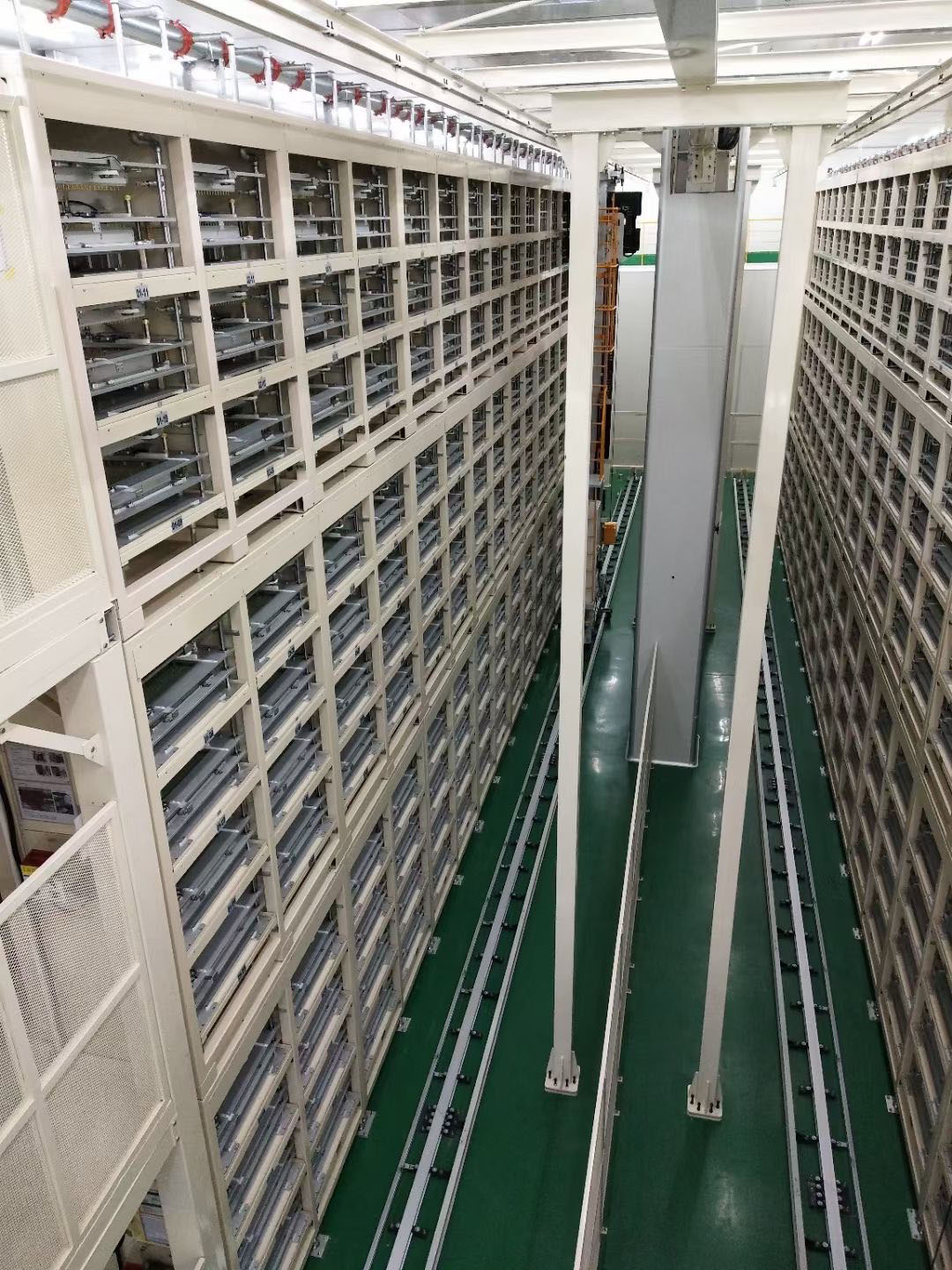
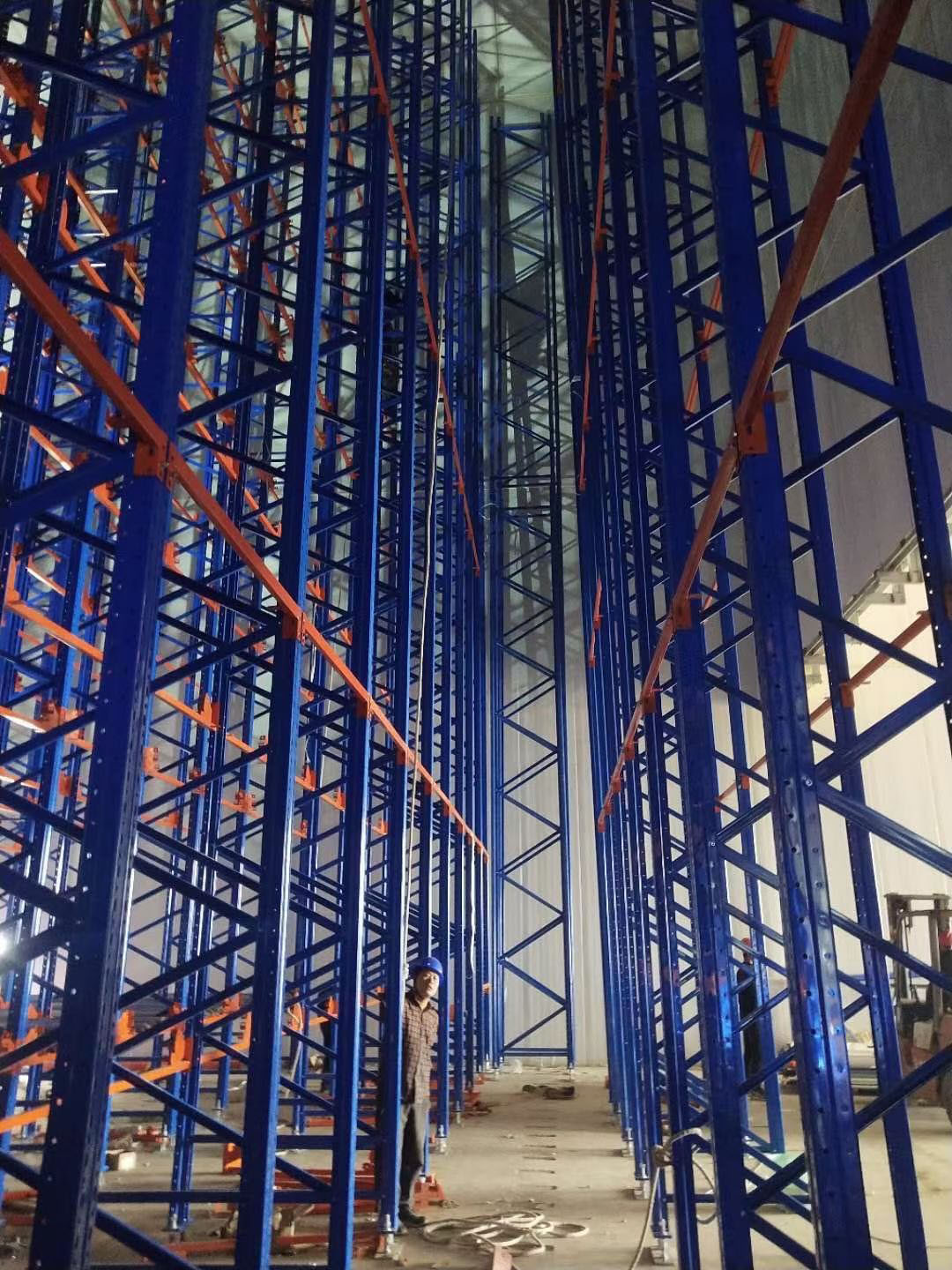
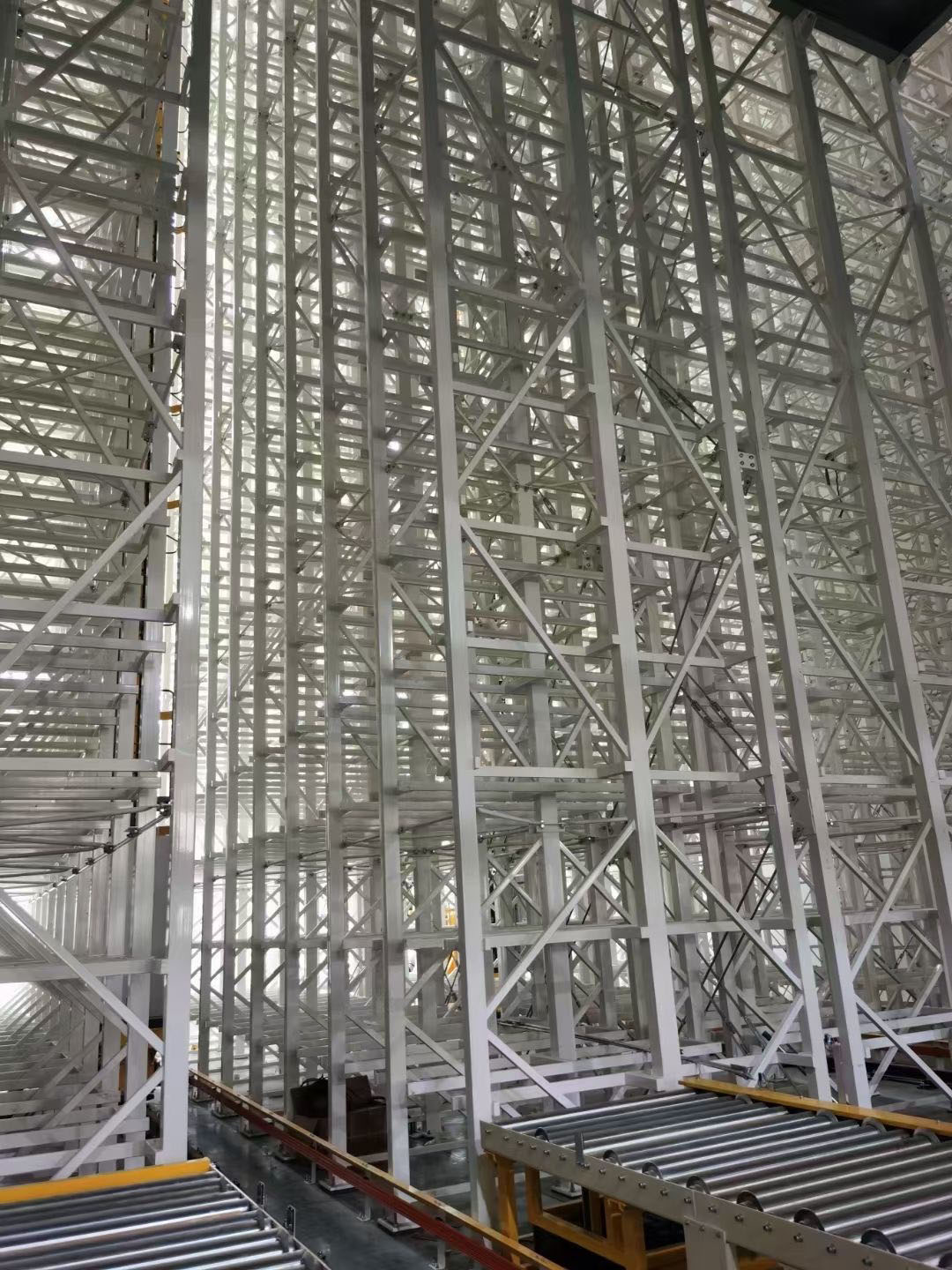
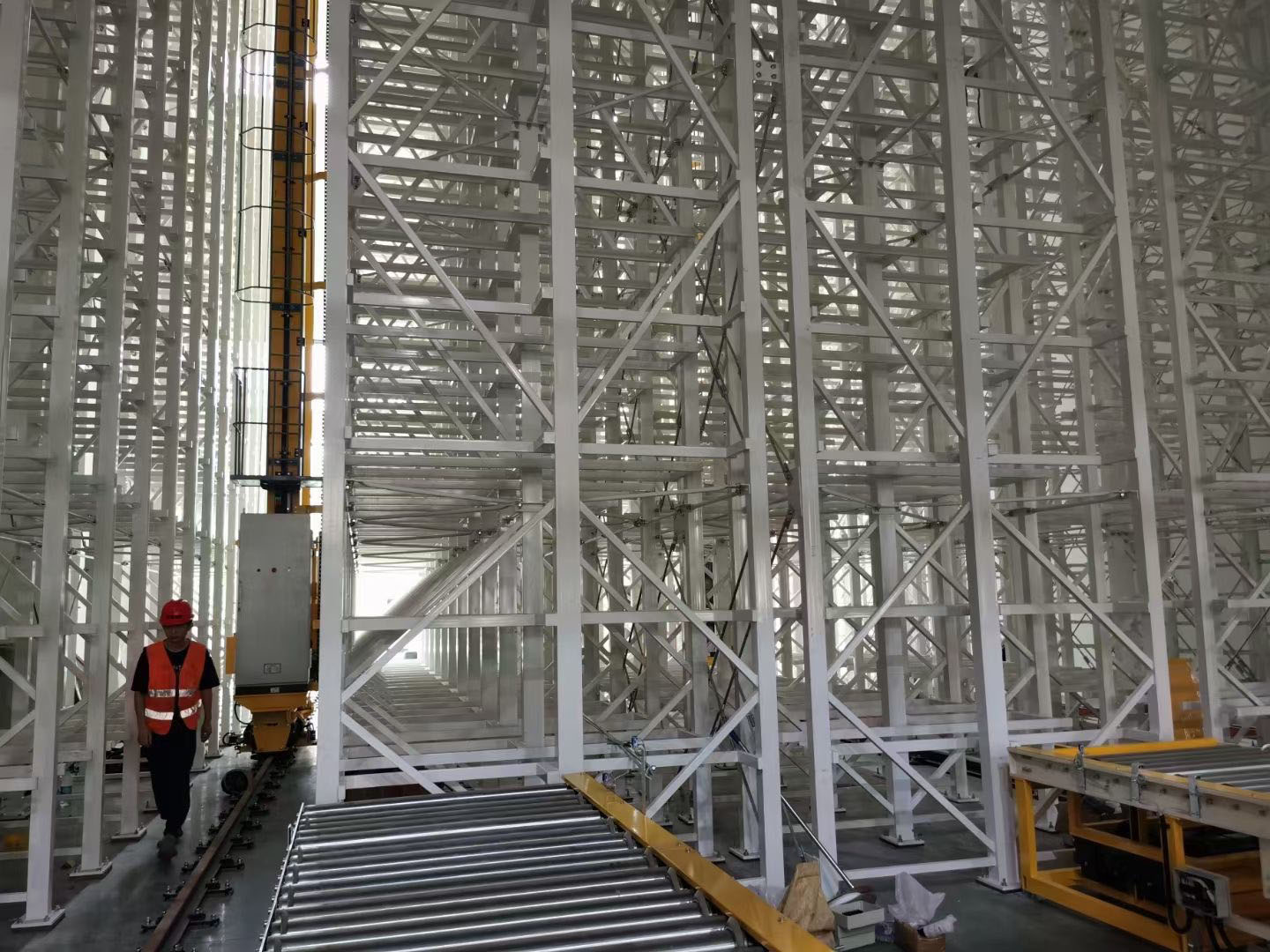
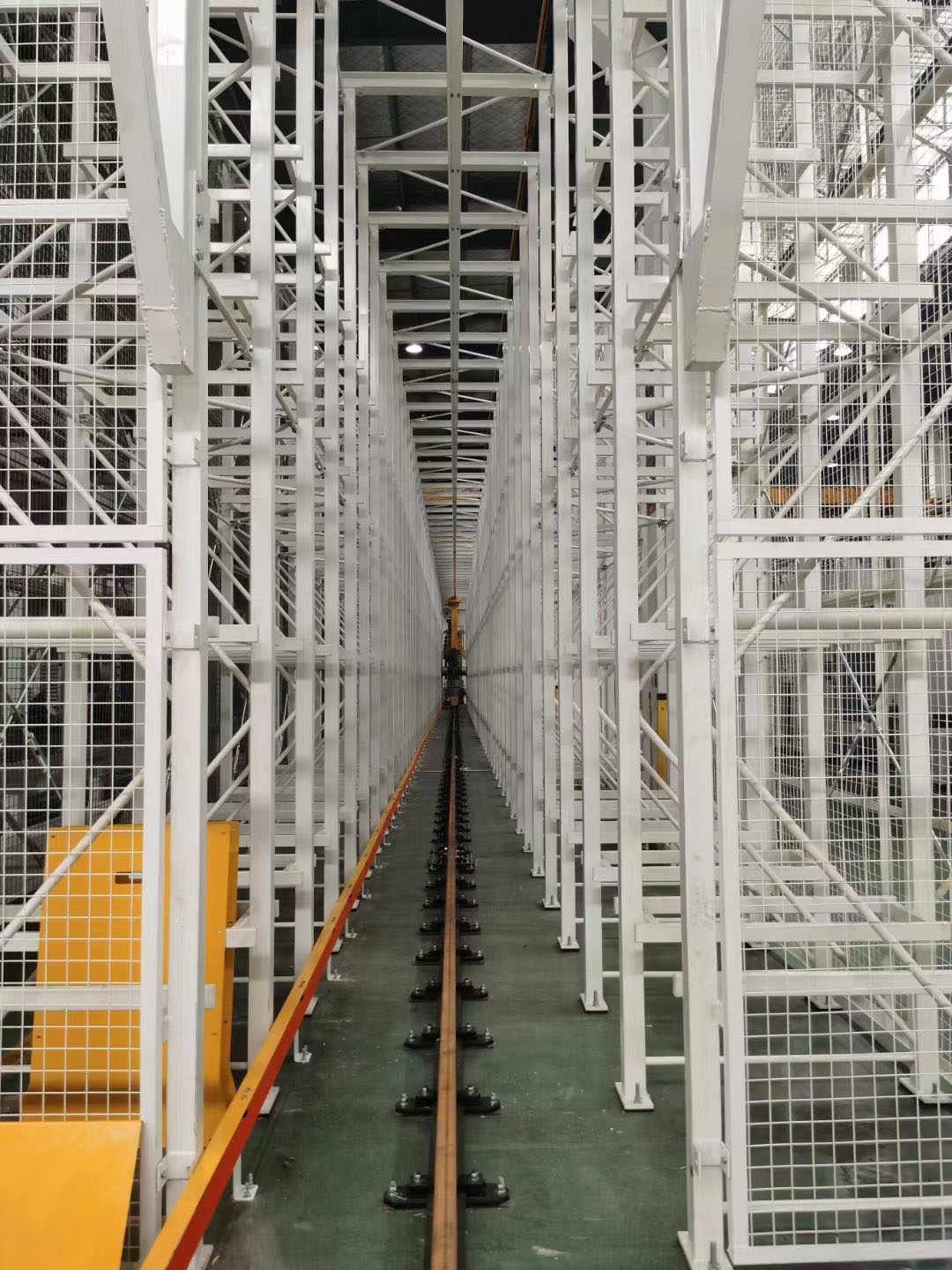
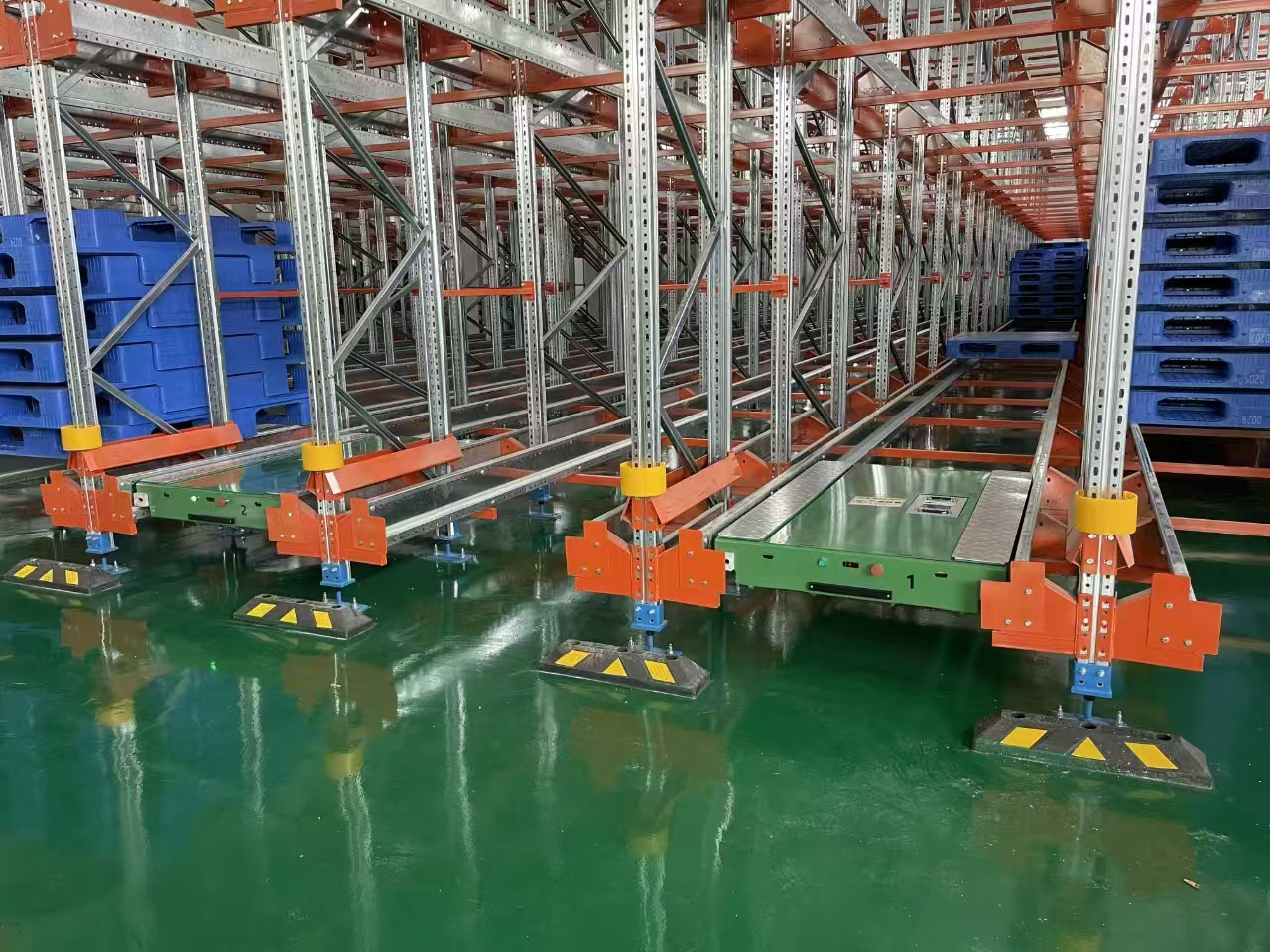
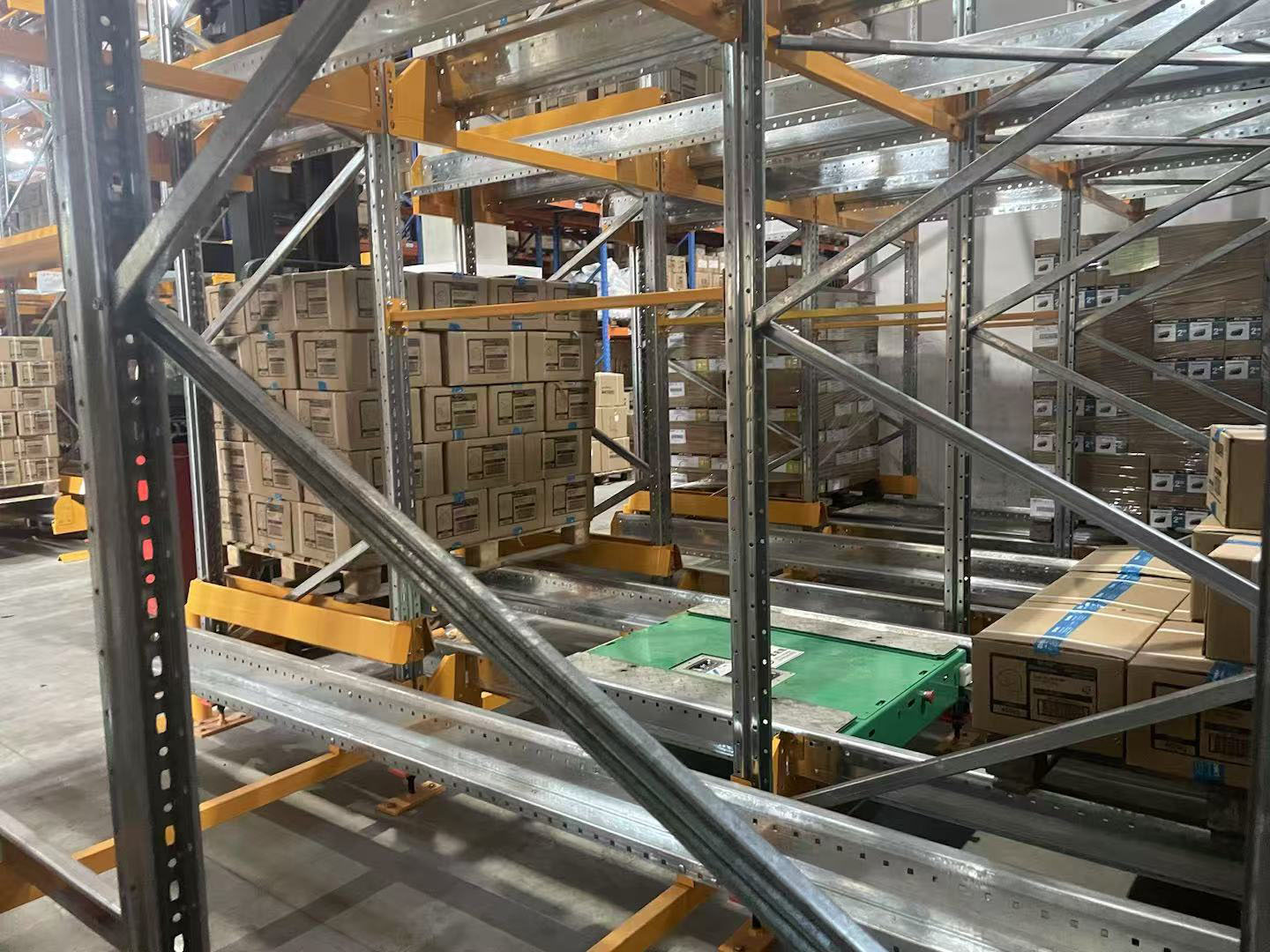
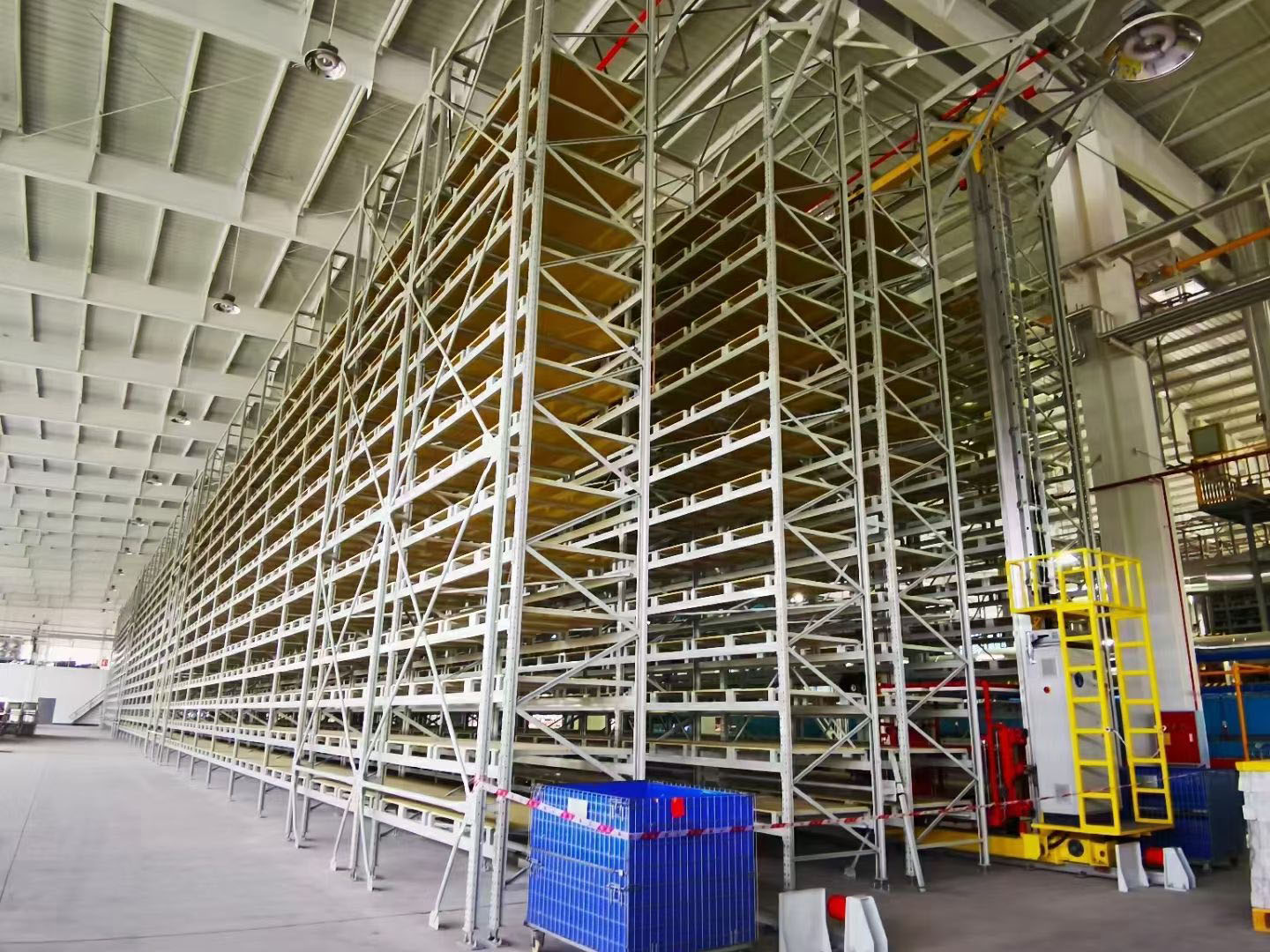
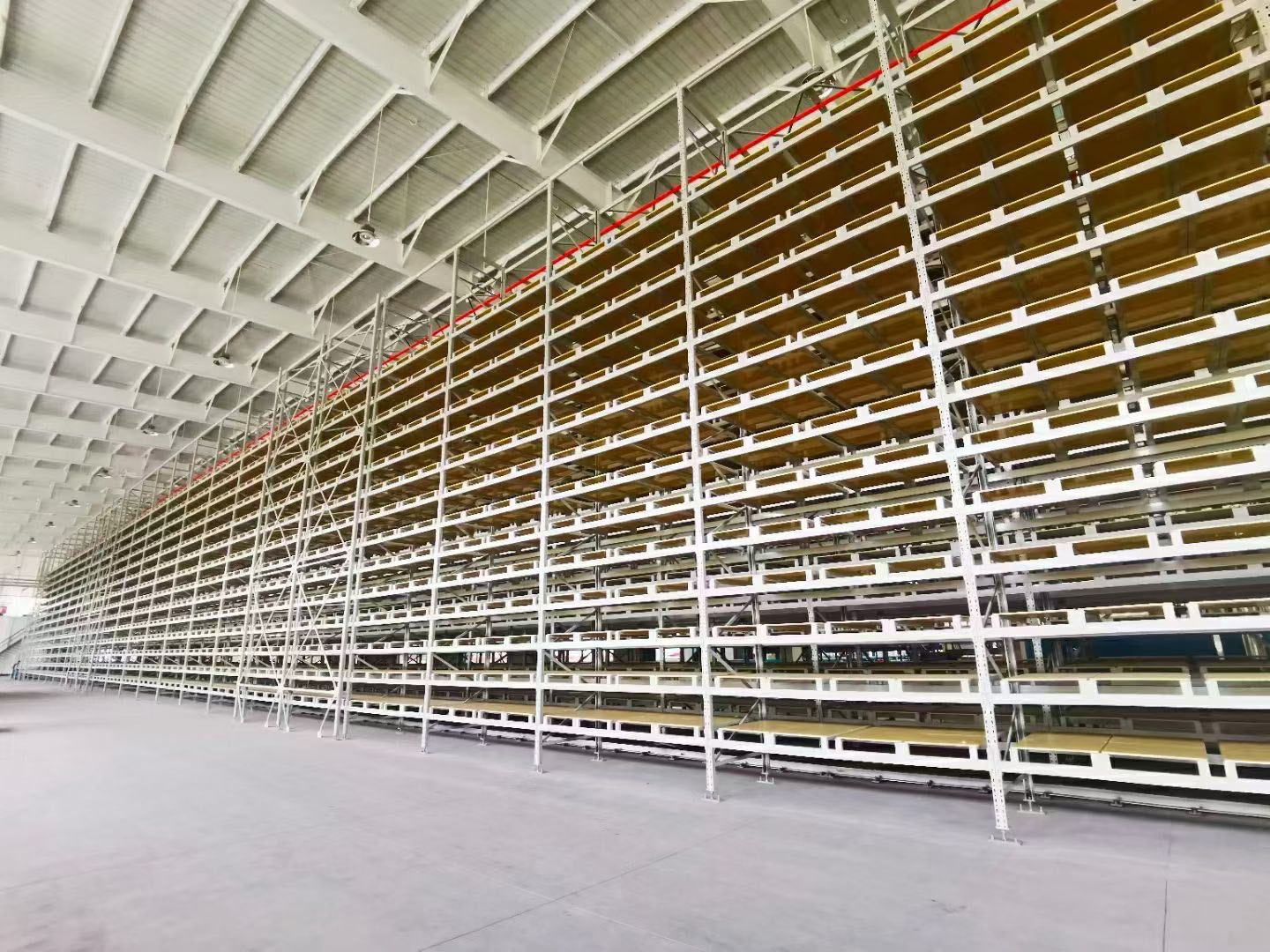
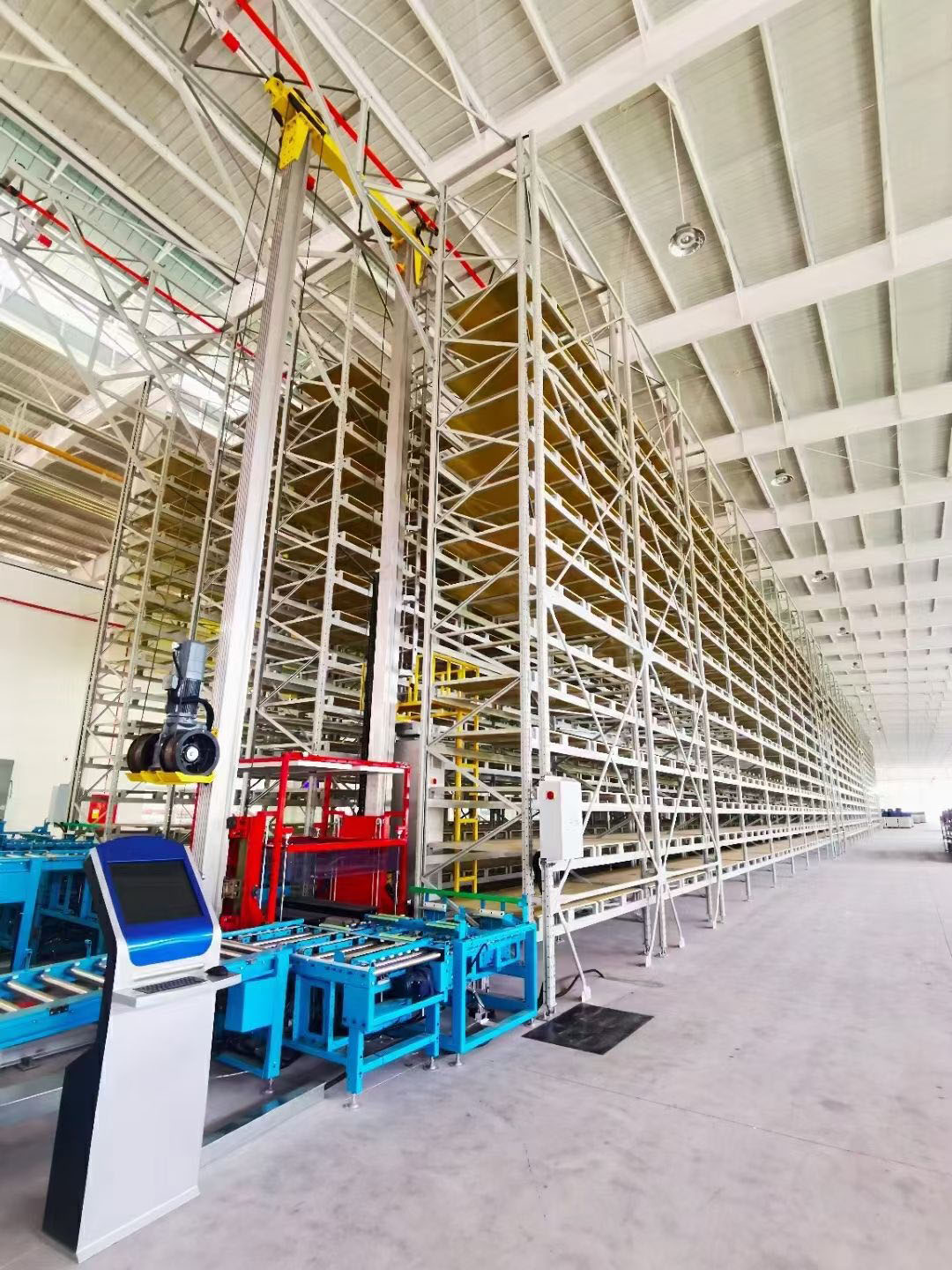
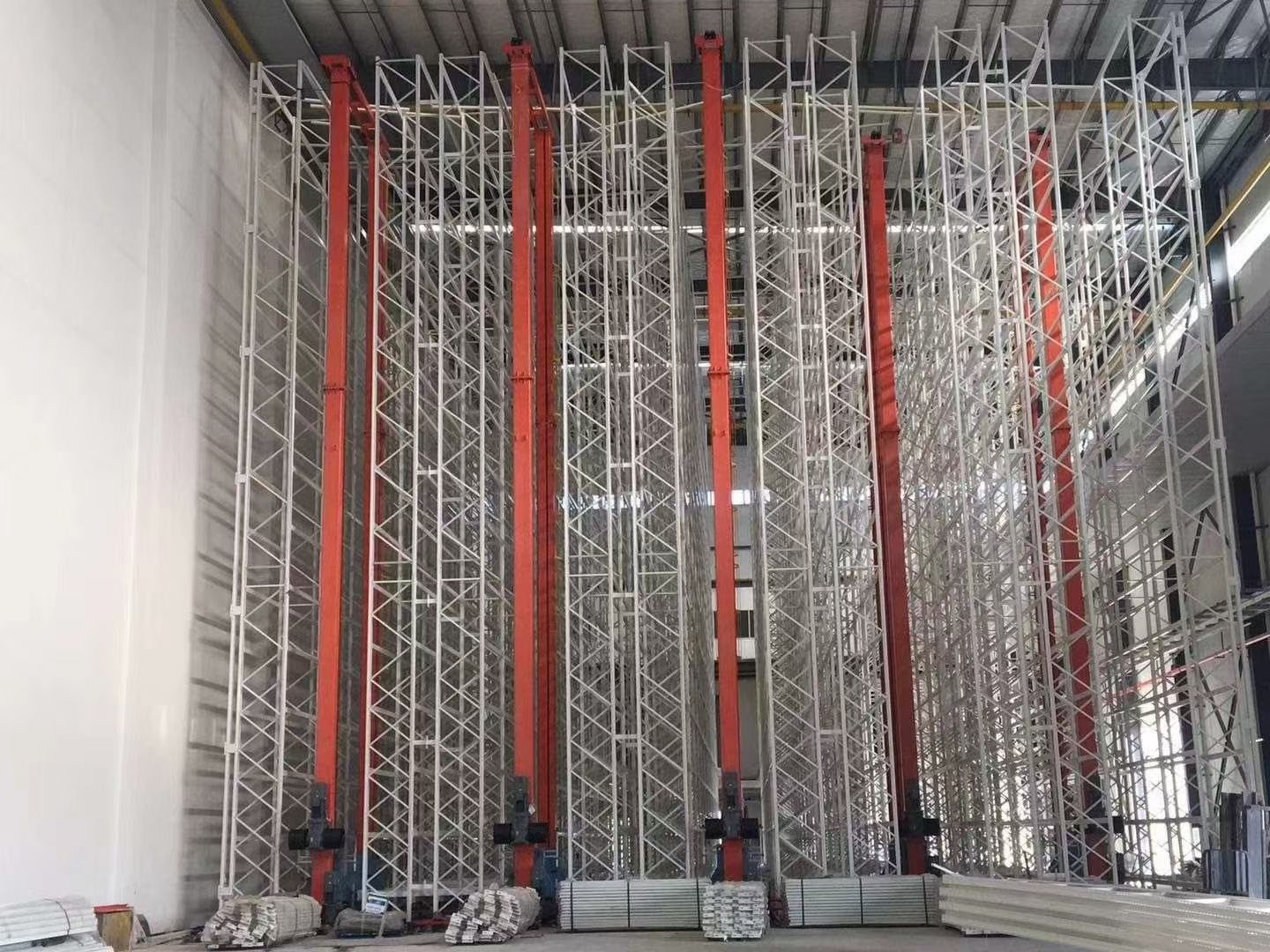
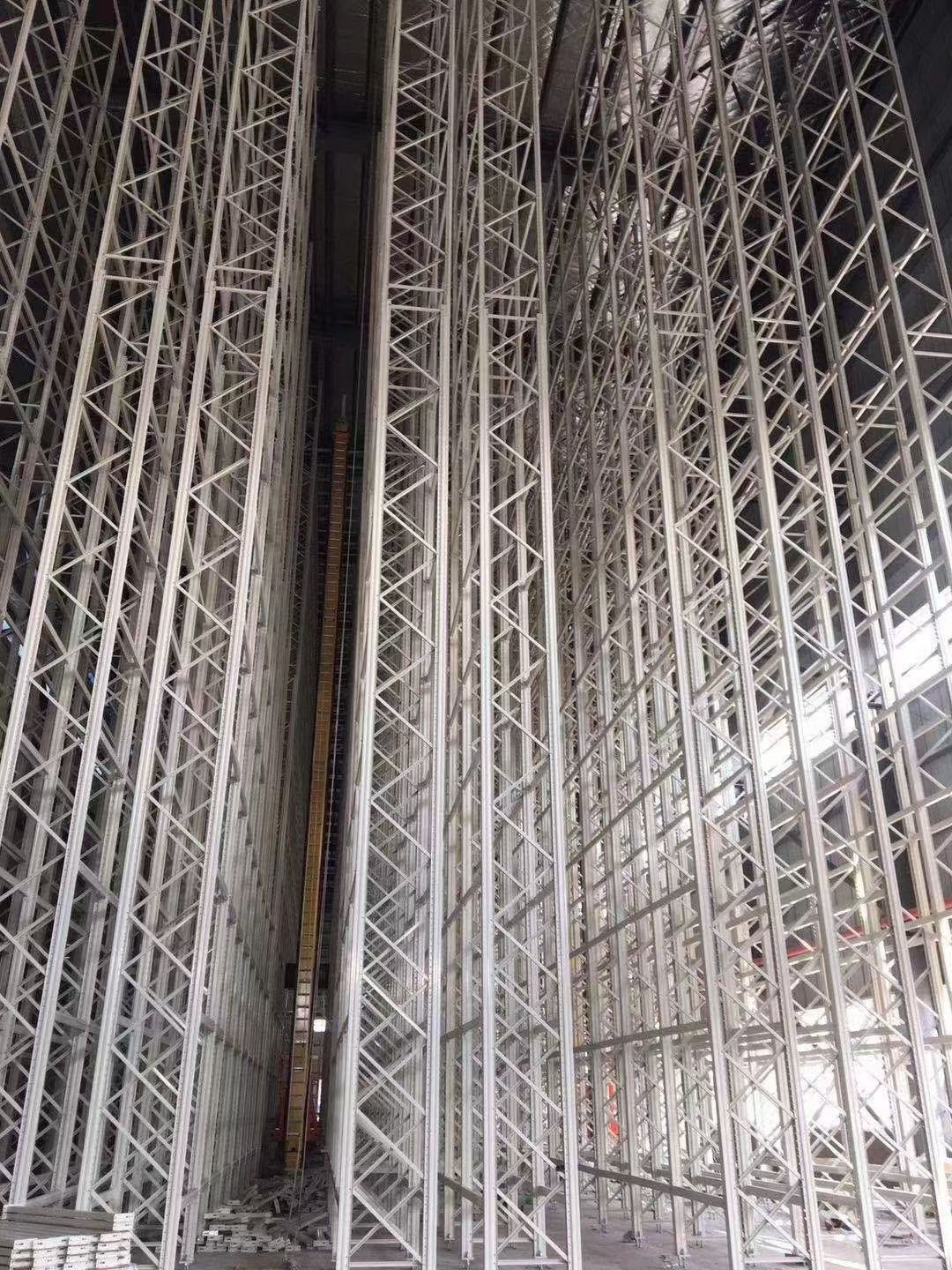
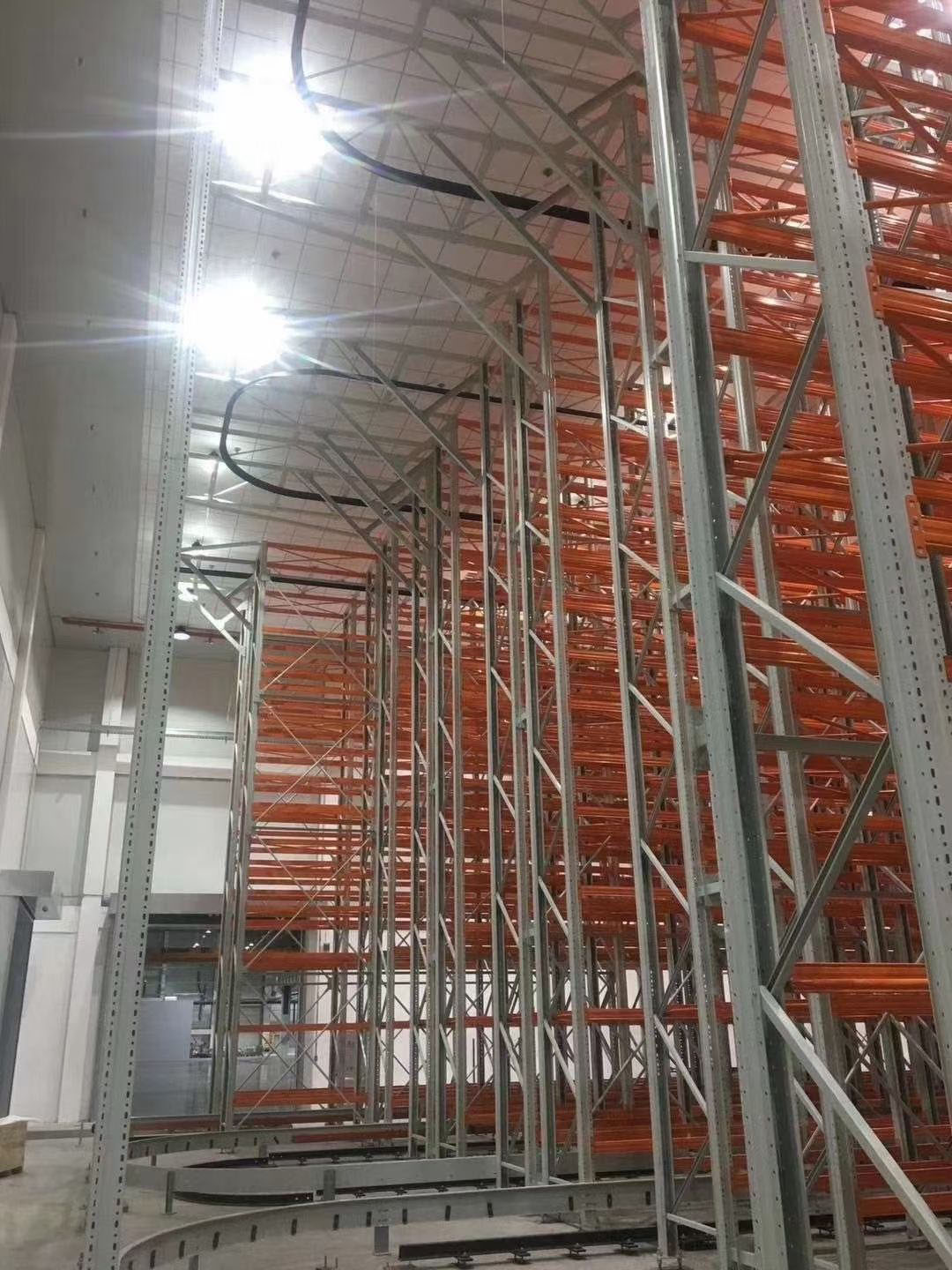
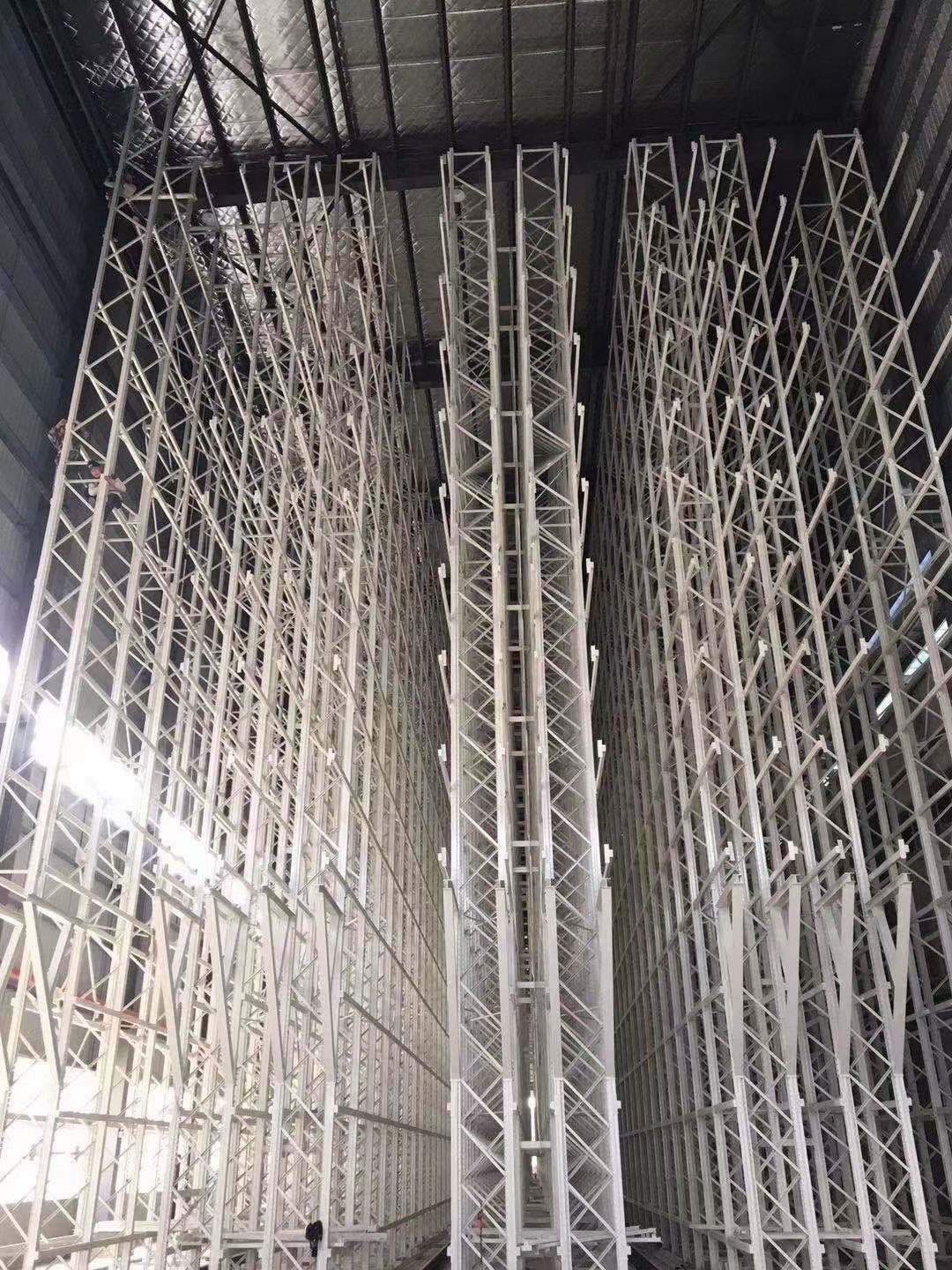
KINGSHELVING delivers automated storage and retrieval solutions purpose‑built for the unique rhythms of automotive manufacturing and supply. Our systems are engineered to sequence components with surgical precision, buffer inventory at the point of consumption without consuming floor space, and provide the absolute traceability that modern quality management and regulatory compliance demand. From Tier 1 suppliers feeding just-in-sequence to OEM assembly plants, to centralized spare parts distribution networks serving aftermarket channels, we provide the automation backbone that keeps the world’s vehicles in motion.
I. The Automotive Logistics Challenge – Five Critical Dimensions
1. Just‑In‑Sequence Execution – The Millisecond‑Perfect Supply Chain
The defining characteristic of modern automotive logistics is sequence fidelity. A contemporary assembly plant may produce seven or eight different vehicle models on a single line, each with hundreds of configuration variants determined by engine type, transmission, trim level, color, and an expanding array of electronic options. The bumper fitted to the 17th vehicle of the shift must be engineered for that specific VIN; the wiring harness installed 90 seconds later must carry the exact option codes specified for that individual car.
Automotive ASRS exists primarily to enable this sequencing discipline. Components are not merely stored—they are marshaled, ordered, and released in precise alignment with the production sequence transmitted by the OEM. The warehouse becomes a real-time buffer between the stochastic variability of inbound supply and the deterministic cadence of outbound consumption.
Industry context:
The Delphi-Mercedes supply chain, spanning 1,200 miles from wiring harness production in Juarez, Mexico to final assembly in Alabama, exemplifies this principle. An AS/RS with 2,640 storage positions temporarily buffers harnesses, each built for a specific vehicle, and releases them in precise sequence according to Mercedes’ production schedule. The system handles 66 harnesses per hour, including safety stock, enabling a synchronized manufacturing supply chain across international borders .
The three distinct models of JIS supply—JIS A, JIS B, and JIS C—reflect varying allocations of responsibility between OEM, supplier, and third‑party logistics provider. In JIS A, the supplier manufactures to sequence and delivers directly. In JIS B, an external logistics provider receives bulk components, performs the sequencing operation, and delivers in order. In JIS C, the external provider assumes even greater responsibility, potentially including final assembly of sequenced modules . KINGSHELVING’s ASRS platforms are engineered to support any JIS configuration, adapting to the specific division of responsibility within each customer’s supply chain.
KINGSHELVING proof:
At Foshan Huaxiang Automotive Metal Parts Co., Ltd. , a 4‑aisle, 4,202‑position beam‑rack ASRS rated at 1,500 kg per position feeds stamped body components to multiple nearby assembly plants. The system receives real‑time production sequence data directly from OEM customers, dynamically allocates inventory to outbound staging lanes, and releases pallets in exact build order. WMS integration with OEM production schedules ensures that the correct door panel, fender, or hood arrives at the point of fit within a 47‑second assembly window. Line‑side inventory has been reduced by 60%, and sequence‑related line stoppages eliminated.
Zhejiang Longsheng Auto Parts Co., Ltd. operates one of the largest ASRS installations in China’s automotive aftermarket sector: 3,240 pallet positions across 11 aisles, each rated at 500 kg. This system serves as the central sequencing hub for aftermarket component distribution, enabling next‑day delivery commitments to repair shops and dealerships across the Yangtze River Delta. The WMS executes FIFO discipline with batch‑level traceability, ensuring that aging inventory is rotated and obsolete stock quarantined before deployment.
2. Heavy‑Load & Diverse Component Handling – From Wiring Harnesses to Engine Blocks
The automotive component spectrum defies standardization. A single ASRS installation may concurrently manage:
Wiring harnesses and interior trim (20–50 kg, flexible, non‑palletized)
Engine blocks and transmission assemblies (200–500 kg, rigid, palletized)
Body panels and bumpers (15–30 kg, oversized, requiring cantilever or specialized carriers)
Tire and wheel assemblies (25–40 kg, stackable, high‑velocity)
Seats and cockpit modules (50–80 kg, sequenced, just‑in‑time)
No single storage format suffices. KINGSHELVING’s flexible ASRS architecture accommodates this diversity within a single, WMS‑managed ecosystem:
Unit‑load stacker cranes rated from 500 kg to 2,000+ kg for powertrain components and heavy subassemblies
Cantilever racking systems integrated within the ASRS footprint for long‑goods such as bumpers, exhaust systems, and roof rails
Bin‑handling miniload systems for small parts, fasteners, and electronic components, often with ESD protection
Specialized load carriers engineered for non‑standard geometries: seat frames, instrument panels, and assembled door modules
KINGSHELVING proof:
At Chongqing Changan Automobile Co., Ltd. , our single‑aisle, 150‑position beam‑rack ASRS rated at 2,000 kg per position stores engine components and transmission assemblies for just‑in‑sequence delivery to final assembly. The system’s heavy‑duty stacker crane, featuring reinforced mast and dual‑fork mechanism, handles loads exceeding two metric tons with ±3 mm positioning accuracy.
Jiangsu Jintan Zotye Auto Co., Ltd. deployed our 1,024‑position, 2‑aisle beam‑rack ASRS rated at 1,500 kg per position to manage stamped body parts and chassis components. The system’s double‑deep configuration maximizes storage density within the facility’s constrained footprint while maintaining deterministic access to all SKUs.
Harbin Dongan Engine (Group) Co., Ltd. operates our 311‑position, single‑aisle beam‑rack ASRS rated at 350 kg per position, supporting the production of automotive engines for multiple OEM customers. The system integrates directly with the engine assembly line, delivering cylinder heads, crankshafts, and camshafts in precise production sequence.
3. Production System Integration – The Warehouse as Assembly Line Extension
The boundary between warehouse and factory is dissolving. In advanced automotive manufacturing, the ASRS is no longer a peripheral storage facility—it is a direct extension of the assembly line, governed by the same production control systems and synchronized to the same takt time.
KINGSHELVING’s ASRS platforms are engineered for deep, bidirectional integration with automotive manufacturing ecosystems:
MES/ERP synchronization: Real‑time inventory visibility and order execution aligned with production scheduling systems (SAP, Oracle, Siemens, Rockwell)
PLC‑level handshake: Direct communication between WCS and line‑side control systems, enabling demand‑pull replenishment triggered by vehicle position sensors
AGV/AMR integration: Seamless transfer of sequenced pallets from ASRS outbound stations to autonomous mobile robots for final delivery to point‑of‑fit
Quality system integration: Automated quarantine and disposition of non‑conforming material, with full audit trails accessible from manufacturing quality platforms
Industry context:
Delphi’s integration of manufacturing software, WCS, bar code scanning, and RF communication with Mercedes’ production systems created a synchronized supply chain spanning 1,200 miles. “In the past, our primary focus was on our processes within the walls of a manufacturing plant,” noted Gary DeArment, manager for Delphi Packard’s North American JIT/JIS Centers. “Now, we have to manage the entire value stream. We do that by integrating our operations with partners like ARD that understand the needs of customers like Mercedes” .
KINGSHELVING proof:
At Volvo Auto Parts Branch, our 32‑position, single‑aisle beam‑rack ASRS rated at 500 kg per position supports just‑in‑time delivery of critical service parts to Volvo’s assembly operations. Despite its modest scale, the system exemplifies deep integration: WMS receives consumption signals directly from the production line, triggers replenishment from central inventory, and releases sequenced pallets to AGVs for final delivery. Total cycle time from demand signal to line‑side arrival: under 12 minutes.
Shanghai Yanfeng Automotive Trim Co., Ltd. deployed our 7,392‑position, 2‑aisle bin‑rack ASRS rated at 50 kg per position to manage instrument panel components and interior trim parts. The system is fully integrated with Yanfeng’s MES, receiving sequenced pick lists for each vehicle entering the assembly phase. Picking accuracy exceeds 99.99%, and line‑side inventory has been reduced from 4 hours of consumption to under 45 minutes.
BorgWarner Automotive Parts (Ningbo) Co., Ltd. operates our 384‑position, single‑aisle beam‑rack ASRS rated at 1,000 kg per position, supporting the production of turbochargers and thermal management modules. The system interfaces directly with BorgWarner’s SAP environment, providing real‑time inventory visibility to both production planners and downstream OEM customers.
4. Component‑Level Traceability – From Raw Material to End Customer
Automotive quality and safety standards demand absolute, unbroken traceability. A single defective batch of steel, a supplier’s production date anomaly, or a recall campaign affecting specific VIN ranges requires the ability to identify, locate, and quarantine every affected component—often years after original installation.
KINGSHELVING WMS delivers forensic‑grade traceability capabilities:
Serial‑number level tracking: Individual component identification from goods receipt through storage, sequencing, and dispatch
Batch/lot genealogy: Complete linkage between finished vehicles and the specific production batches of constituent components
RFID integration: Passive and active RFID tag reading at goods receipt, storage confirmation, and outbound verification
Automated recall management: One‑click identification of all affected inventory locations upon recall notification
VIN‑level linkage: Association of sequenced components with specific vehicle identification numbers for downstream field action support
Industry context:
Turck’s UHF RFID implementations for automotive bumper suppliers demonstrate the value proposition: tags applied at the beginning of production stay with the component through intermediate storage, outbound verification, shipment, and OEM inbound receiving. This ensures that each bumper has the correct color and specific features before it ever reaches the assembly line .
KINGSHELVING proof:
At Nantong Saint-Gobain Foundries Co., Ltd. Phase II, our 2‑aisle ASRS featuring 582 positions of beam rack (1,300–1,700 kg) and integrated cantilever rack manages automotive castings with full batch‑level traceability. Each inbound casting is registered with its foundry date, heat treatment batch, and metallurgical certification. The WMS enforces strict FIFO discipline, automatically quarantines any batch exceeding specified dwell time, and provides complete audit trails accessible to both Saint‑Gobain’s quality team and their OEM customers.
Shenyang Minhua Mould Technology Co., Ltd. operates our 1‑aisle cantilever rack ASRS with 1,012 positions at 400 kg, alongside 768 beam‑rack positions at 1,500 kg within the same system. This installation manages large injection molds and production tooling for automotive interior components. Each mold is tracked by unique identifier, with complete service history, maintenance schedule, and usage count. When a specific mold is required for production, the WMS retrieves it within 90 seconds and delivers it to the tool‑set area with full documentation of its calibration status.
5. Line‑Side Flexibility – Responding to Production Volatility
Automotive production is inherently volatile. Model year changeovers, mid‑cycle refreshes, supply disruptions, and demand fluctuations all require the logistics system to adapt rapidly. Traditional fixed‑storage, fixed‑path logistics cannot respond with sufficient agility.
KINGSHELVING’s ASRS architectures deliver production‑responsive flexibility:
Dynamic storage allocation: Software‑defined re‑assignment of storage zones as product mix shifts
Modular scalability: Addition of aisles, shuttles, or workstations without interrupting ongoing operations
Temporary buffer expansion: Surge capacity for pre‑holiday production peaks or post‑shutdown inventory build
Rapid reconfiguration: Adjustable rack configurations that accommodate new component geometries without structural modification
KINGSHELVING proof:
At Guangzhou Decheng Motorcycle Industry Co., Ltd. , our 5,271‑position, 12‑aisle beam‑rack ASRS rated at 1,100 kg per position supports the production of two‑wheeled vehicles—a segment sharing automotive’s sequencing discipline but with even greater model proliferation. The system manages over 8,000 active SKUs across 12 aisles, with dynamic slotting optimization that reallocates storage locations nightly based on shifting demand patterns. Seasonal production peaks of +40% are absorbed without overtime or temporary labor.
Foshan Huaxiang’s 4,202‑position system, referenced previously, includes a dedicated surge zone of 400 positions reserved for pre‑holiday inventory build. During Chinese New Year shutdowns, the system continues to receive inbound containers, buffers the inventory within the ASRS, and sequences delivery immediately upon production restart—eliminating the traditional post‑holiday supply crunch.
II. Technology Differentiators – Built for Automotive‑Grade Reliability
JIS‑Native Control Architecture
Many ASRS vendors treat sequencing as an order‑release function appended to a generic WMS. KINGSHELVING’s WCS is engineered from the ground up for JIS/JIT execution. Our control logic operates on sequence tables, not order lists. It understands that pallet 47 must be retrieved before pallet 48 not because of a timestamp, but because of a specific vehicle sequence transmitted by the OEM. This native sequencing capability eliminates the latency and error potential inherent in batch‑oriented systems.
ERP‑Deep Integration
Automotive OEMs and Tier 1 suppliers operate on complex enterprise platforms—SAP, Oracle, QAD, Infor—that govern production scheduling, procurement, and financial accounting. KINGSHELVING’s WMS provides pre‑built integration adapters for these environments, enabling real‑time, bidirectional data synchronization without custom middleware development. When a production sequence changes at 02:00, the ASRS responds at 02:00.01.
High‑Density Heavy‑Load Engineering
While some competitors excel in light‑load miniload applications, KINGSHELVING’s core competency includes the heavy‑duty unit‑load segment that automotive powertrain and body‑in‑white applications demand. Our stacker cranes are engineered for loads up to 2,000+ kg, with dual‑mast configurations, reinforced carriages, and specialized fork mechanisms for non‑standard automotive pallets.
Multi‑Payload Flexibility
A single KINGSHELVING ASRS aisle can concurrently manage palletized engine blocks, cantilever‑stored bumpers, and bin‑handling miniload totes. This multi‑payload capability, enabled by our flexible shuttle and stacker designs, eliminates the need for separate automation systems for different component categories—reducing capital expenditure and simplifying system integration.
III. Cross‑Segment Practice – Proven Across Automotive Verticals
OEM Assembly Plants
Chongqing Changan Automobile Co., Ltd. – 150 positions, 1 aisle, 2,000 kg per position. JIS delivery of engine and transmission components to final assembly. WMS integrated with Changan’s production scheduling system; line‑side inventory reduced by 55%.
Volvo Auto Parts Branch – 32 positions, 1 aisle, 500 kg per position. Just‑in‑time supply of critical service parts to assembly operations. Demand‑signal replenishment; cycle time from signal to delivery <12 minutes.
Xi’an BYD Auto Co., Ltd. – 480 positions, 5 aisles, 800 kg per position. Sequenced delivery of stamped body parts and chassis components. Referenced in our Manufacturing market section.
Huizhou BYD Auto Co., Ltd. – 884 positions, 1 aisle, 1,000 kg per position. JIS supply to multiple assembly lines. WMS synchronized with OEM production sequence.
Tier 1 Automotive Suppliers
Foshan Huaxiang Automotive Metal Parts Co., Ltd. – 4,202 positions, 4 aisles, 1,500 kg per position. JIS delivery of stamped body components to multiple nearby assembly plants. Line‑side inventory reduced by 60%; sequence‑related line stoppages eliminated.
Zhejiang Longsheng Auto Parts Co., Ltd. – 3,240 positions, 11 aisles, 500 kg per position. Central sequencing hub for aftermarket component distribution. Next‑day delivery across Yangtze River Delta; FIFO discipline with batch‑level traceability.
Jiangsu Jintan Zotye Auto Co., Ltd. – 1,024 positions, 2 aisles, 1,500 kg per position. Double‑deep beam‑rack ASRS for stamped body parts and chassis components. Maximum storage density within constrained footprint.
Harbin Dongan Engine (Group) Co., Ltd. – 311 positions, 1 aisle, 350 kg per position. Engine component sequencing for multiple OEM customers. Integrated with engine assembly line; cylinder heads and crankshafts delivered in production sequence.
BorgWarner Automotive Parts (Ningbo) Co., Ltd. – 384 positions, 1 aisle, 1,000 kg per position. Turbocharger and thermal management module production support. Real‑time SAP integration; inventory visibility to downstream OEM customers.
Nantong Saint-Gobain Foundries Co., Ltd. Phase II – 582 positions (beam) + cantilever integration, 2 aisles, 1,300–1,700 kg per position. Automotive castings storage with full batch‑level traceability. Foundry date, heat treatment batch, and metallurgical certification tracking; automatic quarantine of aged inventory.
Shenyang Minhua Mould Technology Co., Ltd. – 1,012 cantilever positions (400 kg) + 768 beam positions (1,500 kg), 1 aisle. Large injection mold and production tooling management. Unique identifier tracking; complete service history; 90‑second retrieval.
Shanghai Yanfeng Automotive Trim Co., Ltd. – 7,392 positions, 2 aisles, 50 kg per position. Bin‑rack ASRS for instrument panel components and interior trim. MES‑integrated sequencing; 99.99% picking accuracy; line‑side inventory reduced from 4 hours to <45 minutes.
Shanghai Shengdeman Tuofo Zao Haian Co., Ltd. – 1,440 positions, 2 aisles, 250 kg per position. Automotive interior component storage and sequencing.
Specialty & Niche Automotive
Guangzhou Decheng Motorcycle Industry Co., Ltd. – 5,271 positions, 12 aisles, 1,100 kg per position. Two‑wheeled vehicle production support. 8,000+ active SKUs; dynamic slotting optimization; 40% peak absorption without overtime.
Wuchang Shipbuilding Industry Group Co., Ltd. – 8,640 positions, 5 aisles, 250–535 kg per position. Heavy‑equipment and specialty vehicle component storage.
Kunming Yunnei Power Co., Ltd. – 424 positions, 1 aisle, 1,250 kg per position. Diesel engine component storage and sequencing.
Nanfang Pump Industry Co., Ltd. – 1,496 positions, 3 aisles, 700 kg per position. Automotive pump and fluid‑handling component storage.
IV. Beyond Equipment – Total Project Execution for Automotive Clients
Production‑Synchronized Implementation
Automotive manufacturing facilities cannot pause for automation installation. KINGSHELVING has developed specialized execution protocols for brownfield automotive projects:
Phased deployment sequences that maintain continuous production flow
Weekend and holiday installation windows synchronized with plant maintenance schedules
Temporary buffer strategies that absorb inventory during rack demolition and system commissioning
Parallel testing of new ASRS equipment while legacy systems remain operational
Automotive Quality System Compliance
KINGSHELVING’s quality management systems are aligned with the rigorous standards of the automotive supply chain:
IATF 16949‑aligned processes for design, manufacturing, and service
PPAP‑level documentation available for critical system components
Full traceability of all manufactured parts, from raw material certification to final assembly test records
Zero‑defect delivery mentality in our own manufacturing operations
Global Service Footprint
From our manufacturing base in China to automotive production clusters across Southeast Asia, Europe, and the Americas, KINGSHELVING’s service organization provides:
24/7 remote monitoring and diagnostics for mission‑critical automotive ASRS installations
Regionally stocked spare parts inventories positioned near major automotive manufacturing corridors
Locally deployed field service engineers with automotive‑industry safety certifications
Preventive maintenance programs aligned with plant shutdown schedules and production cycles
V. Your Production Line, Our Commitment
The automotive industry does not measure success in pallet positions or inventory turns. It measures success in vehicles per hour, in first‑time‑through quality yields, in the elimination of line stoppages, and ultimately, in the satisfaction of millions of drivers who never think about the supply chain that delivered their vehicle intact, on time, and exactly as configured.
KINGSHELVING engineers automotive automation with the same discipline, rigor, and uncompromising quality that our customers apply to their own vehicles. We understand that a wiring harness sequenced one position late is not a warehouse error—it is a production stoppage visible to every operator on the line. A bumper delivered in the wrong color is not a picking mistake—it is a quality defect that must be reworked at vehicle completion. A transmission that arrives thirty seconds behind schedule is not a logistics variance—it is a delay that compounds across an entire shift’s production target.
Whether it is 4,202 positions of stamped body components feeding multiple assembly lines in Foshan, 3,240 positions supporting aftermarket distribution across the Yangtze River Delta, or 311 positions sequencing engines for one of China’s oldest automotive manufacturers, our solutions are built for one purpose: to keep your production line moving, every second, every shift, every day.
We respect your sequence. We synchronize with your takt. We deliver your production readiness.
What we deliver is not a warehouse—it is automotive assembly assurance.