Elevator: The Vertical Connector That Unlocks Multi-Level Warehouse Potential
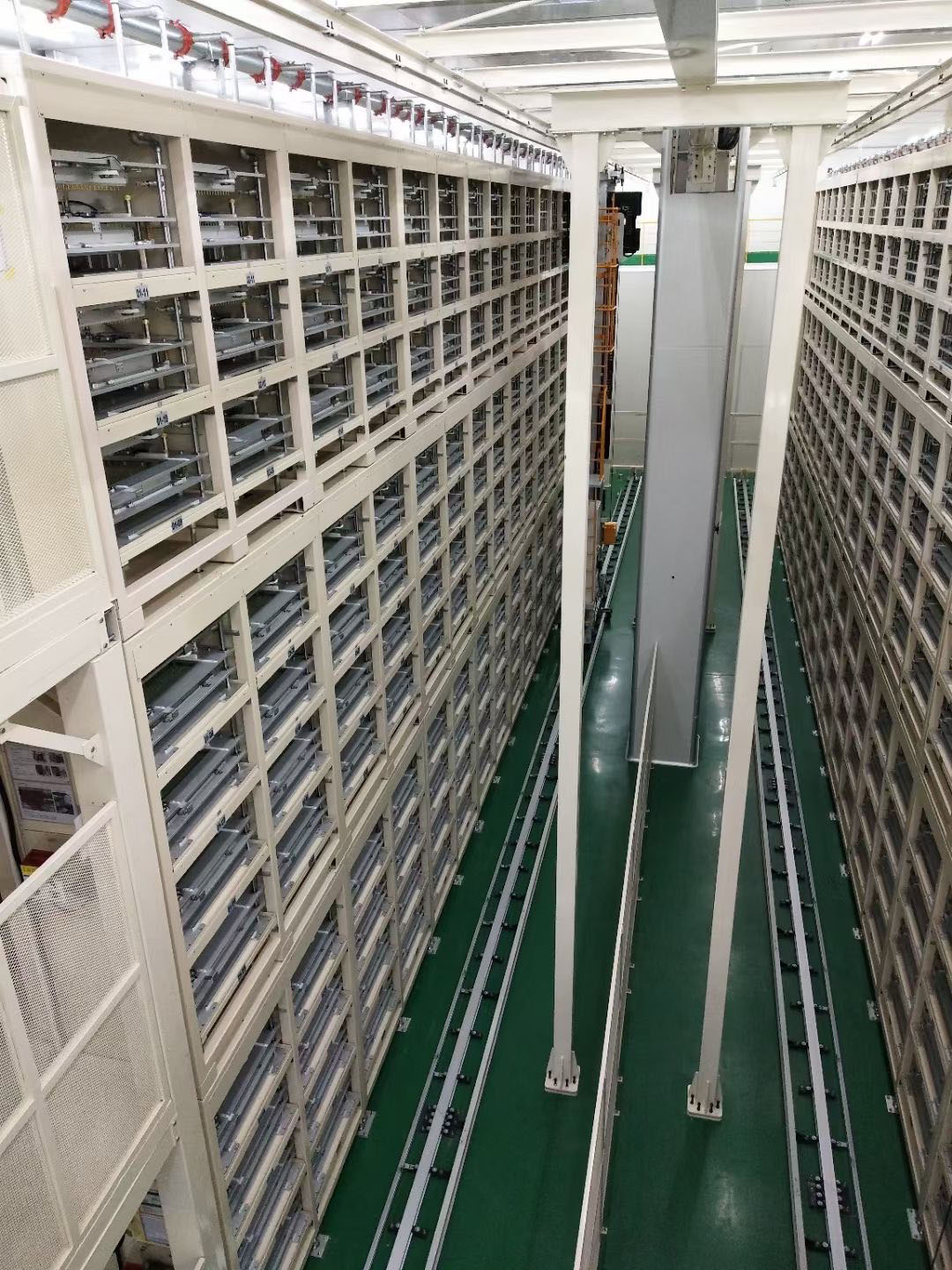
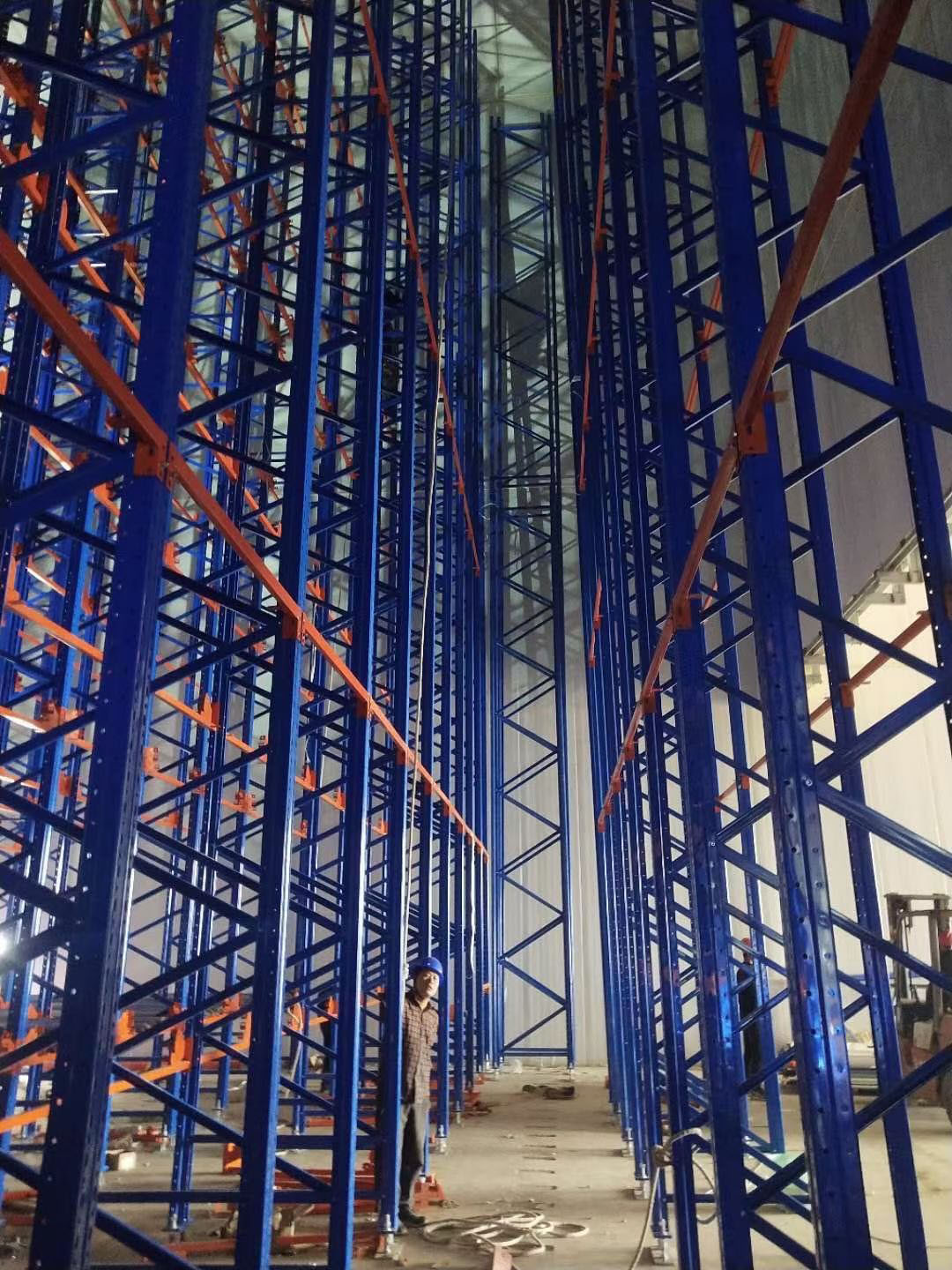
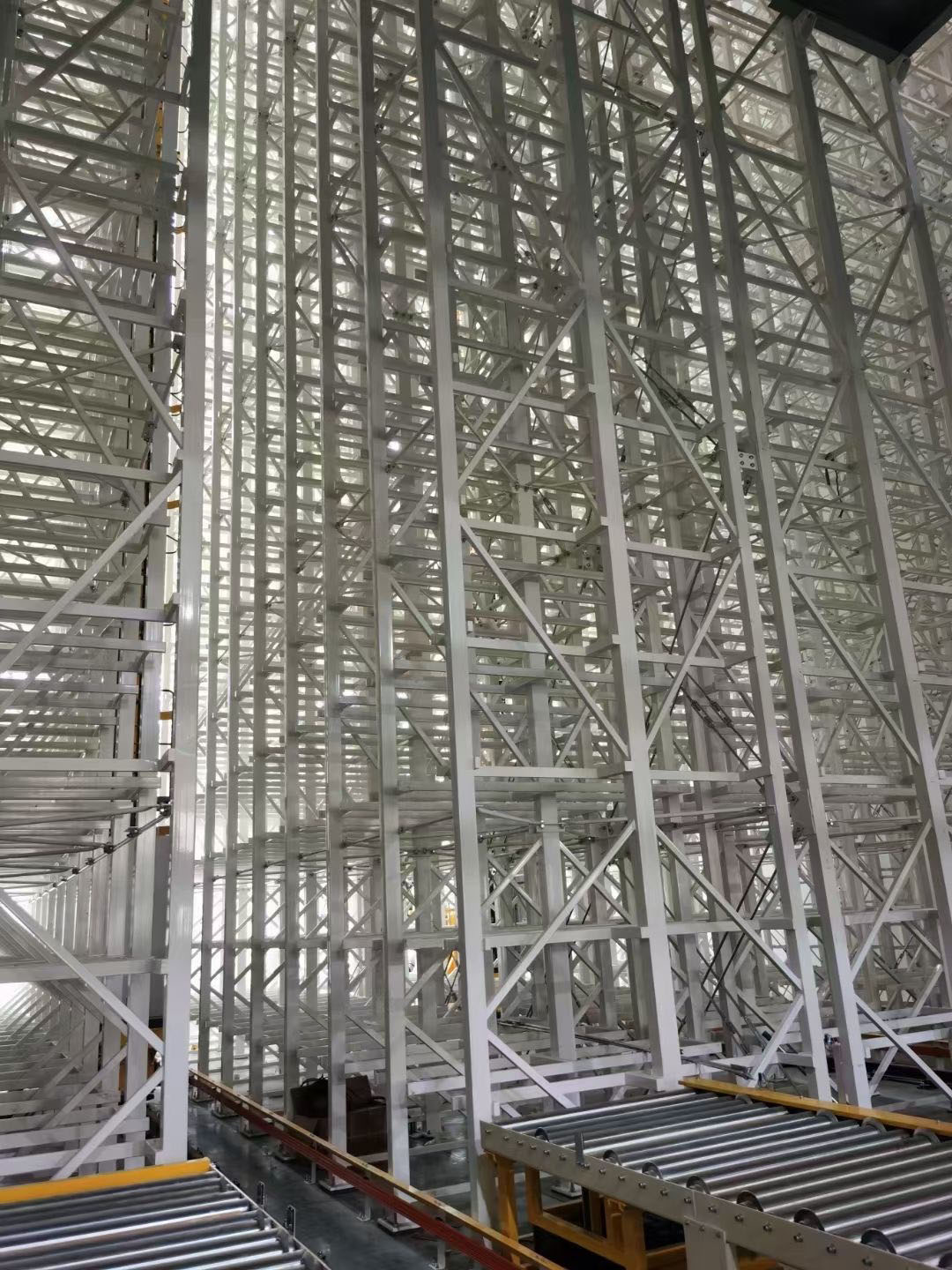
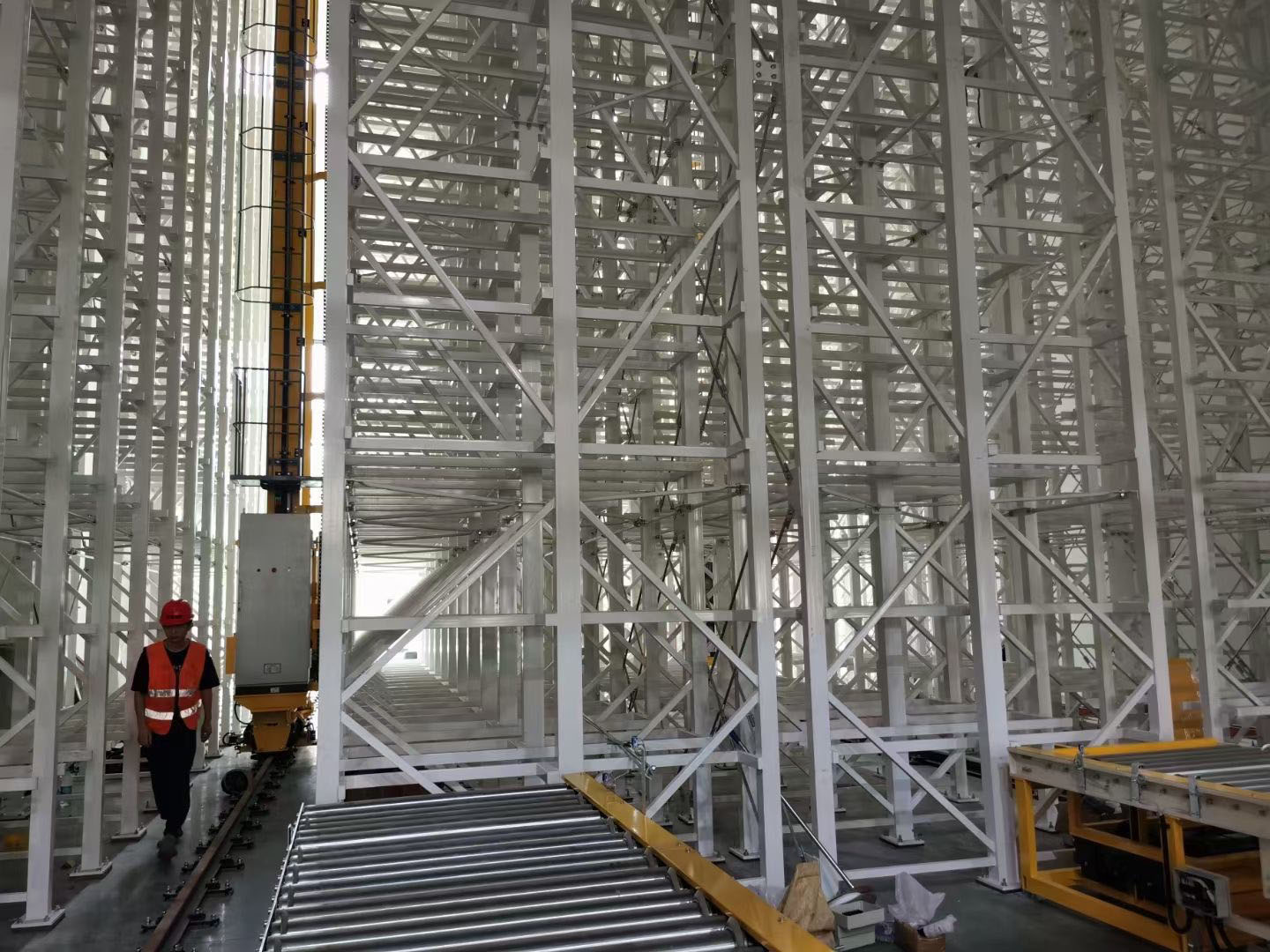
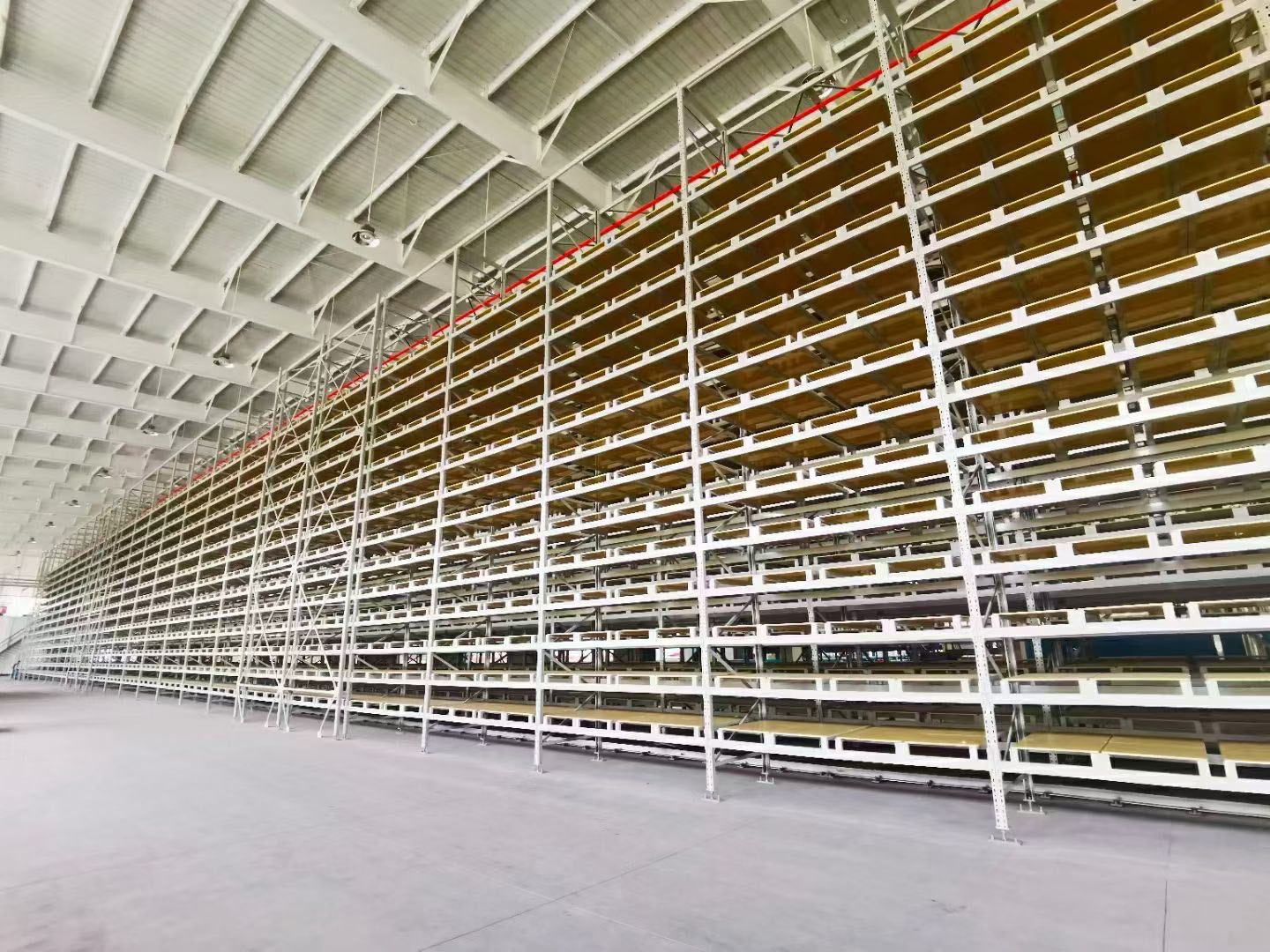
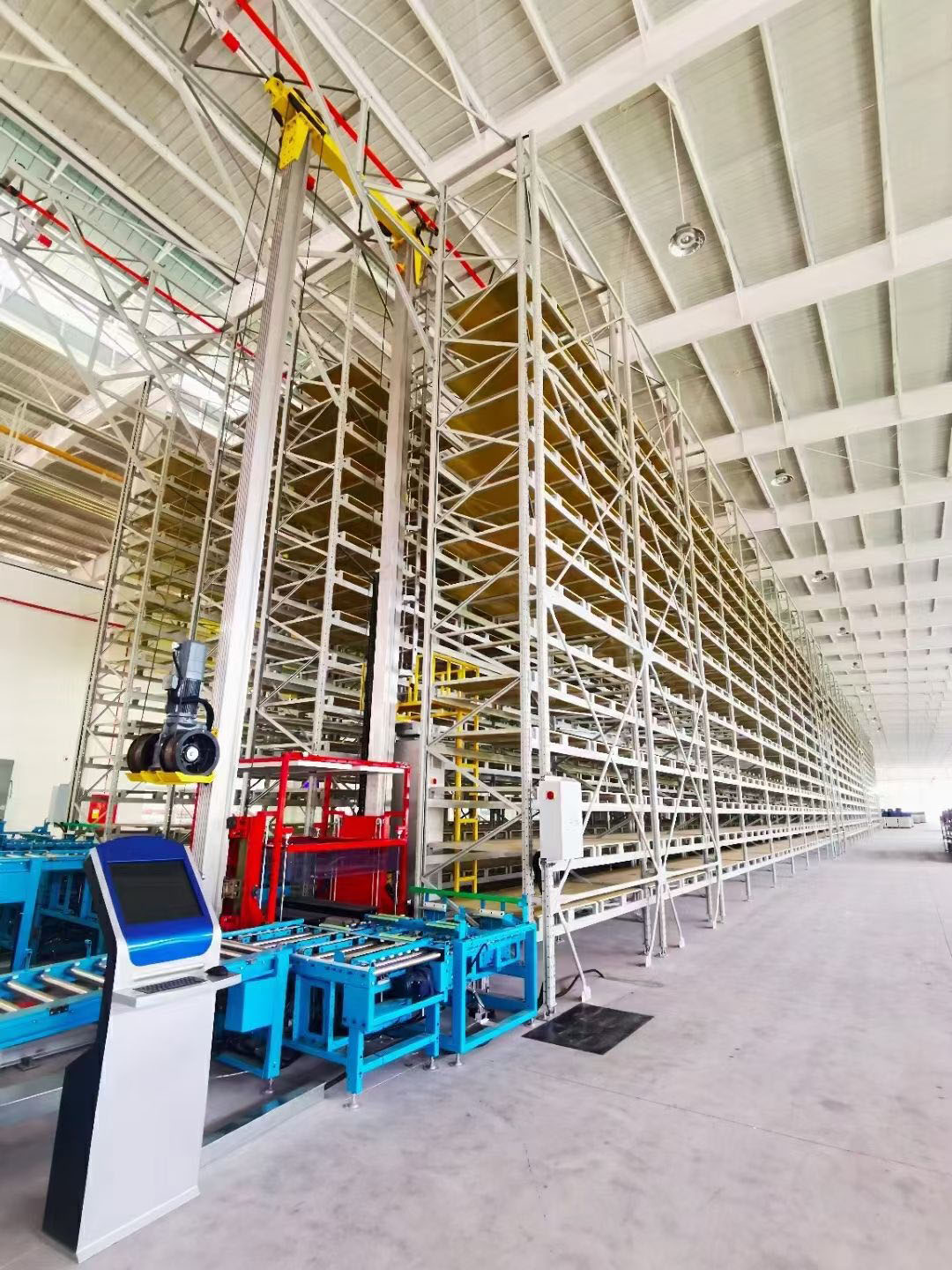
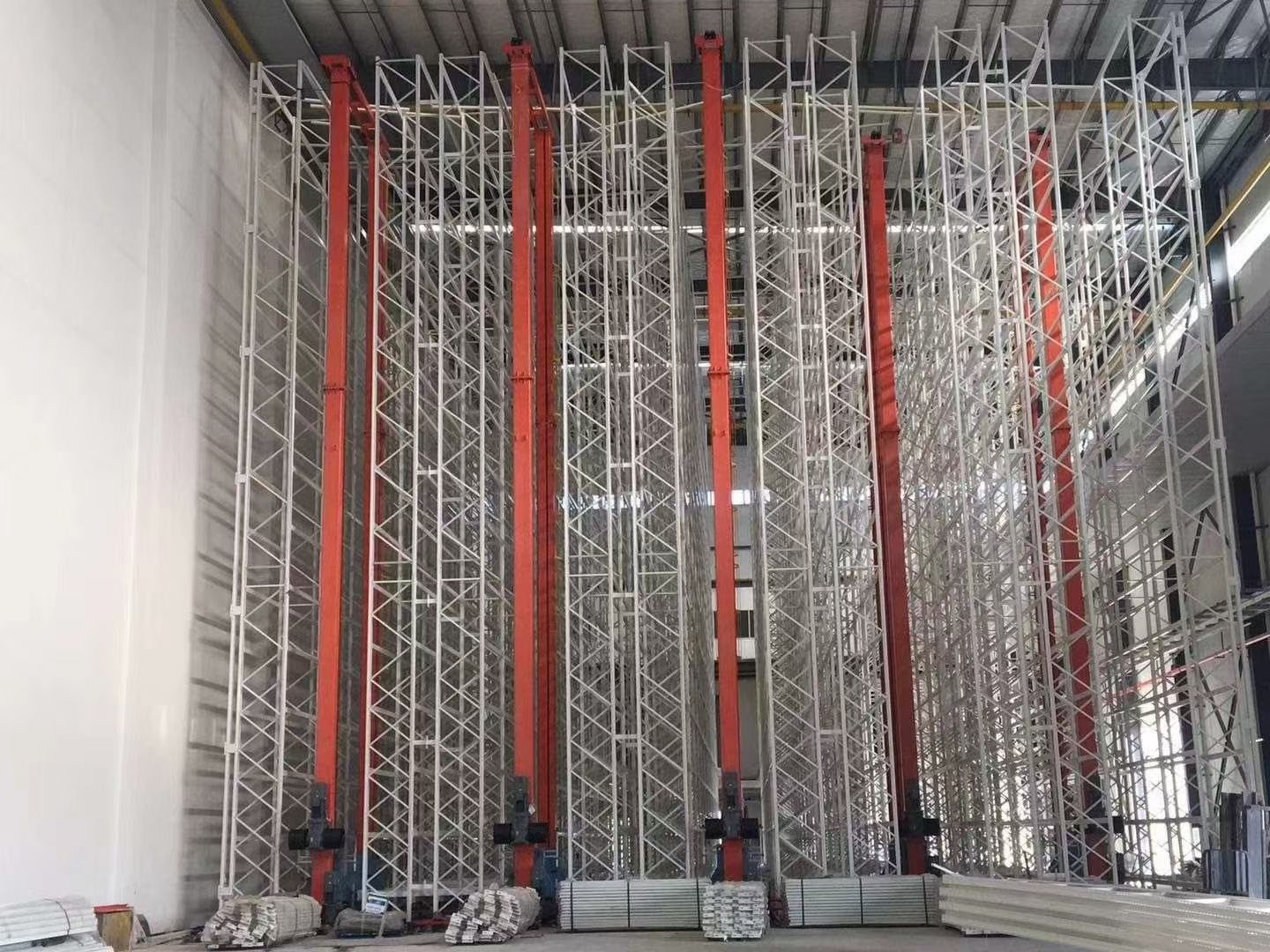
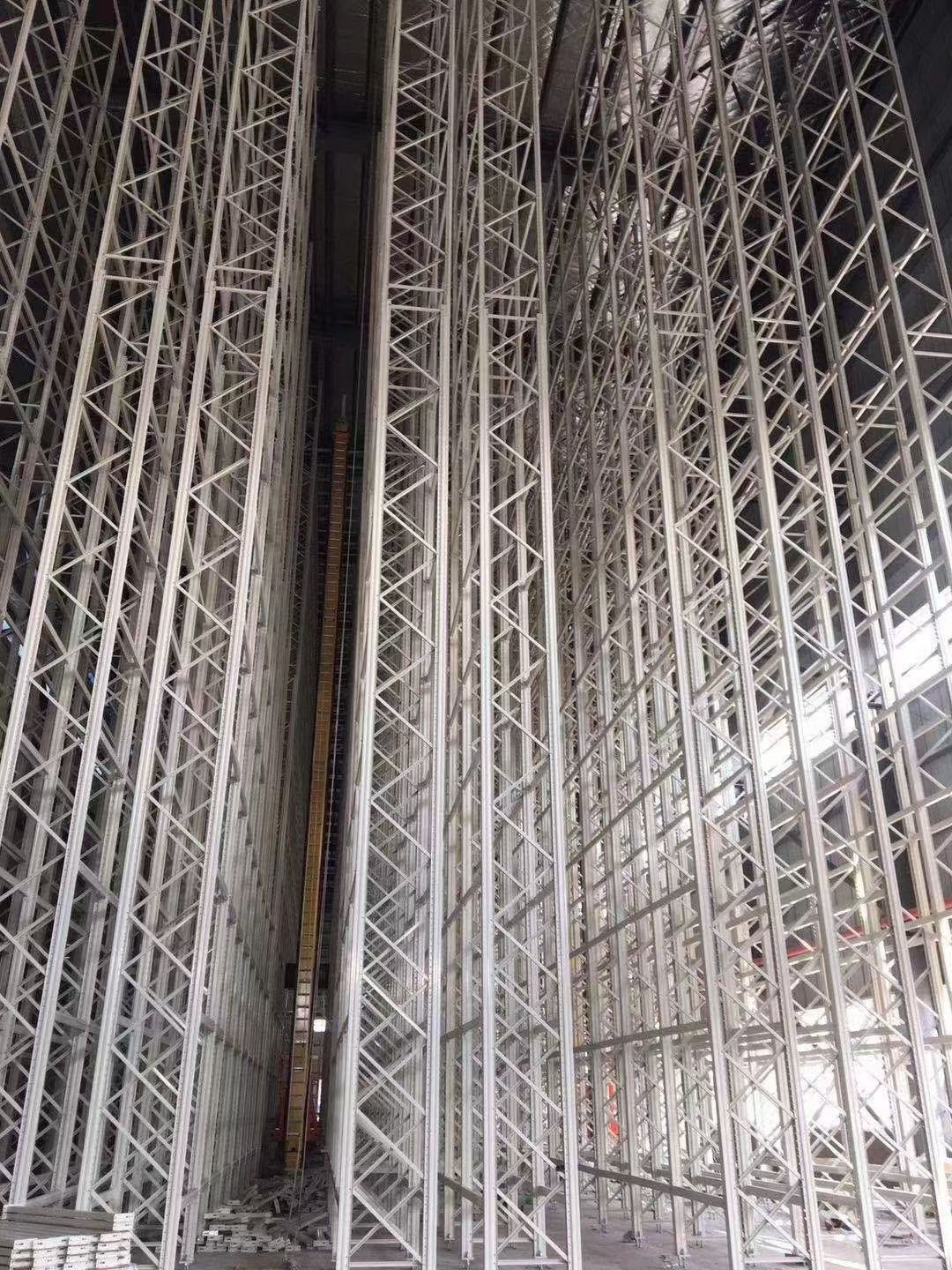
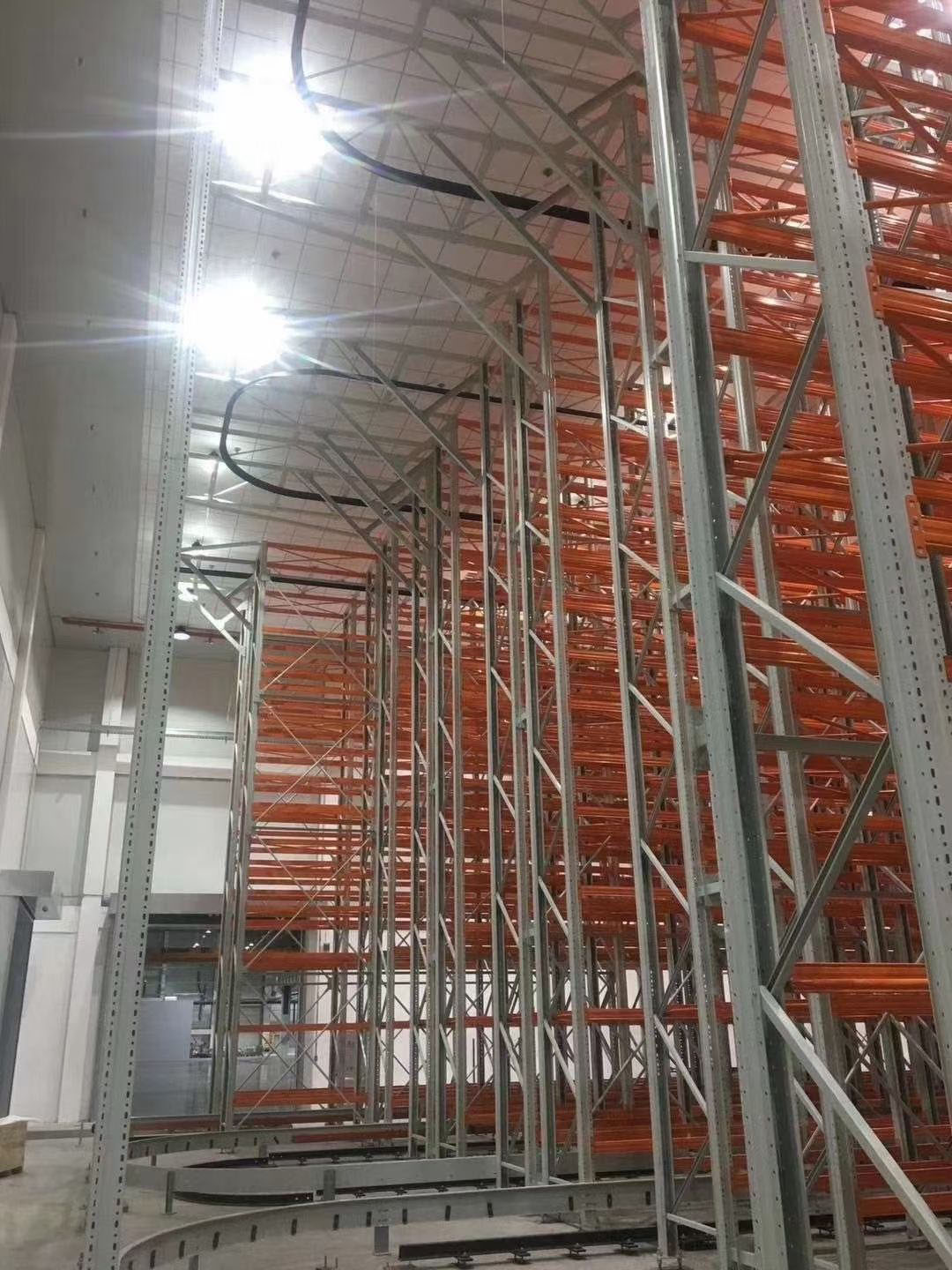
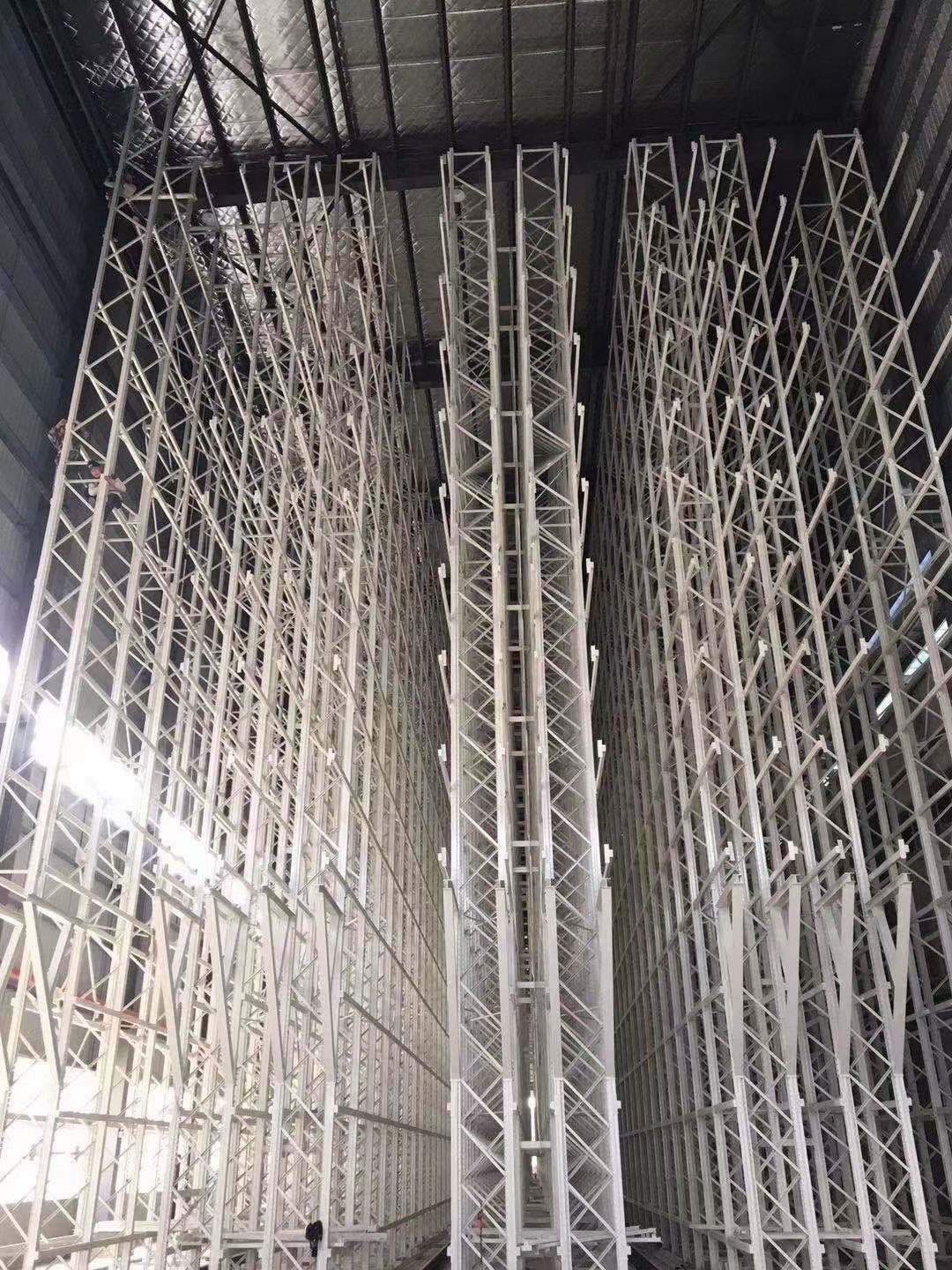
In the three-dimensional chessboard of the automated warehouse, horizontal movement captures the imagination. Shuttles race along rails; stacker cranes traverse aisles; conveyors weave networks across the floor. Yet the dimension that truly differentiates automated storage from conventional warehousing is the vertical. And the machine that makes vertical utilization possible is the elevator.
The elevator is not merely a lift. It is the vertical synapse of the automated facility—the critical node where horizontal transport systems connect across levels, where pallets transition from receiving to storage, from storage to picking, from picking to dispatch. Without elevators, a multi-story warehouse is merely stacked floor space, each level isolated from the others. With elevators, it becomes a unified, three-dimensional material flow system.
KINGSHELVING engineers vertical lifting solutions with a fundamental understanding: elevators are not ancillary equipment—they are throughput determinants. A single elevator operating at 45-second cycle times can transfer 80 pallets per hour between levels. When that elevator hesitates, entire floor-level conveyors stall; when it stops, production above and below grinds to a halt. Elevator reliability is not a maintenance metric—it is a system-level throughput guarantee.
Core Positioning: The vertical connector that transforms stacked floor space into a unified, three-dimensional material flow system.
Strategic Value: Determines inter-level throughput capacity; a single elevator’s performance governs the utilization of entire floor-level automation investments.
KINGSHELVING Philosophy: Elevators are not ancillary equipment—they are throughput determinants. Reliability is not a maintenance metric; it is a system-level throughput guarantee.
I. The Vertical Imperative: Why Multi-Level Flow Defines Facility Economics
Land Cost Arbitrage
Industrial real estate in urban logistics corridors has become prohibitively expensive. In major metropolitan areas across Asia, Europe, and North America, land costs have escalated 200–400% over the past decade, while available sites for greenfield warehouse development have nearly vanished. The economic response is vertical: facilities are now designed with mezzanines, multiple levels, and full high-bay configurations. A 10-meter building can achieve 2× the storage density of a 6-meter structure; a 25-meter high-bay facility achieves 4–5× the density of a conventional warehouse on the same footprint.
Yet vertical storage without vertical transport is merely stratified storage—inventory trapped at its level of receipt, accessible only to equipment confined to that floor. Elevators liberate this trapped inventory, transforming stratified storage into unified, accessible flow.
Process Separation
Modern warehouse operations often require physical separation of incompatible processes. Receiving and shipping may occupy ground level for dock access; value-added services (labeling, kitting, quality inspection) may occur on mezzanine levels; high-bay ASRS may occupy the upper volume. Elevators enable this functional stratification, moving pallets and totes between process levels without interrupting either.
Mezzanine Integration
Mezzanines represent the most cost-effective vertical expansion strategy—adding 30–50% usable space at 20–30% of new construction cost. Yet mezzanines are commercially viable only when integrated with vertical transport. A mezzanine without an elevator is a premium storage attic—usable but inefficient. A mezzanine with high-speed, automated elevator connectivity becomes a fully productive extension of the main floor.
Multi-Facility Connectivity
In campus configurations where multiple buildings are connected by enclosed walkways or underground passages, elevators provide the vertical handshake that enables unified inventory management across physically separated structures. Pallets stored in Building B become accessible to picking operations in Building A only when elevators reliably transfer loads between levels within each building.
Land Economics: Vertical construction multiplies site productivity; elevators make vertical multiplication operationally real.
Process Stratification: Elevators enable physical separation of incompatible processes—receiving, storage, picking, value-added services—without material flow fragmentation.
Mezzanine Viability: Without elevators, mezzanines are premium storage; with elevators, they are fully productive extensions of main floor operations.
Campus Connectivity: Elevators provide the vertical handshake that unifies inventory across multi-building facilities.
II. The KINGSHELVING Elevator Portfolio: Technology-Matched to Vertical Transport Requirements
No single elevator topology optimally serves the full spectrum of vertical transport applications. KINGSHELVING’s comprehensive portfolio enables precise matching of lifting technology to load type, throughput requirements, and facility configuration.
Pallet Elevators (Unit Load)
The workhorse of multi-level pallet handling. Designed for high-capacity, high-cycle transfer of palletized goods between floors, mezzanines, and ASRS levels.
Load Capacity: 1,000–3,000 kg (standard); 5,000+ kg heavy-duty configurations available
Vertical Speed: 30–60 m/min (0.5–1.0 m/s), depending on height and load
Throughput: 40–60 double-cycle transfers per hour (up + down)
Carriage Configuration: Roller deck, chain deck, or combination; integrated load-centering guides; photo-eye arrays for pallet position verification
Ideal Applications: Multi-story distribution centers, mezzanine-connected facilities, ASRS interface levels
Tote and Carton Elevators (Miniload/Vertical Conveyors)
For high-speed transfer of small loads—totes, cartons, parcels—between levels. Continuous or reciprocating operation optimized for split-case and e-commerce applications.
Load Capacity: 30–100 kg per carrier; multiple carriers per cycle in continuous configurations
Vertical Speed: 60–120 m/min (1.0–2.0 m/s)
Throughput: 800–2,000 totes/cartons per hour (continuous); 200–400 cycles/hour (reciprocating)
Carriage Configuration: Belt-driven carriers, roller decks, or flight-bar conveyors; gap-free loading/unloading interfaces
Ideal Applications: E-commerce fulfillment, pharmaceutical distribution, retail store replenishment, split-case picking support
Vertical Lift Modules (VLM)
Enclosed, automated storage and retrieval systems that combine dense vertical storage with integrated lifting mechanism. Not merely elevators, but storage elevators—ideal for small parts, tooling, and high-value item buffering.
Storage Capacity: 200–1,000+ trays per module; up to 20+ meters height
Retrieval Time: 30–90 seconds per tray (average)
Configuration: Single or double-faced; multiple workstations; pass-through for cleanroom/ambient interfaces
Ideal Applications: Tool cribs, spare parts storage, pharmaceutical sample libraries, electronics manufacturing WIP buffers
Reciprocating vs. Continuous Operation
The choice between reciprocating (single-carriage, up/down cycling) and continuous (multiple carriers, circulating) elevators is determined by throughput requirements and facility geometry.
| Characteristic | Reciprocating Elevator | Continuous Elevator |
|---|---|---|
| Operation | Single carriage moves up/down | Multiple carriers circulate continuously |
| Throughput | 40–60 pallets/hr; 200–400 totes/hr | 800–2,000+ totes/hr |
| Footprint | Smaller; single vertical column | Larger; requires infeed/outfeed stacking |
| Cost | Lower capital investment | Higher capital, lower per-unit operating cost at scale |
| Best Fit | Pallet transfer, moderate throughput | High-volume tote/parcel sortation, e-commerce |
Throughput ranges based on KINGSHELVING field data and industry benchmarks
Heavy-Duty and Special Configurations
Cantilever Elevators: For long goods (lumber, pipe, extrusions) requiring unobstructed vertical clearance
Explosion-Proof Elevators: ATEX/IECEx-certified configurations for hazardous environments (petrochemical, paint storage)
Cold-Rated Elevators: -30°C continuous operation with heated control enclosures, low-temperature lubricants, anti-condensation measures
Cleanroom Elevators: ISO Class 5–8 compatible with minimized particle generation, stainless steel surfaces, HEPA-filtered air circulation
III. Engineering Excellence: The KINGSHELVING Elevator Advantage
High-Performance Drive Technology
KINGSHELVING elevators are engineered for the relentless duty cycles of automated warehouse operations—not the intermittent usage of passenger or freight elevators. Our drive systems feature:
Regenerative AC drives: Recover energy during descent, reducing net power consumption by 25–35% compared to non-regenerative systems; energy returned to facility grid or stored for reuse
Closed-loop vector control: Maintains precise speed regulation (±1%) and positioning accuracy (±3–5 mm) regardless of load weight distribution
Dual-motor redundancy: Critical applications can be configured with redundant drive motors; automatic failover ensures continuous operation during motor maintenance or fault conditions
Soft-start/stop profiles: Minimize load sway and mechanical stress; extend mechanical component life by 30%+
Structural Integrity and Guidance
Elevator structures must maintain precise alignment over decades of continuous operation, under varying loads and thermal conditions. KINGSHELVING’s engineering addresses this through:
Heavy-duty steel frames: Fabricated from structural steel with integrated stiffening; hot-dip galvanized or epoxy-coated for corrosion resistance
Precision guide rails: Cold-drawn steel profiles with machined surfaces; straightness tolerance <0.5 mm/m; T-rail or V-rail configurations based on load and speed requirements
Maintenance-free guidance: Composite guide shoes with self-lubricating properties; eliminate regular greasing; reduce noise by 10–15 dB(A)
Thermal compensation: Engineered clearances and mounting systems accommodate building movement, thermal expansion, and seismic events without binding
Safety and Redundancy Architecture
Elevator failure in an automated warehouse is not merely a maintenance event—it is a system-level throughput interruption. KINGSHELVING’s safety architecture addresses this through:
Multi-level safety interlocks: Physical and electronic locks at each access point; prevent carriage movement unless doors are fully closed and secured
Overspeed governors and safety gears: Independent mechanical systems that engage if drive system fails; arrest carriage within defined stopping distance
Load monitoring sensors: Detect overload, off-center loads, or unstable pallets before lift motion begins; prevent unsafe operation
Emergency descent systems: Battery-backed or gravity-operated descent capability for power failure scenarios; enables manual or automated load recovery
Redundant position sensing: Absolute encoders, limit switches, and photo-eye arrays provide multi-layer verification of carriage position; eliminates single-point failure risk
Intelligent Control Integration
A KINGSHELVING elevator does not operate in isolation. Its control system communicates bidirectionally with upstream and downstream equipment, optimizing flow and preventing bottlenecks:
PLC-based control: Native communication via Profibus, Profinet, EtherNet/IP, EtherCAT, Modbus TCP; integrates seamlessly with conveyor controls, ASRS interfaces, and WCS
Dynamic dispatching: Elevator receives real-time requests from multiple levels; optimizes travel sequence to minimize waiting time and maximize throughput
Load-aware scheduling: System prioritizes elevator missions based on load type, destination urgency, and downstream capacity; prevents starvation or overflow at any level
Predictive maintenance interface: Continuous monitoring of drive current, vibration signature, and cycle counts; data transmitted to KINGSHELVING cloud platform for predictive analytics
Drive Technology: Regenerative AC drives (25–35% energy recovery); closed-loop vector control (±3–5 mm positioning); dual-motor redundancy options .
Structural Engineering: Heavy-duty steel frames; precision guide rails (<0.5 mm/m tolerance); maintenance-free composite shoes; thermal/seismic accommodation .
Safety Architecture: Multi-level interlocks; overspeed governors; load sensors; emergency descent; redundant position sensing .
Control Integration: PLC-native communication; dynamic dispatching; load-aware scheduling; predictive maintenance interface .
IV. Application Spectrum: Where KINGSHELVING Elevators Excel
Multi-Story Distribution Centers
In urban logistics hubs where land costs force vertical construction, KINGSHELVING pallet elevators provide the critical connectivity between ground-level receiving/shipping and upper-level storage and picking. A typical configuration:
Ground level: Receiving docks, returns processing, outbound staging
Mezzanine level: Value-added services (kitting, labeling, quality inspection)
Upper levels: Pallet flow rack, push-back rack, or ASRS storage
Elevator performance: 3,000 kg capacity, 45 m/min speed, 50 pallets/hour throughput
ASRS Interface Levels
High-bay ASRS installations often span multiple vertical zones, each served by stacker cranes at specific levels. Elevators transfer pallets between:
Ground-level ASRS infeed/outfeed stations
Mid-level buffer zones
Upper-level storage zones served by shuttle systems
Mezzanine-level picking workstations
KINGSHELVING’s closed-loop handshake protocols ensure that pallets are released to elevators only when the receiving level is ready to accept them, eliminating both starvation and overflow.
Mezzanine-Connected Manufacturing
In automotive and heavy equipment manufacturing, production lines often occupy ground level while component storage resides on mezzanines. KINGSHELVING tote elevators deliver sequenced kits to line-side workstations with takt-synchronous precision, while returning empty carriers and waste to upper levels for consolidation.
Cross-Dock and Transshipment Hubs
High-volume cross-dock facilities transfer goods between inbound and outbound trailers across multiple levels. KINGSHELVING continuous elevators (vertical conveyors) achieve 1,200+ cartons per hour throughput, enabling same-day sortation and dispatch across stratified dock configurations.
Cold Storage and Freezer Facilities
At -25°C, elevator reliability is non-negotiable. KINGSHELVING cold-rated elevators incorporate:
Heated control enclosures with anti-condensation circuits
Low-temperature lubricants (rated to -40°C)
Ice-phobic coatings on guide rails and carriage surfaces
Sealed electrical systems with IP65/NEMA 4X protection
These systems operate continuously in freezer environments where standard elevators fail within months.
Cleanroom and Pharmaceutical Logistics
For ISO Class 5–8 environments, KINGSHELVING cleanroom elevators feature:
Stainless steel construction (304/316L) with electropolished surfaces
Minimized particle generation (HEPA-filtered air circulation optional)
Smooth, crevice-free interiors for sanitization
Integration with pass-through chambers for material transfer between classified zones
Hazardous Environments
In petrochemical, paint, and explosive storage applications, KINGSHELVING offers ATEX/IECEx-certified elevator configurations:
Explosion-proof motors and controls (Ex d/Ex e)
Intrinsically safe sensors and communication circuits
Non-sparking materials on carriage and guide surfaces
Emergency descent systems rated for hazardous zone operation
Multi-Story DC: 3,000 kg, 45 m/min, 50 pallets/hr; connects ground, mezzanine, upper storage .
ASRS Interface: Closed-loop handshake; eliminates starvation/overflow across vertical zones .
Manufacturing Mezzanine: Takt-synchronous tote delivery; sequenced kits to line-side .
Cross-Dock Hub: Continuous elevators; 1,200+ cartons/hr; multi-level sortation/distribution .
Cold Storage: -30°C rated; heated controls, low-temp lubricants, ice-phobic coatings; continuous freezer operation .
Cleanroom: ISO Class 5–8; stainless steel, HEPA option, pass-through integration .
Hazardous: ATEX/IECEx certified; explosion-proof; intrinsically safe; non-sparking .
V. Integration: The Elevator as Connected Node
An elevator, by itself, is a vertical transport device. An elevator integrated with upstream conveyors, downstream ASRS, and facility-wide control software becomes a real-time, adaptive material flow node.
Conveyor Handshake Protocols
KINGSHELVING elevators interface with floor-level conveyors through closed-loop handshake logic:
Infeed conveyor signals elevator: “Load ready”
Elevator confirms: “Carriage positioned, level verified”
Conveyor releases load onto elevator carriage
Elevator verifies load presence and position (via photo-eye array)
Elevator initiates vertical travel
This deterministic sequence eliminates jam risks and ensures that every transfer is verified, not assumed.
WMS/WES Synchronization
KINGSHELVING elevators receive mission assignments directly from Warehouse Execution Systems or Warehouse Management Systems. When a pallet is scheduled for retrieval from Level 3 to Ground, the WES:
Reserves elevator capacity at the required time
Confirms downstream readiness (outfeed conveyor clear, destination workstation available)
Releases the mission to elevator control
Confirms completion and updates inventory location in WMS
This synchronization ensures that elevator capacity is allocated to the most critical missions, not merely first-in/first-out.
Multi-Level Traffic Management
In facilities with multiple elevators serving common levels, KINGSHELVING’s traffic management algorithms:
Balance load across available elevators
Predict and prevent congestion at popular levels
Dynamically reassign missions when elevators are delayed or offline
Optimize energy consumption through coordinated dispatching
Remote Monitoring and Predictive Maintenance
KINGSHELVING elevators are instrumented with comprehensive telemetry sensors that continuously monitor:
Drive motor current and temperature
Guide rail vibration signature
Carriage position accuracy
Door operation cycle counts
Emergency system status
This operational data is transmitted to our secure cloud monitoring platform, where predictive maintenance algorithms identify components approaching end-of-life before failure occurs. Our 24/7 remote support center receives real-time alerts, enabling proactive intervention that eliminates unplanned downtime.
Conveyor Handshake: Closed-loop, verified transfers; eliminates jam risks and unverified assumptions .
WMS/WES Synchronization: Mission-level integration; capacity reserved, readiness confirmed, inventory updated .
Traffic Management: Multi-elevator balancing; congestion prediction; dynamic mission reassignment .
Predictive Maintenance: Continuous telemetry; cloud-based analytics; 24/7 remote monitoring; failure prediction .
VI. The KINGSHELVING Elevator Advantage
Application-Engineered, Not Catalog-Selected
Elevator requirements are fundamentally site-specific. A 15-meter lift serving 1,500 kg pallets in a high-bay ASRS bears no resemblance to a 6-meter tote elevator connecting mezzanine to ground in an e-commerce DC. KINGSHELVING’s engineering process begins with comprehensive site and application analysis:
Load characteristics (weight, dimensions, pallet type, stability)
Throughput requirements (pallets/hour, peak vs. average)
Facility geometry (rise height, shaft dimensions, ceiling constraints)
Environmental conditions (temperature, humidity, cleanliness, hazardous zone)
Integration landscape (conveyor types, control protocols, WMS/WES)
The resulting solution is not a catalog product—it is a custom-engineered vertical transport system, optimized for your specific operational DNA.
Vertical Integration, Not Component Assembly
KINGSHELVING designs, fabricates, and assembles elevator systems in-house—from structural steel fabrication to drive system integration to control software development. This vertical integration ensures that every subsystem is optimized for compatibility, every component traceable to its manufacturing pedigree, and every performance claim validated through our own testing protocols.
Brownfield-Deployable Designs
Elevators must integrate into existing facilities without structural reconstruction. KINGSHELVING’s modular elevator designs:
Pass through standard 2.4 m × 2.4 m shaft openings
Assemble in days, not weeks; minimal site welding
Operate on standard 230V/460V power
Require no overhead crane or heavy lifting equipment for installation
Can be phased: install one elevator today, add parallel units as volume grows
Lifecycle Performance Partnership
KINGSHELVING’s relationship with elevator clients extends through the entire system lifecycle. Our OEM-grade spare parts are manufactured to original specifications. Our field service technicians are factory-trained on current product generations. Our preventive maintenance programs are calibrated to your specific operating duty cycles, not generic intervals. When your elevator system requires retrofit, upgrade, or expansion, our engineering team returns—bringing the same depth of product knowledge they applied to the original design.
Your Levels. Our Elevators. Uninterrupted Vertical Flow.
The automated warehouse that thinks only horizontally has not yet realized its full potential. The true economic leverage of automation lies in the vertical—in converting cubic volume into productive capacity, in stacking processes without stacking delays, in unifying multi-level facilities into single, seamless material flows.
KINGSHELVING elevators make this vertical vision operationally real. They are not the most glamorous machines in the automated warehouse. They do not dance through aisles like stacker cranes or swarm through racks like shuttles. But they are the machines that connect—that ensure inventory stored 20 meters above the ground is as accessible as inventory at the receiving dock, that guarantee picking on Level 2 is never starved by delays on Level 1, that transform a building of stacked floors into a facility of unified flow.
When you specify a KINGSHELVING elevator, you are not merely acquiring vertical transport equipment. You are unlocking the full economic potential of your cubic volume. You are ensuring that every square meter of mezzanine, every meter of high-bay rack, every level of your facility contributes fully to your throughput capacity.
The automated warehouse stores in three dimensions. KINGSHELVING elevators make it flow in three dimensions.