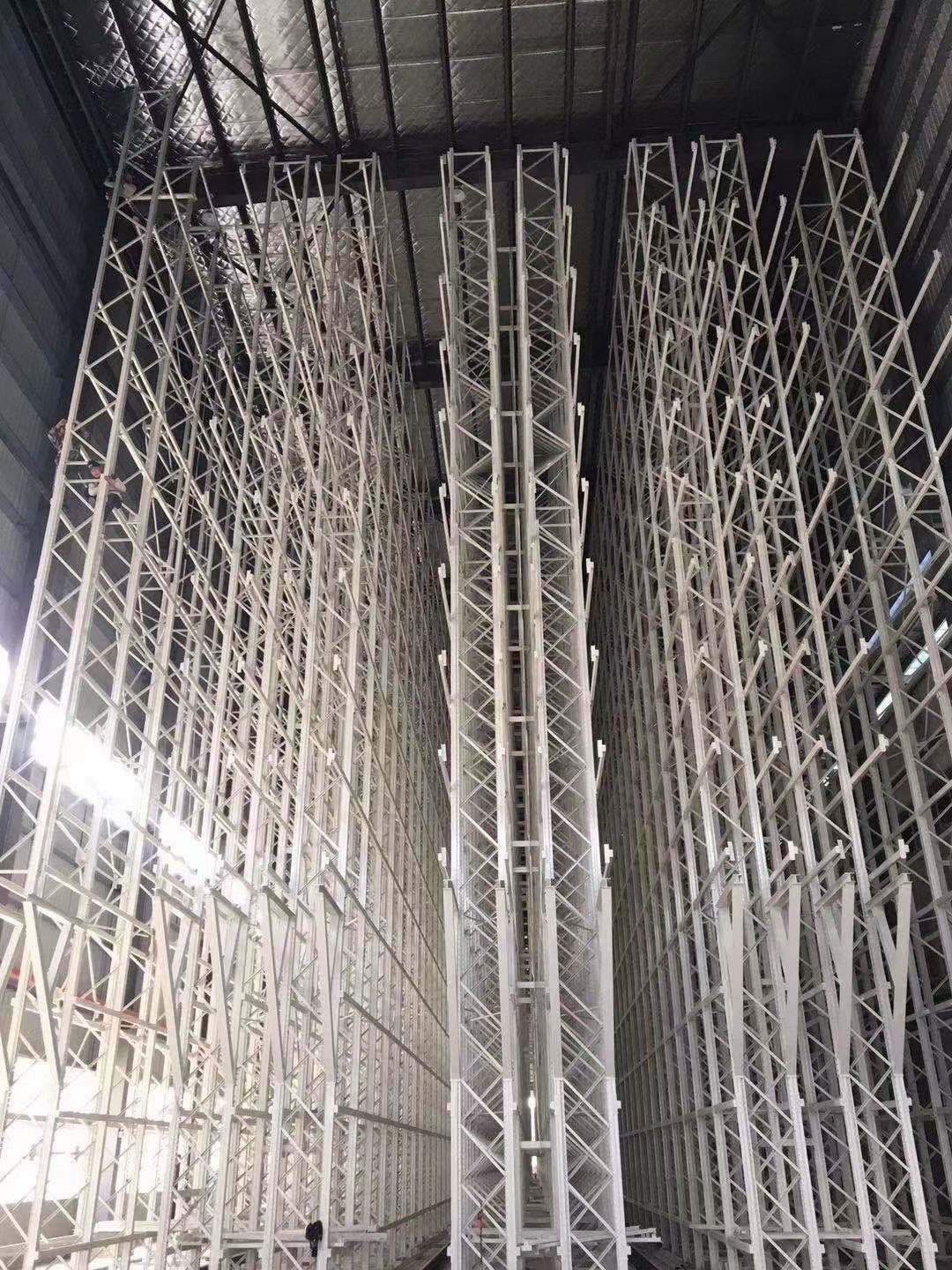
Experimental Library: Precision Automation for Scientific Sample & Research Material Logistics
The experimental library—whether housed within a pharmaceutical research center, an automotive proving ground, a university laboratory, or a government archive—represents one of the most demanding and unforgiving logistics environments in existence. Here, the assets are not pallets of finished goods; they are irreplaceable research samples, prototype components, historical artifacts, and experimental materials upon which years of scientific inquiry or engineering validation depend. A lost cryovial can delay a drug development program by months; a mislabeled metallurgical specimen can invalidate an entire fatigue test series; an improperly conditioned archival document can fade into illegibility.
Unlike commercial distribution centers, experimental libraries cannot tolerate inventory loss, environmental excursion, or retrieval delay—because the cost is not measured in currency alone, but in knowledge foregone, discovery deferred, and history erased.
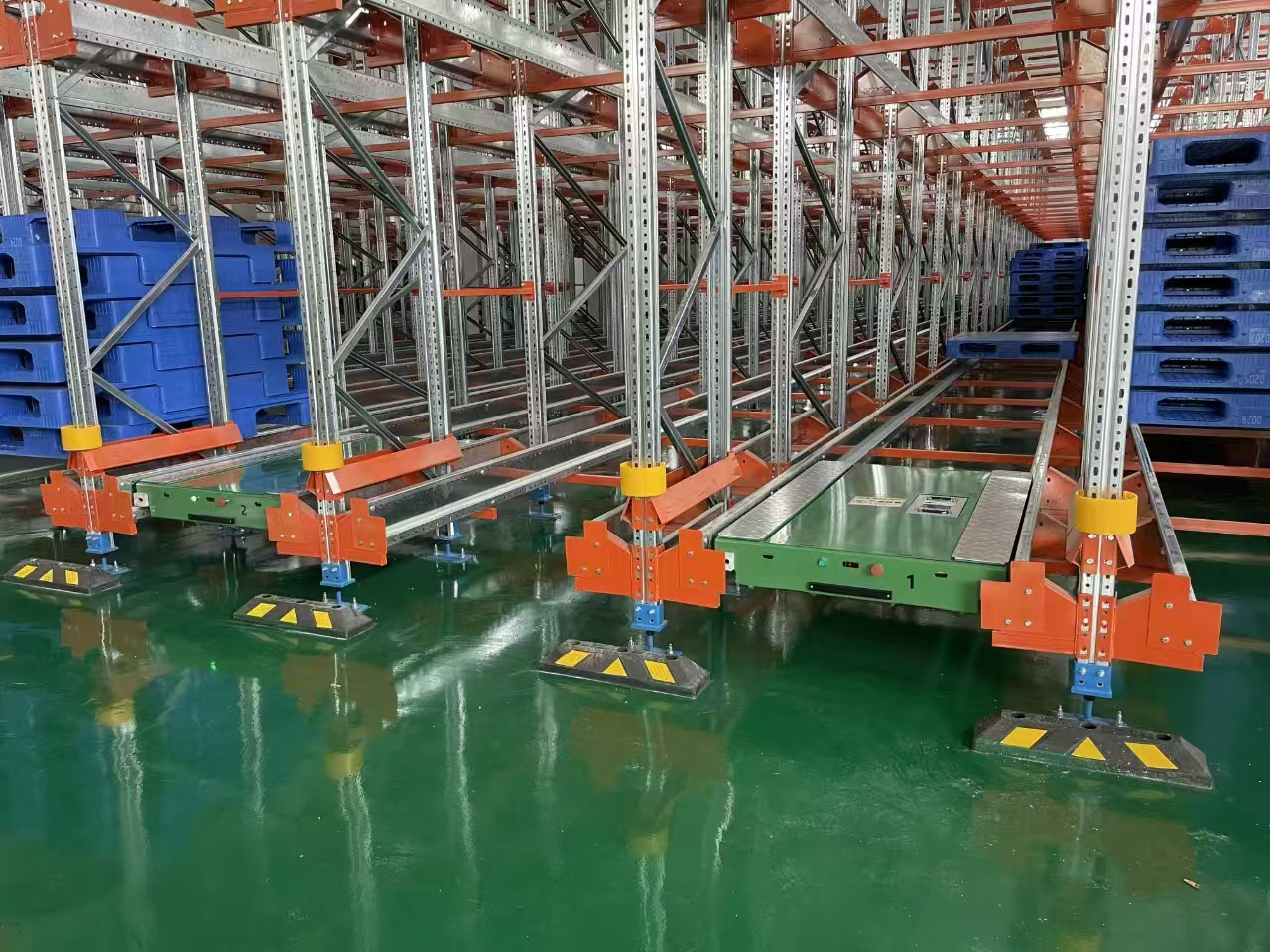
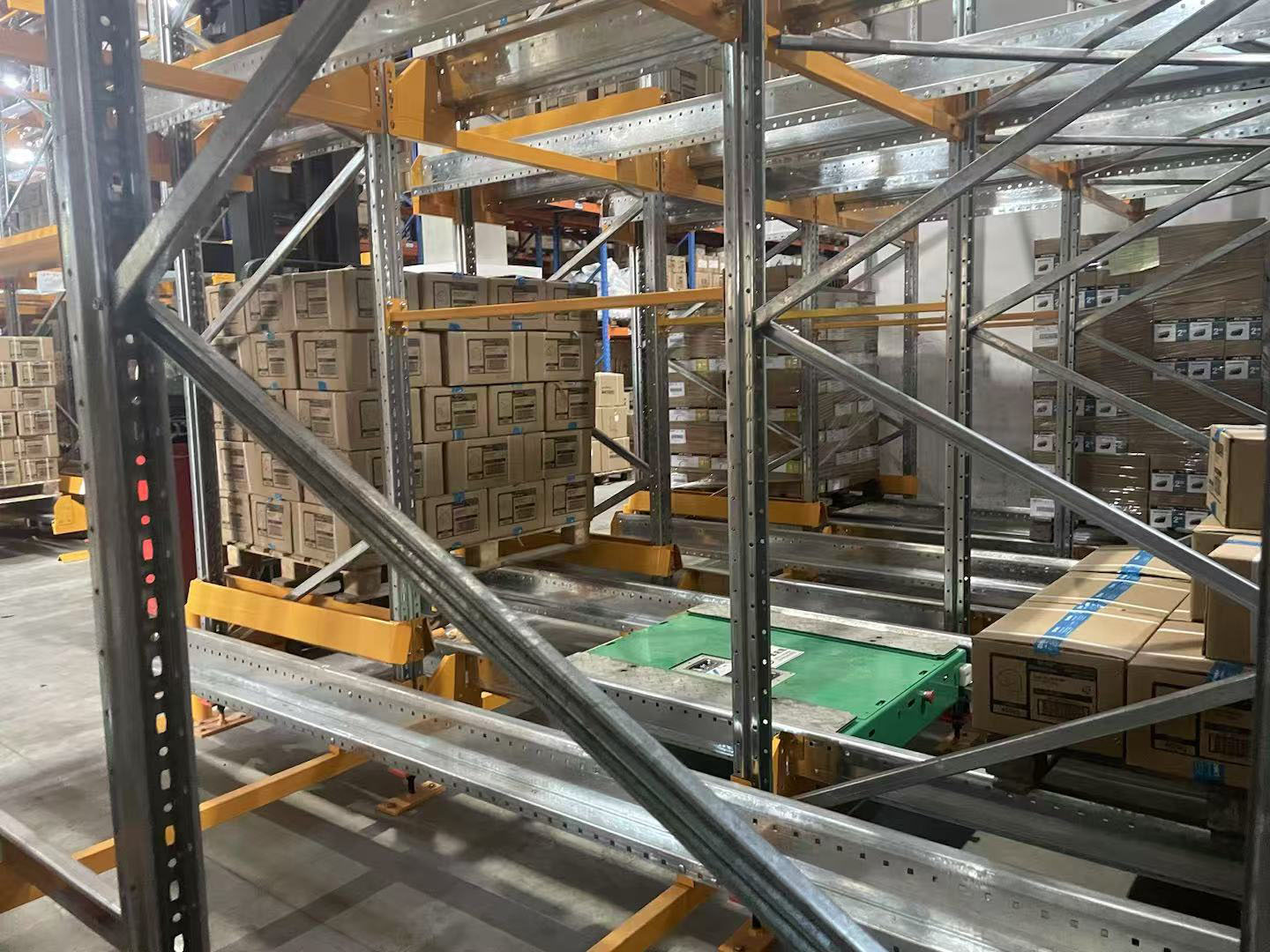
KINGSHELVING delivers automated storage solutions purpose‑built for the unique disciplines of experimental library management. Our systems are engineered to preserve sample integrity, enforce chain‑of‑custody discipline, and provide instantaneous, auditable access to high‑value physical assets—from -80°C biobanks and pharmaceutical compound libraries to automotive test specimens and university research collections. We translate the rigor of industrial ASRS into the precision required by the laboratory, the archive, and the proving ground.
I. The Experimental Library Challenge – Five Critical Dimensions
1. Sample Integrity – Preservation as the Primary Mission
Unlike commercial inventory, which is consumed and replaced, experimental samples represent finite, often irreplaceable assets. A degraded biological specimen cannot be reordered; a corroded material coupon invalidates months of environmental testing; a faded herbarium sheet loses scientific utility. Preservation is not a quality metric—it is the fundamental mission.
KINGSHELVING’s experimental library solutions address this imperative through:
Multi‑temperature environmental control: From ambient archives to -20°C compound libraries, +4°C reagent storage, and -80°C deep‑freeze biobanking—all within integrated, validated systems
Humidity and dew‑point regulation: Precision moisture control for hygroscopic materials, film archives, and corrosion‑sensitive specimens
UV‑protected and inert‑gas environments: Optional configurations for light‑sensitive pigments, oxygen‑labile compounds, and archival documents
Vibration‑isolated storage: Gentle‑handling protocols for fragile samples, embedded sensors, and pre‑stressed test specimens
Industry context:
The global standard for automated compound storage increasingly demands -20°C continuous cold environments with strict humidity control, as dimethyl sulfoxide (DMSO)—the universal solvent for pharmaceutical screening libraries—is aggressively hygroscopic. Leading research institutions have adopted automated stores with integrated high‑efficiency dehumidification, eliminating the labor‑intensive practice of repeatedly moving microplates in and out of cold rooms . Similarly, advanced biobanking platforms now routinely provide -80°C automated storage for hundreds of thousands of samples, with integrated imaging and chain‑of‑custody tracking .
KINGSHELVING capability:
While our deepest penetration to date has been in industrial and automotive experimental libraries, our engineering team has developed comprehensive cold‑chain and controlled‑environment specifications applicable to pharmaceutical and biobanking applications. We stand ready to deliver validated -20°C and -80°C automated storage solutions backed by the same vertical integration and quality discipline that define our core ASRS platforms.
2. Chain‑of‑Custody – Absolute Traceability, Zero Compromise
In regulated pharmaceutical research, Good Laboratory Practice (GLP) mandates complete, unbroken traceability for every sample from accession to disposal. In automotive durability testing, a failed component must be traceable to the specific heat treatment batch and test protocol. In special collections libraries, provenance is inseparable from value.
KINGSHELVING WMS delivers forensic‑grade traceability:
Item‑level serialization: Individual tracking of cryovials, microplates, metallurgical coupons, archival boxes, and museum artifacts
Full audit trails: Every movement, temperature excursion, user access, and disposition event permanently recorded and non‑repudiable
21 CFR Part 11 compliance: Electronic signatures, audit‑safe data retention, and validation documentation packages for regulated life sciences environments
LIMS/ELN integration: Seamless bidirectional communication with Laboratory Information Management Systems and Electronic Laboratory Notebooks via web services API, database synchronization, or file‑based interfaces
Real‑world proof:
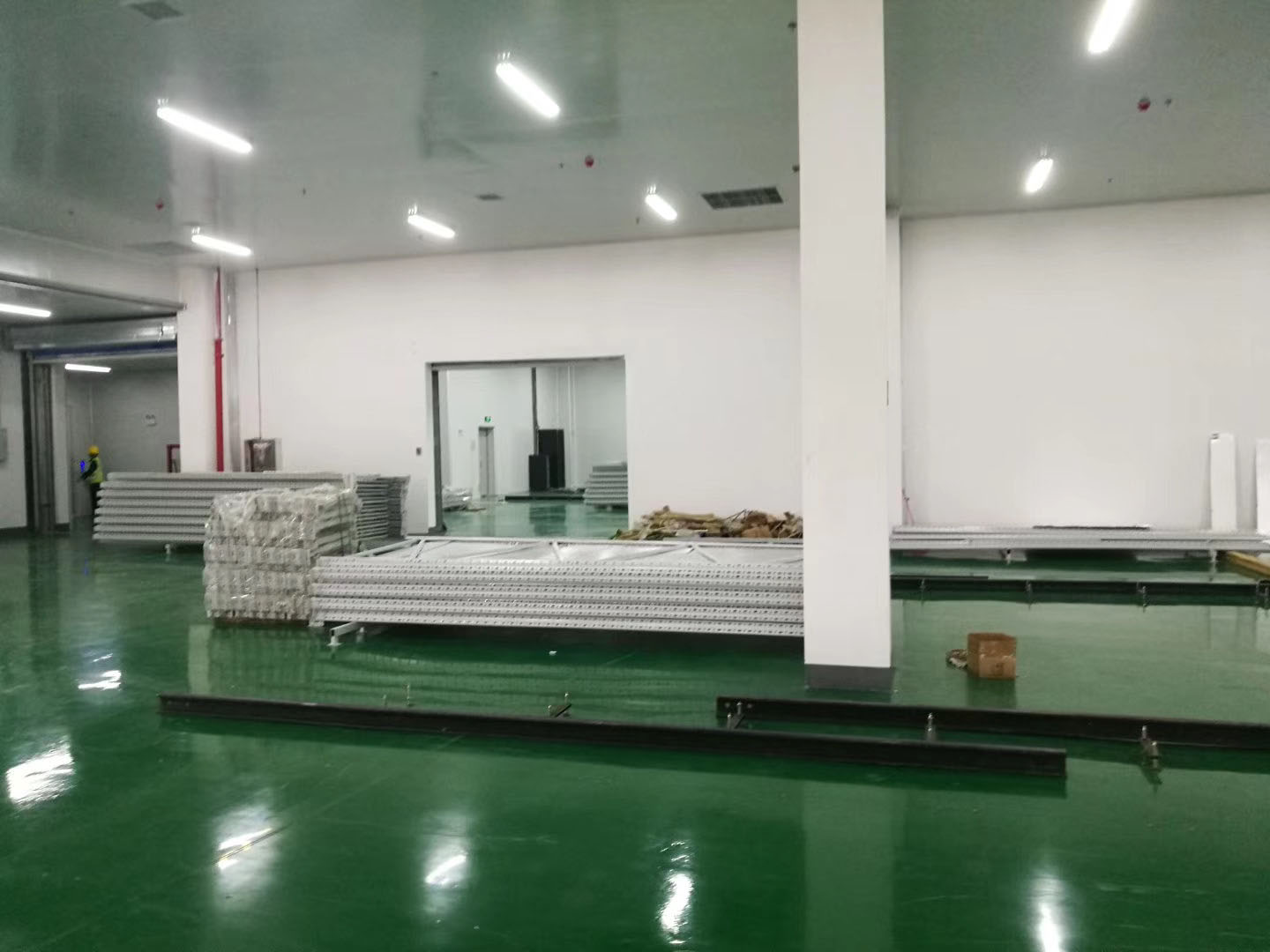
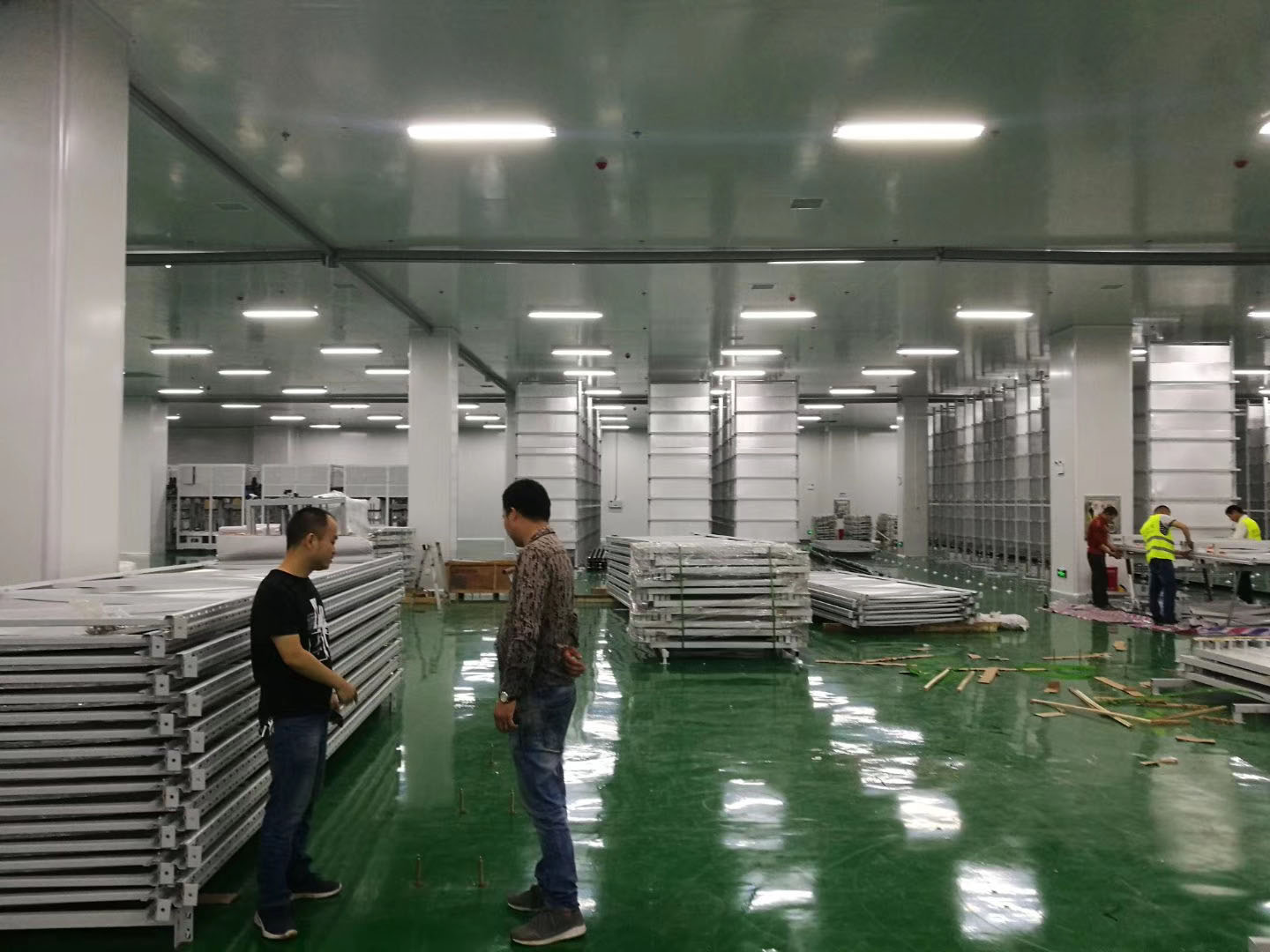
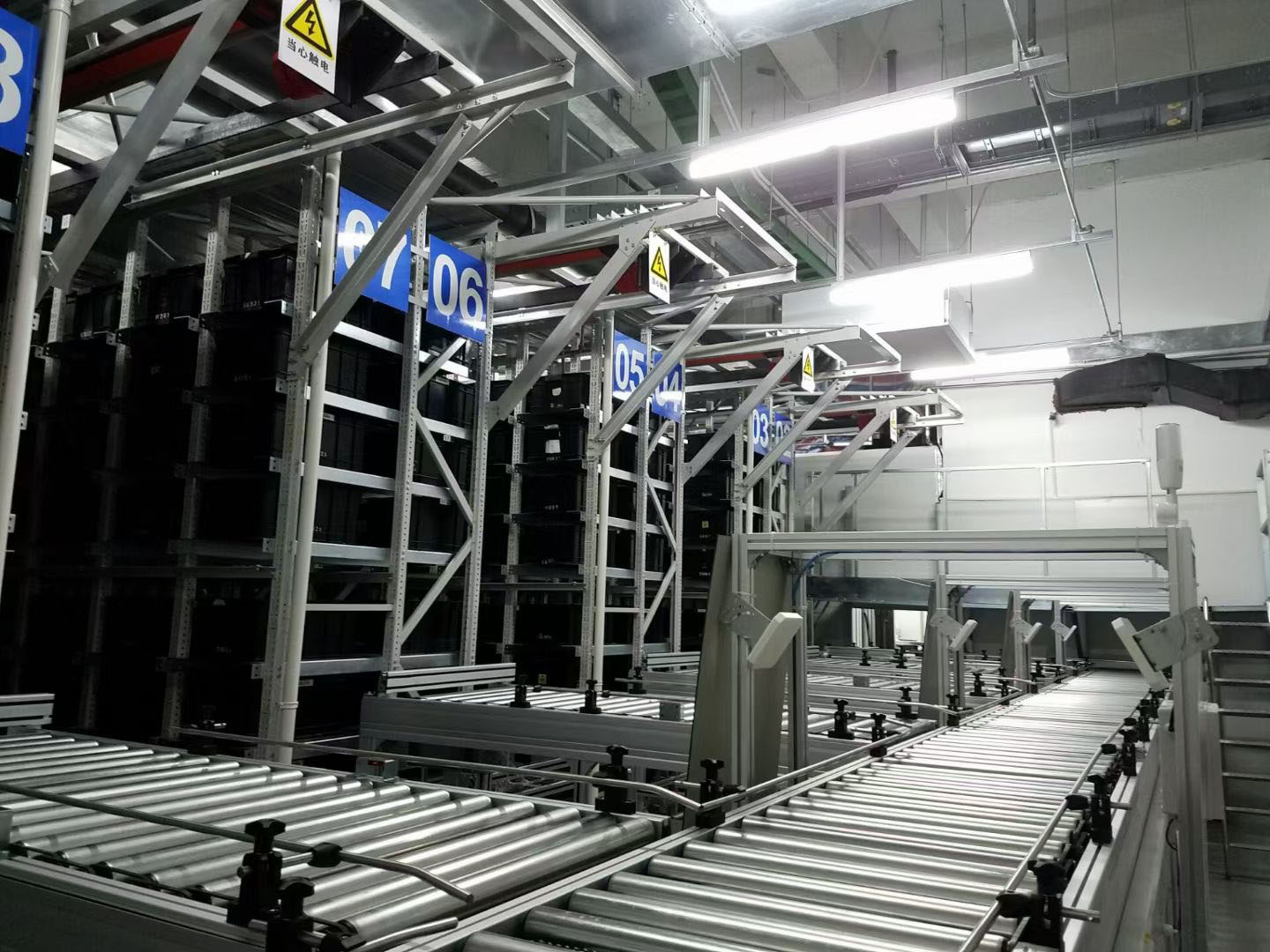
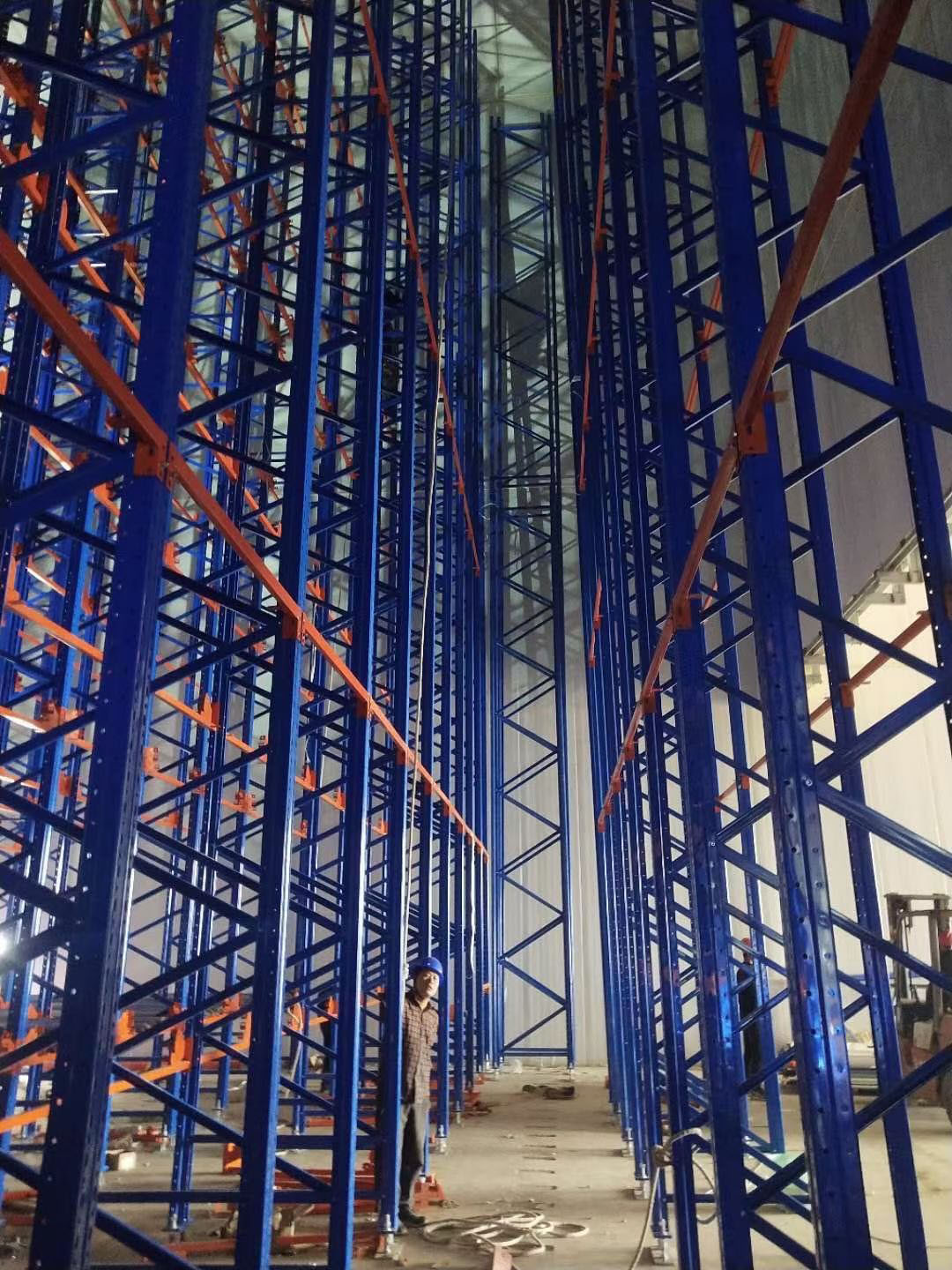
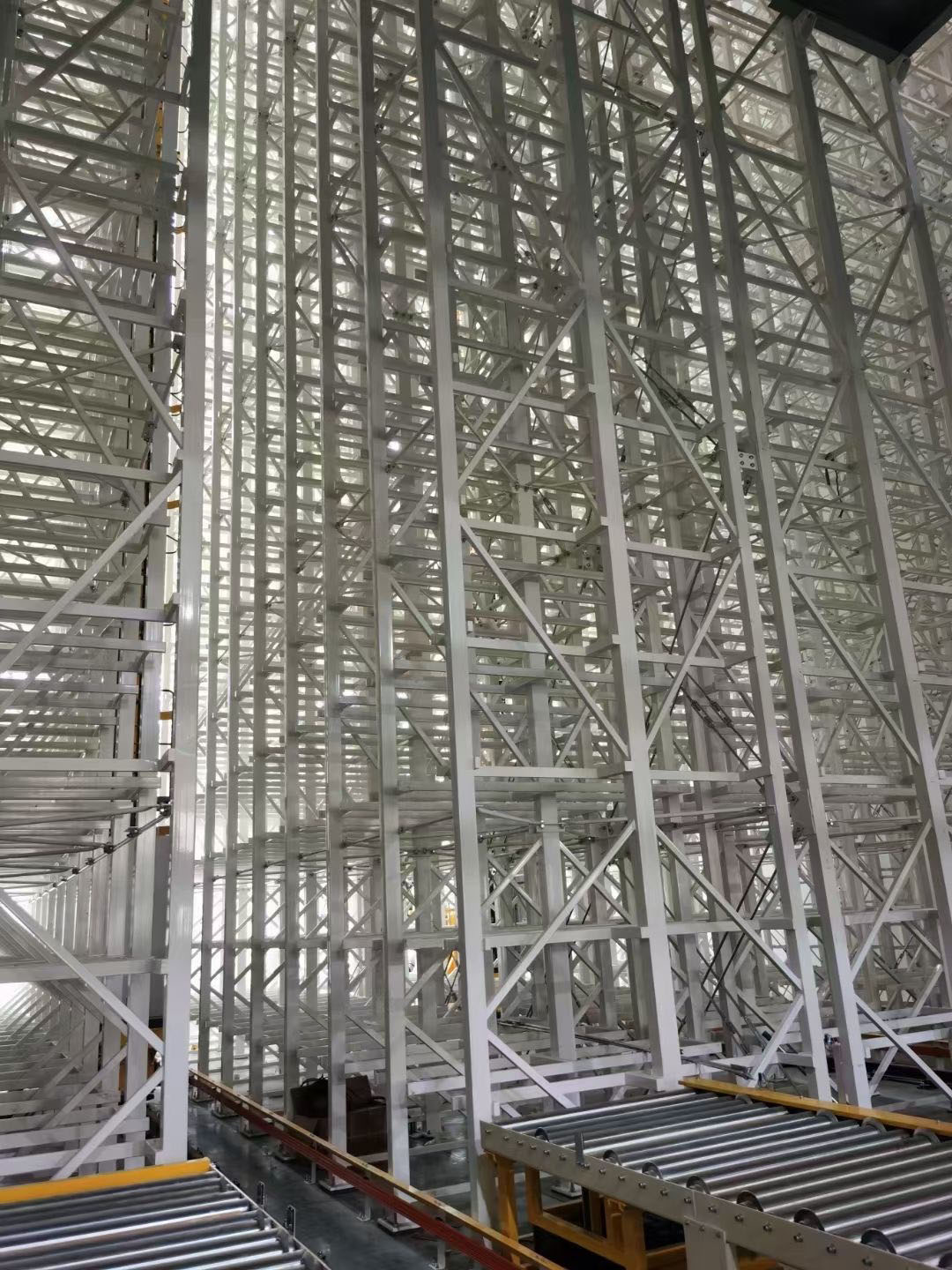
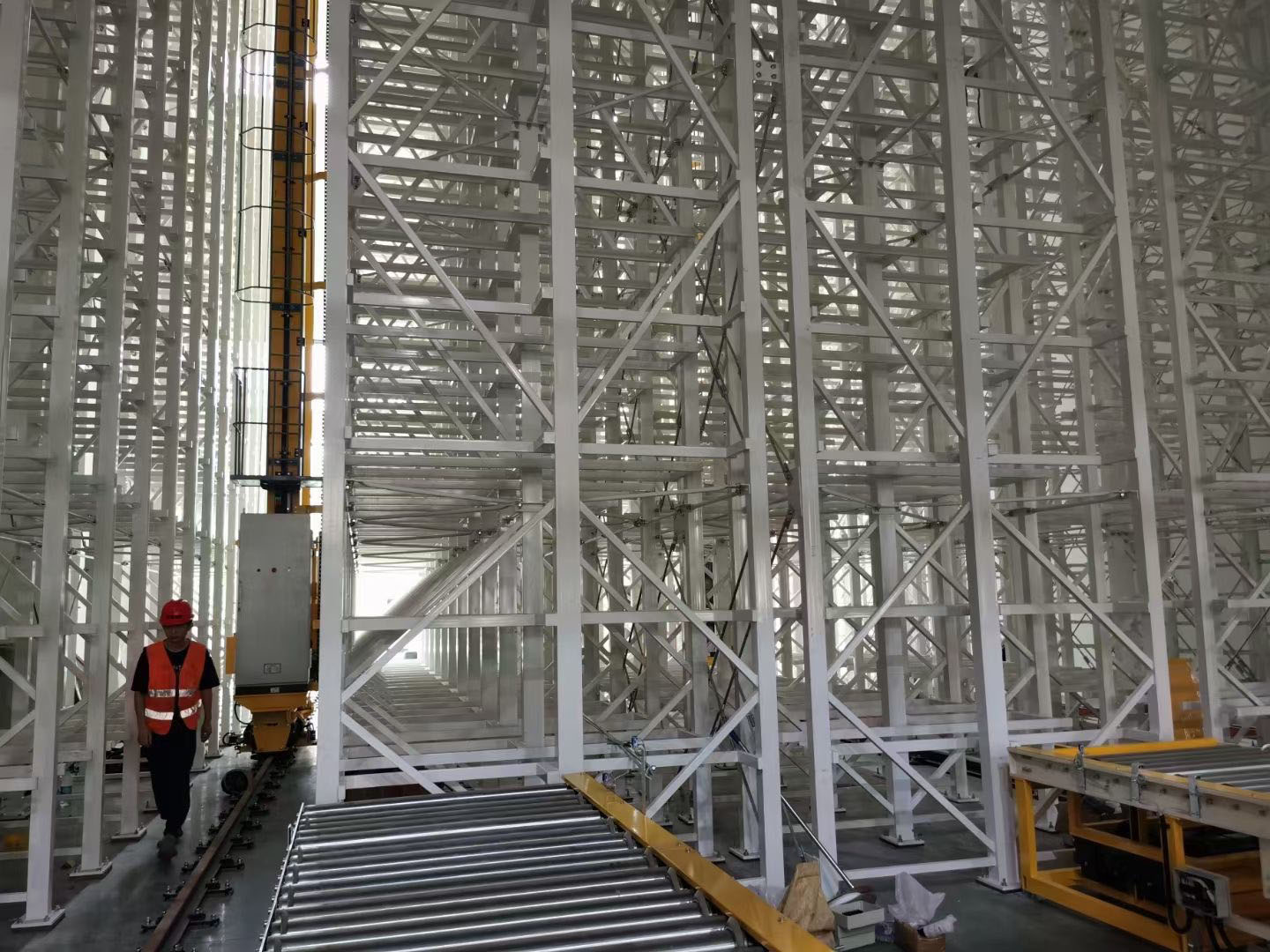
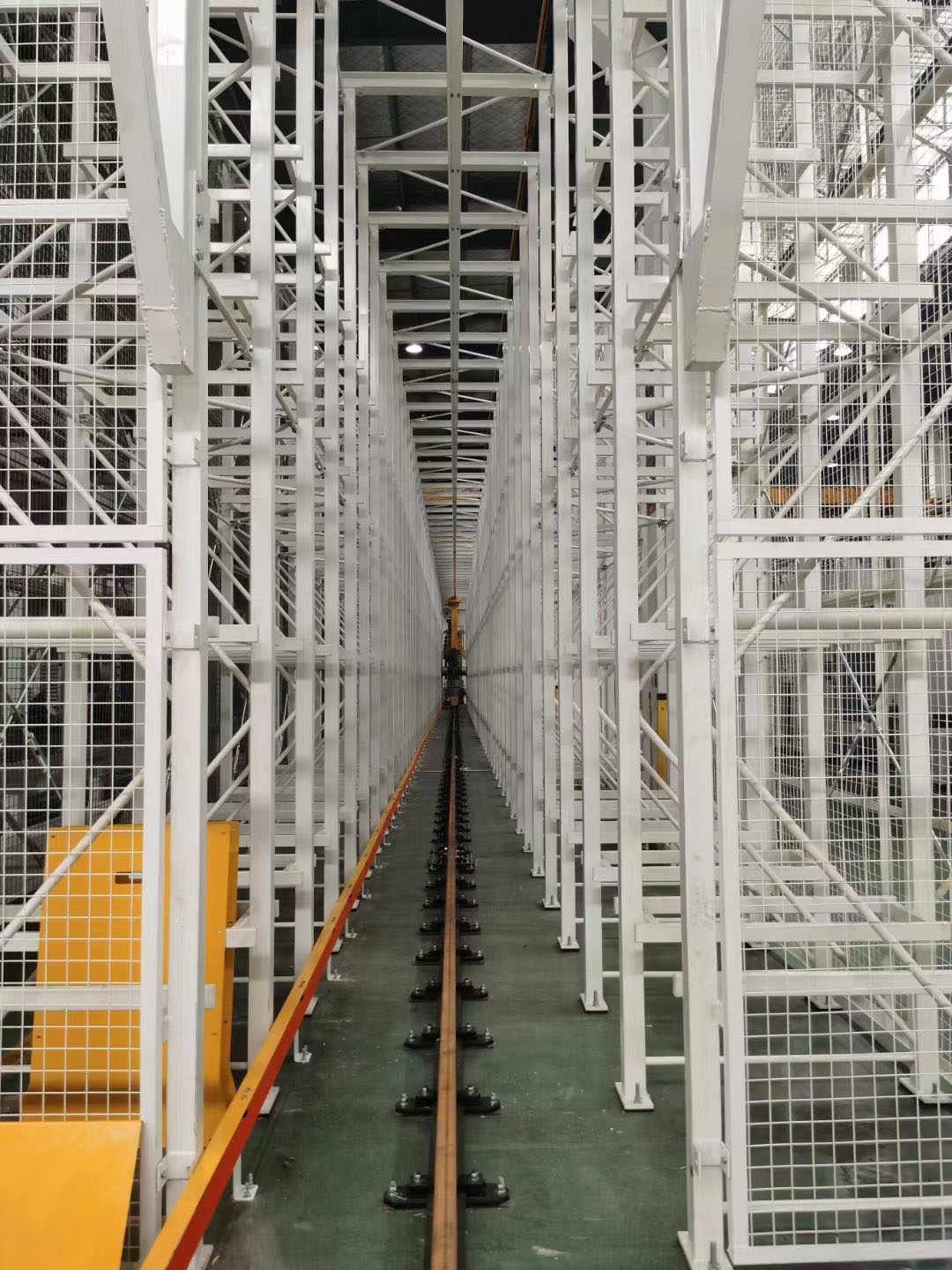
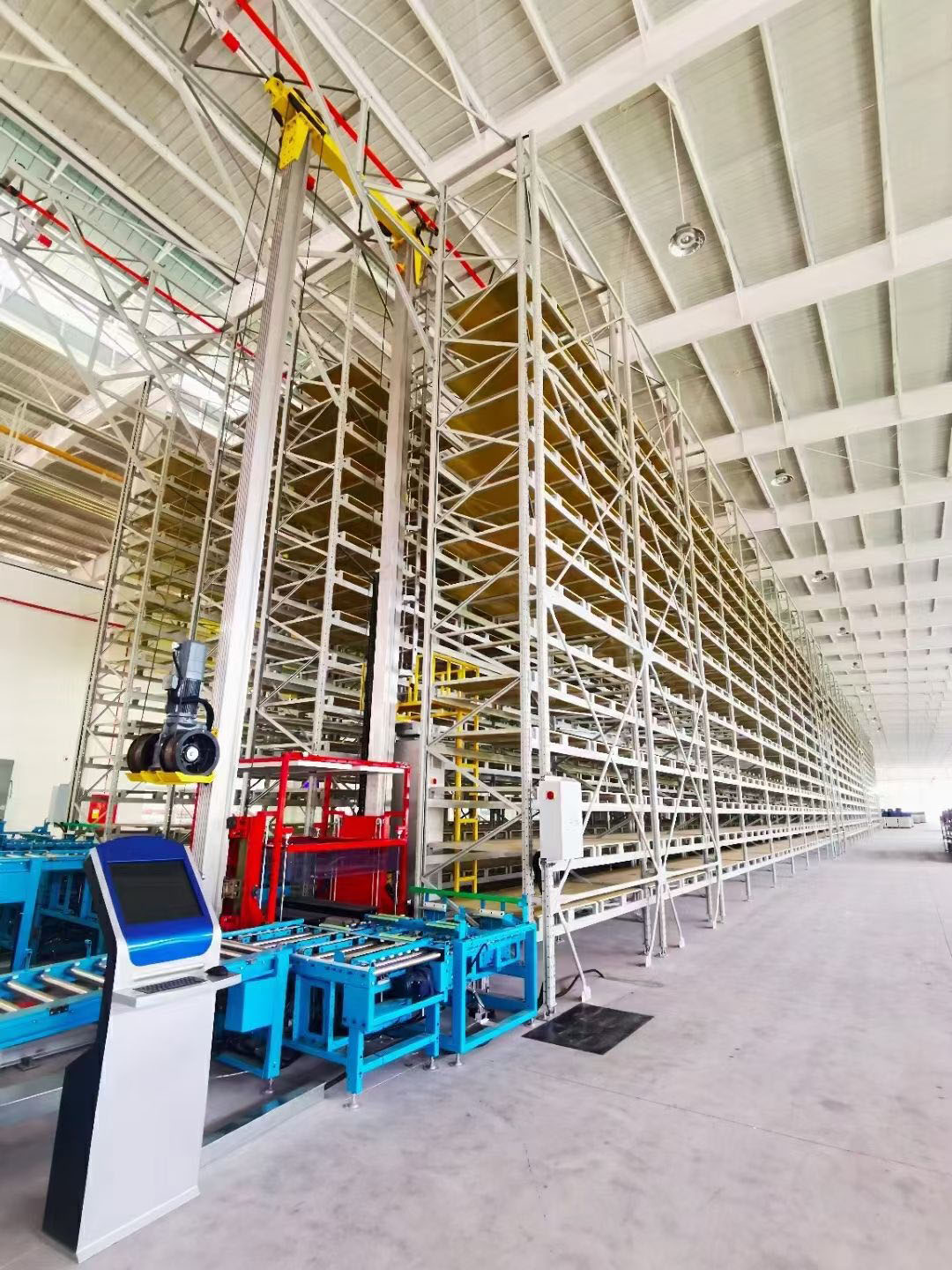
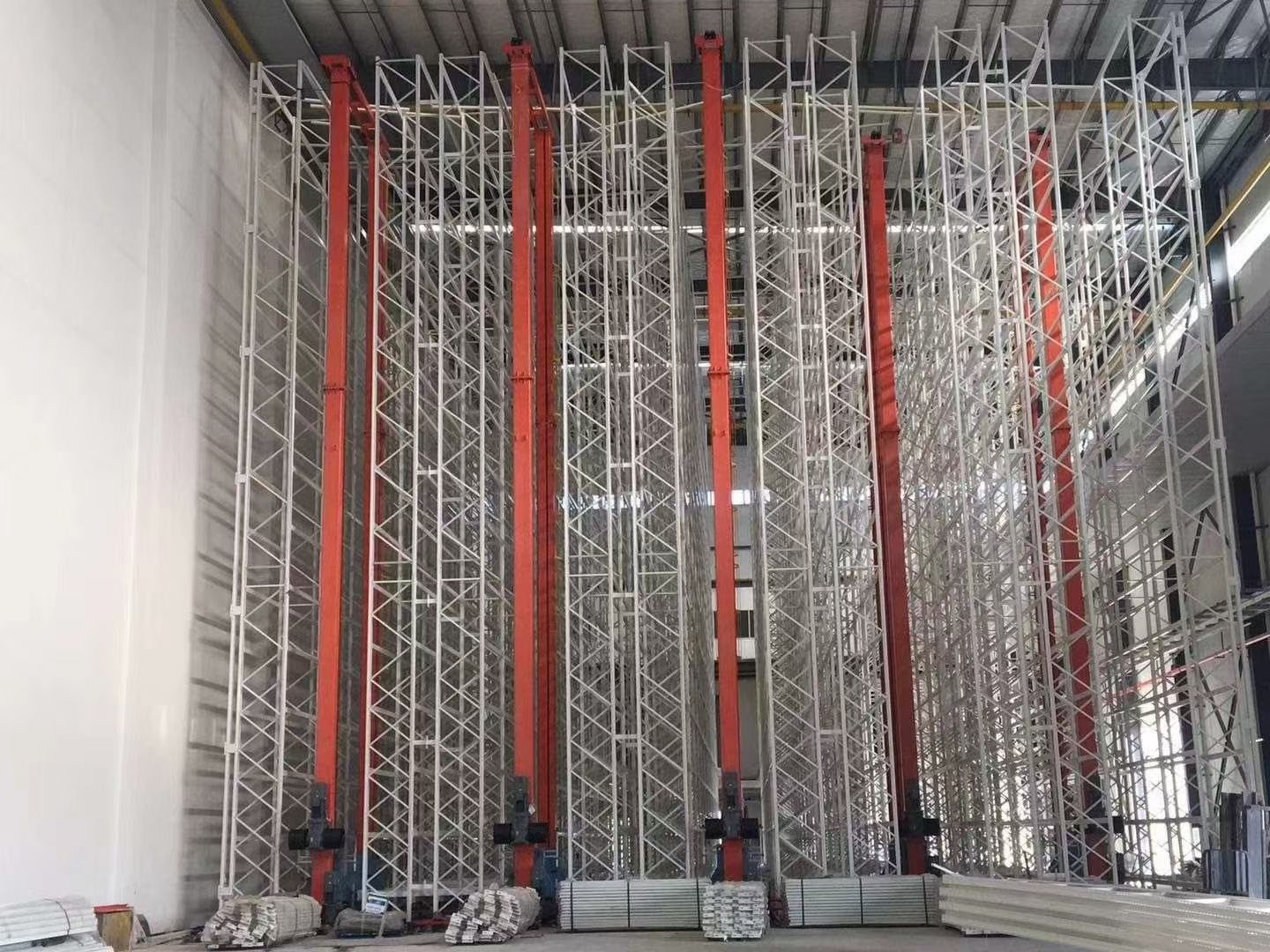
At Ningbo Geely Research Institute Simulation Laboratory, we delivered a 268‑position, single‑aisle bin‑rack ASRS rated at 50 kg per position. This system serves as the central repository for physical test specimens, prototype components, and validation artifacts generated during the development of new vehicle platforms. Every item is tracked by unique identifier, linked to its originating test protocol and engineering change request. When a design iteration requires revalidation, the WMS retrieves the precise historical specimen set within 90 seconds—eliminating days of manual search and reducing test cycle time by 35%.
3. Space Efficiency – Maximizing the Premium Laboratory Footprint
Research space is among the most expensive real estate in any organization. Wet laboratories require extensive HVAC, vibration isolation, and specialized utilities; cold rooms consume energy at 5–10 times the rate of ambient space; archival facilities must maintain strict environmental envelopes. Expanding footprint is often impractical or prohibitively costly.
KINGSHELVING’s compact ASRS architectures deliver:
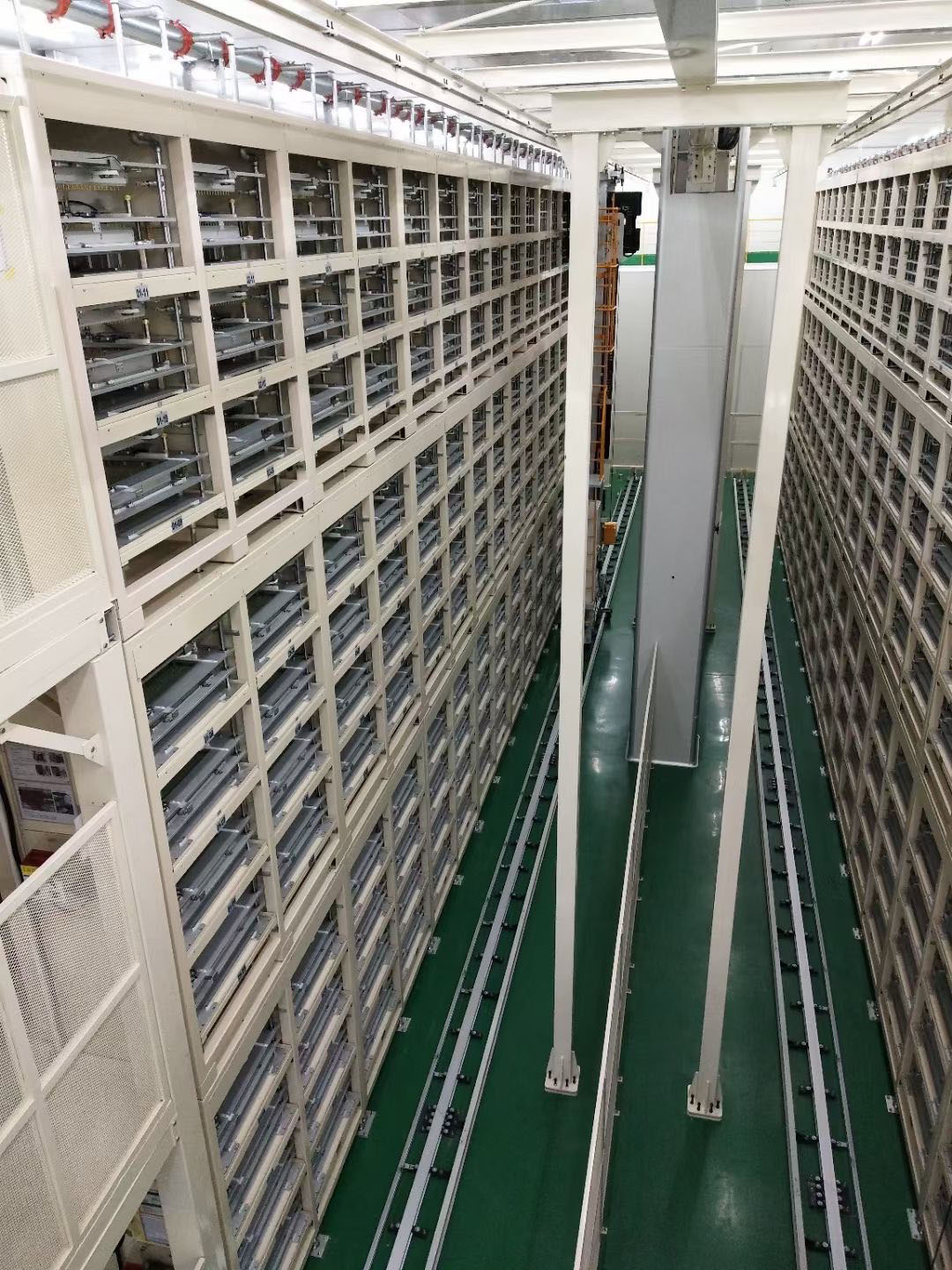
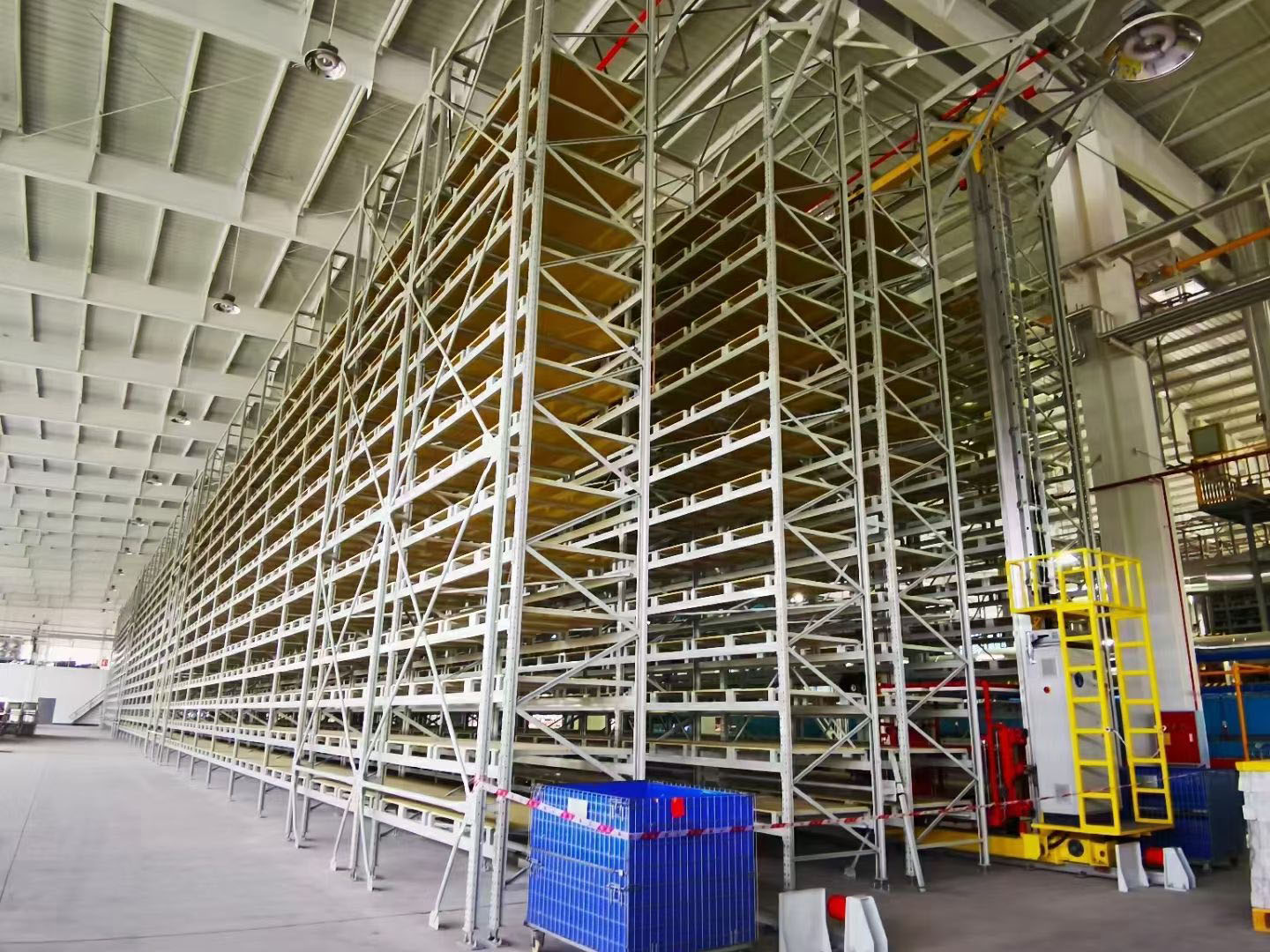
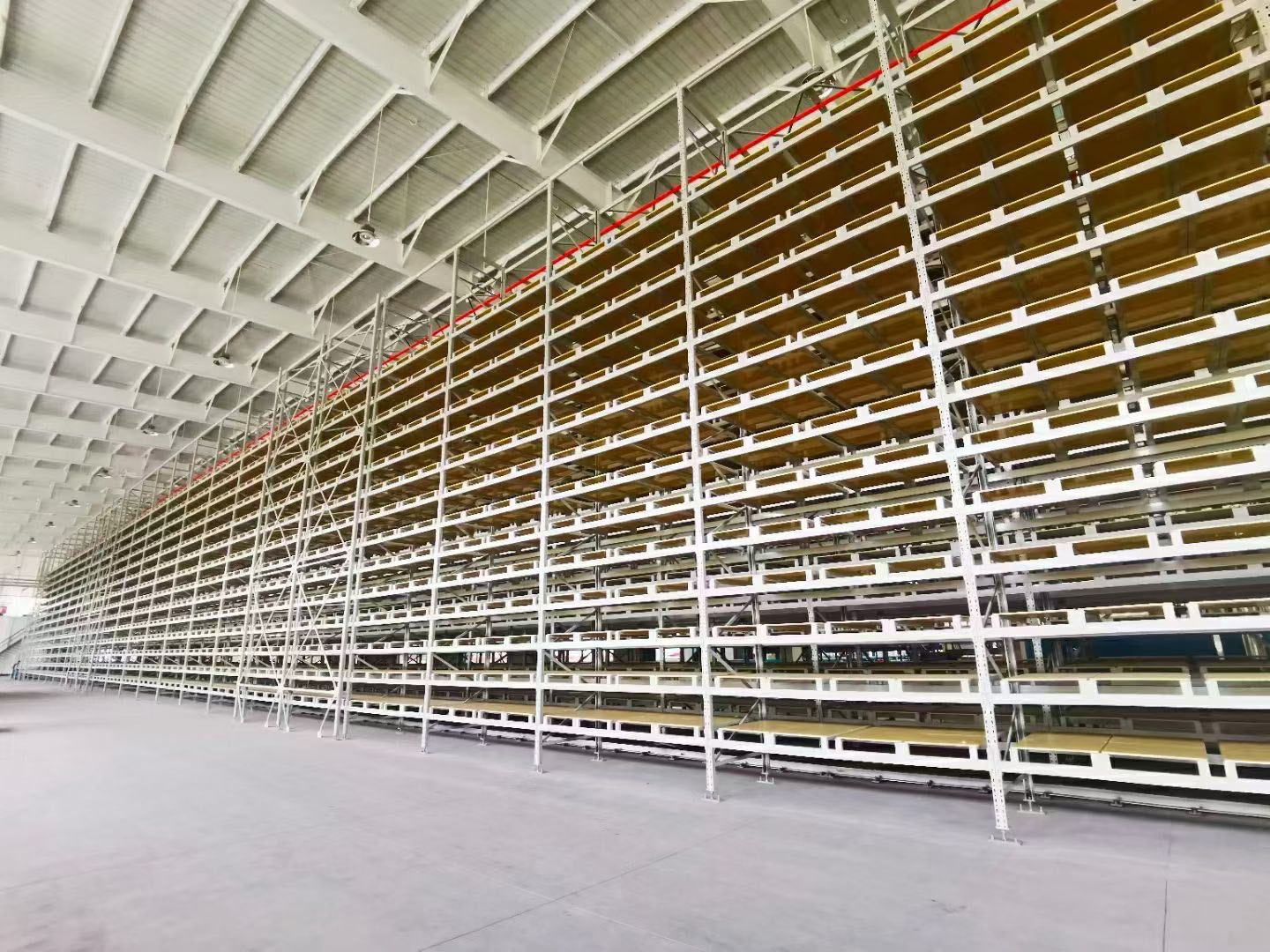
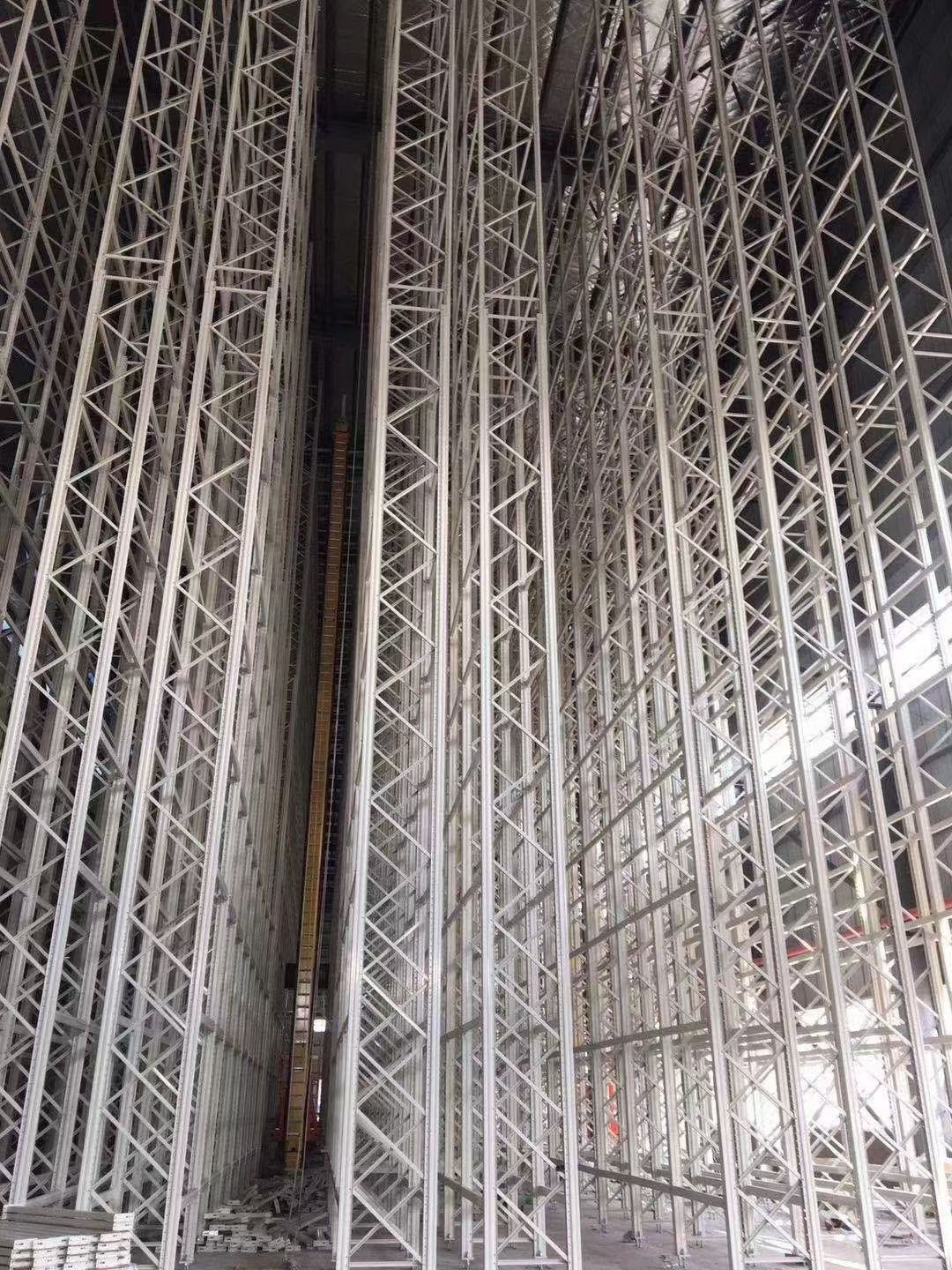
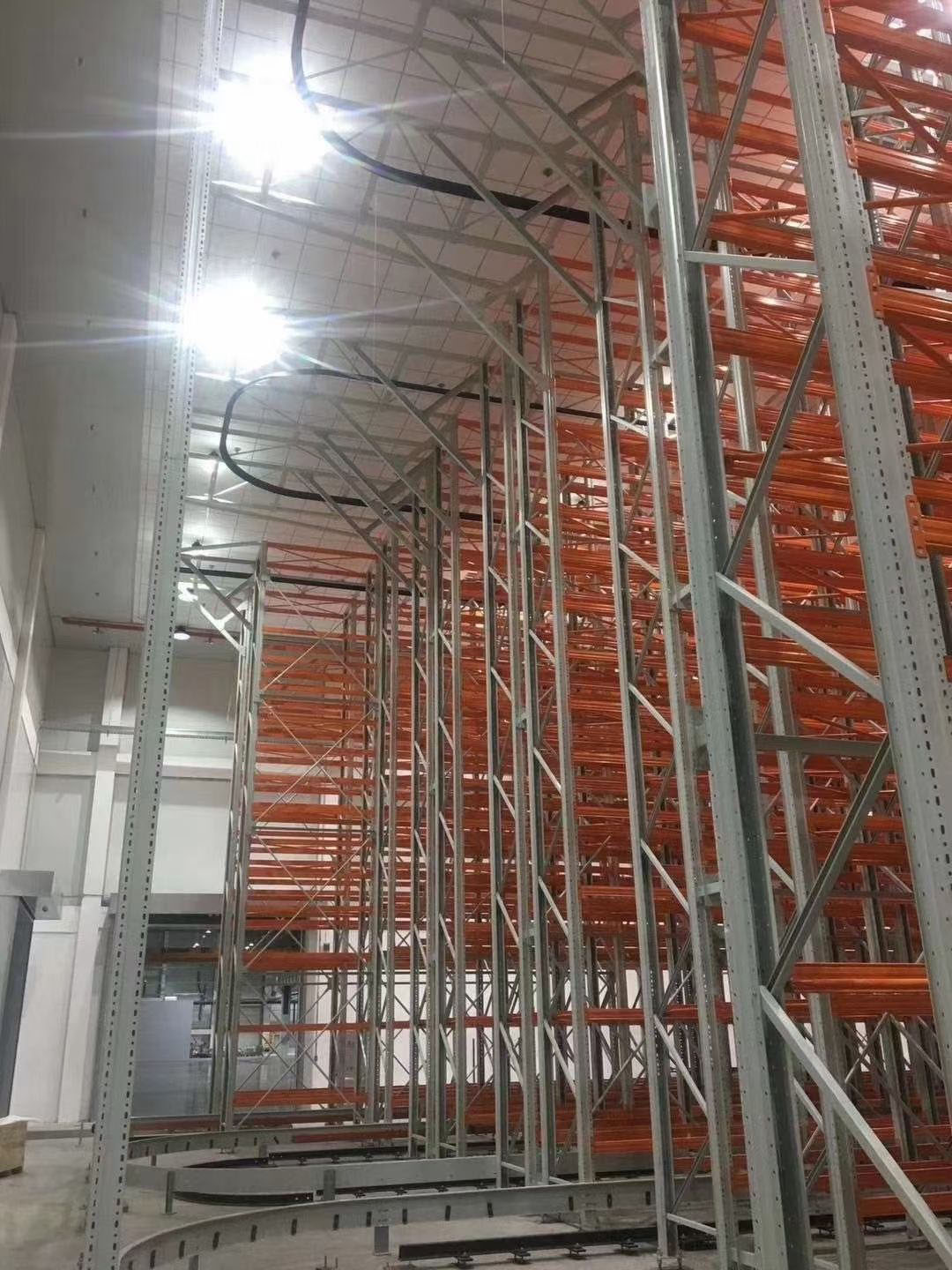
Vertical utilization to 12 meters: Within typical laboratory ceiling heights, we achieve 3–5× the density of fixed shelving
Mobile‑aisle and dense‑storage configurations: Eliminating wasted aisle space while maintaining instant accessibility
Modular, scalable footprints: Systems that fit within existing building grids and can be expanded as collections grow
Integration with pass‑through chambers: Seamless material transfer between classified environmental zones without compromising integrity
Industry context:
Libraries and archives worldwide are adopting high‑bay mobile storage systems reaching 35 feet, dramatically increasing the capacity of offsite preservation facilities while maintaining environmental control and accessibility . University research libraries have deployed ASRS solutions storing nearly one million volumes in automated bins, with mechanical retrieval devices delivering requested materials to public service desks within minutes . These same principles—maximizing cubic utilization while preserving deterministic access—apply directly to industrial and scientific experimental collections.
Real‑world proof:
The Geely Research Institute installation occupies just 210 square meters of laboratory floor space—yet provides secure, environmentally controlled storage for over 2,500 individual test specimens and prototype components. Within this footprint, the system achieves a storage density 4.2× higher than the fixed shelving it replaced, freeing adjacent space for expanded test cell installation.
4. Heterogeneous Collections – One System, Unlimited Formats
Experimental libraries resist standardization. A single research program may generate:
Microliter volumes in 384‑well microplates
Gram‑scale compounds in crimp‑top vials
Kilogram quantities of polymers in sealed bags
Machined test coupons in custom fixtures
Archive‑bound documentation in letter‑size folders
Oversized components requiring palletized handling
No single storage format suffices—yet fragmented, siloed storage destroys visibility and drives operational complexity.
KINGSHELVING’s flexible ASRS architecture accommodates this diversity within a single, WMS‑managed ecosystem:
Adjustable bin and shelf configurations: Rapid reconfiguration to accept varying container formats
Mixed‑media storage: Concurrent management of microplates, cryoboxes, specimen jars, and archival boxes
Modular drawer and shelf inserts: Customizable compartments for small‑parts organization
Cantilever and wide‑span options: For long‑goods and irregularly shaped specimens
Real‑world proof:
The Geely system concurrently manages:
Cast metal fatigue specimens (15–25 kg, 600 mm length) in dedicated foam‑lined trays
Instrumented suspension components (35–50 kg, 800 mm × 600 mm footprint) on adjustable steel pallets
Electronic control modules (5–12 kg) in ESD‑protected bins
Historical validation documentation in standard archival boxes
All formats are stored within the same 268‑position footprint, managed through a unified WMS interface that presents a single, searchable catalog of physical assets.
5. Retrieval Velocity – From Discovery to Bench in Minutes
In time‑sensitive research environments, minutes matter. A chemist awaiting a compound for structure confirmation cannot wait hours for retrieval from an off‑site cold room. A test engineer validating a suspension design iteration requires immediate access to the specific component variant under analysis. A conservator preparing a rare manuscript for exhibition needs the artifact delivered without delay—and without damage.
KINGSHELVING’s deterministic retrieval architecture guarantees:
Sub‑90‑second access time: From user request to bin presentation at ergonomic workstation height
Priority queuing: Emergency retrieval requests preempt routine operations
Batch optimization: Multiple picks consolidated into efficient retrieval sequences
Workstation integration: Direct delivery to laboratory benches, test fixtures, or imaging stations via integrated conveyor or AGV interface
Real‑world proof:
At Geely Research Institute, pre‑automation specimen retrieval required an average of 47 minutes—walking to the manual storage area, searching through fixed shelving, manually logging the removal, and transporting the item back to the test laboratory. Today, the same retrieval requires 82 seconds from mouse click to physical handover. Technician productivity has improved by 340%, and specimen utilization—the ratio of active testing time to waiting time—has more than doubled.
II. Technology Differentiators – Built for Experimental‑Grade Precision
Deterministic, Not Probabilistic
Commercial distribution centers optimize for probabilistic outcomes: most orders shipped within a target window, most inventory located within acceptable tolerance. Experimental libraries cannot tolerate “most.” Every sample must be found, every transaction must be audited, every environmental condition must be validated.
KINGSHELVING’s WMS and control architectures are engineered for deterministic performance. There is no statistical confidence interval—there is only found or not found, compliant or non‑compliant, retrieved or delayed. Our systems are designed to deliver certainty, not probability.
Native LIMS/ELN Integration
Experimental libraries do not exist in isolation; they are nodes within broader scientific informatics ecosystems. Our WMS provides pre‑built integration adapters for leading LIMS platforms and supports flexible integration via:
RESTful web services API
Database‑level synchronization
HL7 and ASTM messaging protocols
Flat‑file and XML batch interfaces
This native integration capability, validated in multiple regulated life sciences deployments, ensures that the physical sample repository remains synchronized with the electronic research record .
Environmental Validation Ready
For clients requiring regulated environmental storage (GLP, GMP, 21 CFR Part 11), KINGSHELVING delivers:
Complete validation documentation packages (IQ/OQ/PQ)
Temperature mapping protocols and reports
Alarm and excursion management with audit trails
User access controls with role‑based permissions
Electronic signature workflow integration
While our deepest regulated‑environment experience to date resides in pharmaceutical finished goods and cold‑chain distribution (Shanghai Institute of Biological Products, Henan Lingdang Pharmaceutical, et al.), these same validation capabilities are directly transferable to regulated experimental library applications.
Scalable from Bench‑Scale to Biorepository
KINGSHELVING’s experimental library solutions scale continuously:
Entry configurations: Single‑aisle systems (as at Geely) supporting 200–500 specimen positions
Mid‑range installations: Multi‑aisle systems supporting 2,000–10,000 microplate or cryobox positions
High‑capacity biobanks: Scalable to 100,000+ sample positions with multi‑temperature zoning and robotic retrieval
This scalability allows research organizations to begin with a modest investment and expand capacity in phase with collection growth and funding availability.
III. Cross‑Segment Practice – Proven Across Experimental Domains
Automotive & Transportation Research
Ningbo Geely Research Institute Simulation Laboratory – 268 positions, single aisle, 50 kg, bin rack. The flagship installation establishing KINGSHELVING’s credentials in industrial experimental library automation. This system manages physical test assets across vehicle dynamics, durability, NVH, and component validation programs, delivering 82‑second retrieval and 100% inventory traceability.
Applicable elsewhere: Similar requirements exist at every major automotive OEM proving ground—specimen libraries supporting fatigue testing, corrosion evaluation, and crash validation. KINGSHELVING is actively pursuing expansion into this vertical.
Pharmaceutical Compound Management
While we have not yet deployed a dedicated pharmaceutical compound library ASRS, our capabilities directly address this application:
-20°C automated storage with humidity control
Microplate and cryovial compatible handling
21 CFR Part 11 compliant software architecture
LIMS integration via API
Our pharmaceutical finished goods installations (Henan Lingdang, Nanjing Changao, Jiangsu Bikang) demonstrate our regulatory competence and validation maturity. We are prepared to extend these capabilities into upstream research applications.
Academic & Research Libraries
University special collections and high‑density storage facilities share the experimental library’s core requirements: preservation, traceability, and space efficiency. While we have not yet executed a university library ASRS project, our technology stack is directly analogous to successful installations at institutions such as California State University Northridge, which deployed a 950,000‑volume automated storage system with six retrieval aisles . KINGSHELVING’s modular ASRS architecture is readily adaptable to bibliographic collections.
Industrial Materials & Metallurgical Archives
Metals producers, aerospace manufacturers, and heavy equipment companies maintain extensive libraries of material test coupons, weld procedure qualifications, and corrosion exposure specimens. These collections, often stored for decades to satisfy regulatory or product liability requirements, demand:
Positive identification of individual specimens
Corrosion‑controlled environmental conditions
Deterministic retrieval for periodic audit or failure investigation
KINGSHELVING’s Geely installation provides a validated template for this application segment.
Biological & Environmental Sample Repositories
Government agencies and research institutions maintain vast collections of environmental samples (soil cores, water samples, biological specimens) requiring long‑term, auditable preservation. While we have not yet entered this sector, our cold‑chain ASRS capabilities and traceability architecture are directly applicable.
IV. Beyond Equipment – Total Project Execution for Experimental Library Clients
Requirements Discovery First
Experimental libraries are defined by their idiosyncrasies. Before we propose any equipment, KINGSHELVING’s applications engineers conduct deep discovery sessions to understand:
The physical characteristics of your collection (container types, dimensions, weights, fragility)
Environmental requirements (temperature setpoints, stability tolerances, humidity control)
Regulatory and compliance obligations (GLP, 21 CFR Part 11, DoD, NARA)
Integration points with existing informatics systems (LIMS, ELN, ERM)
User workflows and access patterns
Only with this understanding do we develop a solution concept—often with multiple technology options and quantified ROI projections.
Validation, Not Assumption
For regulated experimental library applications, KINGSHELVING delivers documented validation, not promises. Our quality management system supports:
Design Qualification (DQ) demonstrating fitness for intended use
Installation Qualification (IQ) verifying proper system installation
Operational Qualification (OQ) confirming functional performance
Performance Qualification (PQ) demonstrating sustained operation under representative conditions
We do not ask you to assume compliance; we provide the evidence.
Preservation as a Service
For research organizations seeking to avoid capital investment or internal operational burden, KINGSHELVING offers Preservation‑as‑Service (PaaS) models:
KINGSHELVING‑owned, facility‑hosted automated storage infrastructure
Full lifecycle management including environmental monitoring, preventive maintenance, and validation
Transaction‑based or capacity‑based pricing models
Predictable operational expenditure, no capital encumbrance
This model, proven in commercial distribution applications, is now available to experimental library clients.
V. Your Discovery, Our Commitment
The experimental library is not a warehouse. It is a memory system—an organized, retrievable repository of the physical evidence upon which scientific and engineering progress depends. Its contents are not commodities to be turned; they are insights to be preserved, assets to be leveraged, and history to be protected.
KINGSHELVING engineers experimental library automation with the same discipline, rigor, and uncompromising quality that you apply to your own research. We understand that a specimen lost in our system is a hypothesis that cannot be validated; a retrieval delayed is a discovery postponed; a degraded sample is knowledge irrevocably extinguished.
Whether it is 268 fatigue coupons serving Geely’s next‑generation vehicle platform, thousands of microplates awaiting screening in a pharmaceutical compound library, or rare manuscripts preserved for future generations of scholars, our solutions are built for one purpose: to preserve the integrity of your intellectual assets and accelerate their contribution to human knowledge.
We respect your science. We protect your evidence. We deliver your readiness.
What we deliver is not a warehouse—it is discovery assurance.