WMS: The Intelligent Command Center That Transforms Four Walls Into a Living System
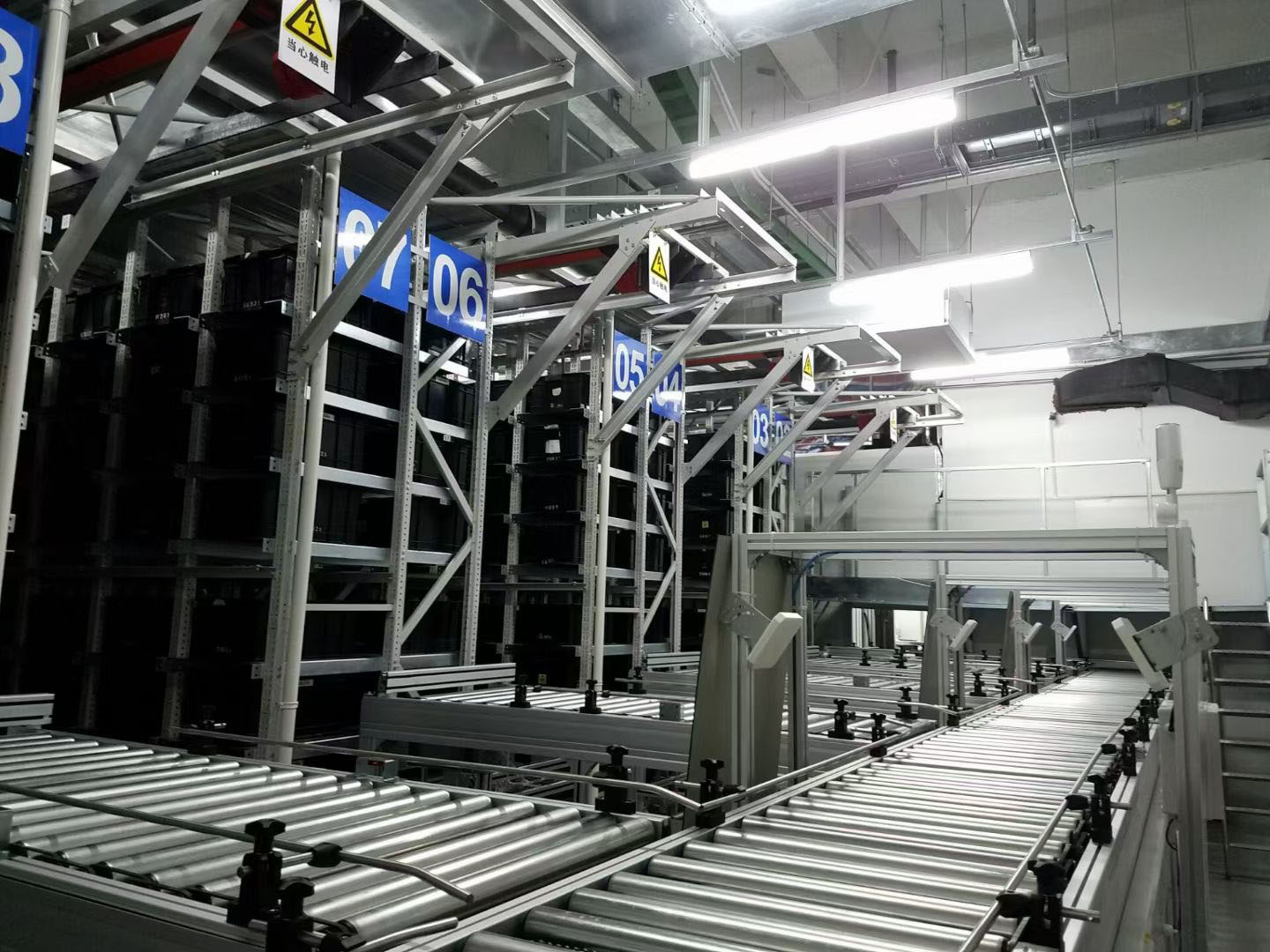
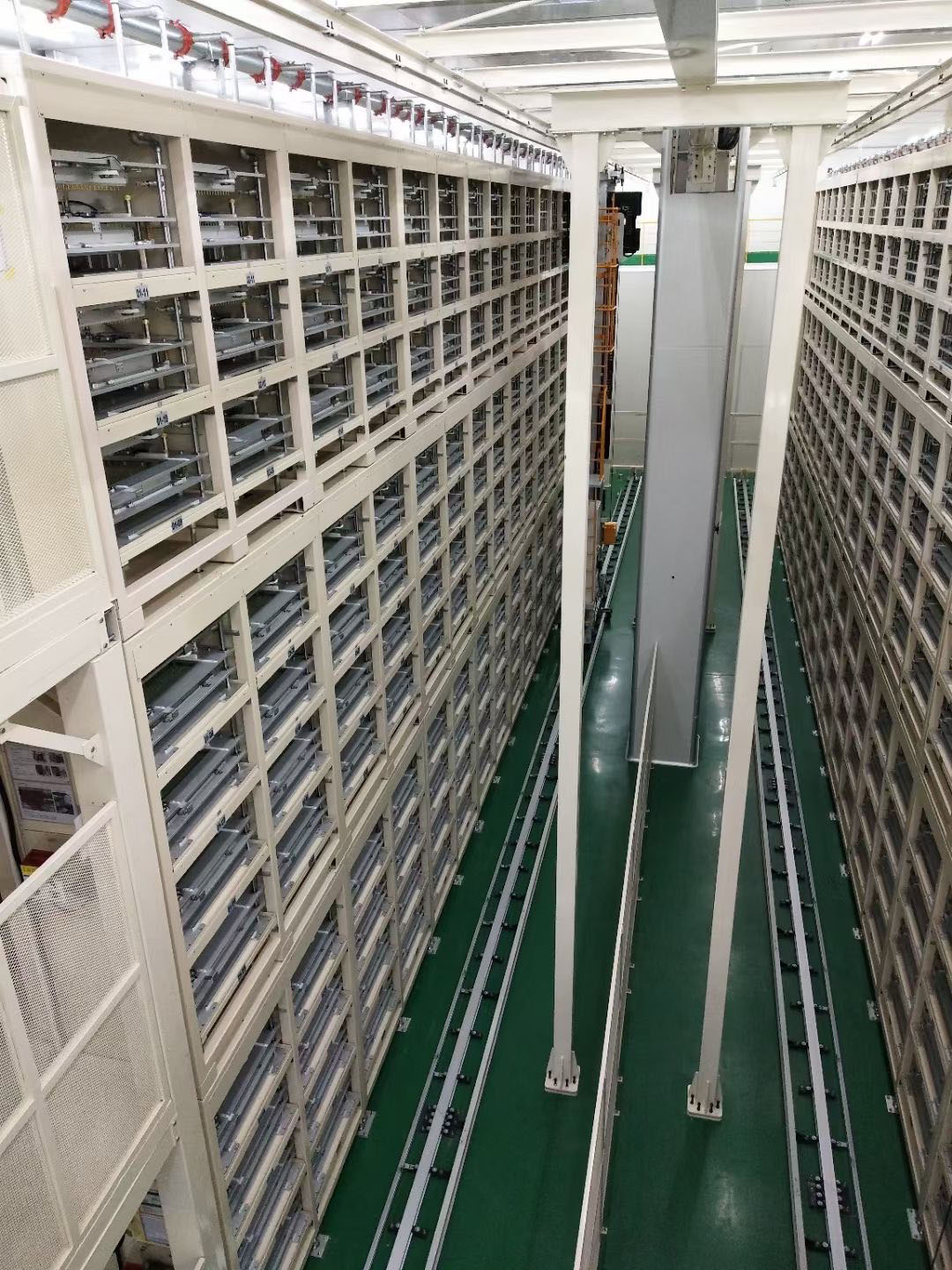
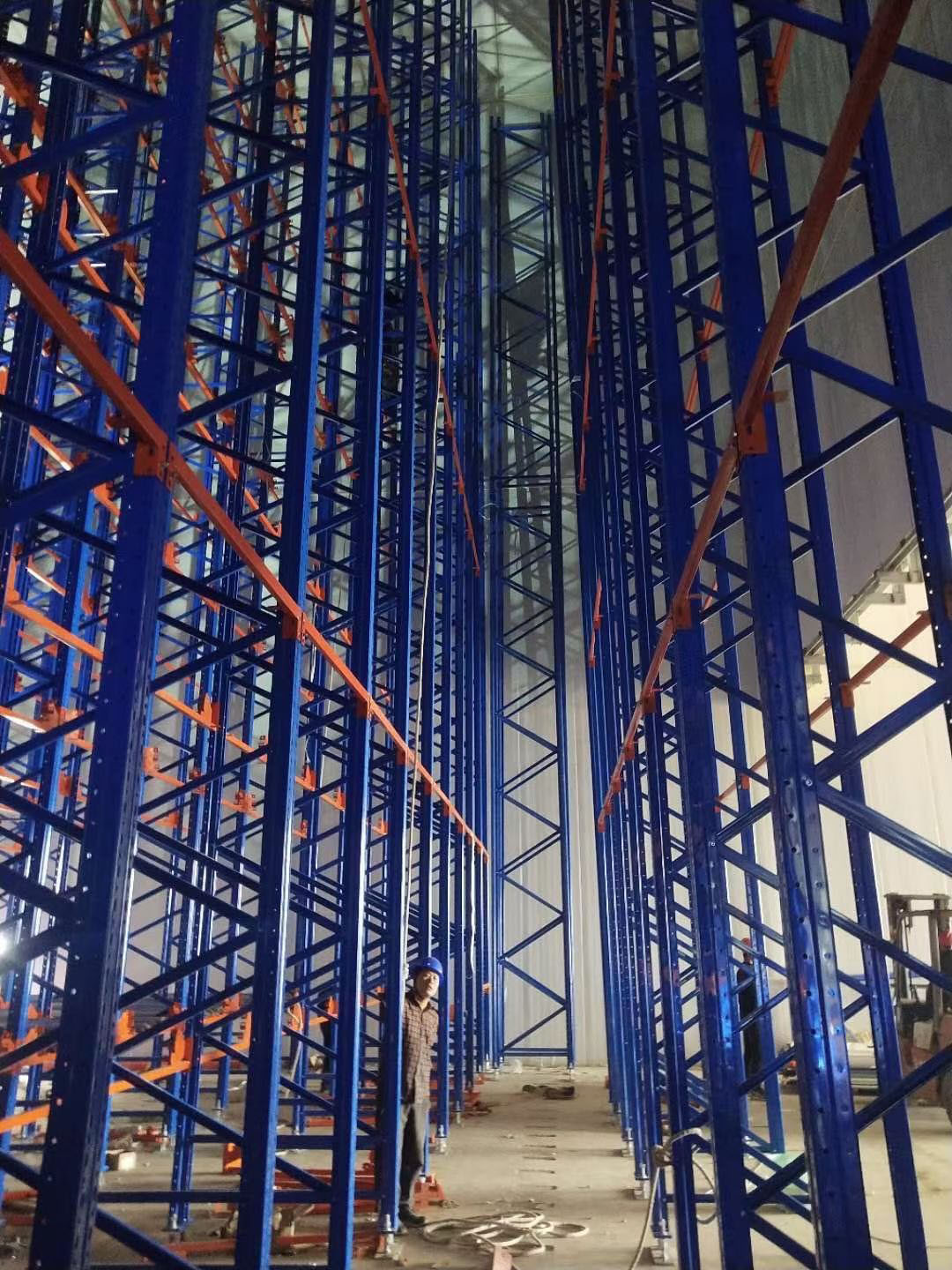
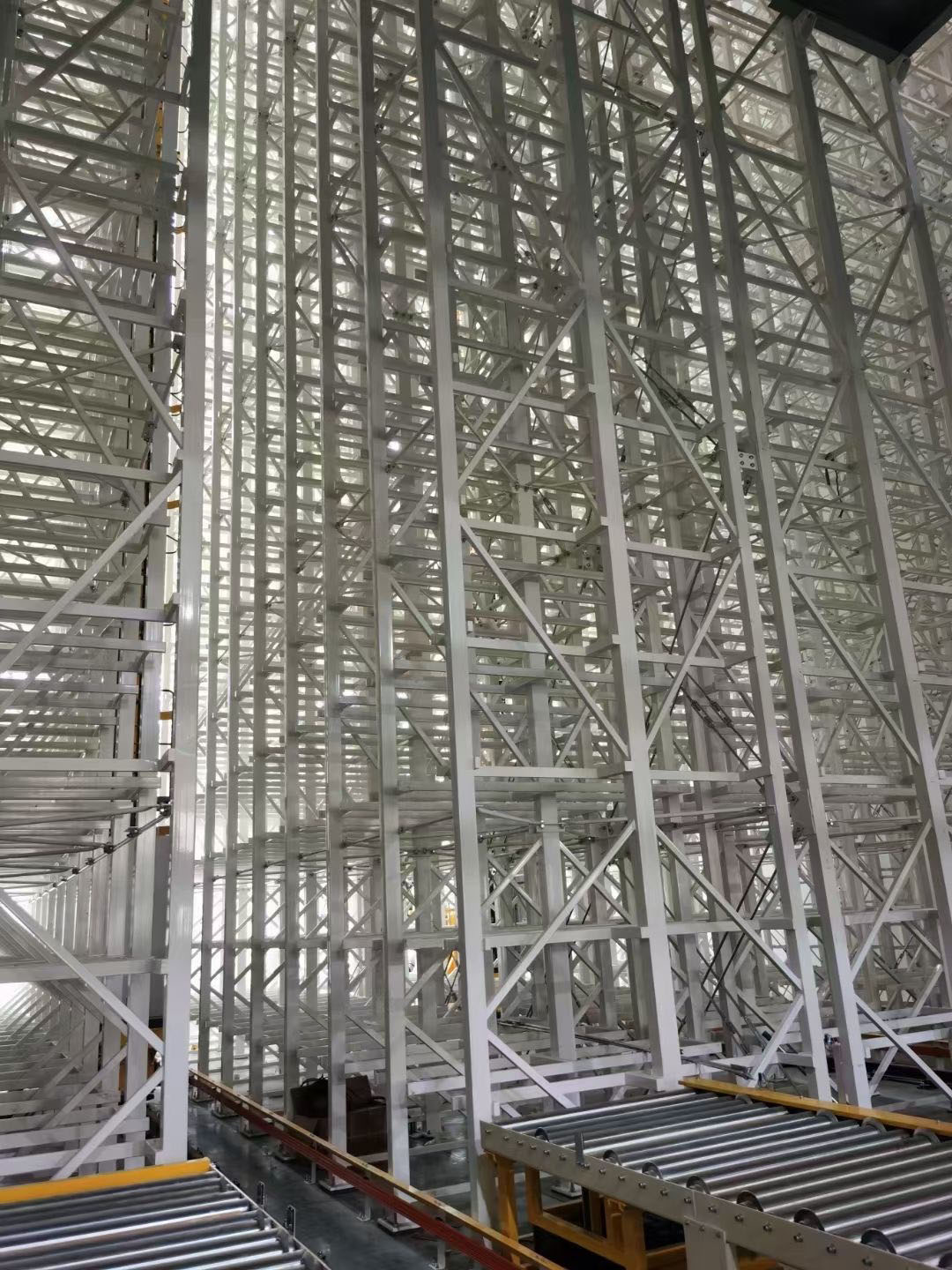
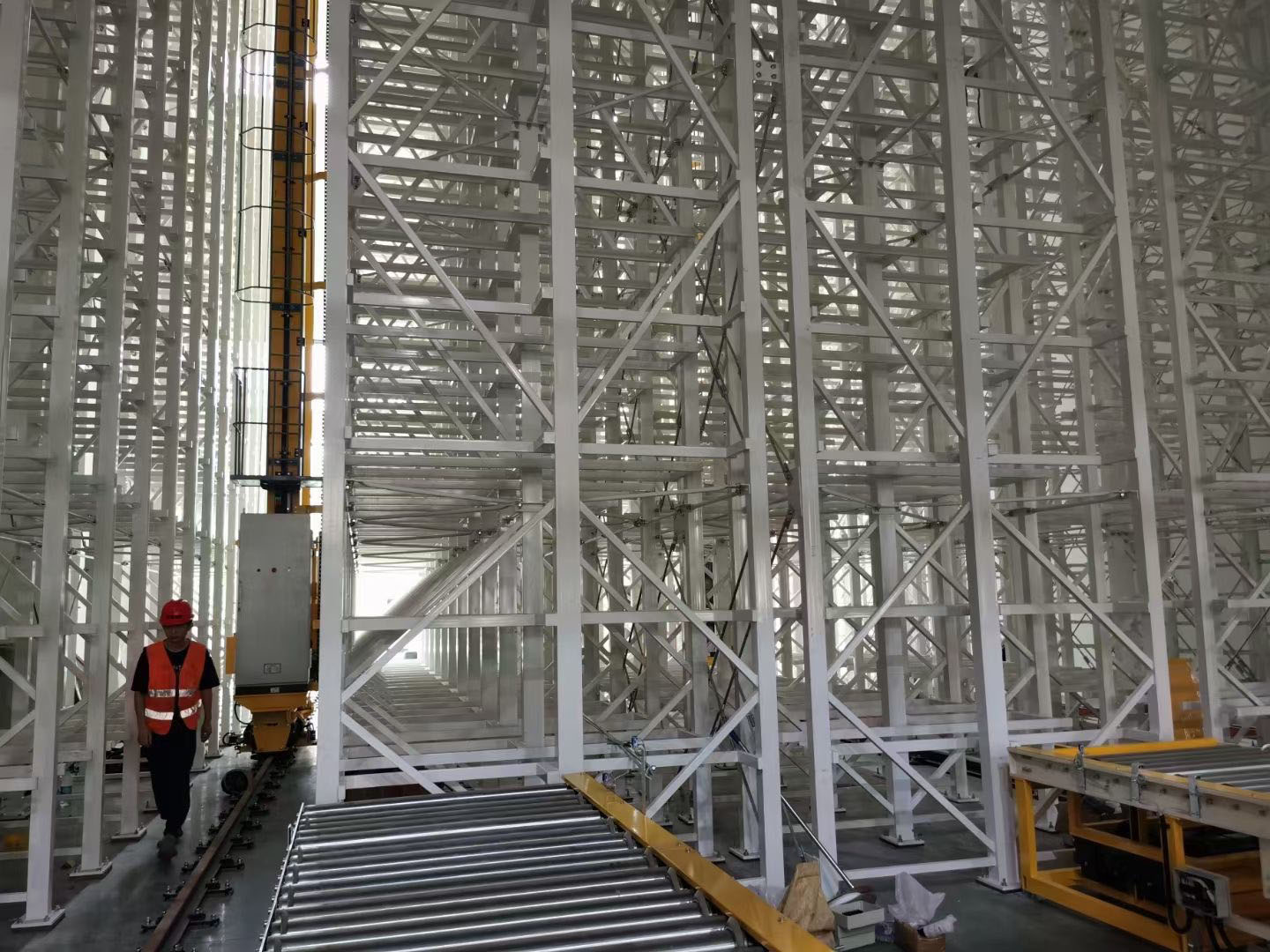
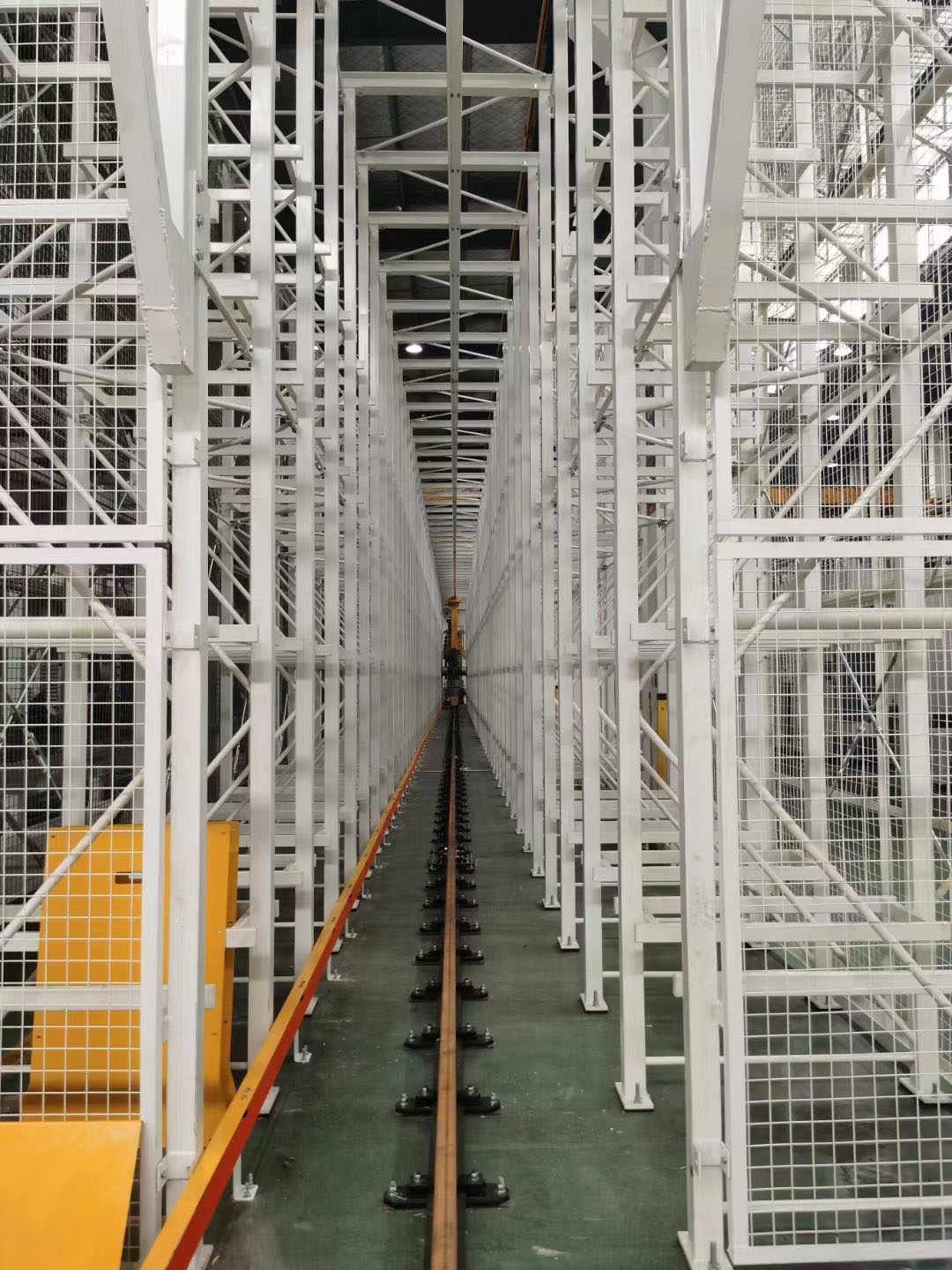
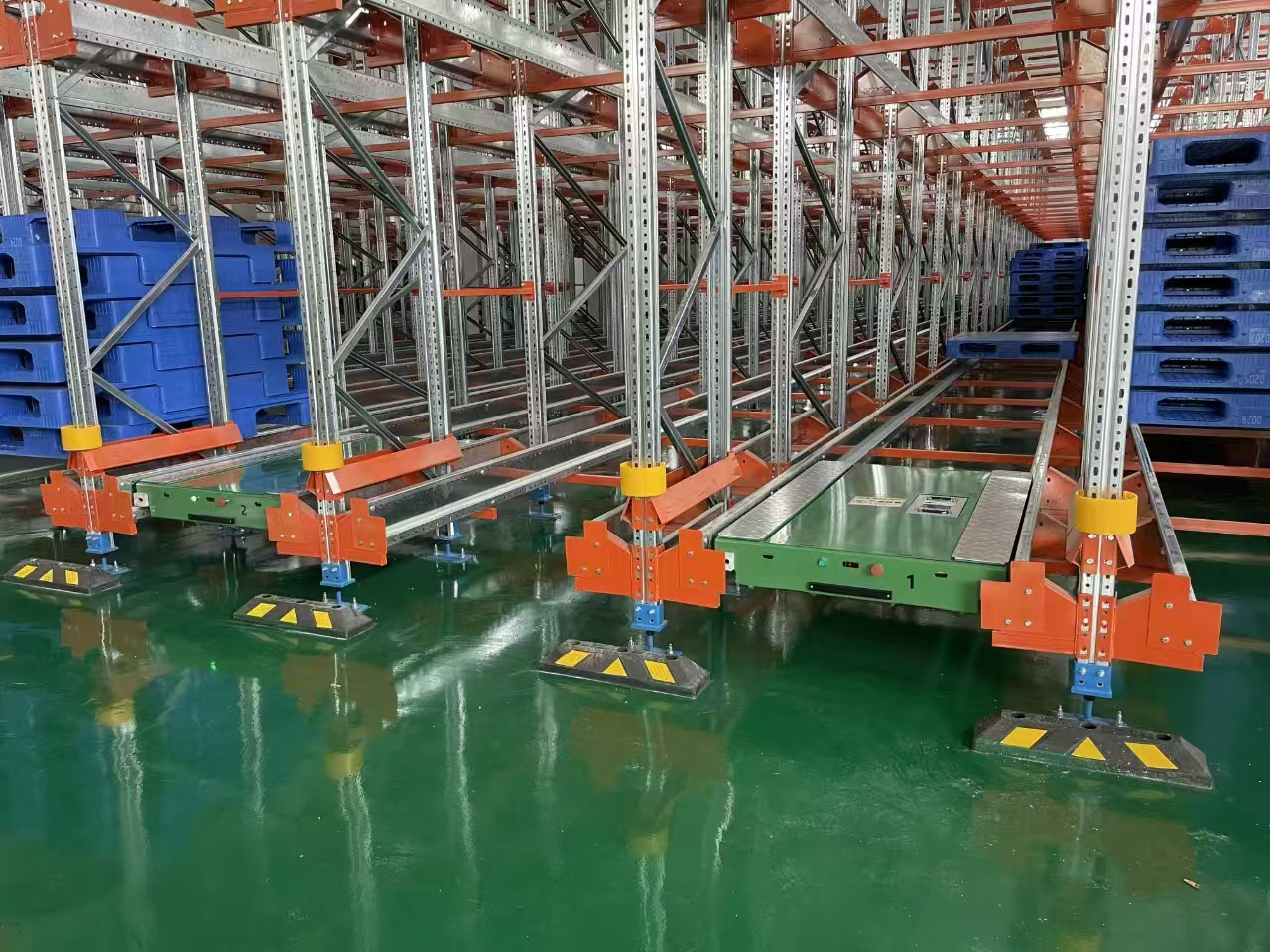
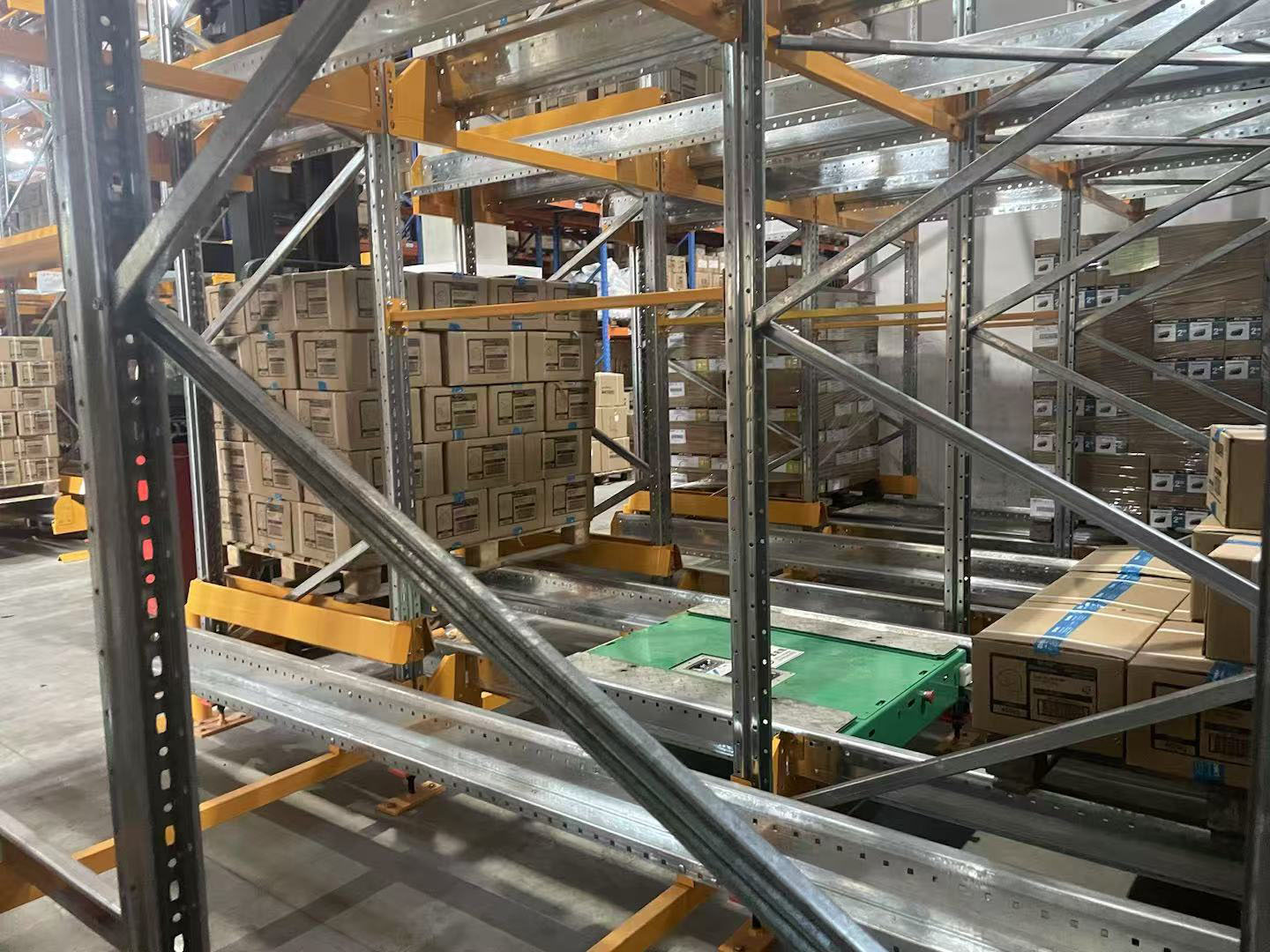
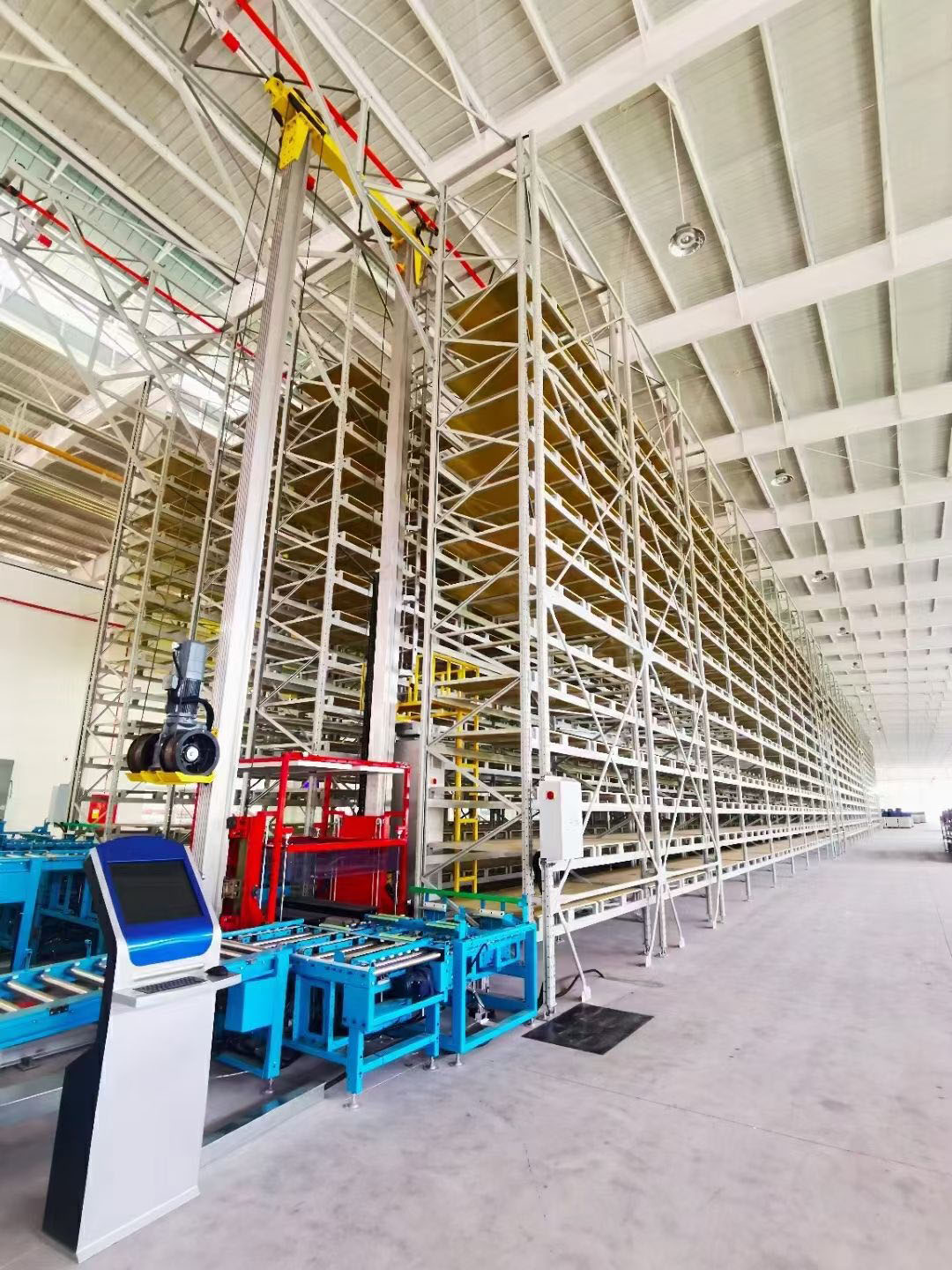
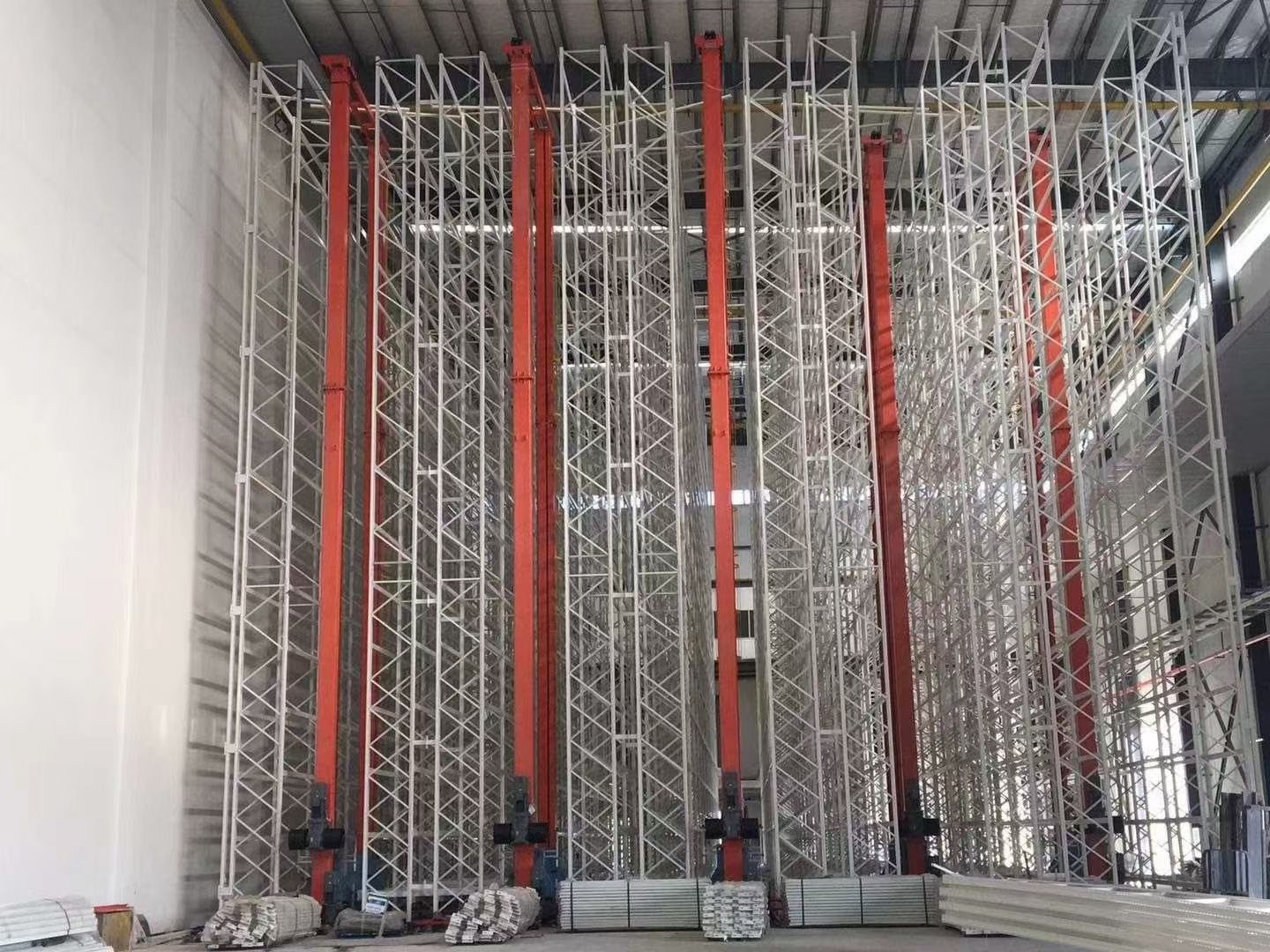
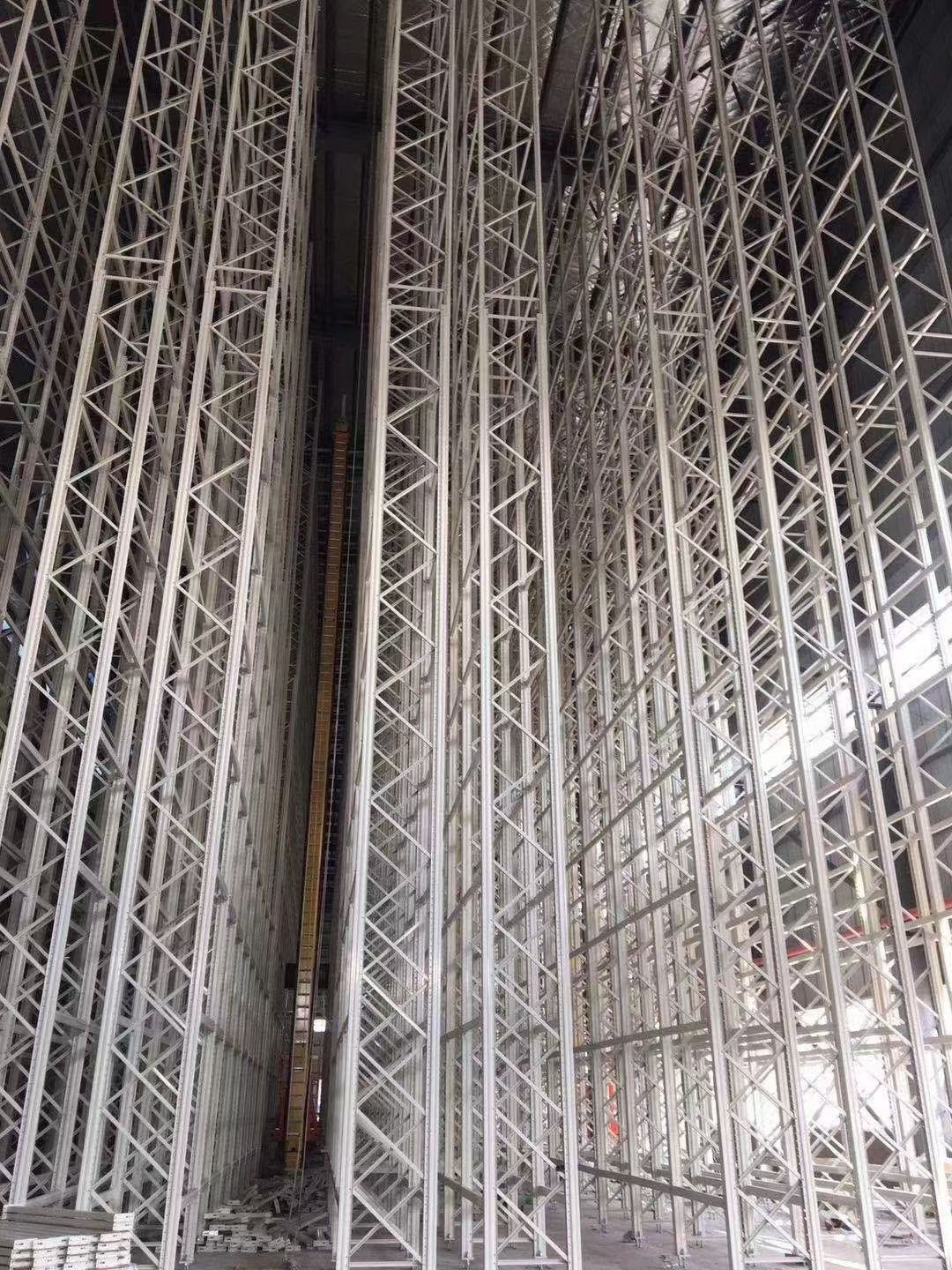
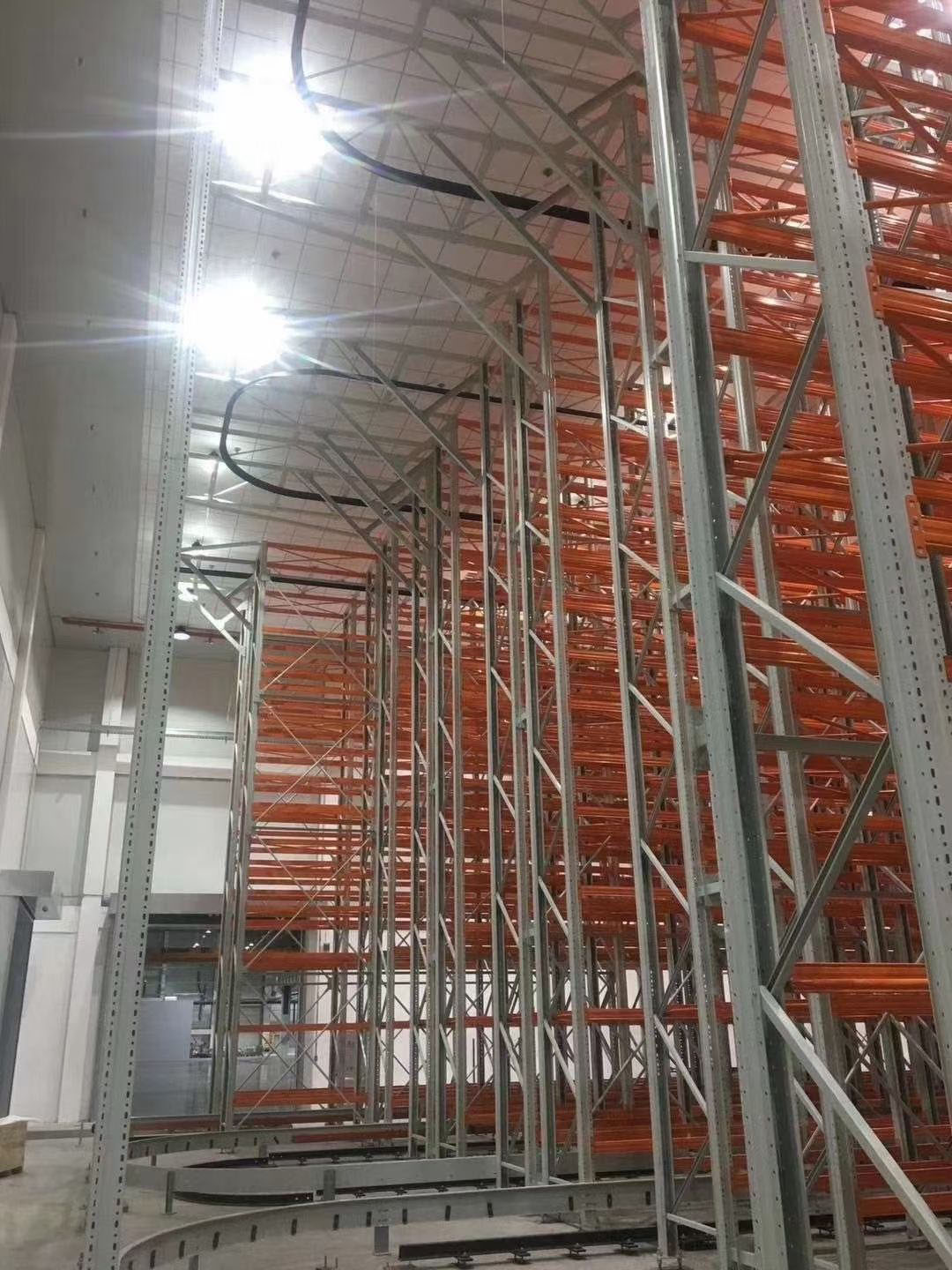
In the automated warehouse, steel and motion capture the imagination. Stacker cranes ascend and descend; shuttles race through dense racking; conveyors weave continuous flows. Yet these machines, for all their precision, are merely actors awaiting direction. They do not know which pallet to retrieve next, which order takes priority, which storage location optimizes tomorrow’s picking. They wait. They execute. They do not decide.
The entity that decides is the Warehouse Management System (WMS). It is not merely software—it is the central nervous system of your automated facility, the digital intelligence that transforms a collection of sophisticated machines into a unified, purposeful, adaptive material flow organism.
KINGSHELVING engineers WMS solutions with a fundamental understanding: hardware determines what is possible; software determines what is achieved. Our WMS is not an afterthought bolted onto automated equipment—it is the architectural core around which our entire ASRS portfolio is designed. It speaks the language of your enterprise systems, directs the choreography of your automation, and provides the real-time visibility that transforms warehouse operations from reactive cost centers into predictive, strategic assets.
Core Positioning: The central nervous system of the automated warehouse; digital intelligence that transforms machines into a unified, adaptive material flow organism.
Strategic Value: Determines what is achieved from what hardware makes possible; the difference between automated equipment and an intelligent warehouse.
KINGSHELVING Philosophy: WMS is not an afterthought—it is the architectural core around which our entire ASRS portfolio is designed.
I. Beyond Inventory Tracking: The WMS as System Orchestrator
A basic inventory system knows what you have. A warehouse management system knows where it is, what state it is in, and what should happen next. This distinction is the difference between a digital list and a living, adaptive control system.
Real-Time Inventory Intelligence
KINGSHELVING WMS maintains continuous, granular visibility across every storage location, every load carrier, and every item within your facility. This is not periodic reconciliation—it is perpetual awareness. The system knows:
The exact location of every pallet, tote, and parcel (aisle, column, level, position)
The status of every item (received, inspected, quarantined, released, blocked, reserved)
The age of every inventory unit (receipt date, manufacturing date, expiration date)
The pedigree of every serialized item (batch, lot, supplier, quality certification)
This intelligence is not stored in a static database; it is dynamically updated with every transaction, providing a single source of truth that operations, finance, and customer service can trust .
Dynamic Task Allocation
A warehouse without WMS intelligence relies on human discretion: operators decide which pallet to retrieve, which storage location to use, which order to pick next. KINGSHELVING WMS replaces discretion with optimization. The system continuously evaluates:
Order priorities and carrier cut-off schedules
Equipment availability and workload balance
Storage location affinity and travel distance minimization
Operator workload and workstation capacity
From this real-time analysis, the system generates and dispatches tasks to the optimal resource—stacker crane, shuttle, conveyor merge, or operator workstation—at the optimal moment .
Closed-Loop Execution Verification
Task assignment without verification is merely hope. KINGSHELVING WMS implements closed-loop confirmation for every transaction. When a stacker crane retrieves a pallet, sensors verify load presence and identity before the crane moves. When an operator picks an item, barcode or RFID scanning confirms correct item, quantity, and destination before the system updates inventory. This transaction-level verification eliminates the error cascades that plague facilities relying on periodic cycle counts and after-the-fact reconciliation .
Real-Time Intelligence: Perpetual awareness of location, status, age, pedigree; dynamically updated with every transaction .
Dynamic Task Allocation: Continuous optimization of priorities, equipment, travel distance, workload; real-time task generation .
Closed-Loop Verification: Every transaction confirmed via sensor, barcode, RFID before inventory update; eliminates error cascades .
II. Core Capabilities: The Functional Pillars of KINGSHELVING WMS
Receiving and Putaway Optimization
Inbound material enters your facility with inherent uncertainty. KINGSHELVING WMS transforms this uncertainty into controlled, optimized flow through:
ASN integration: Receipts are planned before trucks arrive; labor and equipment are pre-allocated
Quality management integration: Items are automatically directed to inspection zones, quarantine holds enforced until release
Dynamic putaway assignment: The system calculates optimal storage locations based on SKU velocity, dimensions, weight, and storage class, directing operators or automated equipment to the precise putaway position
Inventory Management and Control
KINGSHELVING WMS provides comprehensive inventory governance through:
Multi-level traceability: Batch, lot, and serial number tracking with complete audit trails
FIFO/FEFO enforcement: System-directed putaway and retrieval that respects shelf-life constraints and quality expiration
Cycle counting: Risk-based, continuous verification that maintains inventory accuracy without operational interruption
Hold and quarantine management: Physical and logical blocking of non-conforming inventory, preventing unintended use or shipment
Order Processing and Wave Management
Outbound fulfillment is the moment of truth—where storage efficiency converts to customer satisfaction. KINGSHELVING WMS optimizes this conversion through:
Wave planning: Orders are grouped into waves optimized for carrier cut-off times, destination consolidation, and picking efficiency
Allocation and reservation: Inventory is committed to orders in real time, preventing overselling and stock-outs
Dynamic replenishment: As picking depletes forward pick locations, the system automatically triggers replenishment from reserve storage
Picking Optimization
Labor represents the largest controllable operating cost in most warehouses. KINGSHELVING WMS minimizes this cost through:
Pick method selection: The system selects optimal picking strategy for each order—discrete, batch, zone, or wave—based on order profile and facility configuration
Path optimization: Pick sequences are calculated to minimize travel distance, whether for operator-directed picking or automated equipment
Validation at every step: Barcode or RFID verification ensures correct item, quantity, and destination before confirmation
Packing and Shipping
The final interface with your customer demands precision. KINGSHELVING WMS delivers through:
Packing optimization: System recommends carton sizes based on item dimensions, minimizing dimensional weight charges
Label generation: GS1-compliant shipping labels, pallet tags, and documentation generated automatically
Carrier integration: Real‑time rate shopping, label printing, and manifest transmission
ASN generation: Advanced Shipping Notices transmitted to customers, accelerating their receiving process
Receiving/Putaway: ASN integration, quality holds, dynamic location assignment .
Inventory Control: Batch/serial traceability, FIFO/FEFO, cycle counting, quarantine management .
Order Processing: Wave planning, real-time allocation, dynamic replenishment .
Picking Optimization: Method selection, path optimization, step‑by‑step verification .
Packing/Shipping: Cartonization, GS1 labeling, carrier integration, ASN transmission .
III. Integration: The WMS as Enterprise Hub
A WMS that operates in isolation is merely a sophisticated calculator. A WMS that connects—upstream to ERP, downstream to automation, outward to customers and carriers—becomes the digital backbone of your entire supply chain.
ERP Integration
KINGSHELVING WMS integrates natively with leading enterprise platforms through pre-built adapters and open APIs:
SAP, Oracle, Microsoft Dynamics: Real-time, bidirectional synchronization of master data, inventory levels, and order status
Financial integration: Inventory valuation, cost updates, and transaction posting occur automatically, eliminating reconciliation
Procurement integration: Purchase orders flow seamlessly into receiving workflows; receipt confirmations update ERP in real time
Automation Layer Integration (WCS)
The Warehouse Control System (WCS) is the real‑time executor of WMS decisions. KINGSHELVING’s integrated WMS-WCS architecture delivers:
Closed-loop handshake: WMS missions are transmitted to WCS; equipment status and completion confirmations flow back; every transaction verified at both layers
Dynamic recovery: If equipment fails, WMS reallocates tasks; if WMS is temporarily unavailable, WCS maintains basic operational capability
Unified visibility: A single pane of glass shows order status, equipment status, and inventory status—no separate logins, no data reconciliation
Material Handling Equipment Integration
KINGSHELVING WMS communicates directly with the full spectrum of automated equipment:
ASRS: Direct task assignment to stacker cranes and shuttles; storage location optimization based on equipment capabilities
Conveyor systems: Merge, divert, and sortation logic driven by WMS decisions
AGV/AMR fleets: Transport missions generated and dispatched in real time based on material flow requirements
Pick-to-light and put-to-light systems: Operator guidance synchronized with WMS order processing
Customer and Carrier Connectivity
The warehouse does not exist in isolation; it serves trading partners. KINGSHELVING WMS provides:
EDI/API integration: Electronic transmission of orders, ASNs, and invoices to customers and suppliers
Carrier connectivity: Real-time rate quotes, label generation, and shipment tracking
Portal access: Self-service visibility for customers to check order status, inventory availability, and shipment tracking
ERP Integration: Native adapters for SAP, Oracle, Dynamics; real-time sync of master data, inventory, orders .
WCS Integration: Closed-loop handshake, dynamic recovery, unified visibility .
MHE Integration: Direct communication with ASRS, conveyors, AGVs, pick/put-to-light systems .
Partner Connectivity: EDI/API, carrier integration, customer portal access .
IV. Advanced Capabilities: Intelligence That Differentiates
3D Visual Warehousing
Traditional WMS interfaces present inventory as lists and grids. KINGSHELVING’s advanced visualization layer transforms this data into intuitive, interactive 3D representations of your warehouse. Operators see rack structures, storage locations, and inventory status at a glance. Clicking a visualized pallet reveals its complete pedigree, movement history, and current status. This is not merely aesthetic—it is cognitive efficiency that accelerates training, reduces errors, and improves situational awareness .
Predictive Analytics and Simulation
KINGSHELVING WMS continuously captures granular operational data: cycle times, travel distances, equipment utilization, operator productivity. This data feeds predictive analytics that:
Forecast capacity constraints before they impact operations
Identify optimal re-slotting opportunities based on shifting demand patterns
Predict maintenance requirements based on equipment usage trends
Simulate the impact of layout changes, new equipment, or process modifications before implementation
Labor Management Integration
Labor is the largest variable cost in warehouse operations. KINGSHELVING WMS includes integrated labor management capabilities:
Engineered labor standards: Task times calculated based on actual travel distances, lift heights, and activity types
Performance tracking: Individual and team productivity measured against standards in real time
Incentive calculation: Automated tracking of performance against targets for pay-for-performance programs
Workload forecasting: Labor requirements predicted based on order volumes, enabling optimal shift scheduling
Multi‑Client / Multi‑Warehouse Management
For 3PL operators and enterprises with distributed networks, KINGSHELVING WMS provides:
Client‑specific configurations: Separate master data, inventory, and rules for each client, accessed through a single system instance
Cross‑warehouse visibility: Inventory visibility across multiple facilities, enabling optimal order allocation
Billing and invoicing: Automated calculation and generation of storage and handling charges based on client contracts
Regulatory Compliance
In regulated industries—pharmaceutical, food, chemical—compliance is not optional. KINGSHELVING WMS provides:
21 CFR Part 11 compliance: Electronic signatures, audit trails, and data integrity controls for FDA‑regulated environments
GDP/GMP support: Temperature monitoring integration, quarantine management, and full traceability
Serialization and aggregation: Item-level serial number tracking, aggregation to case and pallet, EPCIS event generation
3D Visual Warehousing: Intuitive, interactive warehouse visualization; cognitive efficiency, accelerated training .
Predictive Analytics: Capacity forecasting, re-slotting optimization, maintenance prediction, simulation .
Labor Management: Engineered standards, real-time performance tracking, workload forecasting .
Multi-Client/Multi-Warehouse: Client-specific configurations, cross-facility visibility, automated billing .
Regulatory Compliance: 21 CFR Part 11, GDP/GMP, serialization/aggregation, EPCIS .
V. The KINGSHELVING WMS Advantage
Purpose-Built for Automation
Many WMS platforms originated in manual warehouse environments and have been retrofitted to support automation. KINGSHELVING WMS was born in automation—designed from the ground up to orchestrate stacker cranes, shuttles, conveyors, and robots. Our control logic assumes equipment integration, not exception handling. Our user interfaces are optimized for operators who manage systems, not just scan barcodes. This native automation orientation eliminates the compromises inherent in adapted software.
Open Architecture, Not Vendor Lock‑In
KINGSHELVING does not force you to abandon existing investments or accept proprietary constraints. Our WMS features open APIs and documented integration interfaces that enable seamless connectivity with:
Third‑party automation equipment
Existing ERP and business systems
Best‑of‑breed applications for specialized functions
Customer and carrier networks
You retain the freedom to choose the best components for your specific requirements .
Scalable from Single Site to Global Network
KINGSHELVING WMS scales continuously with your business:
Single warehouse deployment: Rapid implementation, focused functionality, immediate ROI
Multi‑site enterprise: Centralized master data management, cross‑facility visibility, consistent processes
Global network: Multi‑language, multi‑currency, multi‑regulatory support; unified reporting across continents
Your WMS investment grows with you, never requiring replacement as your operations expand.
Validated by Performance, Not Promises
KINGSHELVING WMS is not theoretical software. It is field‑proven across hundreds of installations in manufacturing, distribution, cold chain, and specialized industrial applications. Our reference clients include:
Fortune 500 manufacturers achieving 99.9%+ inventory accuracy
Leading 3PL operators managing multi‑client, multi‑site networks
Cold chain distributors maintaining regulatory compliance and product integrity
E-commerce fulfillment centers processing millions of orders annually
When you choose KINGSHELVING WMS, you choose software validated by real-world performance, not marketing claims.
Your Warehouse. Our Software. Intelligence That Delivers.
The automated warehouse is a system of integrated flows. Steel provides the structure; machines provide the motion; but intelligence provides the purpose. Without WMS intelligence, your stacker cranes are merely expensive elevators, your shuttles are sophisticated sleds, your conveyors are powered rollers. With KINGSHELVING WMS, they become a unified, adaptive, high-performance material flow system—responding in real time to demand, optimizing every move, and providing the visibility that transforms operations from cost centers into competitive weapons.
When you deploy KINGSHELVING WMS, you are not merely acquiring software. You are installing intelligence at the core of your automated warehouse—the decision-making capability that ensures every investment in hardware, every square meter of storage, every hour of labor delivers maximum return.
The automated warehouse moves on steel. It thinks on KINGSHELVING WMS.